 Free shipping on orders over £29,85
  Shipping Tracking!


 Google
 Facebook
← Back to Who produces two-component resin in China?
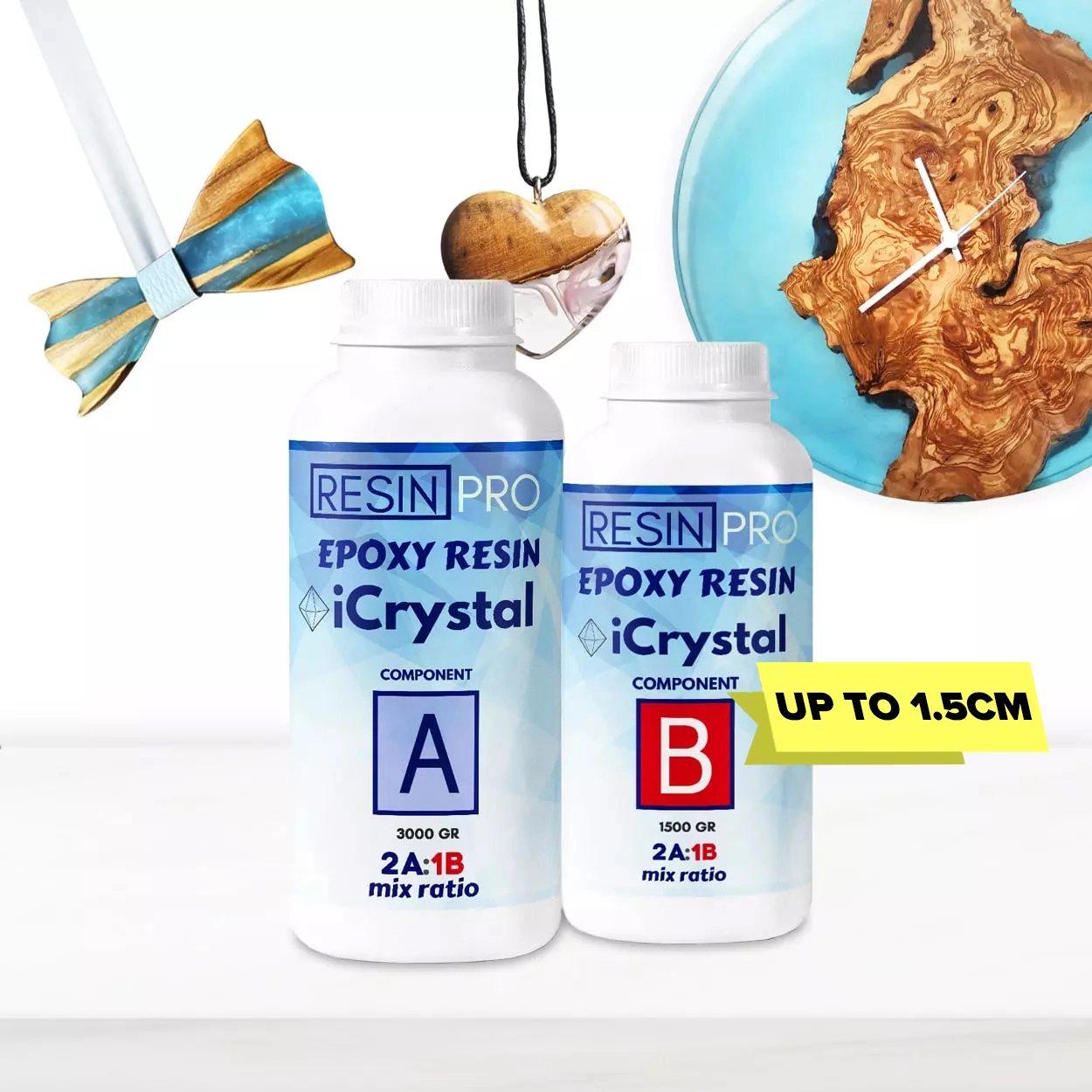
Maintaining a clear, non-yellowing finish is a key concern when working with two-component resins, especially for creative and technical projects. Understanding what influences resin colour stability can help you choose products that stay pristine for longer.
What Causes Yellowing in Resin?
Yellowing is most often caused by exposure to ultraviolet (UV) light, heat, and sometimes impurities in the resin or hardener. Lower-quality resins or those without dedicated UV stabilisers are far more prone to this change over time, leading to dull or amber-tinted results.
How to Minimise Yellowing
Opt for high-quality epoxy resins that incorporate effective UV filters, such as One-2-One and Icrystal. These are designed specifically to offer excellent resistance to yellowing, helping your work stay clear and glossy for as long as possible. Polyurethane systems can also remain colour-stable if they are appropriately formulated, such as the “IWhite” casting resin. For best results, always follow storage and usage instructions and avoid placing cured pieces in direct sunlight for prolonged periods.
When This Matters Most
Yellowing is a primary issue for clear castings, jewellery, tabletops, and decorative surfaces where lasting transparency and brightness are vital. For projects where appearance is critical, investing in UV-resistant and stable resins will help ensure your creation looks its best over the long term.
Related products
Related guides
For those keen on durable clarity and professional results, selecting the right two-component resin and understanding its yellowing resistance is key. Explore more about suppliers and advanced resin options on our hub page.