 Free shipping on orders over £29,85
  Shipping Tracking!


 Google
 Facebook
← Back to How many liters can I make with one kg of silicone rubber?
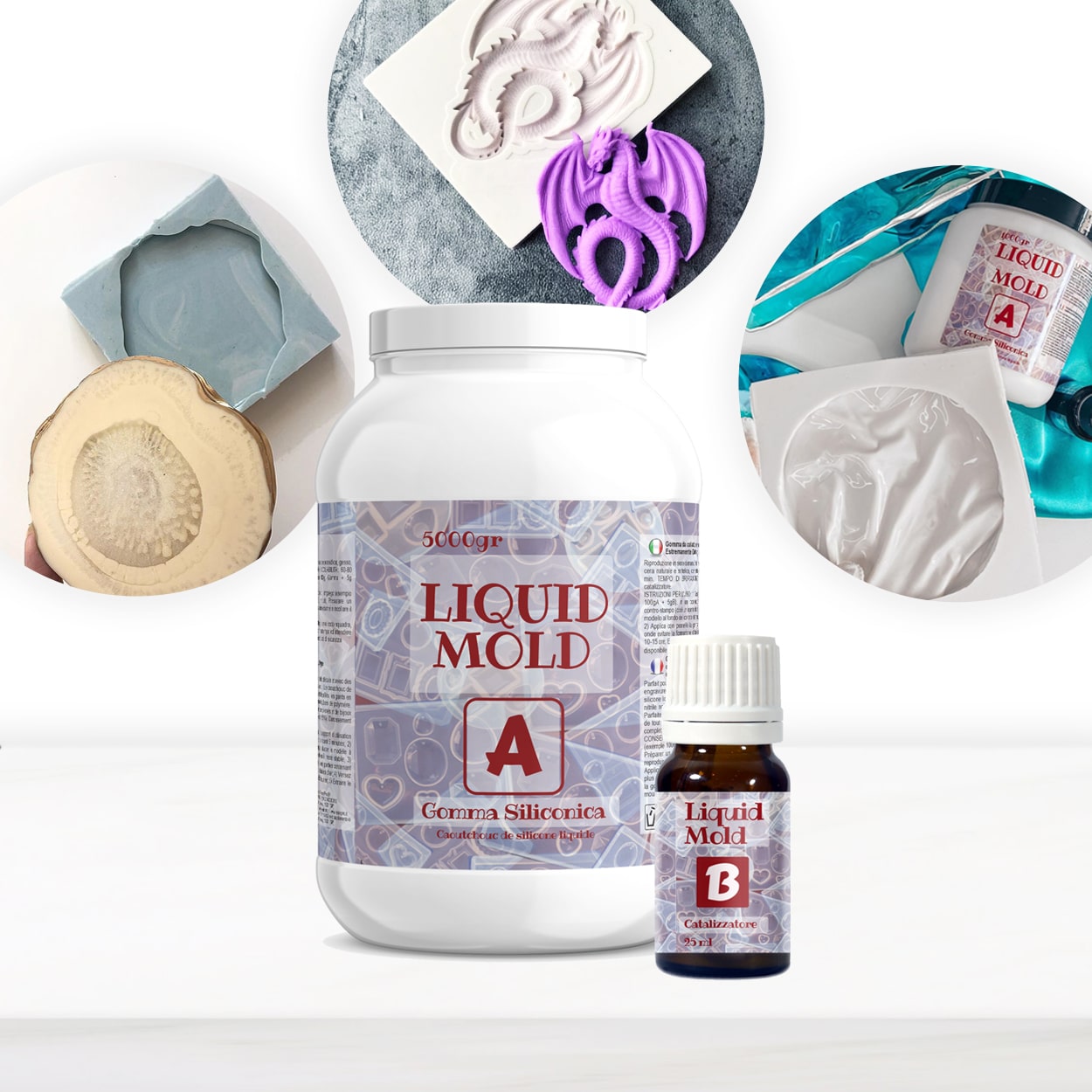
When creating silicone moulds, many makers wonder whether the final volume changes after the silicone cures. This guide explores the impact of cure shrinkage on the end result so you can plan your project with confidence.
What Is Cure Shrinkage?
Cure shrinkage refers to the slight reduction in volume that can occur when liquid silicone rubber sets and solidifies. In modern high-quality silicone moulding rubbers, such as bi-component kits and platinum-based formulas, this shrinkage is generally minimal—often barely noticeable for most small or detailed projects.
How Much Shrinkage to Expect
The latest silicone rubbers designed for precise mould making, like “Liquid Mould” – Casting Liquid Silicone Rubber, 5-40 Shores, Bi-Component A+B, tend to retain their original dimensions very well. Most users report only a negligible loss in volume after curing. For typical craft or jewellery moulds, this minor change is unlikely to affect your outcome, but for very large or finely measured works, allow a small buffer when calculating your required material.
Tips for Accurate Results
- Mix components thoroughly and pour carefully to minimise trapped air, which can falsely increase measured volume before curing.
- Consider using a pressure pot if highly precise volume retention is essential, especially for intricate details or professional finishes.
- Always check the manufacturer’s recommendations about expected shrinkage; trusted products for mould making usually keep volume loss to a minimum.
When This Matters
If you’re working on projects where exact measurements are crucial—such as engineering parts, master models, or large-format casts—even slight shrinkage may make a difference. In these situations, opting for a silicone rubber explicitly described as low-shrinkage is wise.
Related products
Related guides
Understanding cure shrinkage is key for accurate mould making, especially if you need to calculate how many litres you can produce from a certain weight of silicone. For more advice on batch sizes and coverage, see our main guide on calculating litres per kilogram of silicone rubber.