 Free shipping on orders over £29,85
  Shipping Tracking!


 Google
 Facebook
← Back to How does silicone rubber dry?

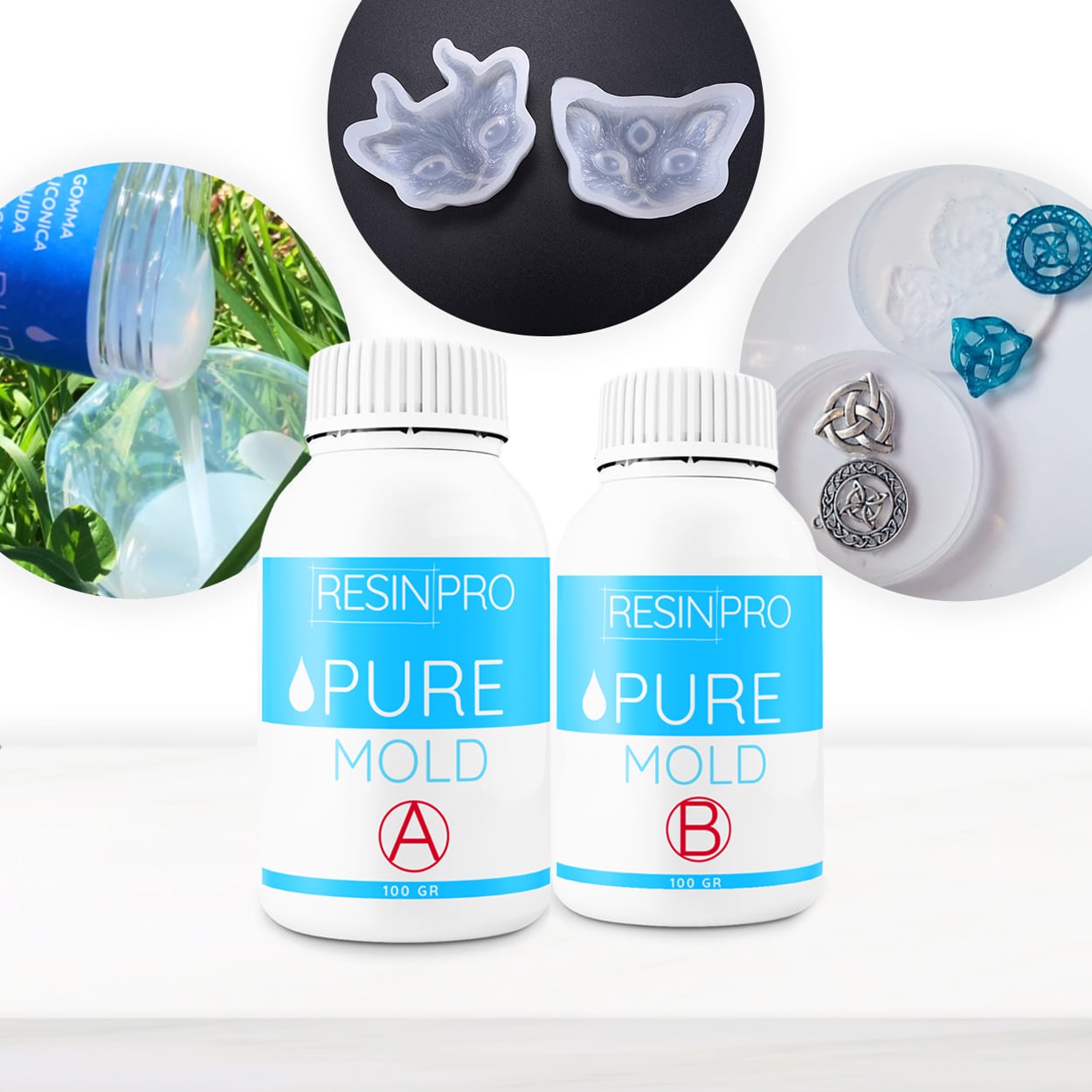
If you’re exploring silicone mould making, you’ll quickly notice that not all silicones cure at the same pace. The choice between putty and liquid silicone types can affect your project timeline significantly.
Key Differences in Cure Times
Silicone putties are known for their swift curing. After mixing both parts in a 1:1 ratio, you can expect the putty to set within 20 to 40 minutes, making it ideal when speed is essential or only simple shapes are required. In contrast, liquid silicone rubbers formulated for precision and detail often take longer—usually several hours—to cure fully, offering more working time for elaborate or intricate moulds.
Choosing the Right Silicone for Your Project
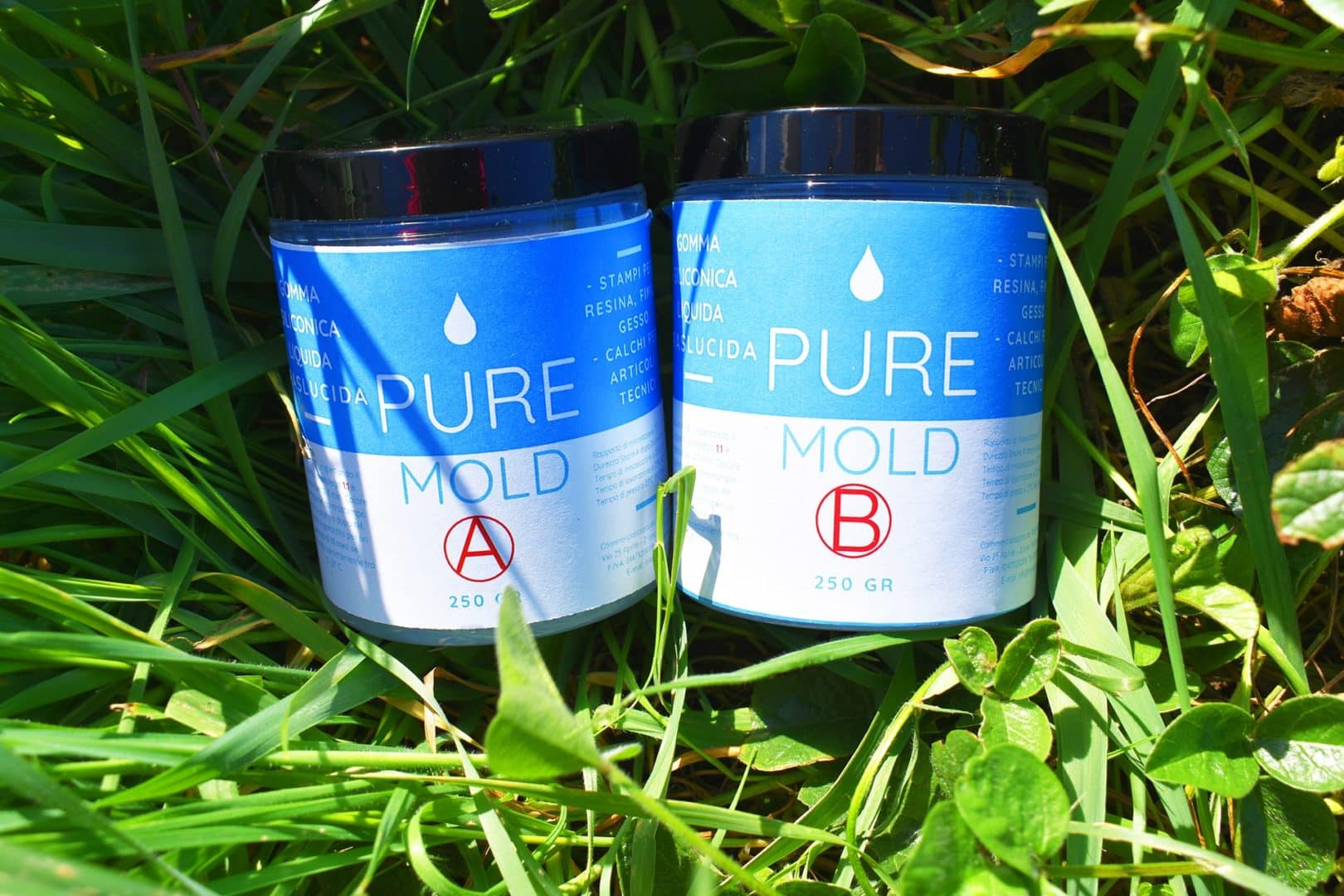
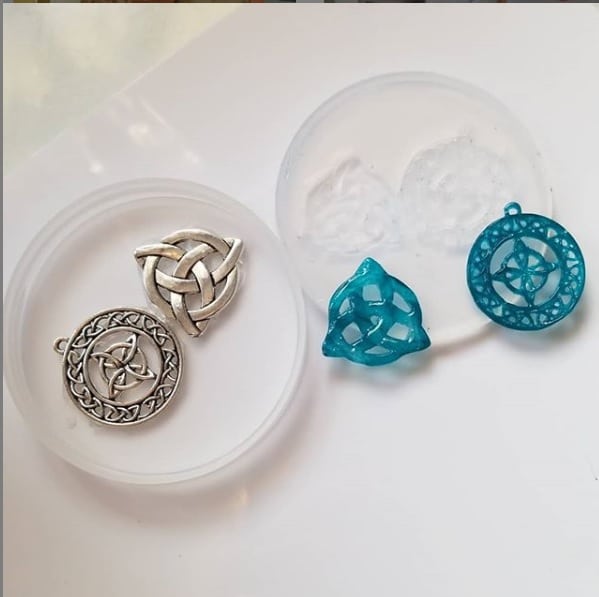
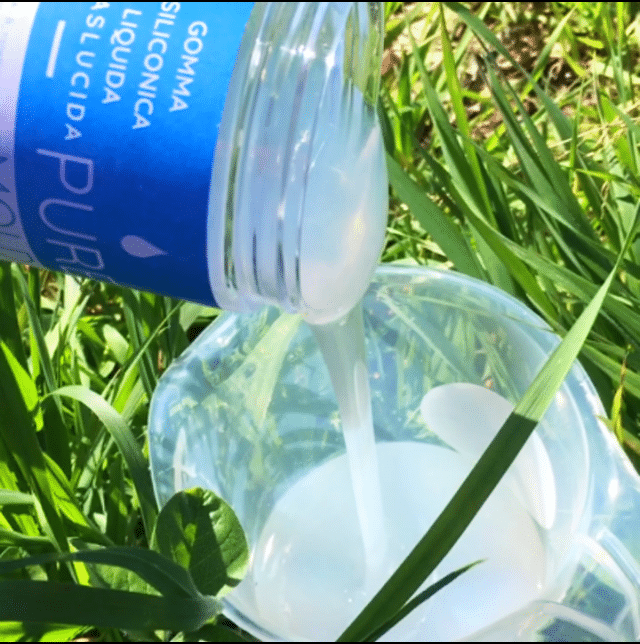
Your selection should depend on the detail level and the pace required. For fast, hands-on shaping or small projects, a silicone putty such as I–Gum Non-Toxic Silicone Putty is an efficient choice. For highly detailed reproductions in resin, wax, or plaster, translucent liquid silicones like Pure Mould Liquid Silicone Rubber offer the necessary working time and detail capture, usually curing in 3 to 8 hours.
When This Matters Most
- Time-sensitive projects: Use silicone putty for same-day demoulding or rapid prototyping.
- High-detail moulds: Opt for liquid silicone rubbers when accuracy and fine detail are the priority, even if they take longer to set.
Related products
Related guides
Understanding the difference in cure times between silicone types helps you match the material to your moulding needs. For a full breakdown of how silicone rubber dries and more expert tips, see the main How does silicone rubber dry? guide.