 Free shipping on orders over £29,85
  Shipping Tracking!


 Google
 Facebook
← Back to How do you cut resin paving?
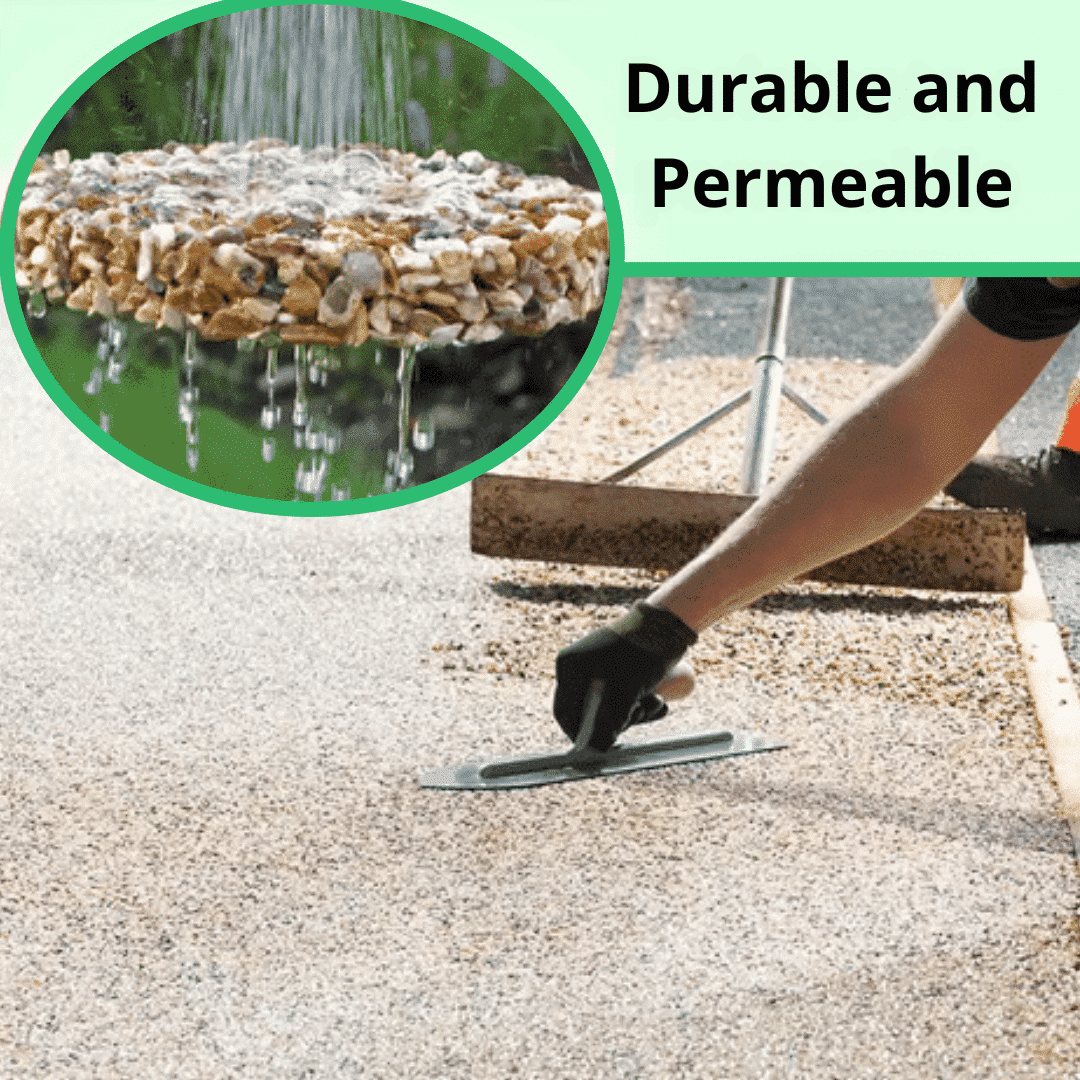
Cutting resin paving is sometimes unavoidable when adapting or repairing surfaces. Many property owners want to preserve the original permeability of such surfaces, which is key for effective drainage and preventing puddles.
How Cutting Affects Water Drainage
The primary benefit of resin paving is its ability to let rainwater pass through, reducing the risk of water pooling. When you cut through a resin surface, you create a break in the original structure. If this area is not managed correctly, it can compromise permeability by allowing aggregates and the resin binder to block water flow where the surface has been disturbed. However, by carrying out repairs using permeable resins and matching aggregates, it is entirely possible to restore water drainage at the cut site.
Repairing and Maintaining Permeable Surfaces
After cutting, it’s crucial to use a compatible, permeable resin system for any patch or repair. Products such as the “Flowstone” Complete Permeable Floor Kit are designed to ensure continued water permeability, even after alterations. Make sure to follow the product’s instructions on aggregate mixing, binder selection (for example, polyurethane for white stones or epoxy for coloured aggregates), and finishing techniques to maintain a seamless, draining surface.
When This Matters Most
Maintaining permeability is especially important in areas prone to heavy rainfall or where water management is essential, such as driveways, patios, and walkways. Loss of permeability in these zones can lead to puddling, freeze–thaw damage, and increased maintenance needs over time.
Related products
Related guides
For successful repairs or adaptations, always use a permeable resin system and follow best practices to keep your surface draining effectively. To learn more about practical methods and products for modifying or renewing resin paving, visit our main guide on how to cut resin paving.