 Free shipping on orders over £29,85
  Shipping Tracking!


 Google
 Facebook
← Back to How much does the floor level rise with resin?

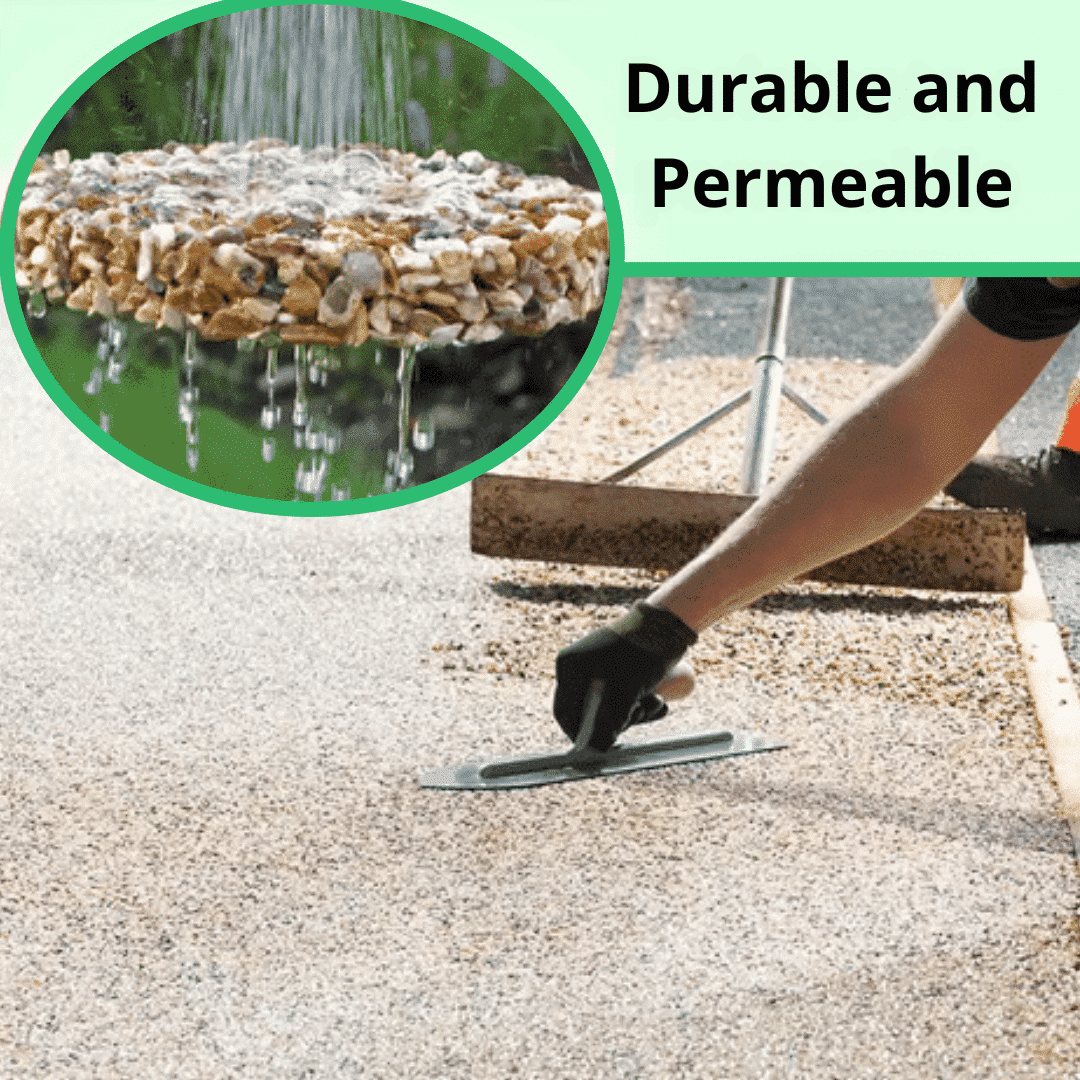
Preparing your floor with an epoxy primer is an important step for resin applications, but many wonder if this layer will significantly affect the final floor height. Here’s what you need to know about primers and their impact on floor level.
How Much Thickness Does Primer Add?
When applied correctly, an epoxy primer layer contributes only a negligible increase to floor level. Typically, the thickness is less than a millimetre, regardless of the application method. This minimal layer ensures strong adhesion between the substrate—such as concrete, tiles, or timber—and the subsequent resin coating without affecting thresholds, skirting boards, or the overall floor profile.
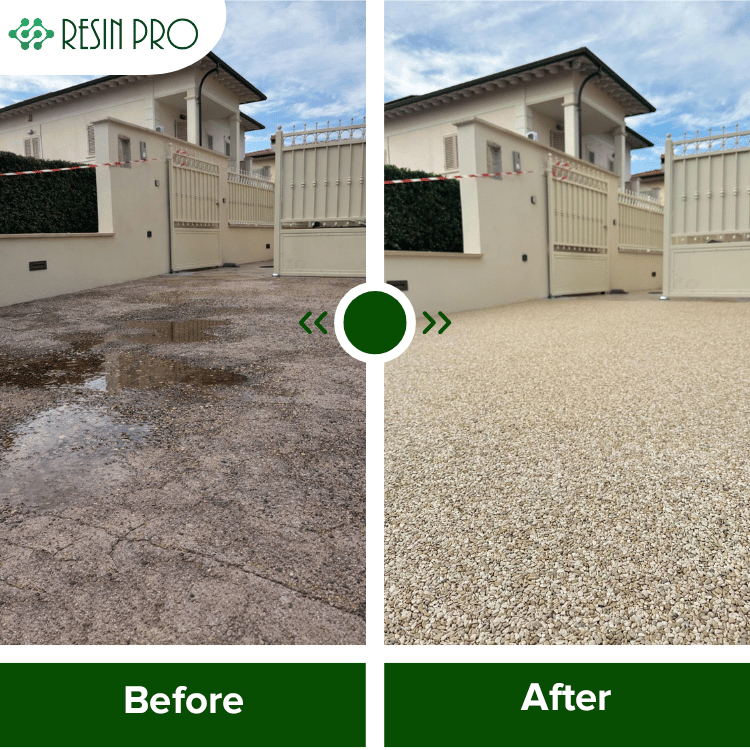
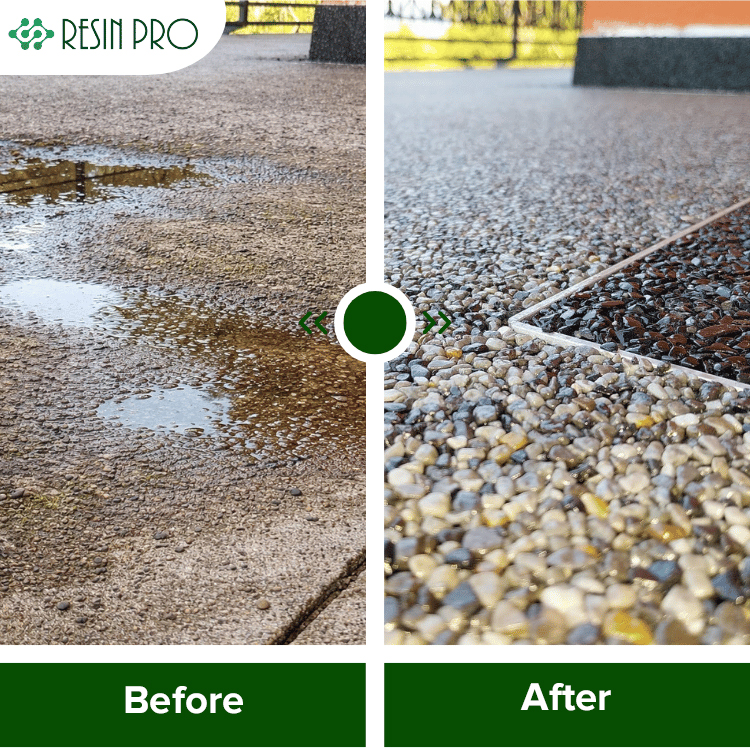
Effective Floor Preparation and Primer Choice
Choosing the right primer is key to a successful resin floor. For most surfaces, a water-based, two-component primer like Epoxyprimer offers versatile compatibility and easy application using a roller or brush. Always check the manufacturer’s recommended coverage, which typically ranges from 100 to 300 g/m² depending on substrate porosity—this helps you assess and control any slight variation in level.
When This Matters
In most flooring projects, the minute rise from a primer layer is not an issue. However, it can matter where there is very limited tolerance for height increase, such as aligning with existing fixtures or door clearances. Discuss your requirements with a resin supplier to ensure you achieve the right finish without complications.
Related products
Related guides
Priming floors before resin application adds essential adhesion with virtually no perceptible increase in height. For a full understanding of how resin systems may affect your finished floor levels, explore our main guide on how much the floor level rises with resin.