 Free shipping on orders over £29,85
  Shipping Tracking!


 Google
 Facebook
← Back to At what temperature does resin dry?
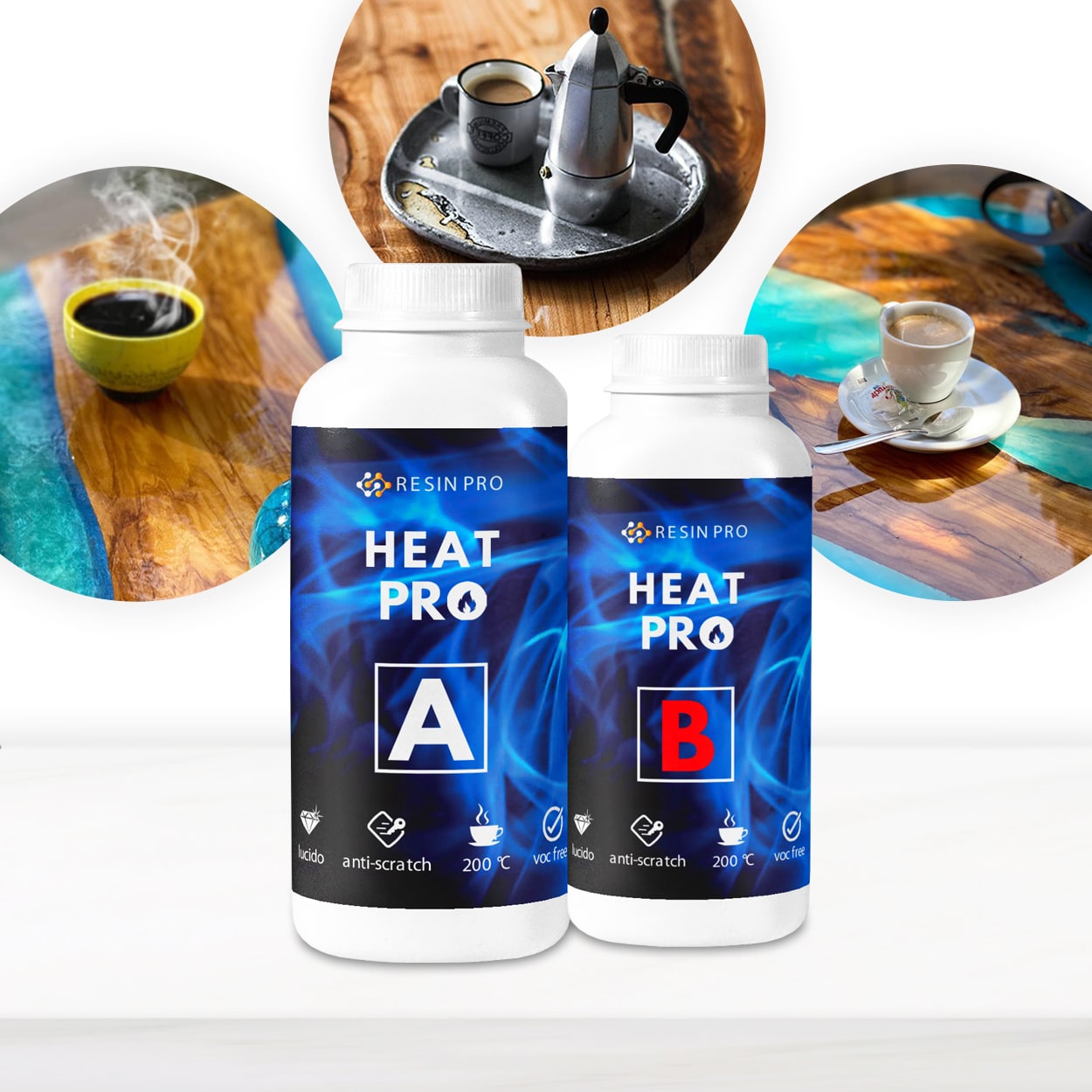
Temperature plays a vital role in the success of any resin project. Whether you’re casting, coating, or creating art, understanding how room temperature influences resin drying and curing will help you achieve the best results.
Why Temperature Matters for Resin
Resins—like epoxies and polyurethanes—rely on a chemical reaction to cure. This process is most reliable in environments between 18–25°C. If the temperature drops too low, the reaction slows down considerably or may even stop, leaving your resin sticky or soft for longer than expected. On the other hand, high temperatures can reduce your working time and might cause the resin to heat up too quickly, increasing the risk of yellowing or other curing problems.
Tips for Setting Up an Ideal Curing Environment
- Keep your workspace within 18–25°C: Use a room thermometer and aim for consistent warmth.
- Heat can help: In chillier spaces, a small heater like the Rhino Fan Heater can help create a stable environment.
- Monitor surface temperature: Cold surfaces may draw heat away, slowing the cure even if the air is warm enough.
- Plan your timings: Extra-warm days will speed up curing, so get prepared and mix only what you can use in time.
When This Matters Most
Precise temperature control is especially important for large casts, artistic pours, or projects demanding a crystal-clear finish. Using a dedicated product, such as “Heat Pro” Flexible Heat-Resistant Coating, in optimal conditions helps ensure a glossy, strong result without unwanted tints or surface defects.
Related products
Related guides
Room temperature is key to smooth and reliable resin curing. Paying attention to your workspace climate can prevent curing delays and ensure lasting quality. For more details on the best curing practices and specific resin recommendations, explore our main guide on resin drying temperatures.