 Free shipping on orders over £29,85
  Shipping Tracking!


 Google
 Facebook
← Back to How to make a dildo with silicone rubber?
Understanding whether a mould release agent is necessary depends on your silicone product and the object you’re casting. Let’s explore when and why you might need one for your project.
Why Use a Mould Release Agent?
Mould release agents can make the demoulding process much easier, helping prevent damage to delicate details and ensuring your finished piece removes cleanly from the mould. They’re especially useful if you are working with an intricate master model or casting resins that tend to stick.
Is It Always Needed with Silicone Rubber?
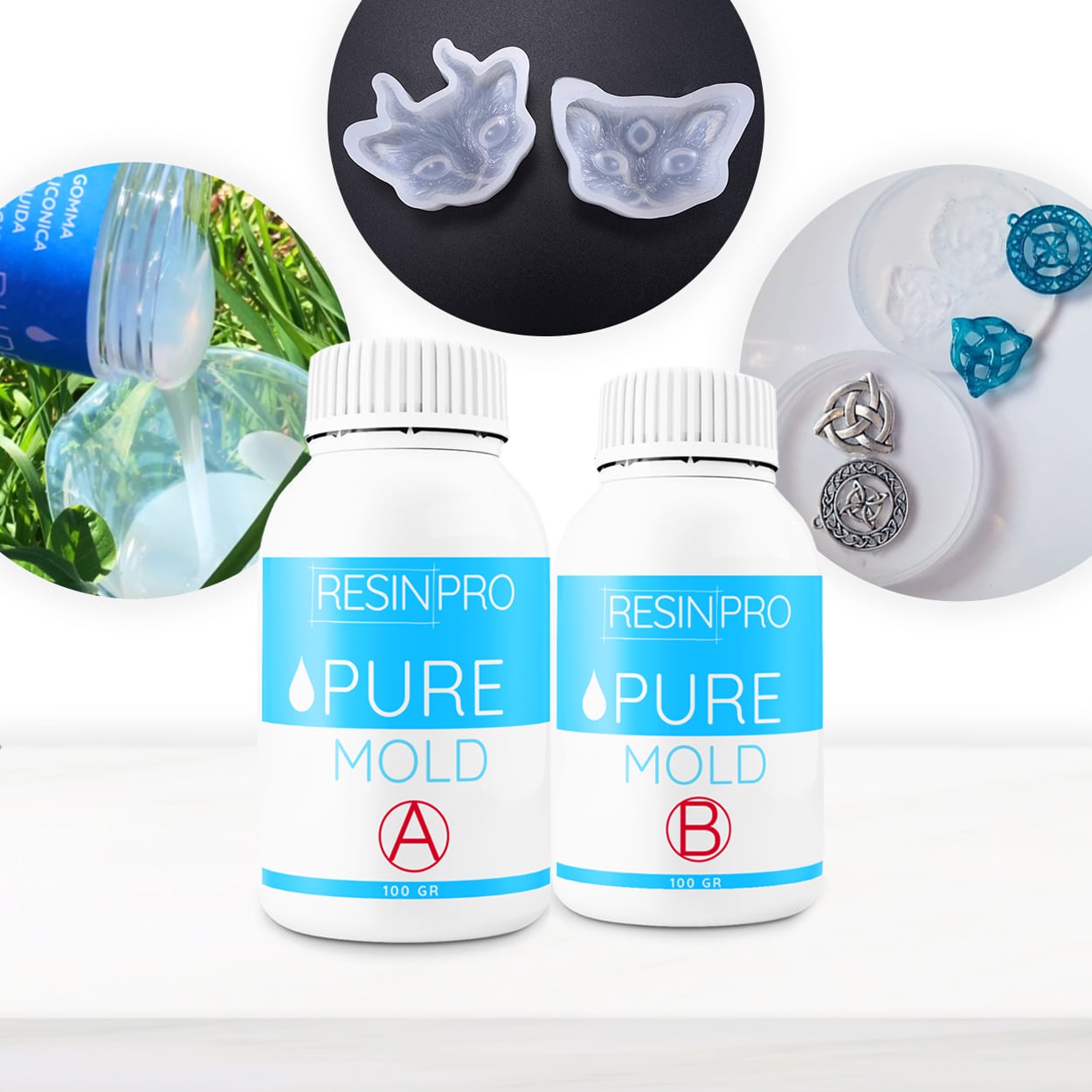
Not all silicone rubbers require a release agent. High-quality platinum-based silicones, such as the “Pure Mould” – Translucent Liquid Silicone Rubber for Mould Making, are designed for easy release without additional products in many situations. However, if your master is made from sensitive or porous material, or you plan to reuse it, a light coating of release agent can help protect surfaces and extend mould life.
Tips for Best Results When Casting
- Test a small area first to see if demoulding is easy without a release agent.
- For DIY projects with textured or detailed models, consider a release spray for added safety.
- Clean all surfaces before casting to ensure good results and preserve detail.
When This Matters Most
A release agent is most beneficial if your master is delicate, valuable, or will be used repeatedly. It’s also handy when using other materials that may bond to silicone.
Related products
Related guides
Choosing whether to use a release agent comes down to your materials and the moulding rubber employed. For more tips on casting with silicone rubber, see the full guide on creating silicone rubber moulds.