 Free shipping on orders over £29,85
  Shipping Tracking!


 Google
 Facebook
← Back to Where to find silicone rubber in Lecce?
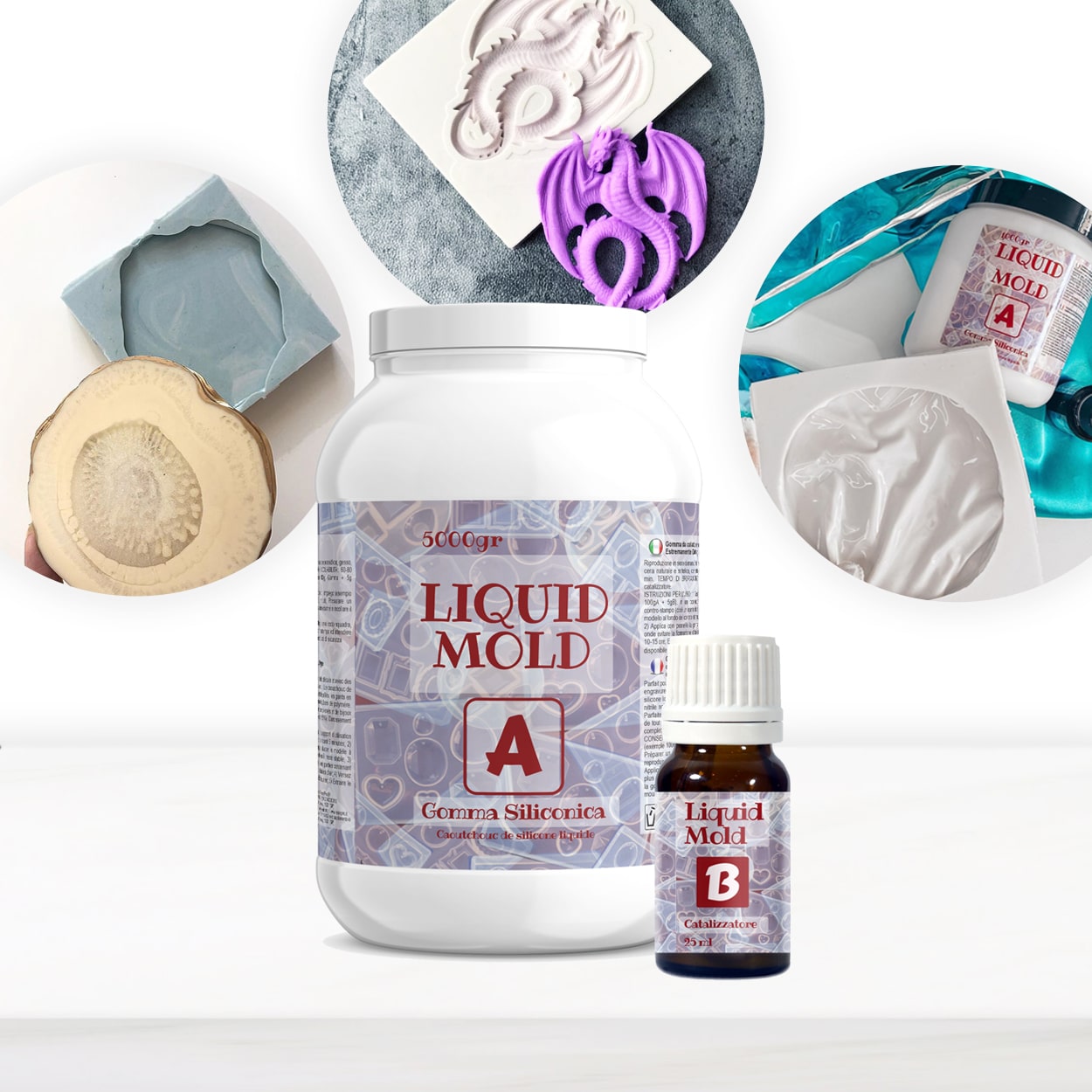
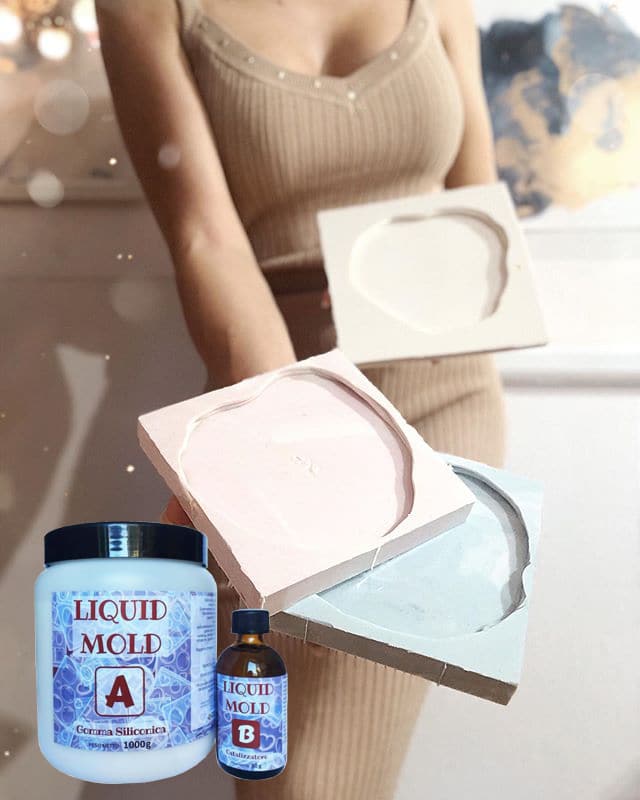
Silicone rubber is widely used for creating moulds, but it helps to know which casting materials are compatible with it. Whether you’re a hobbyist or a professional, selecting the right combination can be key to achieving a precise and durable result.
Compatibility With Common Casting Materials
Many liquid silicone rubbers are designed to work with a range of casting mediums, making them excellent for diverse creative and technical applications. Typical compatibilities include:
- Resins: Suitable for polyester, polyurethane, and epoxy resins, ideal for art, jewellery, and prototyping.
- Waxes: Supports both natural and synthetic waxes, often used in candle and decorative moulding.
- Soaps and Polymer Pastes: Useful for soap makers and crafters working with polymer or modelling clays.
- Plaster and Concrete: Robust enough for small decorative casts and detailed garden objects.
Always refer to each product’s details for specific material compatibilities and curing times.

Choosing the Right Silicone Rubber for Your Project
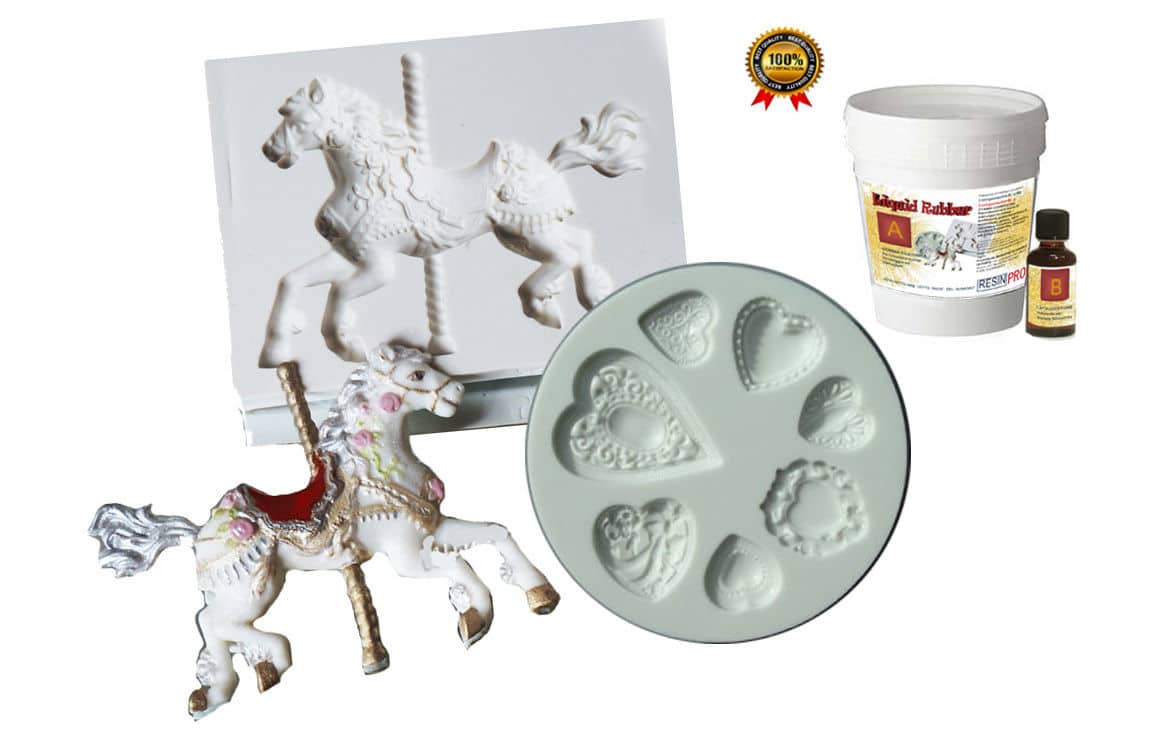
The range of silicone moulding rubbers available allows you to choose product characteristics that best match your casting material. For example, “Liquid Mould” – Casting Liquid Silicone Rubber is suited for intricate detail with resins, wax, soap and more. Translucent types like “Pure Mould” are great when you want to observe your cast during setting, while putty forms such as “I–Gum” are convenient for small, quick jobs.
Check the mixing ratios, hardness (shore rating), and curing duration to ensure suitability for your task. For complex objects with undercuts, choose a product with good flexibility and fine detail reproduction.
When Does Material Compatibility Matter Most?
Compatibility really matters when switching between different casting materials or planning repetitive use from a single mould. For projects involving various resins, waxes, or even concrete, using a silicone rubber formulated for broad compatibility helps prevent sticking, poor detail, or mould degradation. If you plan to reuse the mould many times or with different materials, opt for a silicone known for durability and versatility.

Related products
Related guides
Choosing silicone rubber compatible with your intended casting materials helps ensure reliable, detailed results. For a wider look at sourcing silicone rubber and moulding products, see our main guide on where to find silicone rubber in Lecce.