 Free shipping on orders over £29,85
  Shipping Tracking!


 Google
 Facebook
← Back to How to Make a Silicone Rubber and Plaster Mould?
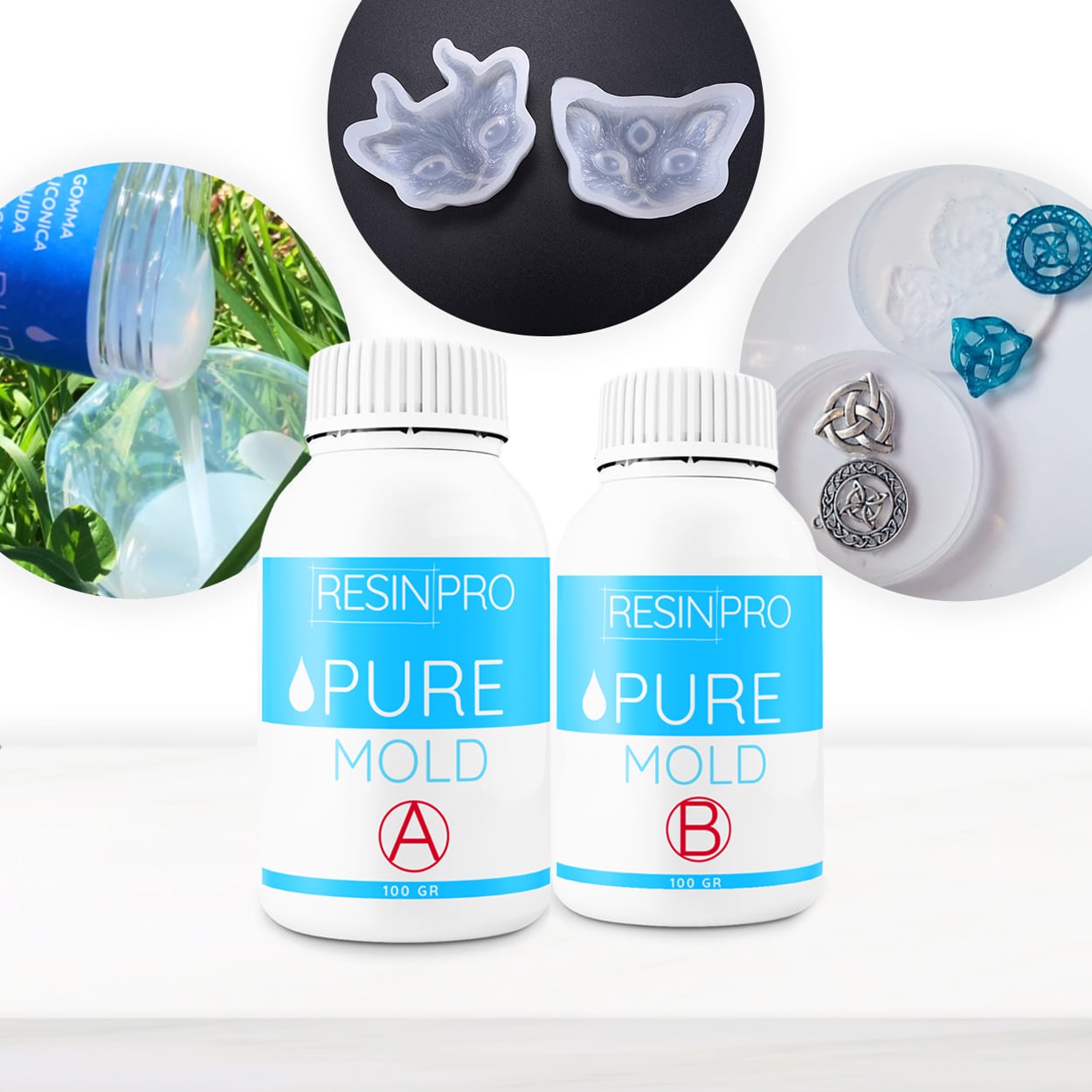
Keeping your silicone moulds in top condition after casting plaster is vital for consistent results and long mould life. Proper cleaning helps ensure every detail is captured in future castings.
Gentle Cleaning for Long-Lasting Moulds
After removing the plaster casting from your silicone mould, rinse the mould gently under cool or lukewarm running water. This removes most fresh residue without stressing the silicone. For tougher, dried plaster, use a soft brush, such as a natural bristle paintbrush or a soft toothbrush. Avoid sharp or abrasive objects, as these can scratch or tear the silicone and reduce mould lifespan.
Addressing Stubborn Plaster Residue
If you notice plaster has set into fine detail or undercut areas, allow the mould to soak briefly in water to help soften these spots. Gently brush again, taking care not to use force. For extra care, you can flex the mould lightly to help release lodged pieces, but always support delicate edges to prevent stretching or deformation.
Preserving Your Silicone Moulds
Once your mould is clean and rinsed, allow it to dry fully on a clean surface. Store it away from direct sunlight and heat, and lay it flat to avoid warping. If you cast with different materials, always follow the manufacturer’s cleaning instructions for each type to avoid cross-contamination.
Related products
Related guides
Maintaining your silicone moulds after plaster casting ensures they remain reliable for many projects. If you’re working on new moulds or looking to expand your toolkit, explore our top-rated silicone mould-making materials such as “Pure Mould” Silicone Rubber, tailored for repeated use and fine details. For more on mould making and best practices, return to our comprehensive How to Make a Silicone Rubber and Plaster Mould guide.