 Free shipping on orders over £29,85
  Shipping Tracking!


 Google
 Facebook
← Back to When to use epoxy paint?
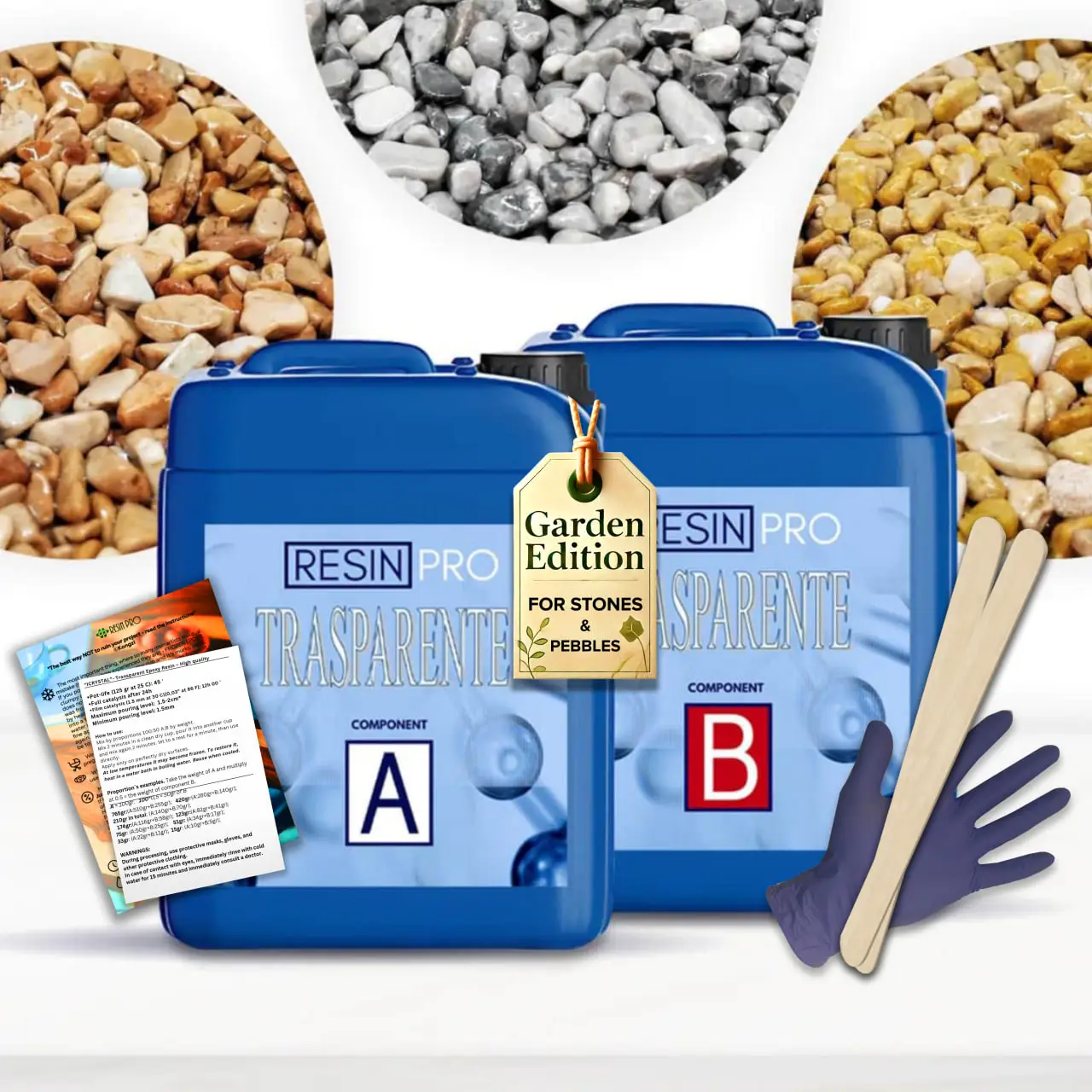

Choosing an epoxy binder with UV stability and resistance to yellowing is crucial for decorative floors and surfaces exposed to light, especially those using coloured aggregates or pebbles.
What Makes Epoxy Binder UV-Stable?
High-quality epoxy binders, such as those based on cycloaliphatic amine hardeners and UV filter technologies, are formulated to resist the effects of sunlight and artificial UV exposure. This ensures that over time, your floors or surfaces retain their original clarity and colour, minimising unwanted yellowing that can affect the look of coloured or dark aggregates.

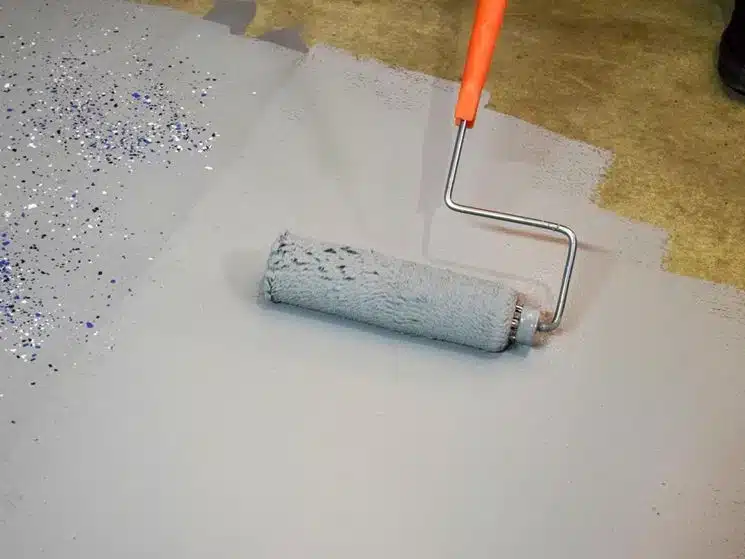
Practical Tips for a Long-Lasting Finish
- For decorative stone or pebble applications, always thoroughly mix the epoxy binder with your aggregates before laying them. This ensures the resin fully encapsulates each stone for stable, visually consistent results.
- On surfaces exposed to sunlight or outdoor settings, choose a UV-resistant epoxy binder such as the “Trasparente” – Epoxy Binder for Coloured Pebbles and Grits to help preserve colour and clarity over the long term.
- When working with white stones, consider a polyurethane-based binder for the brightest result; for coloured stones, a low-yellowing epoxy is ideal.
When UV Stability and Non-Yellowing Matter Most
UV resistance should be a top priority for floors, driveways or paths that see significant daylight exposure, especially if you’re using vivid or dark-coloured aggregates. In these situations, a high-resistance binder protects both the beauty and durability of your installation.

Related products
Related guides
Opting for a UV-stable, non-yellowing epoxy binder is essential for ensuring your decorative resin surfaces look fresh and vibrant. For broader guidance on choosing and applying epoxy paint, see our advice on when to use epoxy paint.