 Free shipping on orders over £29,85
  Shipping Tracking!


 Google
 Facebook
← Back to Where is epoxy enamel used?
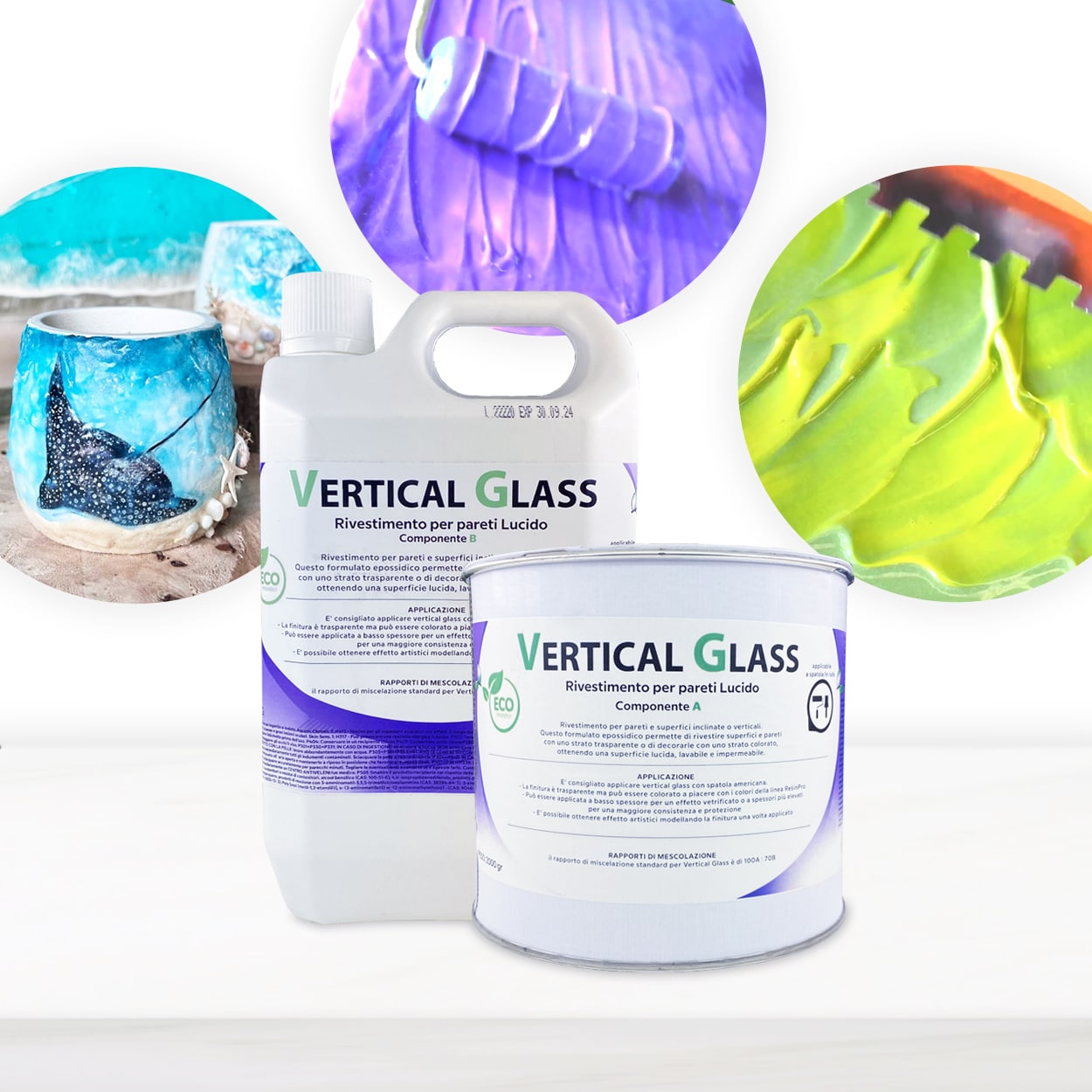

Epoxy enamel has become the go-to finish for spaces where protection from moisture and hygiene are crucial. It’s valued for the way it creates a tough, water-repellent, and mould-resistant barrier that works particularly well in damp-prone settings.
How Epoxy Enamel Handles Water and Mould
Once epoxy enamel is fully cured, it forms a continuous, non-porous layer that stops water from seeping in. This makes it an effective waterproofing agent, well suited to bathrooms, kitchens, wetrooms, and any area exposed to spills or humidity. In addition, its sleek surface naturally resists mould and mildew growth since there are no easy places for spores to take hold.

Practical Guidance for Application
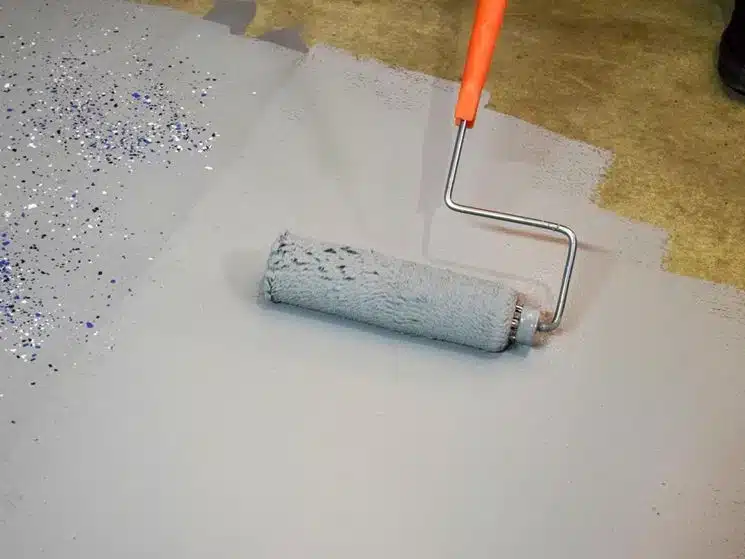
To achieve optimal waterproof and mould-resistant performance, careful surface prep is key. Begin by priming with a compatible product such as the “Epoxyprimer” – Universal Water-Based Two-Component Epoxy Floor Primer to ensure strong bonding. Apply the epoxy enamel using a roller, brush, or spatula in thin, even coats, allowing each layer to cure fully before moving on. This step-by-step approach results in enhanced durability and resistance to moisture intrusion.
When This Matters Most
- Renovating or refreshing bathrooms and wetrooms to prevent water damage
- Protecting splashbacks or countertops in kitchens
- Updating showers, utility rooms, or commercial wash areas where damp is a concern
Related products
Related guides
Epoxy enamel’s ability to deter water ingress and mould makes it a smart investment for hygienic, easy-care finishes in both domestic and commercial environments. For more ideas on where epoxy enamel can be used, visit our main guide.