 Free shipping on orders over £29,85
  Shipping Tracking!


 Google
 Facebook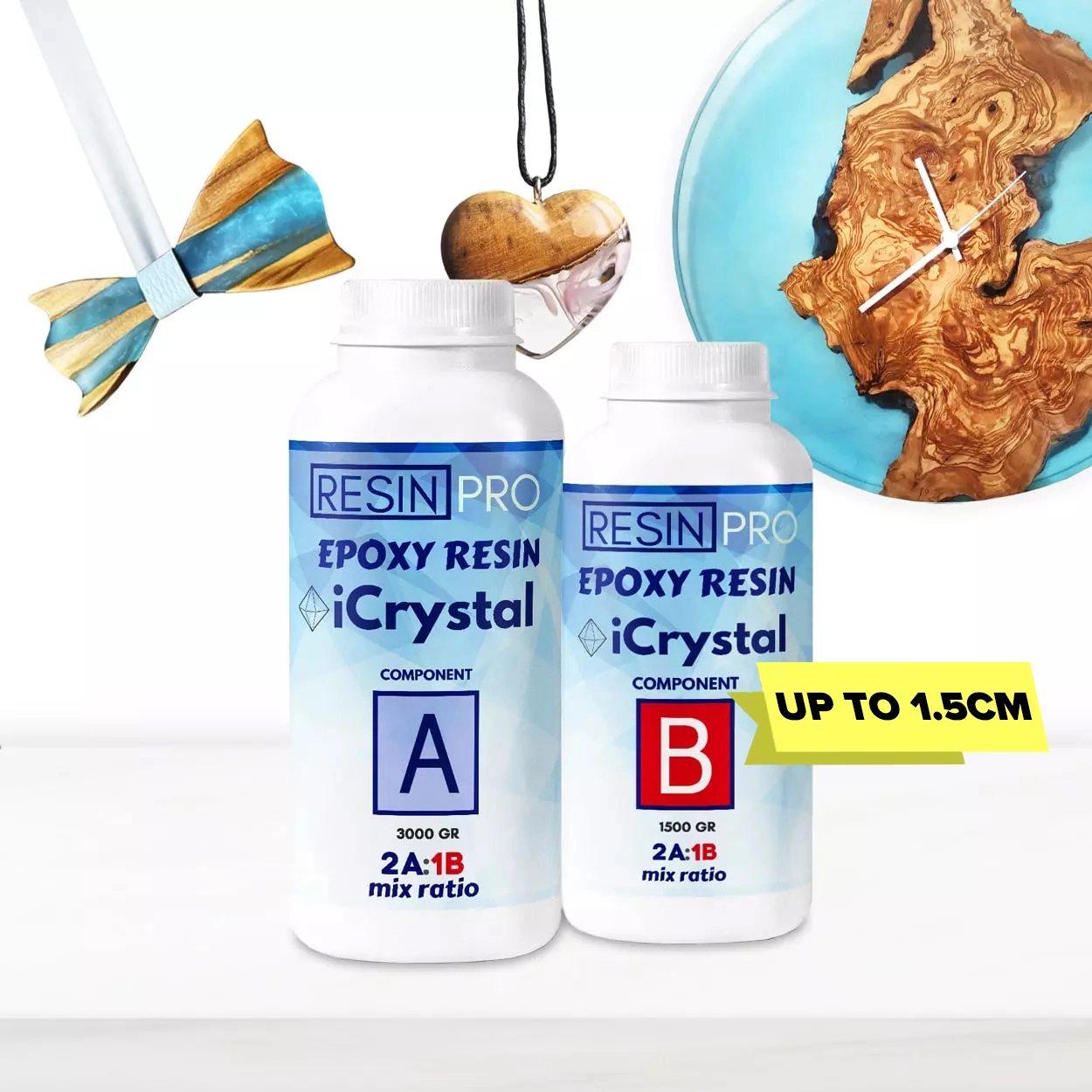
Choosing between epoxy, polyurethane and mineral (water-based) resins can be confusing if you’re new to resin crafts. Each type offers specific advantages depending on your creative goals or project requirements.
Epoxy Resins: Clarity and Versatility
Epoxy resins such as Icrystal are renowned for their crystal-clear finish, making them the top choice for artistic pieces, jewellery, and unique table tops. These resins can be poured in layers, giving depth and a glass-like look. Epoxy works well for coatings and projects where transparency and gloss are important. However, some can require long curing times and are better used in well-ventilated spaces.
Polyurethane Resins: Speed and Detail
Polyurethane resins like “IWhite” excel in projects where speed and precision are essential. They cure rapidly, often within 30 minutes, and flow easily into fine moulds, capturing detailed features. Polyurethane is popular among model makers and crafters who need fast turnaround or wish to avoid longer epoxy cures. These resins are also colourable both before and after curing, expanding your creative options.
Mineral and Water-Based Resins: Eco and Safety Focus
Mineral-based resins, such as “NatuResin”, use water activation instead of traditional chemical hardeners. This makes them a safer, non-toxic, and solvent-free alternative, ideal when working with children or in confined areas. They are designed for crafts, decorative objects, and small homeware where minimising exposure to chemicals is important. While they may lack the depth or clarity of epoxies, they provide a ceramic-like finish suitable for indoor and outdoor decor.
When This Matters
- If you’re creating statement art or tabletops that require deep, glass-like clarity—epoxy is hard to beat.
- For quick, small-scale prototypes or intricate castings, polyurethane’s rapid set time and fine detail capture stand out.
- If safety, sustainability, or easy clean-up are your priority, mineral-based resins offer a practical solution for crafting with minimal fuss.
Related products
Related guides
Your ideal resin depends on the project and your priorities—whether it’s clarity, speed, or safety. To learn more about resin chemistry and common questions, visit our main What causes resin? guide.