 Free shipping on orders over £29,85
  Shipping Tracking!


 Google
 Facebook
← Back to How to achieve the same effect as two-component resin?
Mixing resins properly is fundamental to achieving professional results, whether you’re creating jewellery, coating artworks, or working with 3D prints. Each type of resin has its own ratio and mixing requirements, which directly impact clarity, hardness, and durability.
Understanding Resin Mixing Ratios
Different resins require different mixing ratios, which must be measured accurately. For instance, many epoxy resins use a 1:1 ratio by volume, while others may need a ratio based on weight. Always refer to the manufacturer’s instructions, like with the One-2-One Epoxy Resin, which is designed for simple, equal-parts mixing by volume. Using the wrong ratio leads to issues such as tacky surfaces, reduced strength, or poor cure.
Mixing Technique: Steps to Success
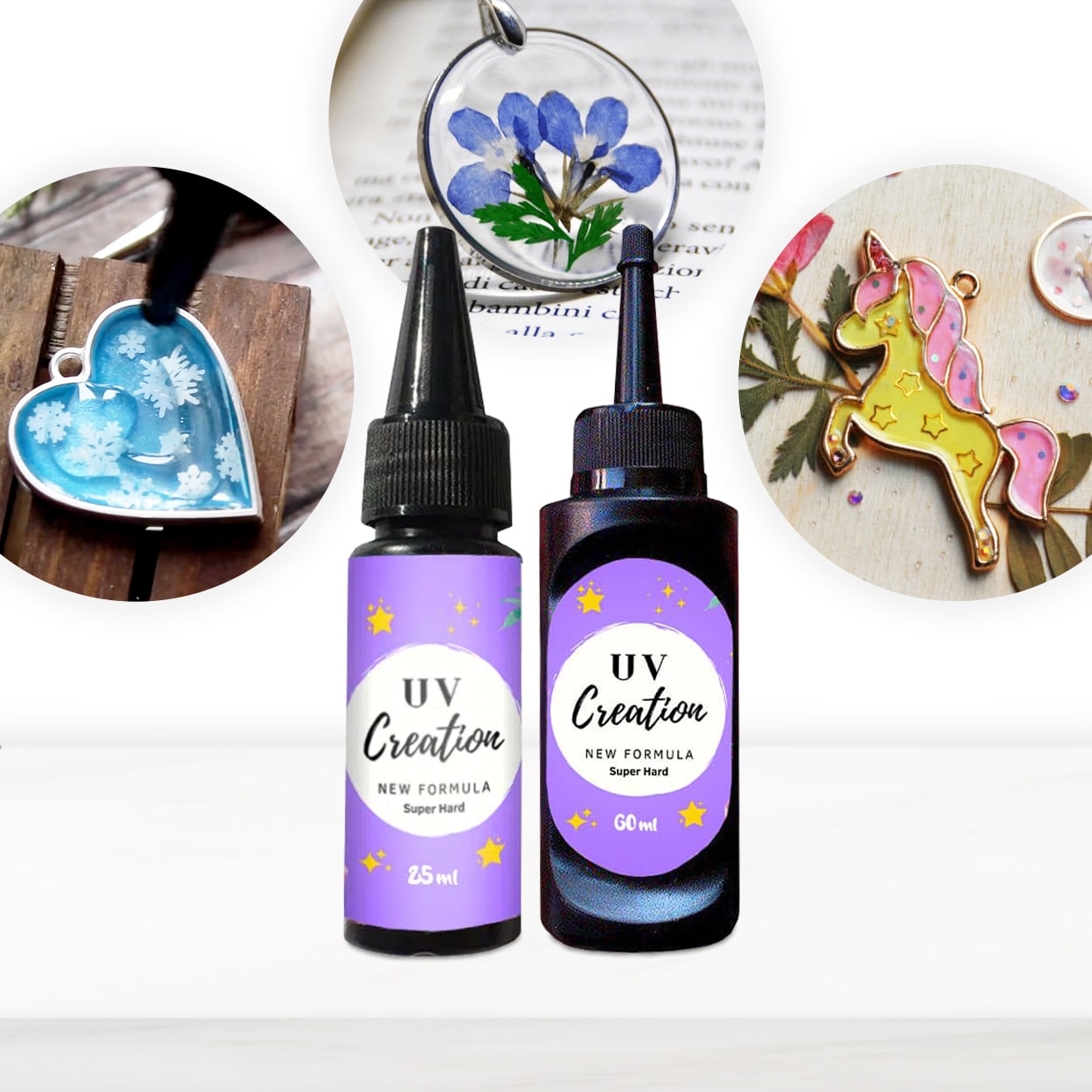
Avoid rushing through mixing – patience here will save headaches later. Pour measured parts into a clean container and blend them for the recommended time, usually 2–3 minutes. Scrape down the sides and base to make sure everything is incorporated. For products like UV–Creation Fast Acrylic Resin, no mixing is needed, but standard two-component types demand extra care.
- Use separate stirring sticks and containers for each project.
- Mix gently to minimise bubbles, but thoroughly for full reaction.
- Don’t mix more than you can use before the resin starts hardening.
When Mixing Accuracy Matters Most
Mixing instructions are especially crucial for detailed projects such as jewellery or thin coatings, where imperfections can’t be hidden. Fast-curing or specialist resins may also have unique requirements — not following these can affect clarity, gloss, or even safety during application and use.
Related products
Related guides
Carefully following resin mixing instructions ensures cleaner cures and longer-lasting results. For more on achieving effects similar to two-component resin, check our full guide at the main How to achieve the same effect as two-component resin page.