 Free shipping on orders over £29,85
  Shipping Tracking!


 Google
 Facebook
← Back to Everything You Need to Lay a Pebble Floor
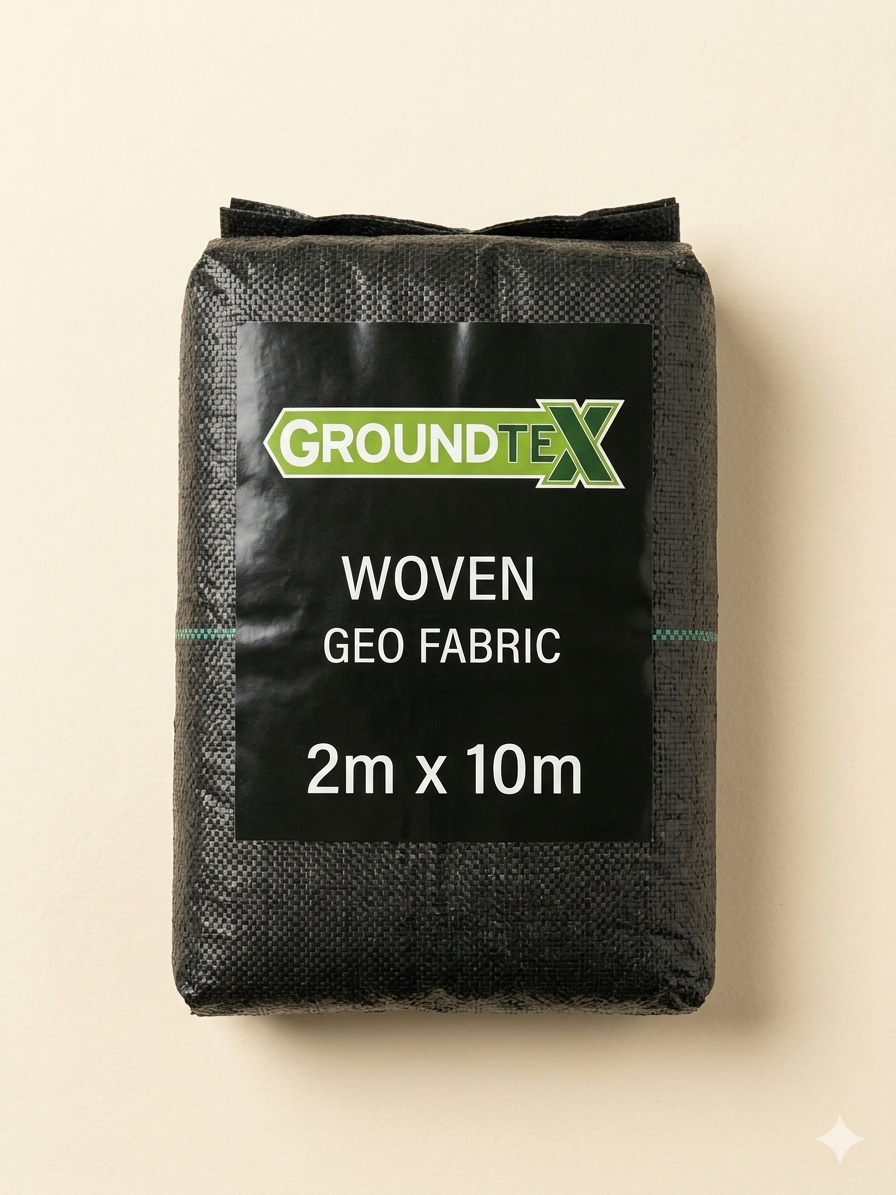
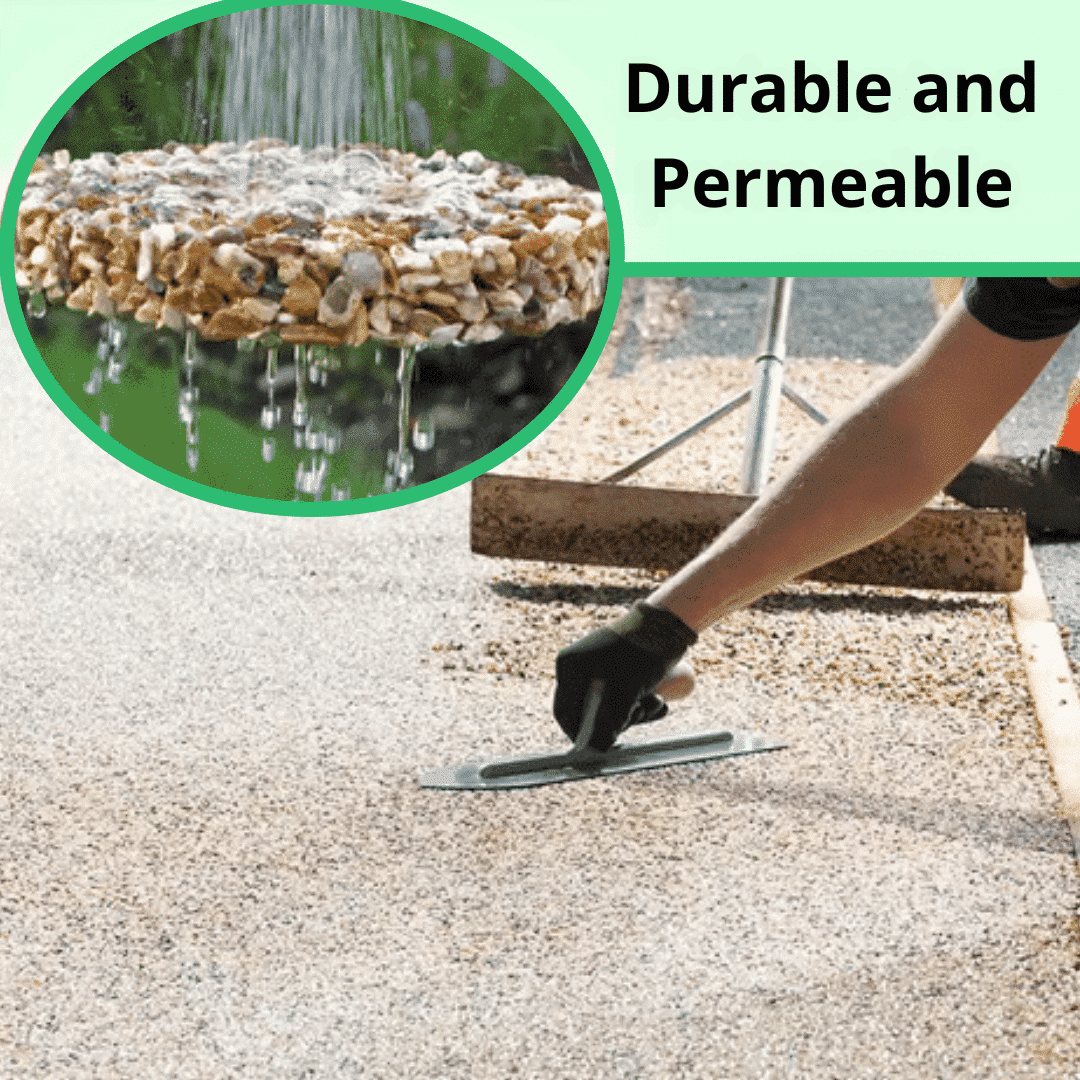
Proper ground stabilisation forms the backbone of any successful resin-bound or pebble floor installation, ensuring your decorative surface remains even, long-lasting, and free from movement-related issues.
Why Ground Stabilisation Matters
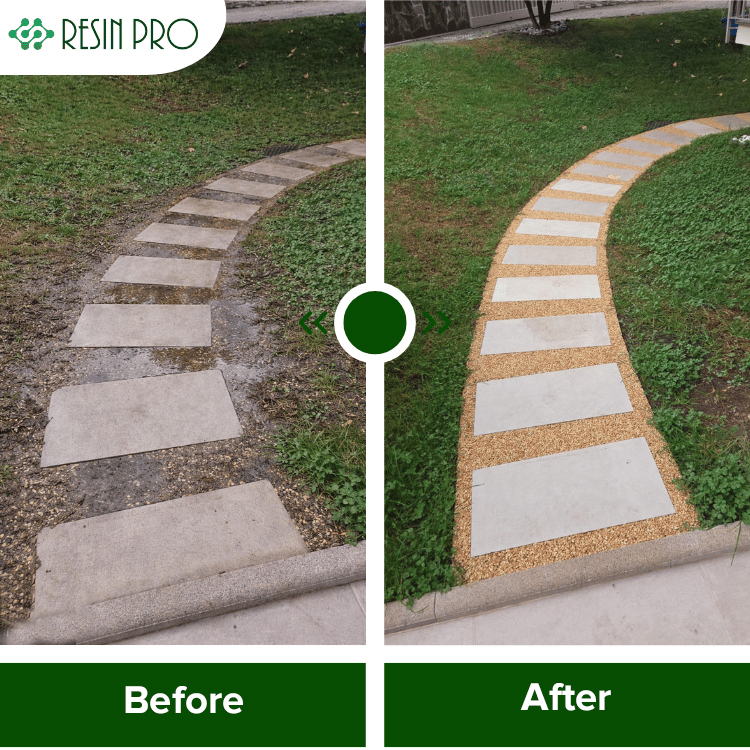
Laying a pebble or resin-bound surface directly onto unprepared ground poses significant risks, such as subsidence, uneven settling, or weed intrusion. Effective stabilisation creates a firm, uniform base, preventing future shifting or cracking in your outdoor floor. Weed membranes, like the Groundtex geotextile fabric, add both structural integrity and valuable weed control.
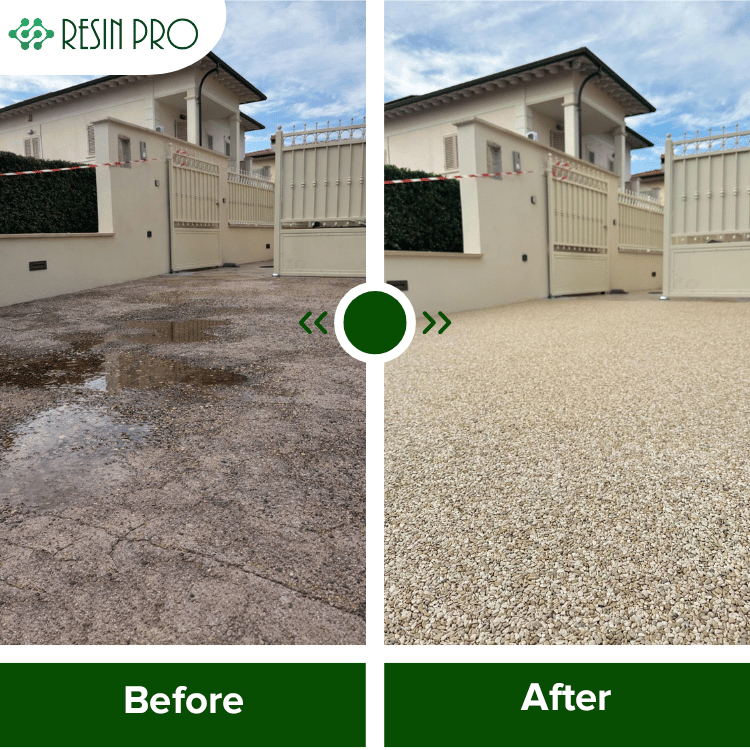
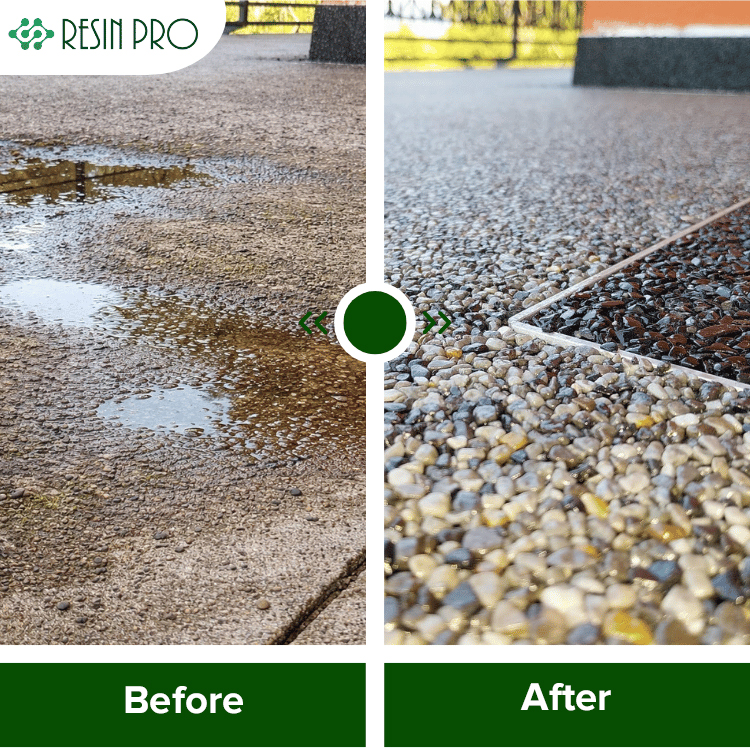
Practical Steps and Products for a Solid Base
- Substrate Preparation: Remove organic matter and loose soils. Compact the sub-base thoroughly using a plate compactor if available. For additional stability, lay and fix a heavy-duty woven weed membrane before applying gravel or sand.
- Membranes: Install a specialist geotextile, such as Groundtex, to suppress weeds and spread load evenly beneath your resin-bound layer. Overlap sheets by at least 10cm for consistent coverage.
- Priming: For areas requiring resin application over concrete, screed or tiles, use a suitable primer such as Epoxyprimer for enhanced adhesion and durability.
When Ground Stabilisation Is Especially Important
Stabilisation is crucial for driveways, patios, and footpaths that will face regular foot or vehicle traffic. It is also vital if your ground is particularly soft, uneven, or if you are renovating an old surface to create a reliable base before laying a new resin-bound system like the Flowstone Complete Kit.
Related products
Related guides
Taking the time to create a firm, stable foundation will help your pebble floor system look better and last longer. For a complete overview of prepping, laying, and finishing your surface, continue exploring our guide: Everything You Need to Lay a Pebble Floor.