 Free shipping on orders over £29,85
  Shipping Tracking!


 Google
 Facebook
How do I choose slip resistant resin bound gravel?
Essential guidance for selecting safe, decorative and durable resin bound surfaces


Slip resistant resin bound gravel is a popular solution for driveways, pathways, patios, and public spaces in the UK, offering both decorative flair and practical safety. With a range of products available, making the right choice depends on your desired look, long-term durability, and the unique requirements of your project. In this guide, we compare and explain all key options available at ResinPro, helping DIYers and professionals alike find the most suitable resin, gravels, and accessories.
Explore the differences in binder types, resin compatibility, colour customisation, and tools that can make your installation smoother and your surfaces safer.
Resin Bound Gravel: Comparison Overview
Choosing the right slip resistant surface involves understanding the compatibility between your selected aggregate and the type of resin binder. The two most common binder systems—epoxy and polyurethane—each bring distinctive strengths:
- Epoxy binders: Ideal for coloured and dark aggregates, maintaining clarity and providing excellent UV stability.
- Polyurethane binders: Best suited for white stones or areas exposed to strong sunlight, with superior non-yellowing performance and resistance to weather and chemicals.
Additionally, product-specific features such as permeability, anti-slip characteristics, and customisable finishes can further influence your choice and installation process.

See Resin Bound Kits and Binders in Action
Discover transformations from ordinary driveways to stunning, non-slip surfaces using the Flowstone kit or resin binders. Our gallery illustrates a wide range of colour, finish, and aggregate options. Notice how effective installation and the right tools, such as safety grip gloves, contribute to a flawless, safe result.
Frequently Asked Questions
Which gloves are suitable for working with resin materials?
PU coated gloves are commonly used for resin art projects as they provide enhanced grip and protection for hands.
What types of resin do you offer for flooring?
We offer resins for industrial cement-based floors, coloured self-levelling floors, garage floors, permeable pebble flooring and tile coatings.
Are specific weather conditions required for resin application?
Yes, resin application requires specific climatic conditions to ensure proper adhesion and curing. It is advisable to avoid very low or very high temperatures and high humidity.
What is a permeable floor?
A permeable floor is a surface designed to allow rainwater to pass through it, preventing water stagnation and reducing the risk of flooding. It is made of a special mix of granules and resin, allowing optimal water dispersion into the subsoil.
Can I install a permeable floor myself?
Absolutely. Application is simple and quick and does not require specific skills. For large surfaces, using a cement mixer is recommended to make mixing granules and resin easier.
Can I use this mould to create items requiring heat resistance?
Yes, when used with heat-resistant resin and allowed to fully cure, it can withstand temperatures up to 210°C, useful for heat-resistant resin items.
What type of resin binder is recommended for coloured or natural-tone stones?
For coloured or natural-tone stones, an epoxy binder such as "Trasparente" or Epoxy Binder 100:60 is commonly used, applied in a resin to stones ratio of about 3% by weight.
How to reinforce already laid resin gravel?
Lift the top layer, mix stones with resin binder then re-lay and compact for long-term stability.
What Makes a Resin Bound Surface Slip Resistant?
Slip resistance in resin bound gravel surfaces is achieved through the careful selection of aggregate size, binder type, and installation technique. Permeability is also crucial: a surface that allows water drainage, as offered by the “Flowstone” kit, helps prevent puddles and ice formation—major contributors to slip hazards. Choosing the correct binder is equally important; for white stones, a polyurethane binder like “Polirock” maintains anti-slip and anti-yellow properties even under UV exposure, while epoxy binders such as “Trasparente” yield a secure finish on coloured pebbles. Textured finishes, achieved by controlling granule size and scatter during application, further enhance grip for both pedestrians and vehicles.
Don’t overlook accessories and correct use of tools; the PU Coated Safety Grip Gloves not only protect your hands but also improve material control, particularly when combining fine and coarse gravels for a balanced, non-slip finish.
Essential Tips for Slip Resistant Resin Surfaces
Maximise grip and durability by mixing the appropriate ratio of binder to aggregate, choosing the right granule size, and working in suitable weather. Always wear safety grip gloves for precision and protection. For creative touches, try incorporating unique shaped inserts using our silicone crafting moulds.

Advantages of Choosing ResinPro for Your Project
ResinPro’s comprehensive line-up covers all essential needs for slip resistant resin bound gravel projects. You can combine the convenience of a Flowstone kit with specialist binders like Trasparente or Polirock tailored to your aggregate choice. All binders offer technical guidance for optimal mixing and curing. Accessories, including safety gloves and crafting moulds, help you achieve professional standards across diverse applications.
Simple instructions, multiple size options, and durable results make ResinPro the go-to source for both DIYers and professionals. For a creative edge or personalised touch, browse our artistic-design-moulds-coasters or the Pebble Floors category.
- PU Coated Safety Grip Gloves for Resin Art and Woodworking – 1 Pair£2.95PU Coated Safety Grip Gloves offer superior grip and comfort for resin art and woodworking projects in this slip resistant resin bound gravel theme.
- "Flowstone" – Complete Permeable Floor Kit with Pebbles and ResinPrice range: £42.85 through £3,389.85Flowstone kit offers a durable, permeable pebble and resin system with easy application and a customisable finish.
 Silicone Mould Model "With Edges" – 120x252mmOriginal price was: £8.85.£8.25Current price is: £8.25.Silicone Mould Model "With Edges" is a flat mould designed for crafts, suitable for artistic resin creations with a professional finish.
 Silicone Mould for Circular Cutting Board – 14.3×10.5cm£6.85Silicone mould designed for crafting circular cutting boards; smooth, reusable and compatible with heat-resistant resin.
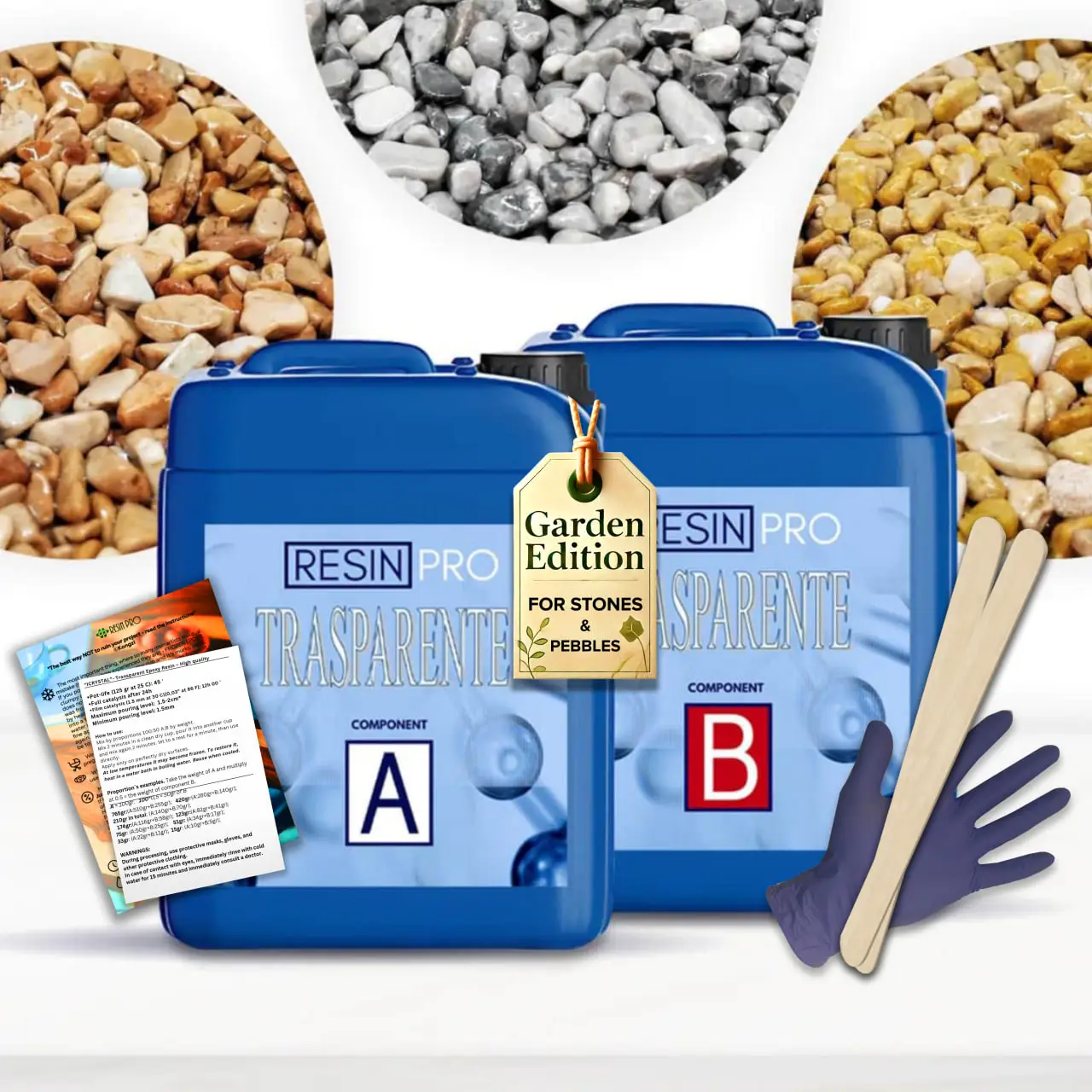 "Trasparente" – Epoxy Binder for Coloured Pebbles and GritsPrice range: £31.85 through £948.85"Trasparente" is a transparent epoxy binder suitable for coloured pebbles and grits, designed for clear finishes and UV stability within slip…
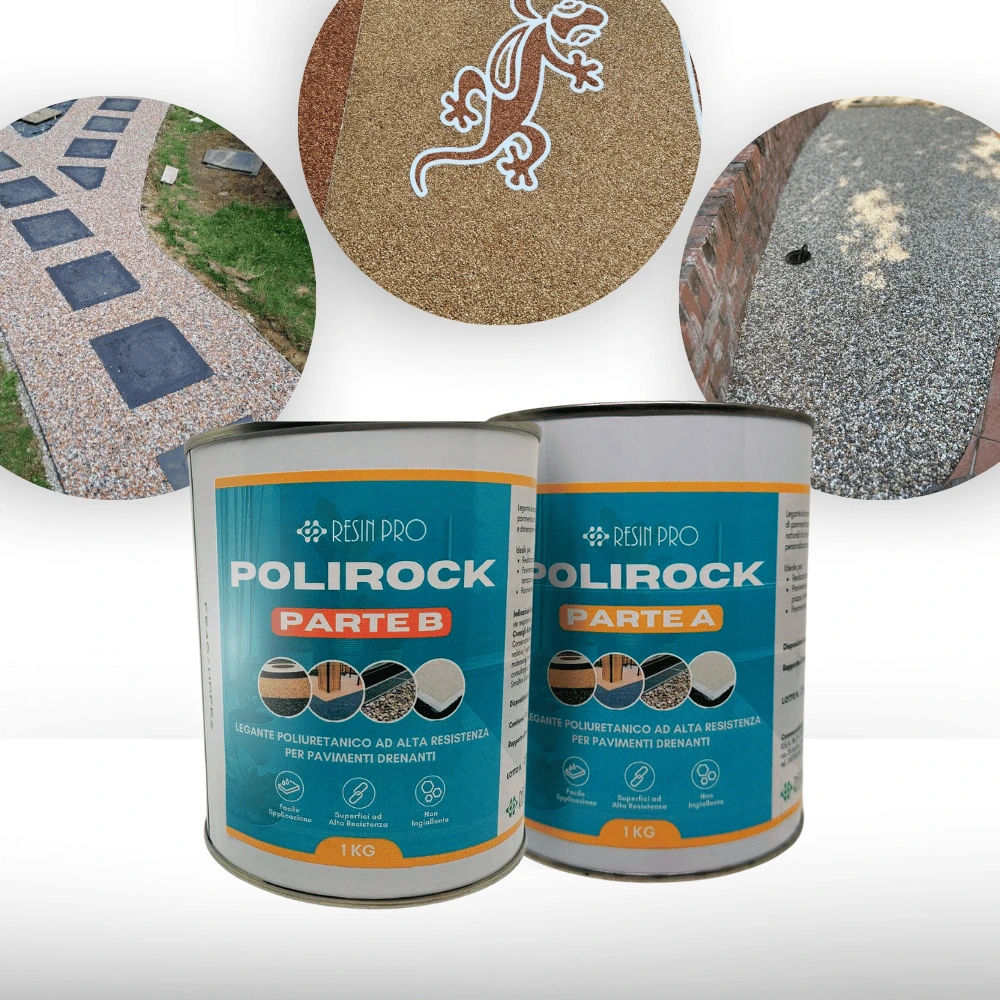 "Polirock" – Polyurethane Binder for White Stones, 2kg Two-Component Kit£58.85POLIROCK is a two-component polyurethane binder suitable for durable, anti-slip, decorative outdoor surfaces with white stones.
Frequently Asked Questions
Which gloves are suitable for working with resin materials?
PU coated gloves are commonly used for resin art projects as they provide enhanced grip and protection for hands.
What types of resin do you offer for flooring?
We offer resins for industrial cement-based floors, coloured self-levelling floors, garage floors, permeable pebble flooring and tile coatings.
Are specific weather conditions required for resin application?
Yes, resin application requires specific climatic conditions to ensure proper adhesion and curing. It is advisable to avoid very low or very high temperatures and high humidity.
What is a permeable floor?
A permeable floor is a surface designed to allow rainwater to pass through it, preventing water stagnation and reducing the risk of flooding. It is made of a special mix of granules and resin, allowing optimal water dispersion into the subsoil.
Can I install a permeable floor myself?
Absolutely. Application is simple and quick and does not require specific skills. For large surfaces, using a cement mixer is recommended to make mixing granules and resin easier.
Can I use this mould to create items requiring heat resistance?
Yes, when used with heat-resistant resin and allowed to fully cure, it can withstand temperatures up to 210°C, useful for heat-resistant resin items.
What type of resin binder is recommended for coloured or natural-tone stones?
For coloured or natural-tone stones, an epoxy binder such as “Trasparente” or Epoxy Binder 100:60 is commonly used, applied in a resin to stones ratio of about 3% by weight.
How to reinforce already laid resin gravel?
Lift the top layer, mix stones with resin binder then re-lay and compact for long-term stability.