 Free shipping on orders over £29,85
  Shipping Tracking!


 Google
 Facebook
How do I prepare exterior concrete for resin?
Essential guide for a strong, long-lasting resin surface outdoors
Preparing exterior concrete is the crucial foundation for a durable, long-lasting resin finish in spaces like driveways, patios, and garden paths. This guide covers the essential process—from cleaning and repairs through priming—ensuring your resin application delivers exceptional results that withstand the UK climate.
What You’ll Need
- “Epoxyprimer” – Universal Water-Based Two-Component Epoxy Floor Primer: For maximising adhesion on concrete and preventing delamination.
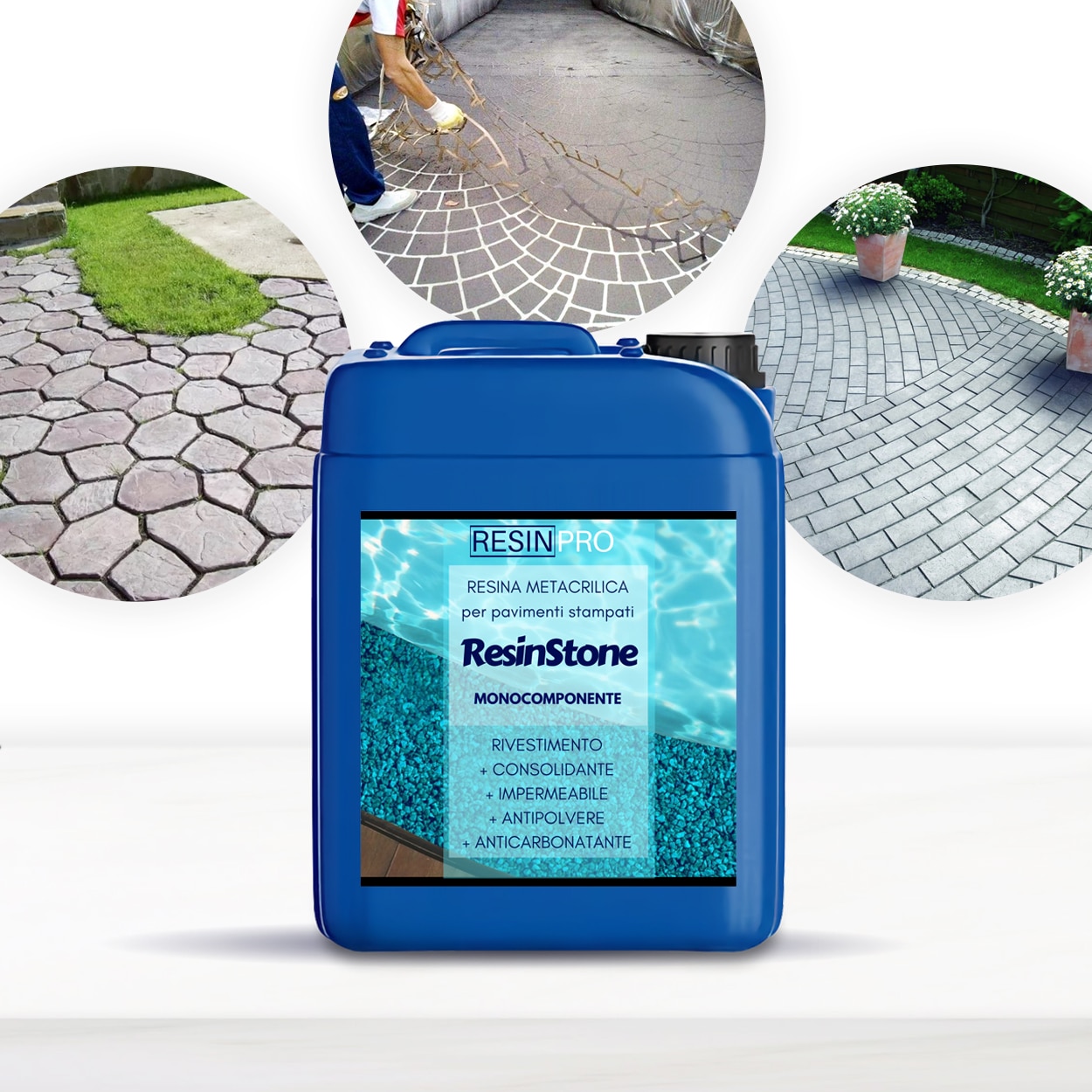
- “Resinstone” – One-Component Methacrylic Resin for Concrete Floors and Driveways: To seal and protect absorbent surfaces as part of prep, if additional waterproofing is needed.
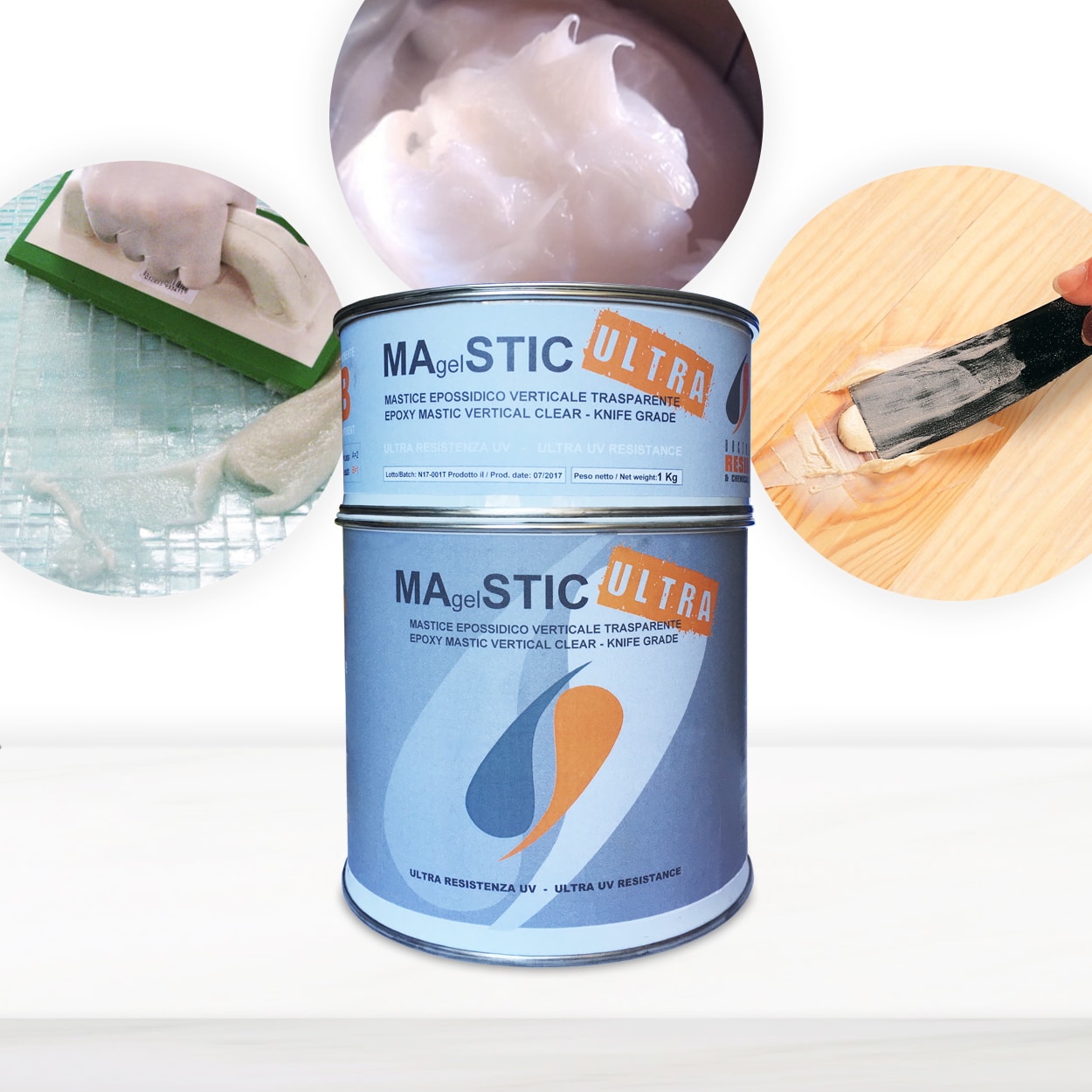
- “Magelstick” – Epoxy Mastic for Stone, Metal, and Cement Bonding and Grouting: For filling cracks and repairing defects in the concrete.
- Concrete cleaner or mild detergent
- Stiff broom and/or pressure washer
- Protective gloves and safety goggles
- Paint roller or brush

Visual Guide to Cleaning and Defect Repair
Thorough cleaning and precise repair are the keys to great resin flooring. See the difference a spotless, crack-free surface makes when preparing exterior concrete for resin application. From removing visible debris to addressing deeper issues, attention to detail here sets the stage for lasting performance.
Step 1: Clean and Inspect the Surface
Cleaning is the first critical step. Begin by sweeping the concrete with a stiff broom to remove loose debris and dirt. If there are moss, lichen, or algae growths, use a pressure washer or scrub vigorously with a concrete cleaner to eliminate all organic material. Ensure any oil stains or ingrained grime are dealt with—it’s best to allow the surface to dry fully before proceeding.
Remove all dust, dirt, and vegetation before starting. Even small residues can hinder resin adhesion and lead to premature failure.
Once clean, inspect the concrete for significant cracks, flaking, or crumbling. Address these issues before moving on to ensure a solid, stable base for subsequent layers.
Step 2: Test for Moisture and Repair Defects
Exterior concrete is susceptible to trapped moisture. Tape a clear plastic sheet to the surface and leave it for 24 hours; if condensation appears underneath, wait until the concrete is fully dry. Moisture can jeopardise the curing and durability of the resin application.
Next, repair any cracks, pits, or holes. For structural repairs and filling defects, consider “Magelstick” – Epoxy Mastic for Stone, Metal, and Cement Bonding and Grouting. Its thixotropic, gap-filling properties and excellent weather resistance ensure a smooth, resilient base—even on vertical or awkward spots.
Check for moisture and cracks before applying resin. Only proceed once repairs are dry and the surface is sound.
Step 3: Prime the Concrete for Resin
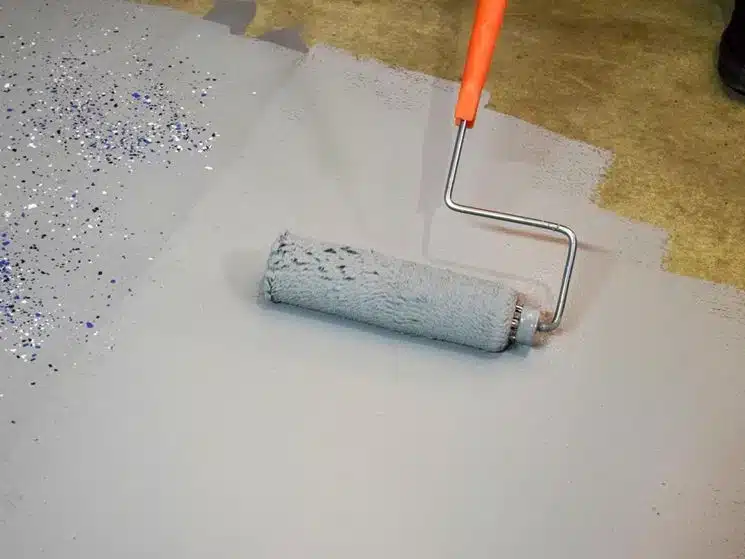
Priming the concrete optimises adhesion, especially important for exterior installations. Use “Epoxyprimer” – Universal Water-Based Two-Component Epoxy Floor Primer for this step. Apply with a roller or brush, ensuring full coverage while avoiding puddling. This primer is suitable for concrete and offers odourless, eco-friendly performance with robust bonding properties.
If additional waterproofing is needed—such as for very porous or exposed concrete—apply “Resinstone” – One-Component Methacrylic Resin for Concrete Floors and Driveways after the primer. Allow each coating to fully cure according to product instructions before proceeding, as premature application of resin can result in uneven finish or adhesion loss.
Step 4: Final Surface Preparation and Readiness Check
Inspect the primed surface: it should be even, sealed, dry, and free of dust or contamination. Any tackiness or soft spots require additional curing time. Lightly sand any rough areas or imperfections if needed, then vacuum away residue with a clean, dry brush or hoover—avoid getting the surface wet.
This step ensures the concrete is fully prepared for your resin floor, decorative coating, or pebble-bound system. Quality preparation dramatically reduces the risk of bubbling, poor adhesion, and premature failure.

Tips and Common Mistakes
Common errors include skipping cleaning, neglecting moisture checks, or misapplying primers. Take the time to use specialist primers for optimal adhesion and durability; generic products can result in poor bonding. Never rush drying stages, as trapped moisture or uncured patches lead to blistering and flaking later. Always follow the manufacturer’s cure times for all layers and avoid application in unsuitable weather.
Achieving Lasting Results with Proper Priming
Quality priming protects your project against the elements. Using a compatible primer locks down dust, enhances mechanical bonding, and shields against moisture. For exterior concrete, a specialist primer makes the difference between temporary and enduring resin finishes.

- "Epoxyprimer" – Universal Water-Based Two-Component Epoxy Floor PrimerPrice range: £156.45 through £286.45Epoxyprimer is designed for preparing surfaces like concrete and timber with water-based epoxy for reliable adhesion and durability.
- "Resinstone" – One-Component Methacrylic Resin for Concrete Floors and DrivewaysPrice range: £36.71 through £336.48"Resinstone" is a one-component methacrylic resin designed for sealing and protecting concrete floors and driveways in exterior applications.
- "Magelstick" – Epoxy Mastic for Stone, Metal, and Cement Bonding and Grouting"Magelstick" is designed for professional bonding and grouting of stone, metal, and cement, supporting precise use in interior and exterior settings.
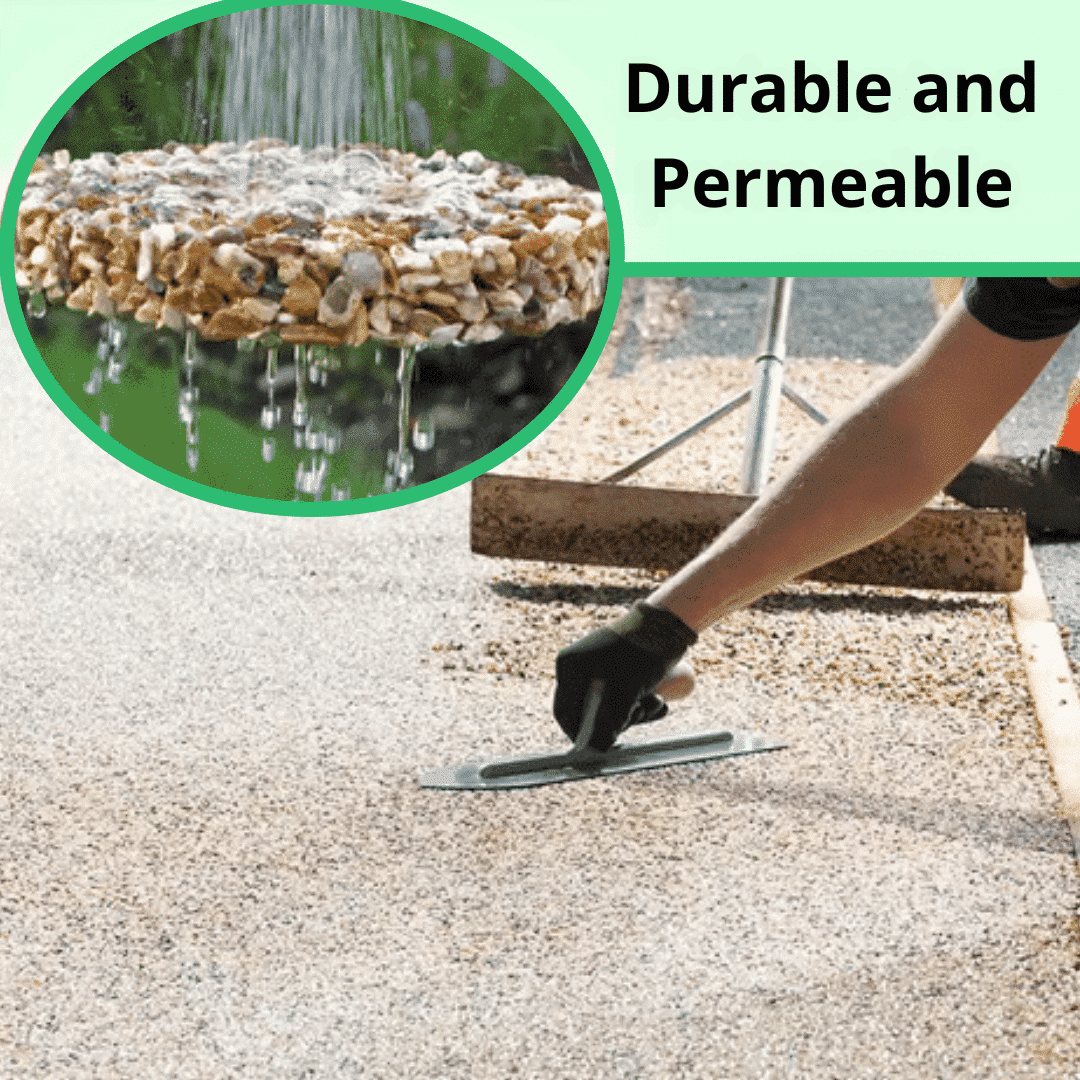 "Flowstone" – Complete Permeable Floor Kit with Pebbles and ResinPrice range: £49.95 through £3,915.45"Flowstone" kit provides a permeable pebble and resin flooring solution, suited for outdoor paths and driveways in the UK.
Frequently Asked Questions
Is "Epoxyprimer" suitable for priming outdoor concrete surfaces?
"Epoxyprimer" is designed for durable adhesion and is effective on exterior concrete when used as instructed.
How should I repair cracks or pits in exterior concrete?
Fill cracks and defects with a weather-resistant epoxy mastic and allow to cure before applying resin primers or coatings.
Why is testing for moisture in concrete important before resin application?
Excess moisture can disrupt resin curing and cause long-term failures, making testing and waiting for dryness essential.
What are the best conditions for applying resin to exterior concrete?
Apply resin during mild, dry weather, avoiding extreme heat, cold, and high humidity for best adhesion and cure.
Do I really need a dedicated primer for resin on concrete?
Specialist primers improve adhesion, reduce dusting, and help prevent delamination compared to universal or generic primers.
What should I do if the concrete surface is uneven before applying a primer or resin?
Sand any high points and fill low areas or cracks so the surface is flat, dry, and stable for resin application.