 Free shipping on orders over £29,85
  Shipping Tracking!


 Google
 Facebook
How do you apply epoxy paint?
Step-by-step epoxy painting for floors, tiles, and timber


Achieving a long-lasting, resilient, and attractive surface with epoxy paint requires careful preparation and application. Whether updating a garage floor, renewing kitchen tiles, or embarking on a creative timber project, applying epoxy paint properly ensures both beauty and durability. This guide walks you through every stage of the process, focusing on best practices for preparation, mixing, and application to help both DIYers and professionals achieve flawless results.
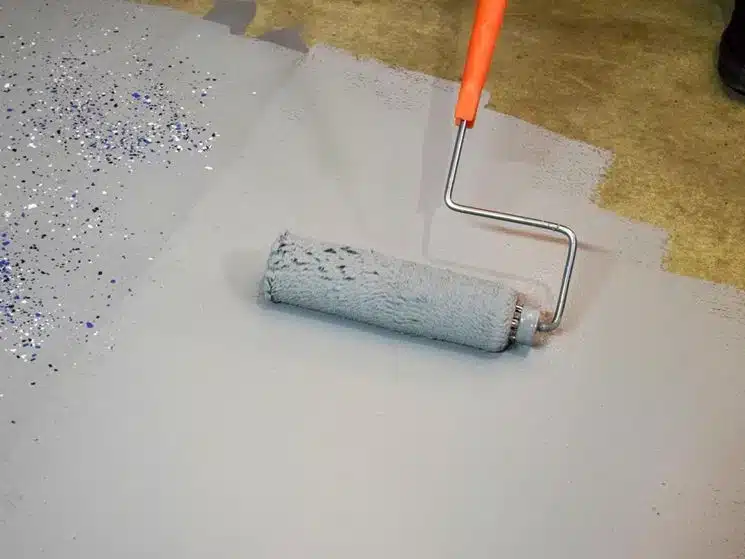
What You’ll Need
- “Epoxyprimer” – Universal Water-Based Two-Component Epoxy Floor Primer: A reliable primer for strong adhesion on concrete, ceramic, timber, screed, or tile surfaces.
- “Art Pro” – Clear Epoxy Resin for Artists and Surface Coating: High-gloss, durable epoxy suitable for surface coatings.
- Resin & Paint Application Rollers – Short-Pile, Large, and Sponge Types: Quality rollers for even, streak-free epoxy paint coverage.
- 12-Piece Artists Paint Brush Set for Epoxy Resin Art & DIY Projects: Versatile brush set for details, corners, and touch-ups.
- Protective gloves, mixing containers, masking tape, sandpaper or grinder, and suitable cleaning tools.

Visual Guide: Epoxy Paint Application Steps
See images of substrate cleaning, surface priming, and finished epoxy paint projects for each stage. Clear visuals help illustrate the transformation from unprepared surfaces to gleaming, durable finishes, giving you confidence to tackle your project.
Step 1: Prepare and Clean the Surface
Thoroughly preparing your surface is essential to ensure the epoxy paint adheres correctly. Start by removing any dirt, grease, oils, and existing coatings with suitable cleaners. For concrete, tiles, or timber, sand or grind the surface lightly to create a slightly rough profile—this allows better penetration and adhesion of the primer and epoxy paint. Vacuum up dust and wipe the area clean. Ensure the surface is dry before proceeding, as moisture can compromise bonding and lead to peeling or bubbling later.
Protect areas you do not wish to paint using masking tape. Cracks or holes should be filled and allowed to cure before continuing. Attention to preparation sets the stage for a robust, professional finish.


Step 2: Prime the Surface
For the best results, apply a quality primer to seal and enhance adhesion. Use a suitable primer for optimal adhesion. For floors, tiles, screeds, or timber, “Epoxyprimer” – Universal Water-Based Two-Component Epoxy Floor Primer is ideal—simply mix components according to the instructions and spread an even coat using a roller or brush. Make sure to cover all areas evenly and avoid pooling.
Allow the primer to cure fully (typically 24–48 hours, depending on conditions) before moving forward. Rushing this step reduces the final durability and appearance.
Step 3: Mix the Epoxy Paint Precisely
Preparing the epoxy paint involves mixing its components in exact ratio—often found in the instructions on your chosen kit. Mix epoxy paint precisely following ratios to avoid tacky finishes or weak spots. Pour the resin and hardener into a clean mixing container, blending thoroughly for several minutes until the mixture is uniform and streak-free.
Give the mixture another brief stir just before use. Only prepare the amount that can be applied in the working time (pot life) indicated by the manufacturer — this prevents waste and uneven results.


Step 4: Apply the Epoxy Paint Evenly
Begin by cutting in edges and corners using a small brush from a quality set like the 12-Piece Artists Paint Brush Set for Epoxy Resin Art & DIY Projects. Then, use a roller designed for resin, such as the Resin & Paint Application Rollers – Short-Pile, Large, and Sponge Types, to spread the epoxy paint across larger areas.
Roll in a ‘W’ pattern for even distribution, overlapping each stroke. Work in manageable zones to maintain wet edges and a smooth, glassy finish. For best results, aim for a consistent thickness as recommended for your product. Avoid re-rolling once the surface starts curing to prevent texture inconsistency.
Step 5: Allow to Cure and Apply Additional Coats
After applying the first coat, let it cure as specified (usually 12–24 hours). Inspect for any imperfections—lightly sand any uneven areas if necessary, then remove dust before applying a second coat, if required. Good ventilation speeds up curing and helps achieve a clearer finish.
Do not expose the freshly painted surface to heavy use or moisture until fully cured to safeguard against marks or damage.


Tips and Common Mistakes to Avoid
- Avoid working in damp or dusty areas—this can trap particles in the finish.
- Always ventilate the area well to minimise fumes and aid drying.
- Follow manufacturer curing times between each step.
- Always wear gloves and ventilate the area—epoxies can irritate skin or lungs if safety precautions are not taken.
- Plan your application route to avoid stepping on wet paint.
Expert Tips for Perfect Epoxy Paint Results
Close-ups display proper roller technique, even coverage, and detail work with brushes. Real project examples highlight the difference between smooth, well-prepped finishes and those affected by common errors, making best practices easier to follow.

- "Epoxyprimer" – Universal Water-Based Two-Component Epoxy Floor PrimerPrice range: £156.45 through £286.45"Epoxyprimer" is a water-based epoxy floor primer designed for reliable adhesion on various surfaces, suited to how epoxy paint is applied.
- "Art Pro" – Clear Epoxy Resin for Artists and Surface CoatingPrice range: £19.95 through £267.95Art Pro clear epoxy resin provides exceptional clarity and a durable, scratch-resistant surface suitable for artistic and surface coating…
- Resin & Paint Application Rollers – Short-Pile, Large, and Sponge TypesPrice range: £3.62 through £5.09Rollers designed for precise and even application on resin surfaces, suitable for various epoxy resin projects.
 12-Piece Artists Paint Brush Set for Epoxy Resin Art & DIY Projects£6.95A 12-piece brush set suitable for epoxy resin art, providing various shapes and comfortable handles for versatile application.
Frequently Asked Questions
Which primer should I use before applying epoxy paint?
A dedicated epoxy primer like "Epoxyprimer" ensures strong adhesion and helps seal porous surfaces for best results.
How long should I wait for the primer to cure?
Most epoxy primers require 24 to 48 hours of curing before applying epoxy paint. Always check the manufacturer's recommendations.
Can any roller be used for epoxy paint?
Use rollers specifically made for resin and epoxy paint to ensure even application and avoid shedding fibres into your finish.
How should I ventilate my workspace when using epoxy paint?
Keep windows open and use fans if possible to disperse fumes. Wearing a mask in confined areas is also wise.
Is a second coat necessary for epoxy paint?
Many surfaces benefit from two coats for maximum protection and gloss, but follow your product instructions for best advice.
How do I mix epoxy paint correctly?
Always follow manufacturer-stated mixing ratios exactly and mix thoroughly until the blend is even and streak-free.