 Free shipping on orders over £29,85
  Shipping Tracking!


 Google
 Facebook
How do you apply floor resin?
Step-by-step guide for priming, mixing, and finishing resin floors
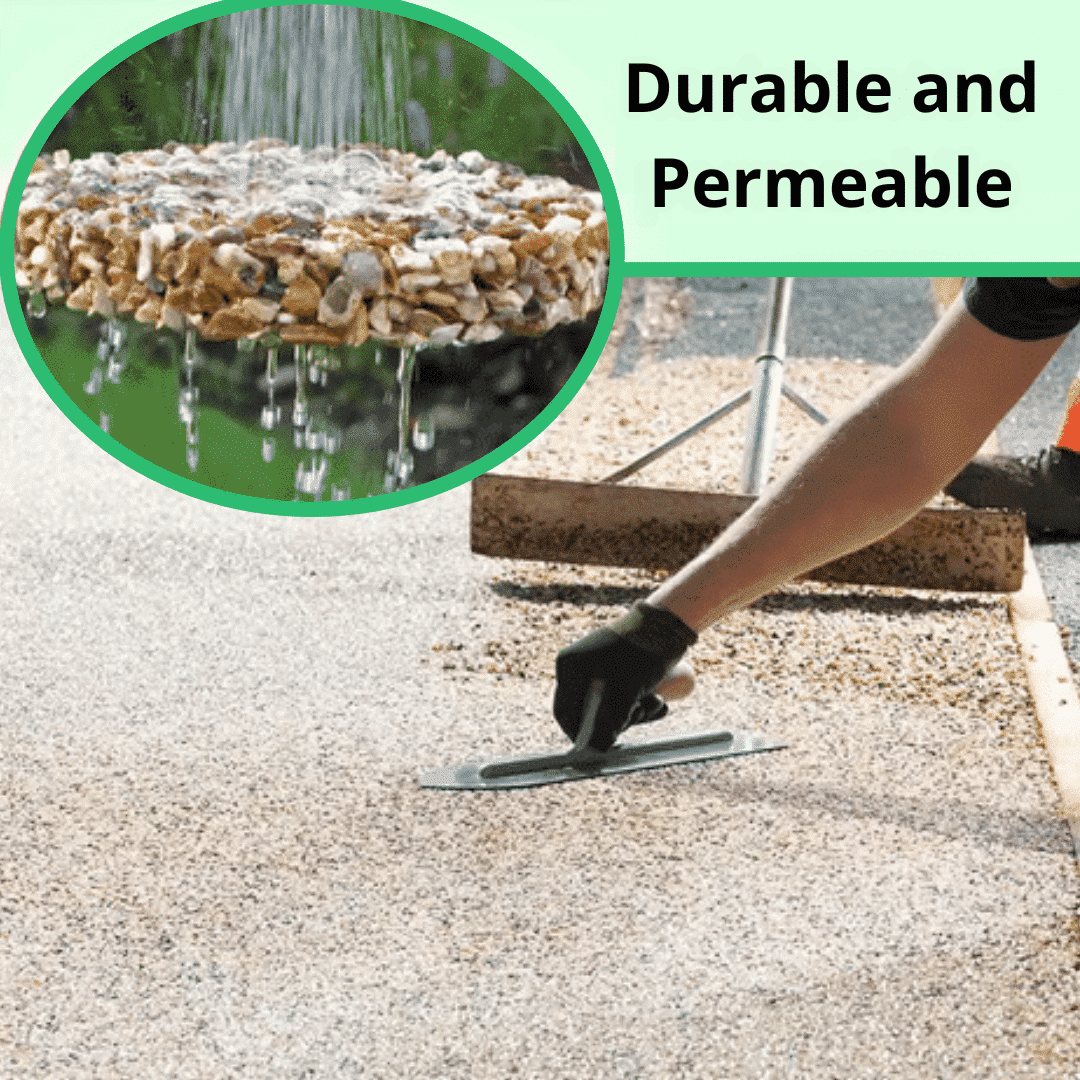
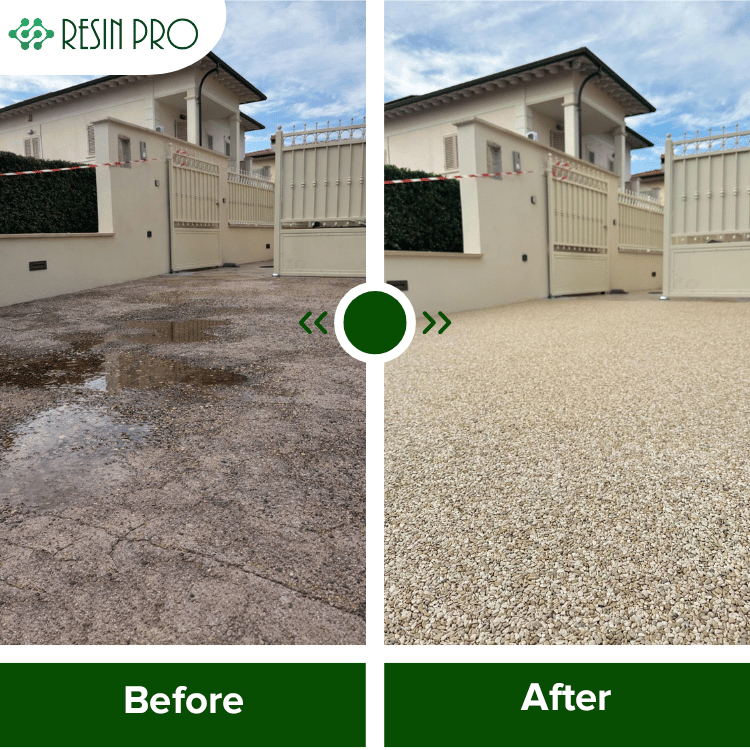
Applying floor resin creates attractive, seamless, and robust floors both indoors and out. Whether you’re refreshing a patio, protecting a garage, or installing a decorative driveway, following the correct method is vital for longevity and appearance. This guide will walk you through every step, ensuring you achieve a smooth, resilient resin floor that stands up to daily use and the British climate.
What You’ll Need
- “Epoxyprimer” – Universal Water-Based Two-Component Epoxy Floor Primer – enhances adhesion for concrete, tiles, timber, or screed.
- “Flowstone” – Complete Permeable Floor Kit with Pebbles and Resin – for permeable, decorative outdoor flooring.
- “Trasparente” – Epoxy Binder for Coloured Pebbles and Grits – for clear binding of decorative aggregates in permeable surfaces.
- “Resinstone” – One-Component Methacrylic Resin for Concrete Floors and Driveways – for sealing and protecting concrete substrates.
- Protective gloves, safety goggles, and suitable clothing
- Mixing containers and paddle or drill mixer
- Rollers, brushes, or spatulas for application
- Cleansing solvents and surface preparation tools (e.g., broom, vacuum, sander)
Visual Overview: Preparing, Priming, and Mixing Resin Floors
See the step-by-step preparation and application process. From cleaning the base to mixing resin with pebbles, visual guides highlight each stage for successful results. Correct preparation and priming lead to the most durable resin floors.
Step 1: Prepare the Substrate Thoroughly
Proper surface preparation is crucial for resin adhesion and longevity. Begin by removing dust, dirt, grease, oil, and any loose material from the floor — use a broom, vacuum, and degreaser as necessary. Old surfaces may benefit from sanding or mechanical abrasion to increase key and remove any weak or friable areas. Repair cracks or holes with appropriate fillers, ensuring a flat and solid base. Let the area dry fully before moving to the next stage to avoid trapped moisture, which can affect the curing process and final finish.


Step 2: Prime for Optimal Adhesion
Applying a dedicated primer helps bond the resin to the substrate and minimises the risk of bubbles or poor adhesion. For a wide range of surfaces including concrete, screeds, tiles, and timber, consider using “Epoxyprimer” – Universal Water-Based Two-Component Epoxy Floor Primer. Mix and apply the primer with a roller or spatula, ensuring even coverage. Allow 24–48 hours for the primer to cure thoroughly before proceeding. Skipping or rushing this step is a common mistake and can lead to premature failure of your resin floor.
Step 3: Mix and Apply the Resin System
When mixing your chosen resin, follow all instructions regarding ratios, temperature, and working time. If you are creating a decorative, permeable surface for outdoors, the “Flowstone” – Complete Permeable Floor Kit with Pebbles and Resin provides both the resin and aggregate with tailored guidance. For coloured decorative floors, “Trasparente” – Epoxy Binder for Coloured Pebbles and Grits ensures a UV-resistant, clear finish. Always add resin to the mixer before combining with pebbles or grits, mixing until all stones are fully coated. Spread the blend evenly onto the primed surface with a spatula or trowel, working in manageable sections before the resin sets. Maintain a consistent thickness and avoid overworking the resin.

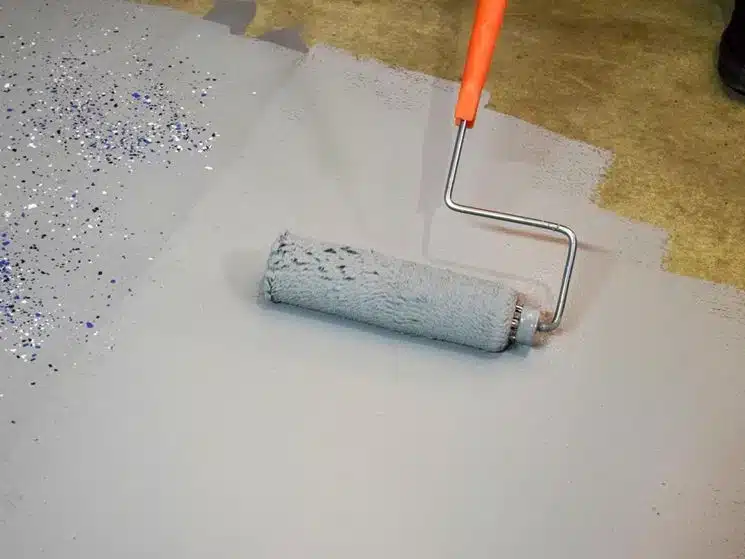
Step 4: Finish, Cure, and Protect
After applying the resin, protect the area from dust, rain, and debris during the curing time specified by the product used — typically from several hours to two days. For sealing standard concrete, “Resinstone” – One-Component Methacrylic Resin for Concrete Floors and Driveways can be applied by spray or roller for a waterproof, yet breathable barrier. Avoid foot or vehicle traffic until the surface is fully cured to ensure mechanical strength and a flawless finish. Finally, optionally apply protective topcoats as directed to extend the floor’s lifespan and maintain its appearance against heavy wear or sunlight.
Tips and Common Mistakes in Floor Resin Application
Check temperature and humidity before starting, as extreme conditions may affect curing and result in cloudiness or poor bonding. Always respect the recommended mixing ratios and curing times for both primer and resin. Never pour resin directly over loose gravel without mixing it — this can lead to poor encapsulation and reduced durability. For outdoor projects, plan for a dry weather window to avoid rainfall during curing. Take care with edge details and transitions to create a neat, joint-free finish. Safety is paramount — use gloves, goggles, and properly ventilate the area when handling resins and solvents.
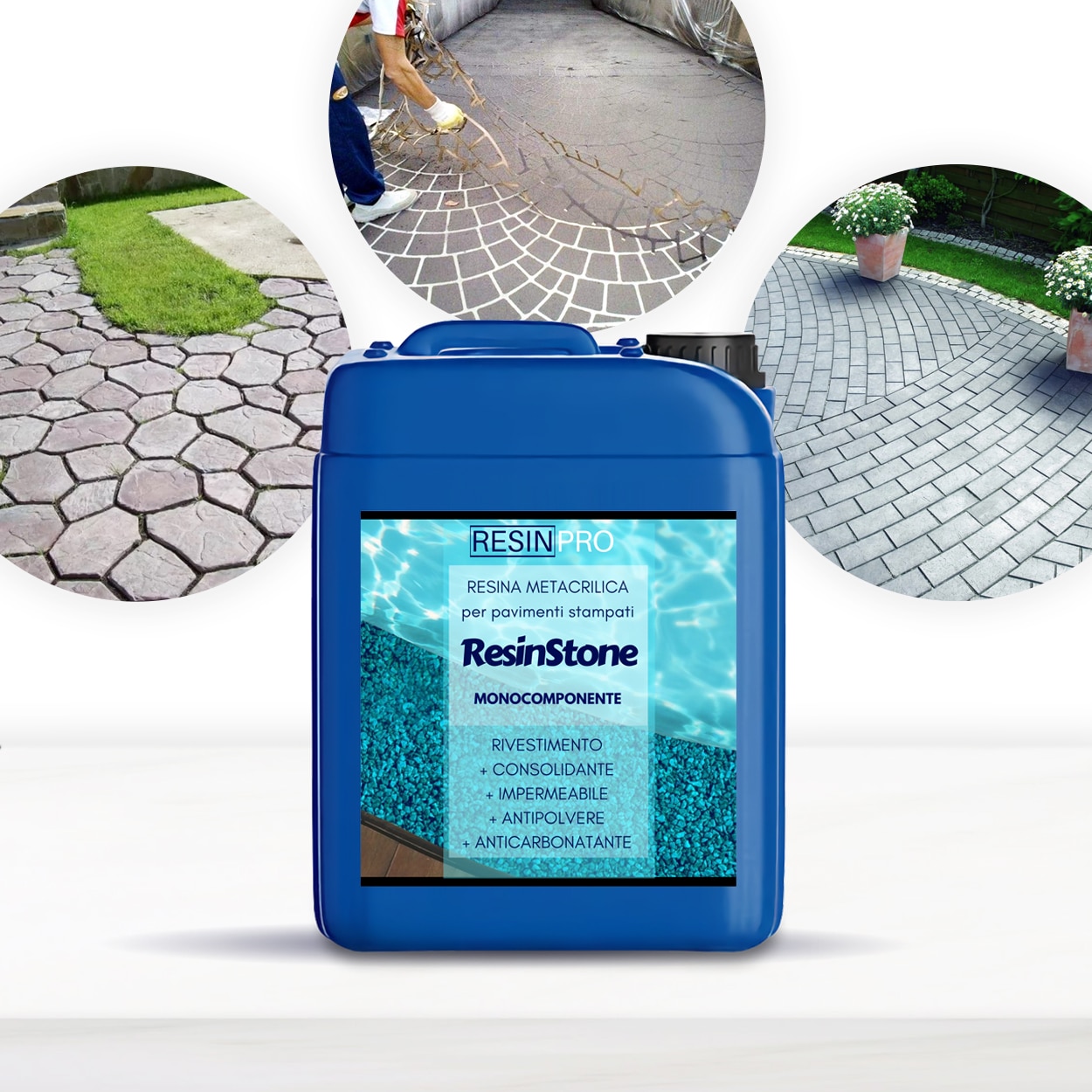
Technique Highlights and Project Inspiration
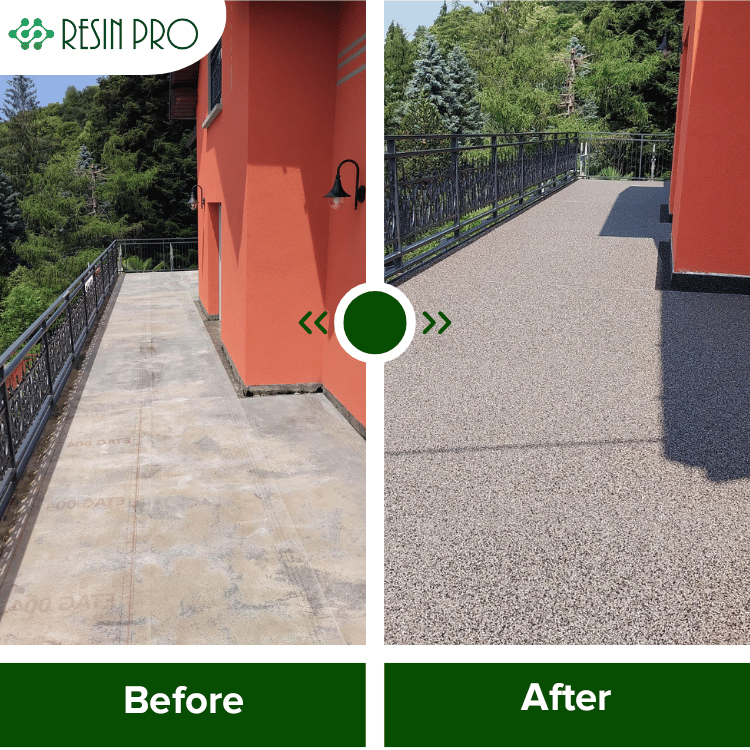
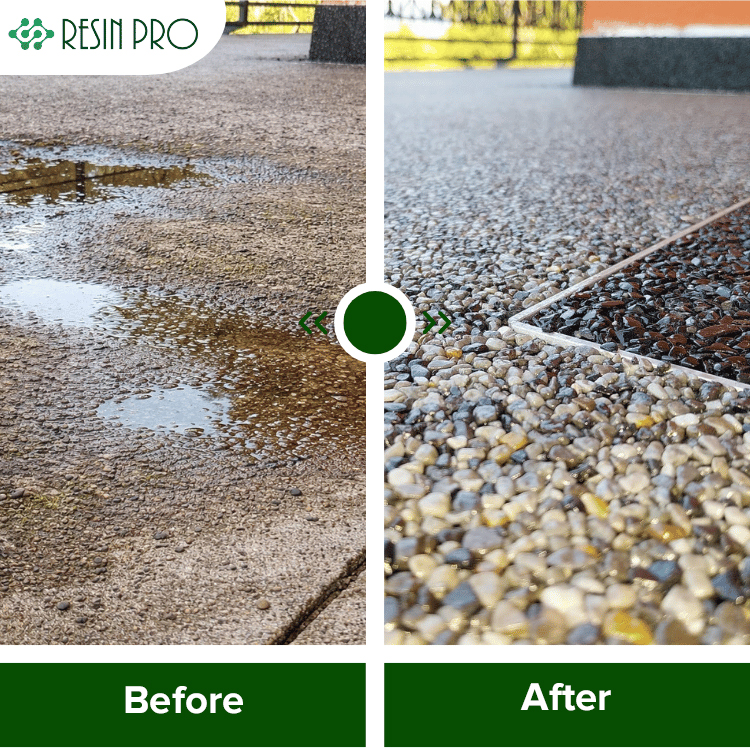
Explore resin floor finishes and project outcomes. See examples of decorative, permeable, and protected concrete surfaces achieved with the featured resins. Flowstone Complete Kit and other products deliver bespoke results tailored to your needs.
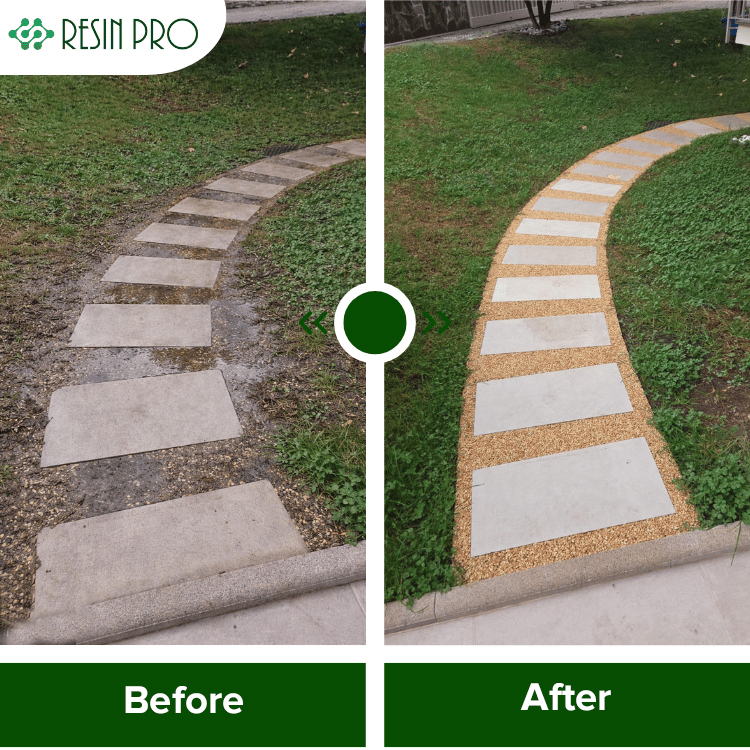
- "Flowstone" – Complete Permeable Floor Kit with Pebbles and ResinPrice range: £49.95 through £3,915.45The Flowstone kit offers a durable, permeable pebble and resin system for outdoor floors with detailed resin guidance for colour integrity.
- "Epoxyprimer" – Universal Water-Based Two-Component Epoxy Floor PrimerPrice range: £156.45 through £286.45"Epoxyprimer" is a water-based epoxy floor primer designed for durable adhesion on various floor surfaces, suitable for preparing floors before resin…
- "Resinstone" – One-Component Methacrylic Resin for Concrete Floors and DrivewaysPrice range: £36.71 through £336.48"Resinstone" is a one-component methacrylic resin designed for sealing and protecting concrete floors and driveways.
 "Trasparente" – Epoxy Binder for Coloured Pebbles and GritsPrice range: £33.45 through £397.95Clear epoxy binder designed for durable coloured pebble floors with UV resistance, suitable for driveways and paths.
Frequently Asked Questions
How should I prepare my surface before applying floor resin?
Thoroughly clean, repair, and dry the substrate to ensure optimal adhesion and a durable finish. Remove dust, grease, and loose material.
Is priming necessary before applying floor resin?
Yes, priming seals the substrate and enhances adhesion of the subsequent resin layer, helping to prevent bubbling and delamination.
How long does floor resin need to cure?
Curing times vary but generally range from 12 to 48 hours depending on product and conditions. Always check the product's guidance.
Can I use resin systems for driveways and patios?
Yes, suitable resins are designed for both indoor and outdoor floors, including driveways, patios, and footpaths.
What tools and safety gear do I need?
Essential items include rollers, mixing tools, protective gloves, goggles, and application containers. Ventilate the area and follow safety instructions.
Should I mix pebbles and resin directly on the surface?
No, always pre-mix the resin with aggregates in a container for even coating and proper structural integrity.