 Free shipping on orders over £29,85
  Shipping Tracking!


 Google
 Facebook
How do you apply resin for a blade floor?
Step-by-step guide for a flawless blade floor finish
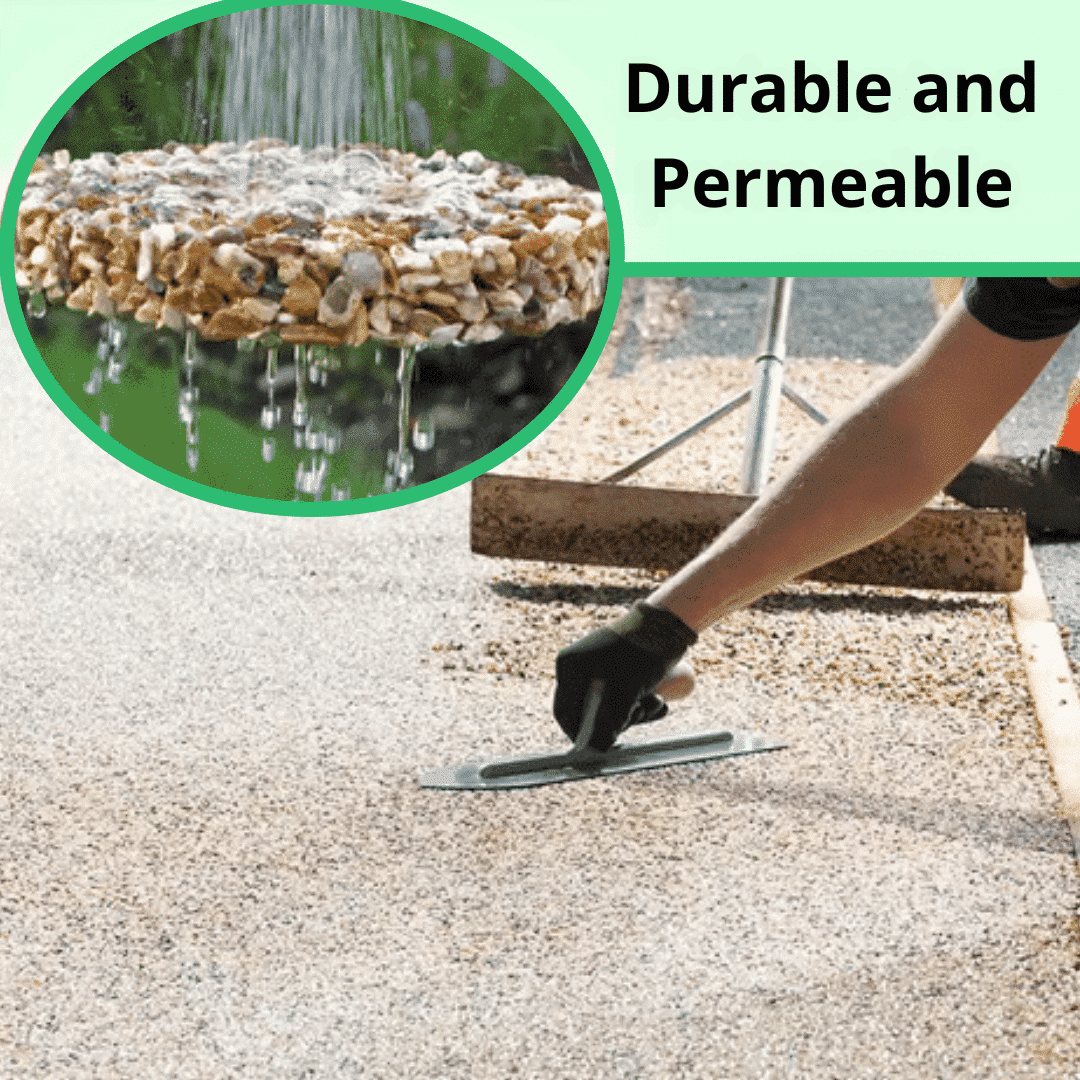
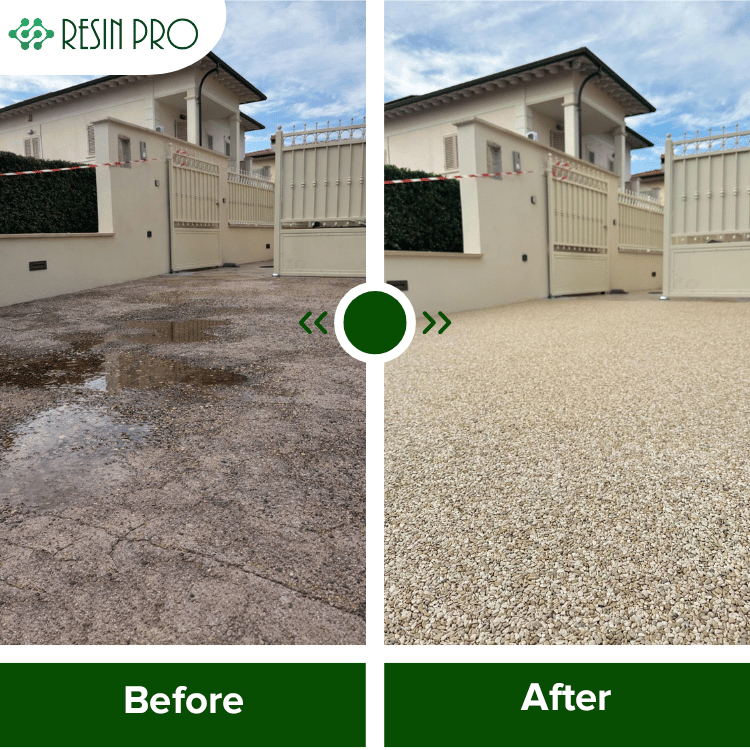
Achieving a high-quality blade floor finish with resin enhances the durability, visual impact, and weather-resistance of surfaces in both domestic and commercial environments. This guide walks you through the essential steps to correctly apply resin on a blade floor—whether you are working with concrete, pebbles, or decorative aggregates—helping you avoid common pitfalls and secure a long-lasting, flawless result.
What You’ll Need
- “Epoxyprimer” – Universal Water-Based Two-Component Epoxy Floor Primer – Best for preparing porous substrates like concrete or screeds before resin application.
- “Flowstone” – Complete Permeable Floor Kit with Pebbles and Resin – Ideal for those creating a draining blade floor with pebbles and resin.
- “Trasparente” – Epoxy Binder for Coloured Pebbles and Grits – Suited for decorative finishes using coloured or dark aggregate stones.
- “Resinstone” – One-Component Methacrylic Resin for Concrete Floors and Driveways – Recommended for sealing and protecting concrete surfaces.
- Personal protective equipment (gloves, goggles, mask if required)
- Mixing containers and spatulas or trowels
- Roller and brush for primer application
- Squeegee or magic trowel for blade technique
- Clean dustpan or vacuum, and detergent for surface cleaning

Resin Application Techniques for Blade Floors
Blade floors are celebrated for their seamless aesthetic and robust performance. The application process can vary depending on whether the surface is concrete, aggregate, or pebble-based. Using a high-quality primer and choosing the right resin system will optimise both durability and visual appeal. For permeable systems such as resin-bound pebbles, thorough mixing and careful application ensure long-term water drainage and resistance to weeds or frost.
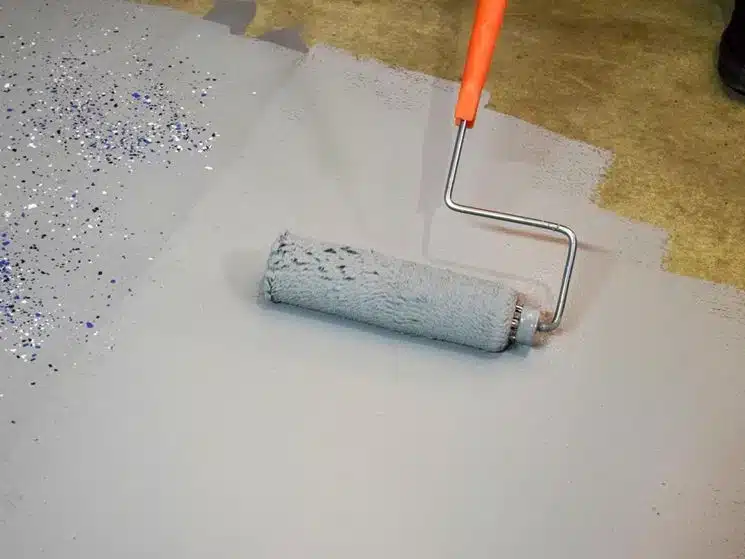
Step 1: Prepare the Substrate Thoroughly
Start by ensuring your floor is completely clean, dry, and free from dust, grease, or existing coatings that might interfere with adhesion. Remove all debris using a vacuum or dustpan, then wash the surface with a mild detergent and rinse well. Allow it to dry fully before moving forward—Cleanliness is crucial to preventing delamination or bubbling under the resin layer.
If applying to porous substrates such as concrete, screed, or wood, it’s best to use “Epoxyprimer” – Universal Water-Based Two-Component Epoxy Floor Primer as your initial layer. This creates an even, sealed surface, ensures maximum bonding, and reduces the risk of air bubbles rising during resin application.
Avoid excess moisture—measure humidity levels if in doubt, especially in basements or outdoor surfaces, as trapped moisture can result in surface defects or weak adhesion.
Step 2: Mix and Apply the Resin or Binder Evenly
Once primed and dried, prepare your resin in accordance with the product guidelines. For pebble or aggregate blade floors, mix the chosen resin thoroughly with clean, dry aggregate, ensuring full encapsulation. Use a mechanical mixer for larger quantities to achieve even distribution. For classic concrete blade floors, the correct resin (such as “Resinstone” for sealing or “Trasparente” for decorative effects) should be measured and mixed accurately as per instructions.
Pour or spread the mixed resin (or resin-aggregate blend) onto the substrate, using a squeegee, trowel, or magic trowel to create an even and smooth layer. For best blade floor results, apply the resin thinly and work in small sections to maintain control and consistent finish.
“Trasparente” – Epoxy Binder for Coloured Pebbles and Grits is ideal when you want a clear, UV-stable binder that showcases coloured aggregates. Adhere to the recommended resin-to-stone ratio (typically around 3% by weight) for optimal strength and surface cohesion.
If choosing a complete kit for permeable ground (like “Flowstone” – Complete Permeable Floor Kit with Pebbles and Resin), you will receive in-depth instructions for mixing and applying both the stone and resin components together, suitable for driveways or outdoor terraces.
Step 3: Finishing and Curing the Blade Floor
After laying the resin or resin-stone mixture, work quickly to smooth the material before the curing process begins. Use blade tools to achieve the desired decorative effect, carefully feathering or texturing the surface as needed.
Allow the floor to cure according to product requirements. For example, “Epoxyprimer” typically needs 24–48 hours for a full cure, while “Resinstone” may cure in under 12 hours depending on temperature and humidity. Prevent any walking, water exposure, or weight on the floor during this time to avoid imperfections.
Once fully cured, inspect the floor for uniformity and touch up any minor defects if necessary. Your resin blade floor is now ready for regular use, boasting both attractiveness and long-term resilience.
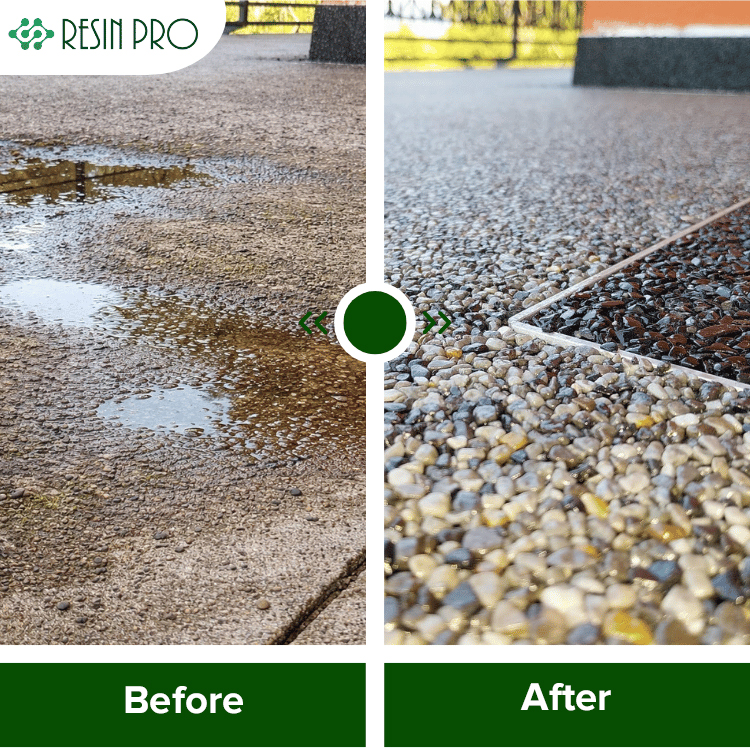
Tips and Common Mistakes to Avoid
Select the correct resin system for your floor type and intended use. Always follow the specific product’s ratios and cure times.
Only work in optimal weather conditions when tackling outdoor surfaces—extreme temperatures or humidity can impact curing and surface finish. Use the right tools for spreading and smoothing for a professional effect.
Mind your working time—mixed resin can begin setting quickly. Plan each step and prepare tools and materials before mixing.
For best results, consult the specific floor kit instructions if using a combined kit like “Flowstone”, and always carry out a small test patch if working on a new substrate.
Troubleshooting and Achieving the Best Finish
Prevent bubbling and unevenness by ensuring surfaces are dry, clean and well-primed. When in doubt, always review the detailed product instructions provided with your resin or kit, and seek guidance for new substrate types. Well-planned preparation and timely application are the keys to a blade floor that stands the test of time.

- "Epoxyprimer" – Universal Water-Based Two-Component Epoxy Floor PrimerPrice range: £156.45 through £286.45"Epoxyprimer" is a water-based, two-component floor primer designed for reliable adhesion on various surfaces in resin flooring projects.
- "Flowstone" – Complete Permeable Floor Kit with Pebbles and ResinPrice range: £49.95 through £3,915.45"Flowstone" is a permeable pebble and resin kit designed for outdoor spaces with detailed resin guidance for a durable and customisable finish.
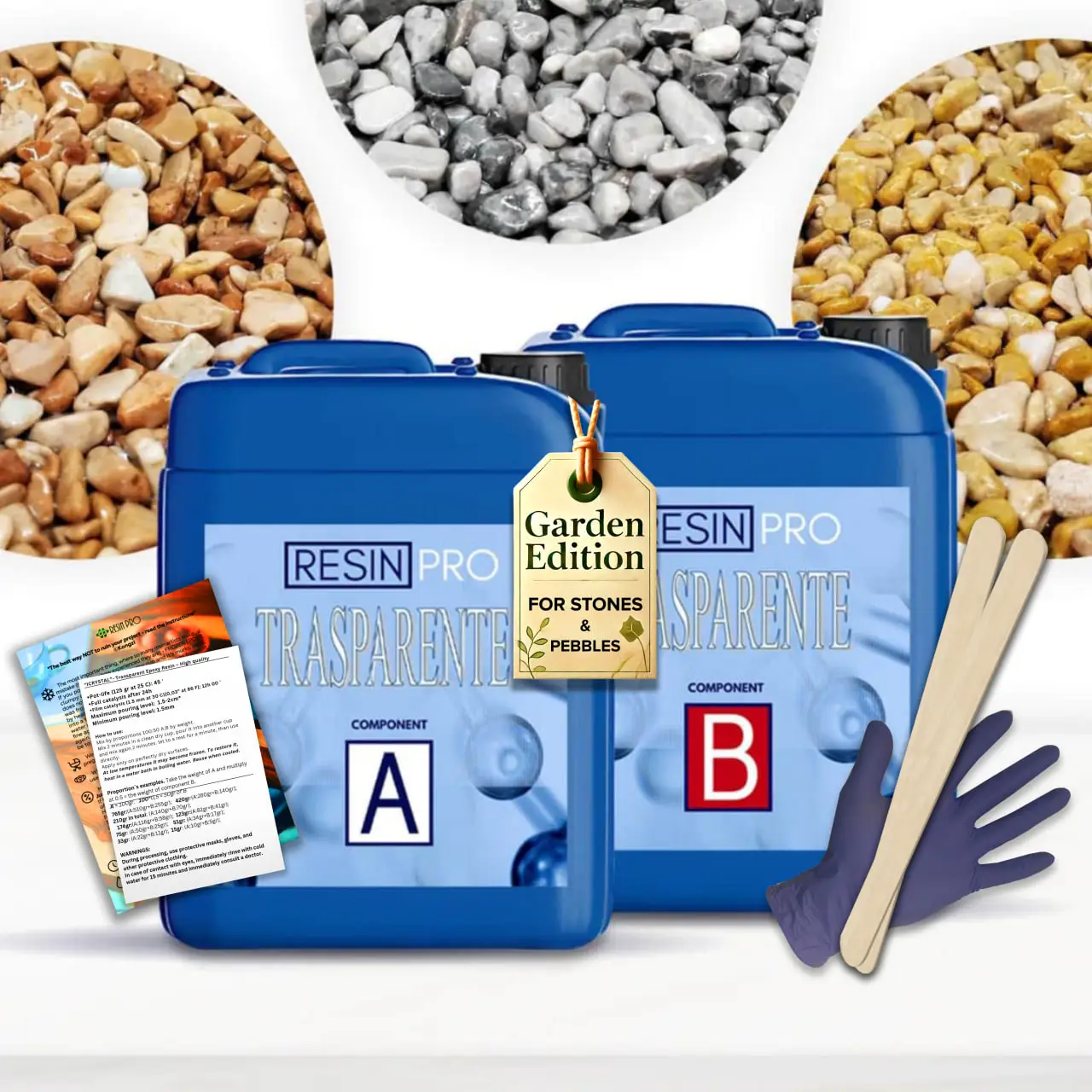 "Trasparente" – Epoxy Binder for Coloured Pebbles and GritsPrice range: £33.45 through £397.95"Trasparente" is a transparent epoxy binder designed for coloured pebbles and grits, providing a clear, UV-stable finish suitable for projects…
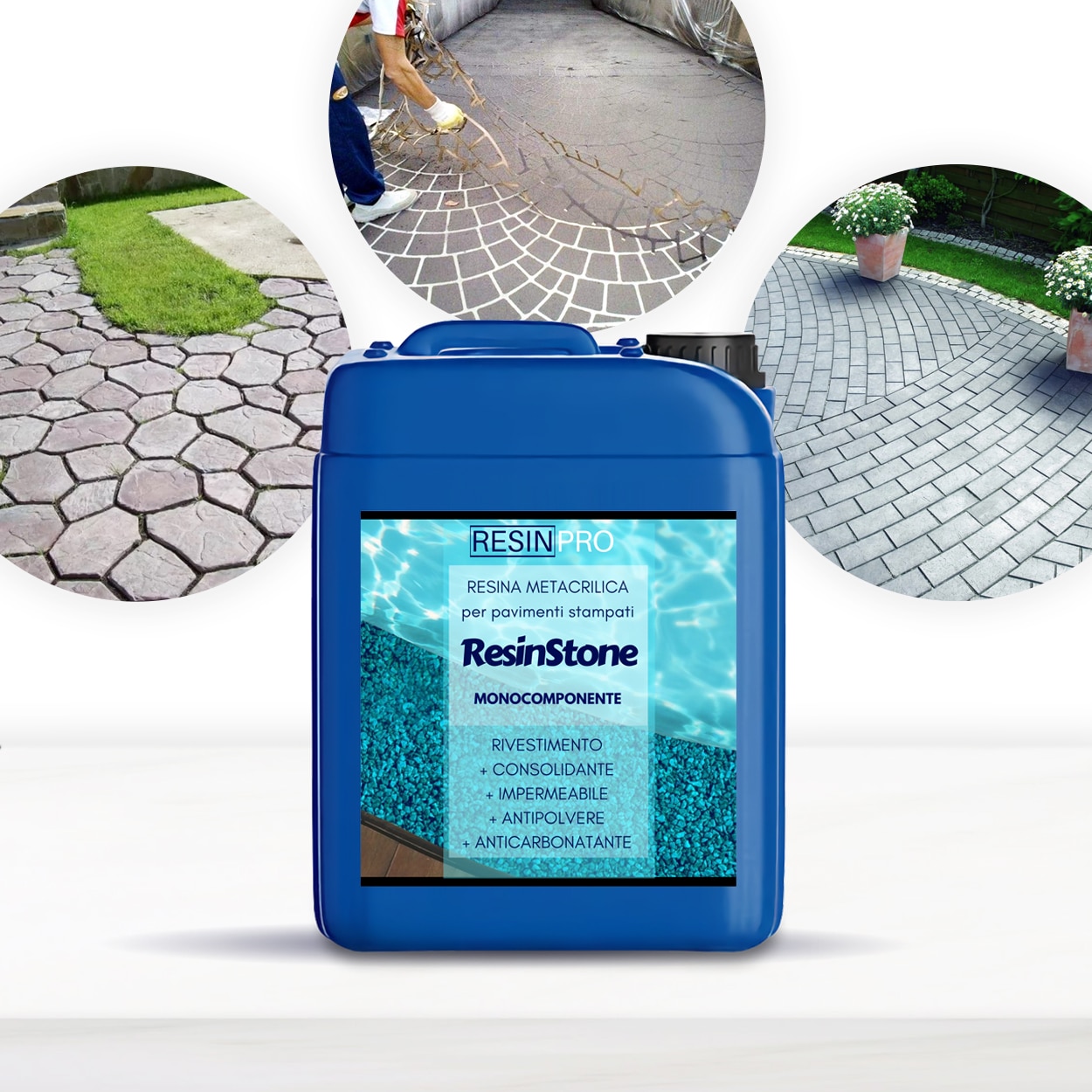 "Resinstone" – One-Component Methacrylic Resin for Concrete Floors and DrivewaysPrice range: £36.71 through £336.48"Resinstone" is a one-component methacrylic resin designed for sealing concrete floors and driveways with waterproof and durable protection.
Frequently Asked Questions
Can I apply a resin blade floor myself?
Yes, many resin blade floor systems are suitable for DIY application if you follow the preparation and application steps carefully.
How long does resin take to cure on blade floors?
Cure times vary by product, typically ranging from 12 to 48 hours. Always follow the instructions for your chosen resin.
Do blade floors require a special primer?
Primers like Epoxyprimer improve adhesion on porous floors and are highly recommended for the best results.
Can resin blade floors be used outdoors?
Yes, with the correct resin system such as Flowstone or Resinstone, resin blade floors can be applied outdoors for weather-resistant surfaces.
Which surfaces are suitable for blade floor resin?
Blade floor resin is suited to concrete, screeds, porous ceramics, and some timber or existing prepared pebble bases.
How do I clean a resin blade floor?
Use a soft mop and neutral detergent for regular cleaning; avoid harsh chemicals or abrasive pads that could scratch the surface.