 Free shipping on orders over £29,85
  Shipping Tracking!


 Google
 Facebook
How Do You Apply Resin to a Concrete Floor?
Step-by-step advice for robust, beautiful resin-coated floors
Resin coating provides concrete floors with a functional, attractive, and easy-to-clean finish that resists wear, moisture, and stains. Whether you are renovating your garage, workshop, or a living space, applying resin to concrete offers a durable surface and a contemporary look. This guide will walk you through every stage to help you achieve a professional-quality result.
What You’ll Need
- “Epoxyprimer” – Universal Water-Based Two-Component Epoxy Floor Primer: Enhances adhesion and durability for a strong foundation.
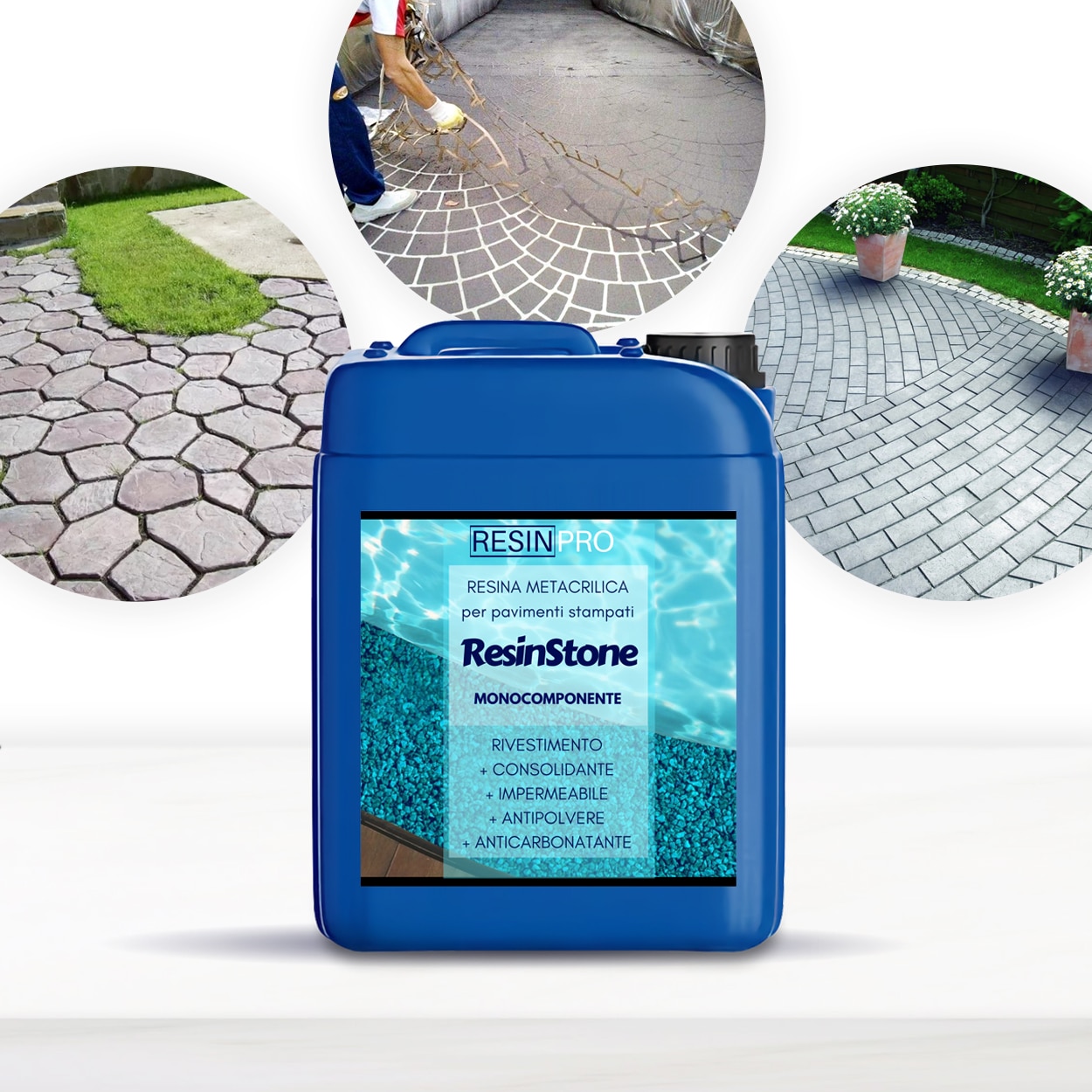
- “Resinstone” – One-Component Methacrylic Resin for Concrete Floors and Driveways: Seals and protects the concrete surface.
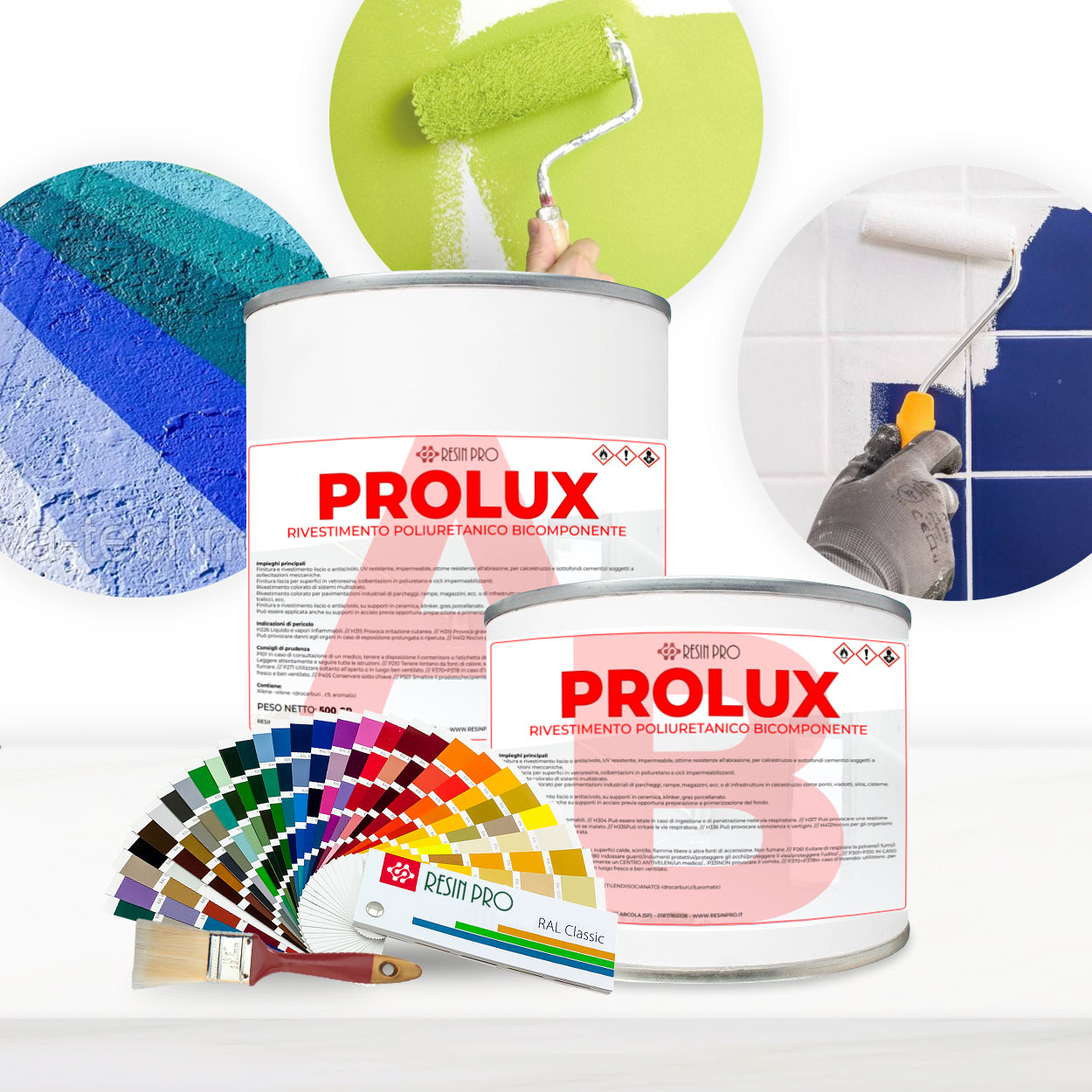
- “Prolux” – PU coating for tiles, concrete, plastic and metal – suitable for driveable surfaces: Provides a tough, UV-resistant topcoat for high-traffic or outdoor areas.
- Gloves, goggles, and a mask for safety.
- Rollers, brushes, or a spatula for application.
- Preparation tools: broom or vacuum, filler for cracks, sanding equipment (as needed).

Why Priming Matters for Concrete Floors
The primer acts as a bonding bridge between your concrete and resin coatings. It reduces air bubbles, prevents uneven absorption, and significantly improves durability. Skipping this step can lead to peeling and a dramatically shorter floor lifespan.
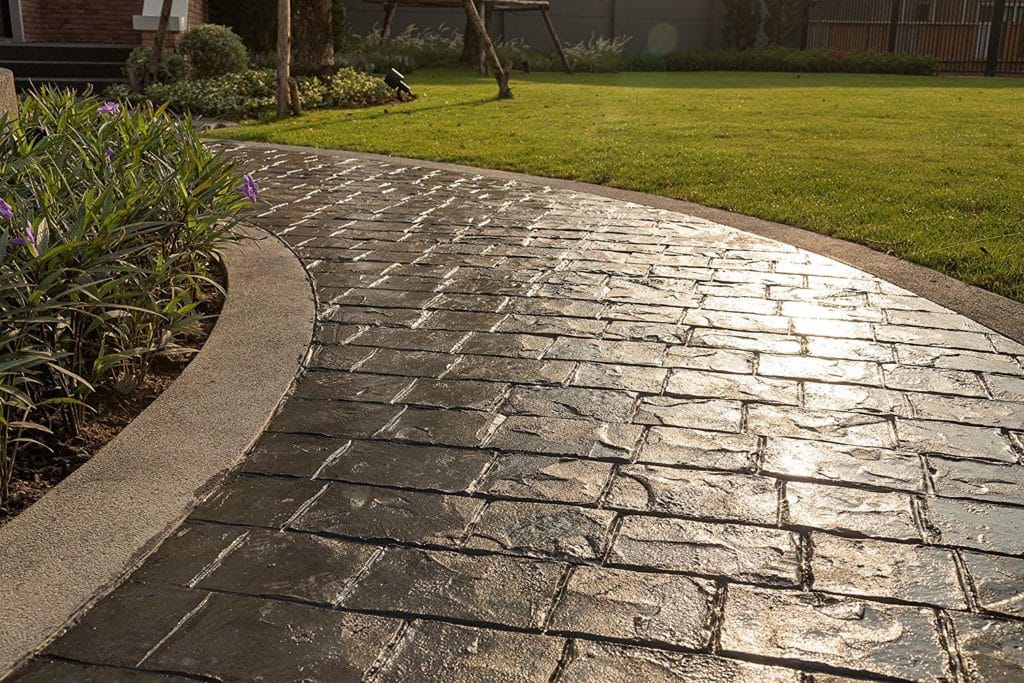
Step 1: Prepare the Concrete Surface
Start by thoroughly sweeping or vacuuming the floor to remove all dust, debris, and contaminants. If the surface has existing coatings, grease, or oil, use a suitable degreaser and consider lightly sanding or grinding to expose bare concrete. This step ensures that the floor is clean, dry, and porous for best resin adhesion. Repair cracks or holes with an appropriate filler, and allow everything to dry fully before proceeding.
Proper surface preparation is crucial for resin success. Skipping this step may result in peeling, bubbles, or poor adhesion.
Step 2: Prime the Concrete
Apply a quality primer to seal the prepared concrete and promote strong bonding with the resin coat. Use a roller, brush, or spatula to ensure even coverage, working the primer into the surface and along edges. The primer will also help to reduce air bubbles and uneven absorption.
For this task, “Epoxyprimer” – Universal Water-Based Two-Component Epoxy Floor Primer is ideal, offering eco-friendly, odourless, and versatile compatibility with concrete.
Step 3: Apply the Resin Coating
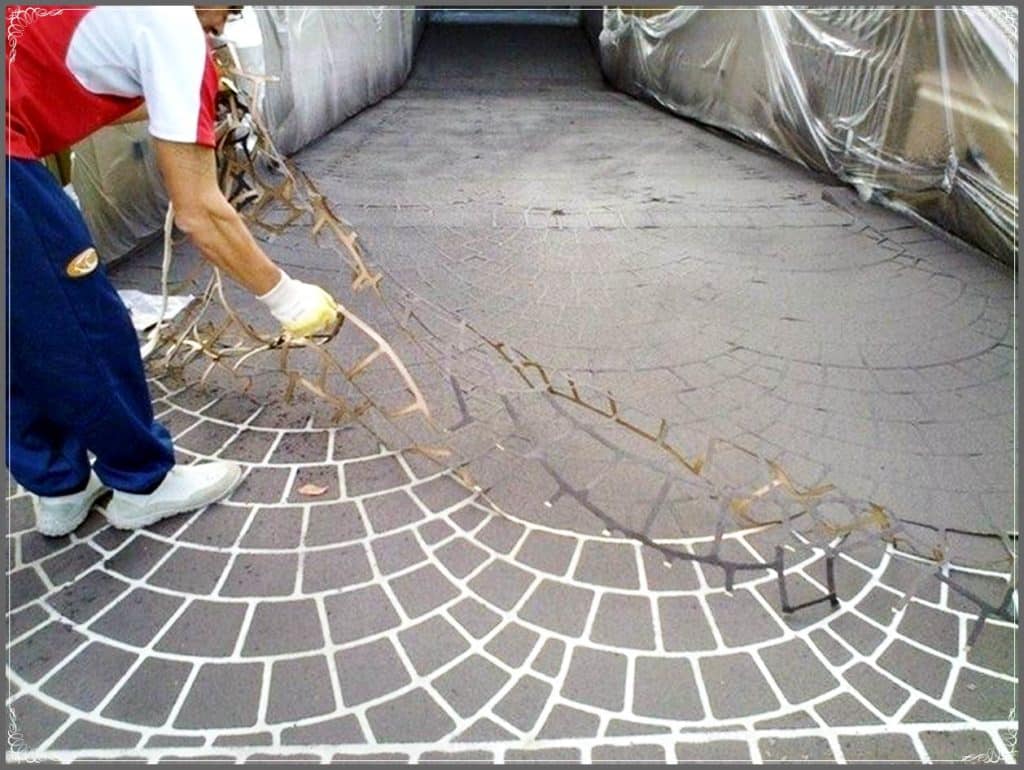
Once the primer has cured (typically 24–48 hours), stir the resin thoroughly following all manufacturer instructions. Pour an even amount of resin onto the floor, then distribute with a roller or notched trowel. Work quickly to maintain a wet edge and avoid visible seams. Take care to cover the entire surface, including corners and along walls.
For basic sealing and protection, “Resinstone” – One-Component Methacrylic Resin for Concrete Floors and Driveways gives a strong, breathable, and waterproof finish in a single component system.
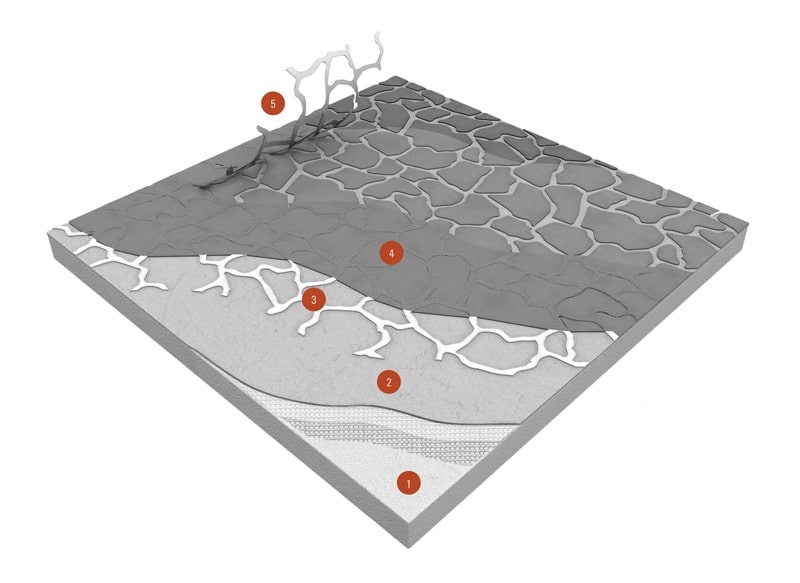
Step 4: Finish with a Topcoat (Optional)
If your floor will see heavy traffic, sunlight, or outdoor exposure, apply a durable polyurethane topcoat for added protection against abrasion, UV rays, and weathering. Mix the two components as instructed, then apply with a roller for a smooth finish. Select a satin or gloss finish to achieve your preferred look.
“Prolux” – PU coating for tiles, concrete, plastic and metal – suitable for driveable surfaces delivers an advanced UV and abrasion-resistant layer, ideal for driveways or garages.
Allow adequate curing time for each resin layer. Traffic or placing objects too soon can damage the finish.
Tips and Common Mistakes
- Work within the recommended temperature and humidity ranges to ensure even curing and strong adhesion.
- Do not rush between coats. Follow manufacturer advice for cure times for the primer, resin, and topcoat.
- Ventilate the workspace and protect yourself with gloves, goggles, and a mask to prevent inhaling fumes or skin contact.
- Avoid applying resin over unsealed, damp, or dirty concrete to prevent peeling or bubbling.
Always consider ventilation and protective equipment. Safety is just as important as a perfect finish.
Visual Finishes with Resin on Concrete
Resin finishes are available in gloss, satin, or anti-slip textures, offering both style and practicality. From subtle matt effects to high-shine modern looks, choosing the right finish helps match your project’s needs and your personal taste. Adding a polyurethane topcoat enhances resistance and finish longevity for areas exposed to sunlight or traffic.
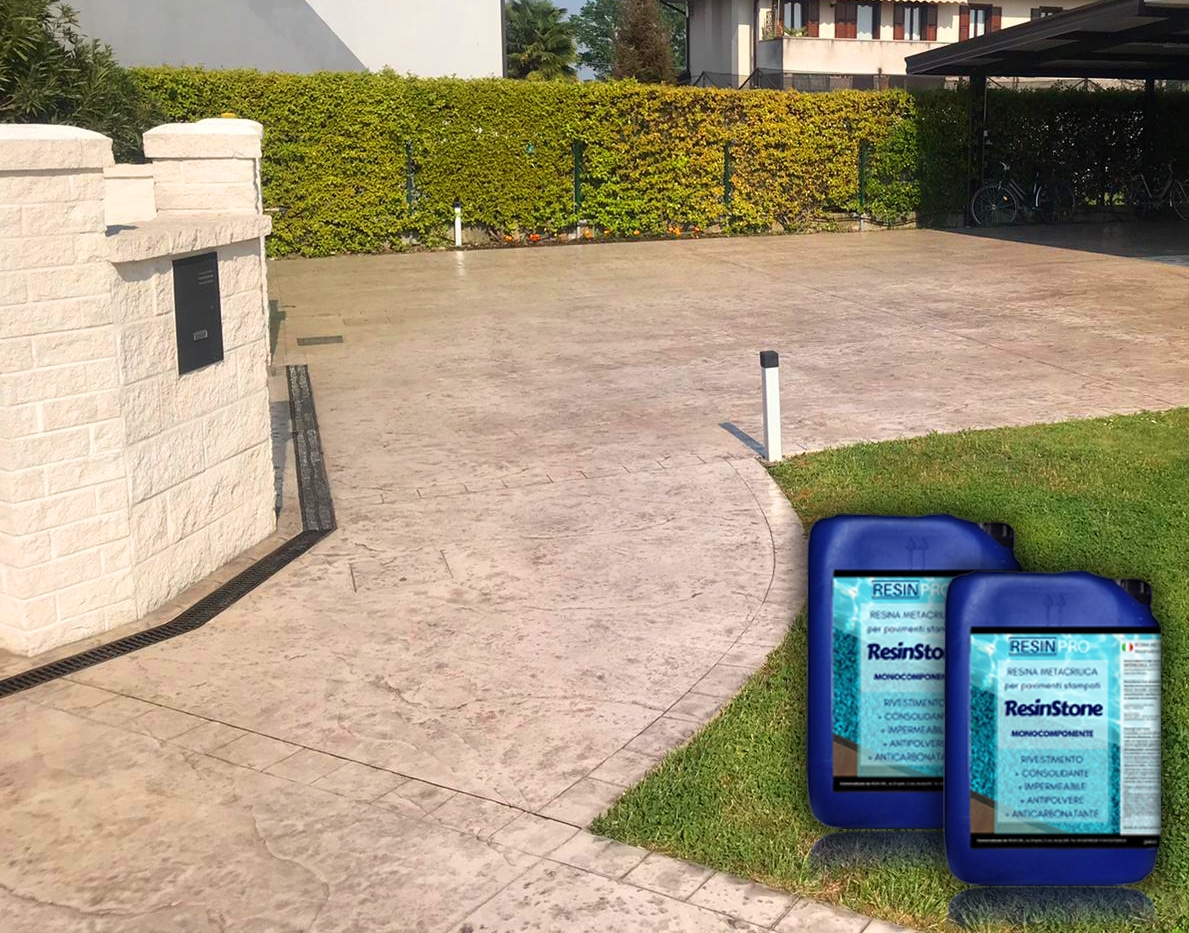
- "Resinstone" – One-Component Methacrylic Resin for Concrete Floors and DrivewaysPrice range: £36.71 through £336.48Resinstone is a one-component methacrylic resin designed to seal and protect concrete floors with durable and penetrating waterproofing.
 "Epoxyprimer" – Universal Water-Based Two-Component Epoxy Floor PrimerPrice range: £156.45 through £286.45Epoxyprimer is a water-based, two-component epoxy floor primer suitable for various surfaces like concrete and tiles.
- "Prolux" – PU coating for tiles, concrete, plastic and metal – suitable for driveable surfacesPrice range: £44.85 through £494.85"Prolux" PU coating provides a durable and weather-resistant finish, suited for concrete floors and other prepared surfaces.
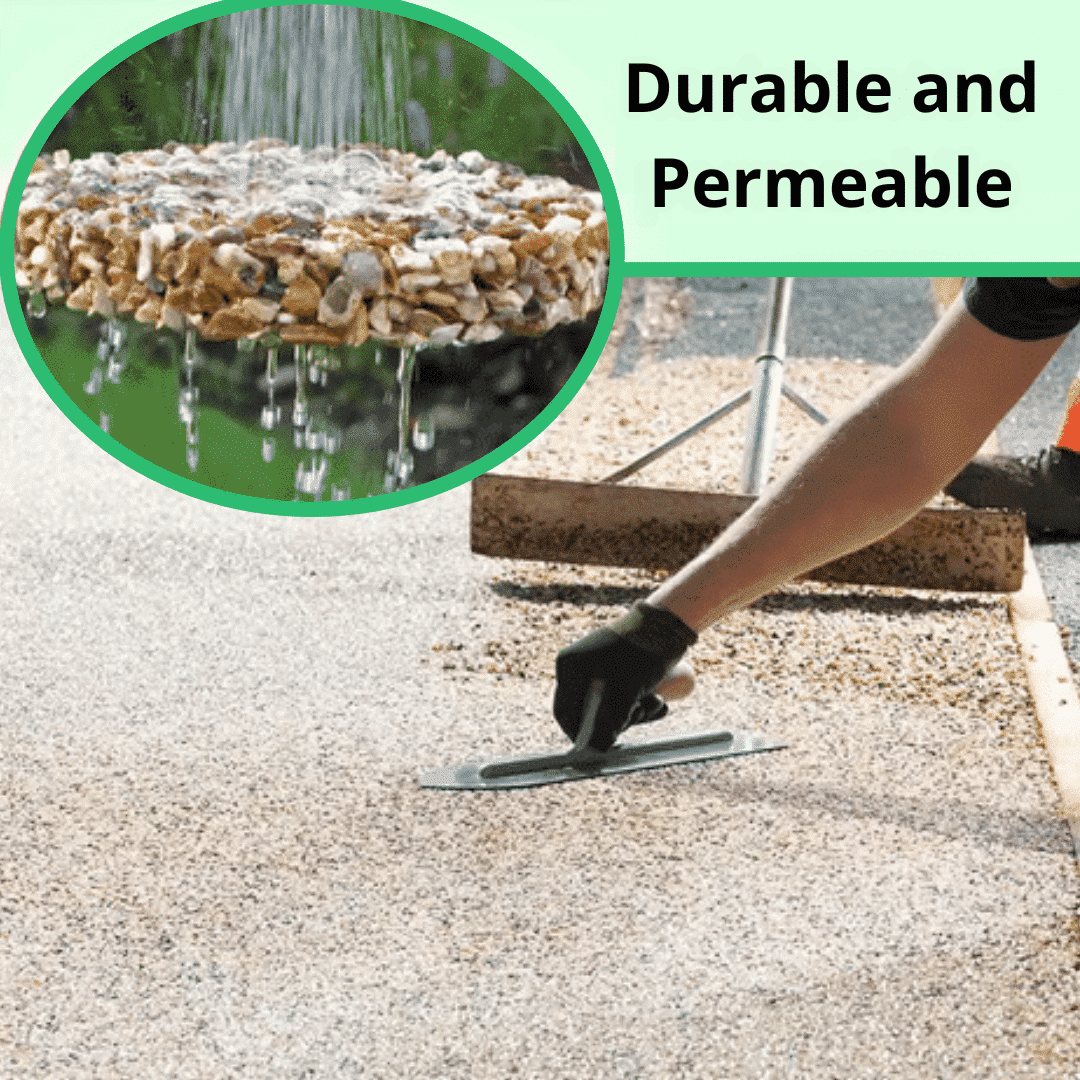 "Flowstone" – Complete Permeable Floor Kit with Pebbles and ResinPrice range: £49.95 through £3,915.45"Flowstone" kit is a draining pebble and resin system designed for outdoor surfaces in the UK climate with guidance for resin use.
Frequently Asked Questions
Can I apply resin to old or stained concrete?
You can apply resin to old concrete as long as it is stable, clean, and free from grease, oil, or major stains. Proper cleaning and preparation are essential for adhesion.
Do I need to use a primer before resin?
Priming is strongly recommended, especially for porous surfaces, to ensure secure bonding and a smooth finish.
How long should I wait before walking on new resin?
Wait at least 24 hours after final resin or topcoat application before light foot traffic, and up to 72 hours for heavier loads.
Can I add colour or anti-slip to my resin floor?
Yes, you can incorporate pigments for colour and specific aggregates or flakes for anti-slip properties prior to application.
What if my floor has cracks or damage?
Repair any cracks or major imperfections using an appropriate concrete or epoxy filler, allowing it to cure fully before resin application.
Is resin finish suitable for bathrooms or wet areas?
Resin floors, especially when finished with a waterproof topcoat, are ideal for wet areas and provide excellent resistance to moisture and stains.