 Free shipping on orders over £29,85
  Shipping Tracking!


 Google
 Facebook
How do you apply resin to an outdoor floor?
A practical guide for durable, attractive exterior surfaces

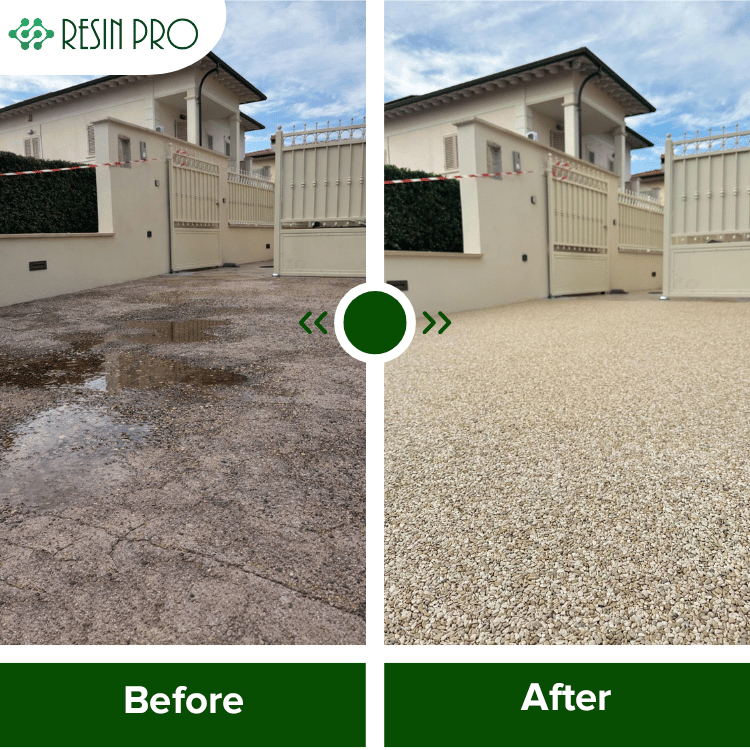
Resin flooring provides a hard-wearing, attractive and weather-resistant finish for driveways, patios and pathways. This step-by-step guide explains exactly how to prepare your outdoor surface and apply resin like a pro, ensuring long-lasting results that withstand UK weather. Whether you’re updating concrete, creating a decorative effect with pebbles, or sealing an external area, these techniques will help you achieve a flawless finish.
What You’ll Need
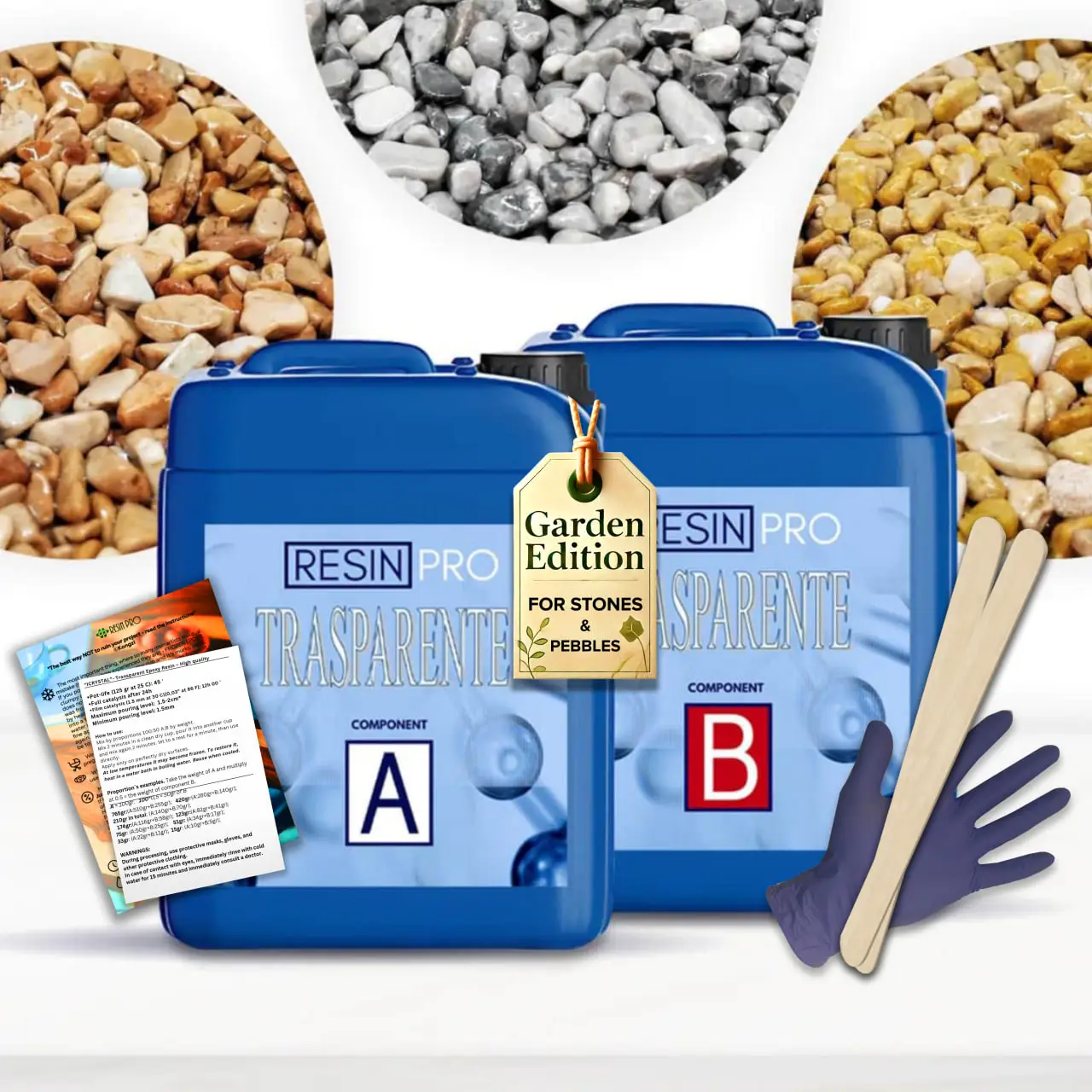
- “Flowstone” – Complete Permeable Floor Kit with Pebbles and Resin – A complete system for creating permeable, decorative pebble flooring outdoors.
- “Trasparente” – Epoxy Binder for Coloured Pebbles and Grits – Transparent binder for coloured or dark stones where a clear, UV-resistant finish is needed.
- “Polirock” – Polyurethane Binder for White Stones, 2kg Two-Component Kit – Ideal for binding white or natural stones on outdoor surfaces without yellowing.
- “Resinstone” – One-Component Methacrylic Resin for Concrete Floors and Driveways – Specialist resin for sealing and protecting concrete surfaces.
- Clean bucket, spatula or mechanical mixer for blending resin
- Rubber gloves and safety goggles for personal protection
- Trowel, roller, or squeegee (based on chosen finish)
- Masking tape and protective sheeting for adjacent areas
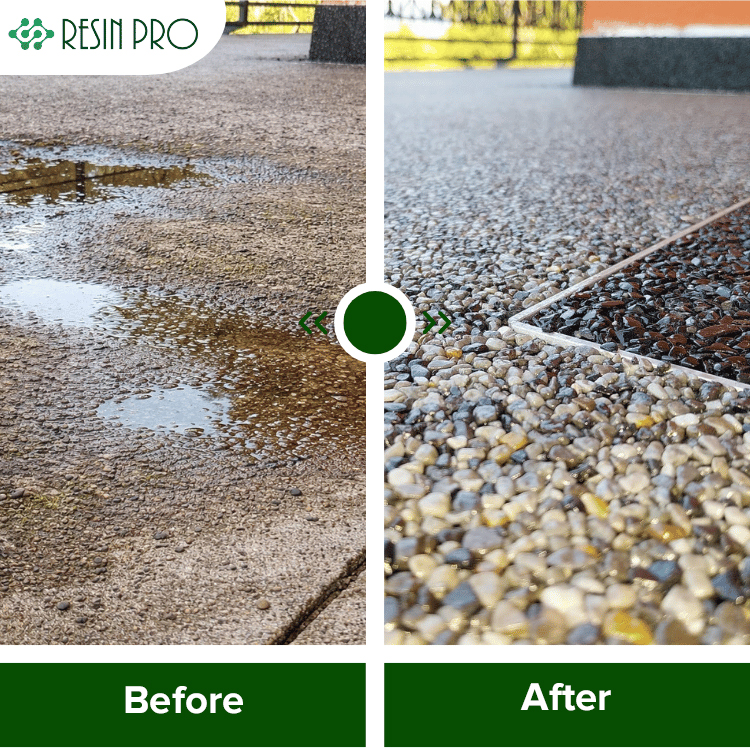
Outdoor Resin Flooring Inspirations
Transform outdoor spaces with creative resin applications – from modern driveways using resin-bound pebbles to colourful garden walkways and sleek patio designs. Browse our gallery for real-world examples and see the lasting impact that resin can have on aesthetic appeal and practical durability.
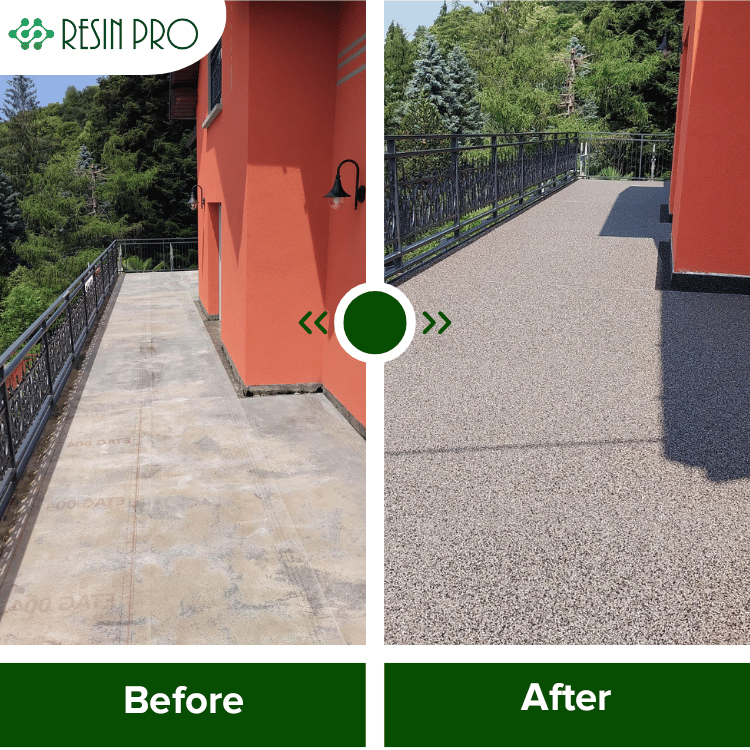
Step 1: Clean and repair the substrate
For optimal adhesion, the outdoor floor must be dry, stable and free of contaminants. Begin by thoroughly sweeping and washing the surface to remove dirt, moss or loose debris. If applying over concrete, repair any cracks or holes with appropriate fillers and allow to cure. On patios or paths with pebbles, ensure loose material is removed. A clean foundation prevents issues like poor bonding, uneven areas, and future delamination.
Take extra care to dry the area if rain has recently occurred. Moisture in the substrate can negatively affect resin curing and may cause blushing or discolouration. If in doubt, allow an extra 24 hours of dry weather before proceeding.
Step 2: Mask and protect adjacent areas
Resin is permanent and challenging to remove from surfaces like brickwork, garden fixtures, or driveways. Use masking tape and protective sheeting to cover all edges, grates, and nearby garden features. Mark out the application area neatly to achieve a precise result. This preparation saves significant clean-up time and prevents accidental spills or resin bleed onto unwanted areas.
Plan your work area carefully to ensure you can reach all parts of the floor without stepping on freshly applied resin.
Step 3: Mix your resin thoroughly
Measure the required amount of resin components according to your chosen system. For instance, if working with white aggregates, select a polyurethane binder, such as “Polirock” – Polyurethane Binder for White Stones, 2kg Two-Component Kit, to prevent yellowing and maintain clarity. For coloured or dark stones, an epoxy binder like “Trasparente” – Epoxy Binder for Coloured Pebbles and Grits is more suitable due to its UV resistance and clear finish.
Combine resin and hardener in a mixing bucket, using a spatula or electric mixer. Mix slowly and evenly until the blend is uniform and streak-free. When working with pebbles, pour the binder over the aggregate and mix until every stone is coated. Follow the specific mixing ratios and directions provided with your resin kit. Incorrect mixing is a leading cause of poor performance or failed applications.

Step 4: Apply and finish the resin layer
Using a trowel, roller, or squeegee, apply the resin (or resin-bound aggregate) to the prepared surface. Spread evenly, ensuring level thickness across the floor. For permeable decorative pebble flooring, such as with the “Flowstone” – Complete Permeable Floor Kit with Pebbles and Resin, press the mixture gently to compact and smooth it, removing air pockets and achieving a uniform finish. For protecting plain concrete, a product like “Resinstone” – One-Component Methacrylic Resin for Concrete Floors and Driveways should be rolled or brushed in thin, even layers for best coverage.
Work in small batches for the best results, especially on larger areas. Be mindful of resin pot life: once mixed, it will begin to cure and set, so timely application is crucial. If a thicker finish is required (for example, on high-traffic driveways), plan for multiple coats as needed, allowing curing time between layers.
Step 5: Allow to cure and inspect properly
Leave the resin floor to cure undisturbed, and protect from rain, dust and traffic according to the product instructions—typically 12–24 hours for surface readiness, longer for full strength. Avoid walking or placing objects on the area during this period. Once cured, peel away the masking tape and inspect the surface for defects, blemishes or missed spots. Minor imperfections can often be corrected with spot repairs before the surface is returned to full use.
Good curing is essential for mechanical strength, weather resistance and durability, especially in the UK climate.
Tips, Common Mistakes and Troubleshooting
Avoid applying resin in temperatures below 10°C or during wet conditions, as this can cause slow curing or poor bonding. Never skip surface prep: dirt or moisture will undermine the resin’s effectiveness. Measure and mix resin precisely, and don’t attempt to pour binder directly over loose gravel—always combine before laying. For white stones, always use a polyurethane binder to prevent yellowing. If you notice tacky spots after curing, these may result from under-mixing or insufficient hardener—reapply a thin mixed layer to correct.
Planning your work area and working methodically ensures a safe, neat, and high-quality result. For complex layouts, take photographs as reference points and lay out all materials before starting.
Resin Floor Finishing Touches
For a truly professional finish, pay special attention to neat edges and smooth transitions between adjacent surfaces. Incorporate custom aggregate blends or border accents to personalise your project, and always follow best practice for weather protection during curing to safeguard your investment.
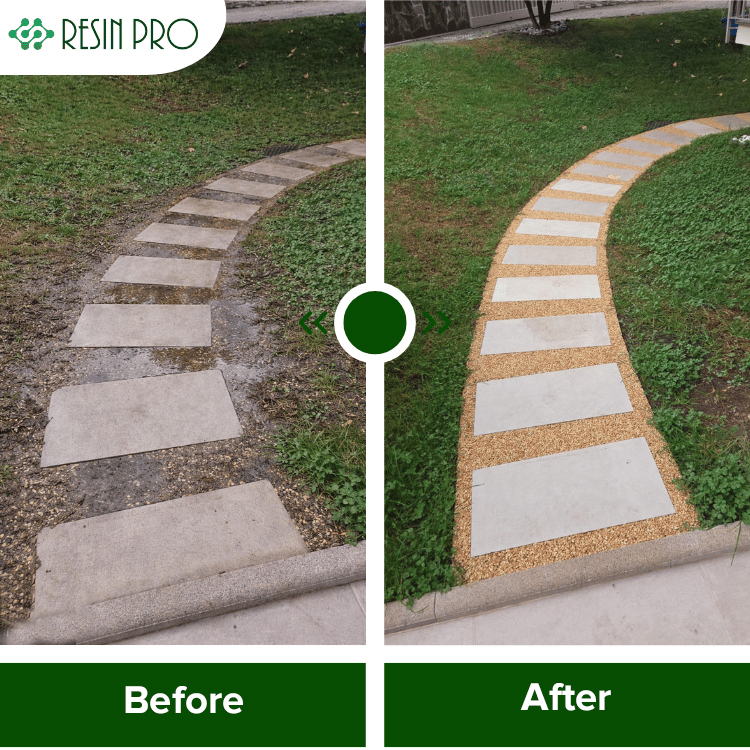
- "Flowstone" – Complete Permeable Floor Kit with Pebbles and ResinPrice range: £42.85 through £3,389.85"Flowstone" offers a durable, permeable pebble and resin floor kit designed for easy application on outdoor surfaces in the UK.
- "Trasparente" – Epoxy Binder for Coloured Pebbles and GritsPrice range: £31.85 through £948.85"Trasparente" epoxy binder is clear and UV resistant, suitable for coloured pebbles and grits on outdoor floors.
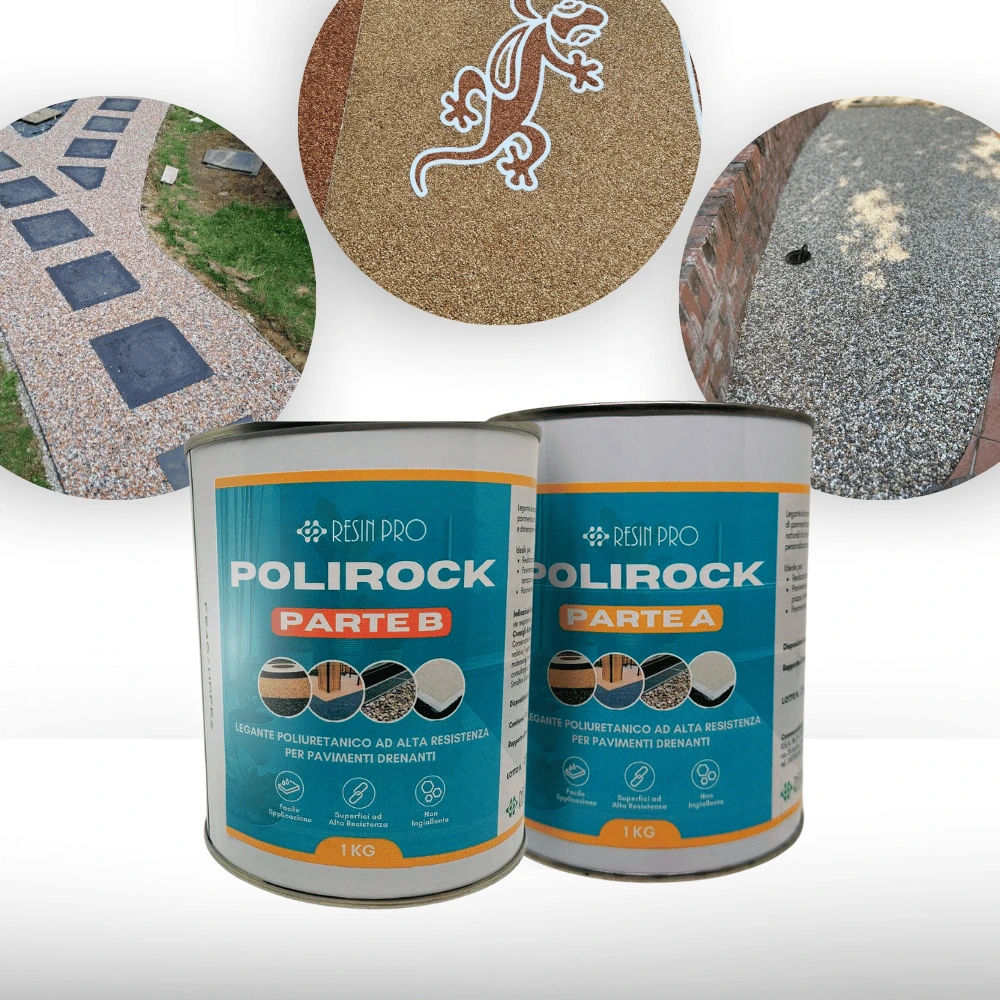 "Polirock" – Polyurethane Binder for White Stones, 2kg Two-Component Kit£58.85Polirock polyurethane binder provides durable, weather-resistant and anti-slip coatings for decorative outdoor stone surfaces.
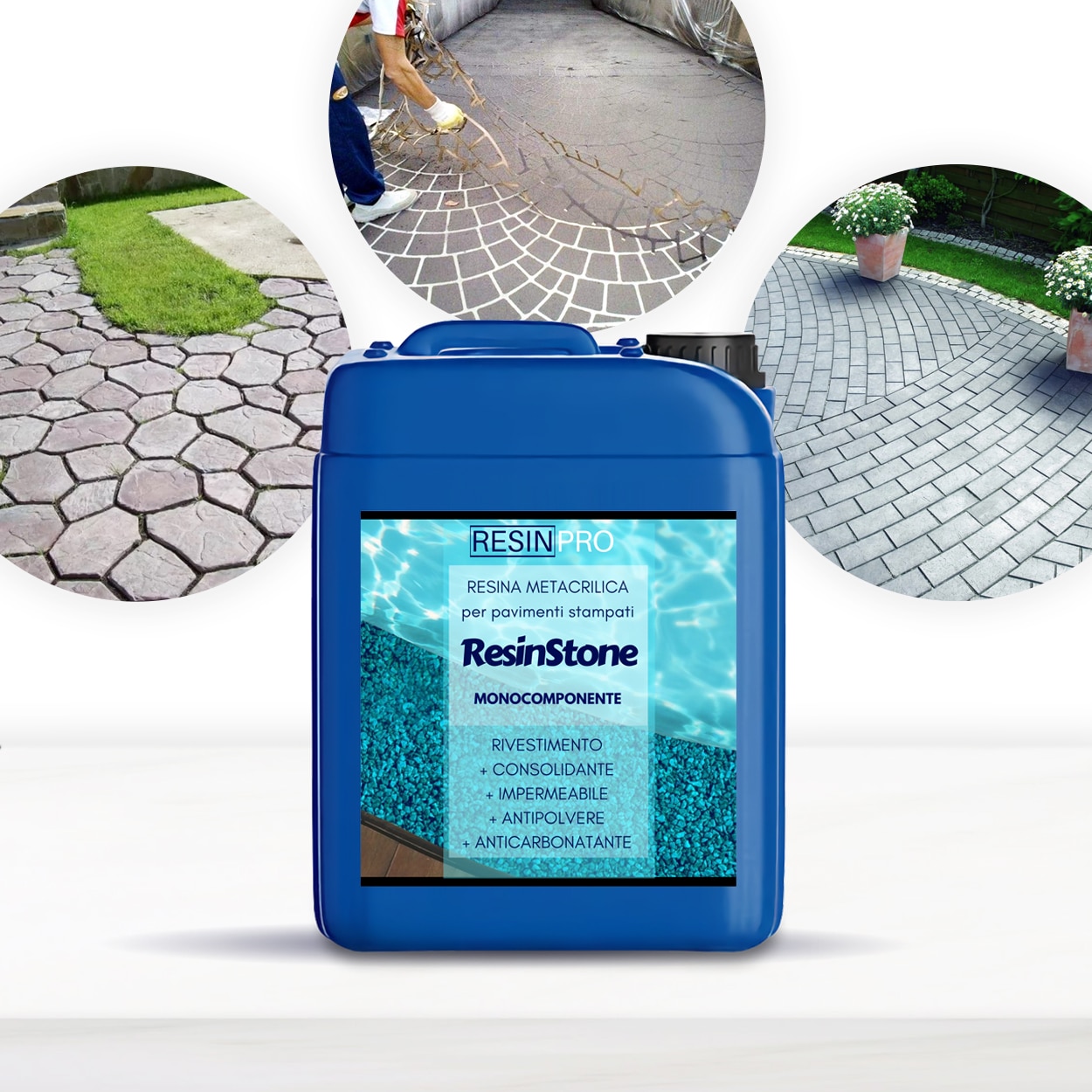 "Resinstone" – One-Component Methacrylic Resin for Concrete Floors and DrivewaysPrice range: £29.85 through £59.85"Resinstone" is a one-component methacrylic resin designed for sealing and protecting concrete floors outdoors.
Frequently Asked Questions
Can I apply resin when it’s cold outside?
It’s best to avoid applying resin below 10°C, as low temperatures can affect curing and final surface quality.
How long before I can walk on a resin floor?
Typically, outdoor resin floors are ready for light foot traffic within 12–24 hours, but full strength may take several days.
Which binder should I use for white or coloured stones?
Use polyurethane binder for white stones and epoxy binder for coloured or dark stones to ensure clarity and prevent yellowing.
Do I need to prime the surface before applying resin?
On porous concrete, a resin primer can enhance adhesion. Always read the directions for the resin product being used.
Can I apply resin over old paint or tile?
It is not recommended. Remove paint or loose tiles to ensure strong bonding and a long-lasting finish.
What if my resin does not cure properly?
Tacky or soft spots are usually caused by incorrect mixing or ratios. Reapply a correct mix to affected areas.