 Free shipping on orders over £29,85
  Shipping Tracking!


 Google
 Facebook
How do you apply self-leveling epoxy?
Step-by-step instructions for flawless epoxy surfaces

Achieving a smooth, glass-like epoxy surface requires careful preparation, the right materials, and a systematic approach. This guide is designed to help both DIY enthusiasts and professionals apply self-leveling epoxy to floors, worktops, and decorative surfaces, ensuring strong adhesion and a premium finish.
What You’ll Need
- “Epoxyprimer” – Universal Water-Based Two-Component Epoxy Floor Primer: Prepares and seals the substrate for optimal adhesion.
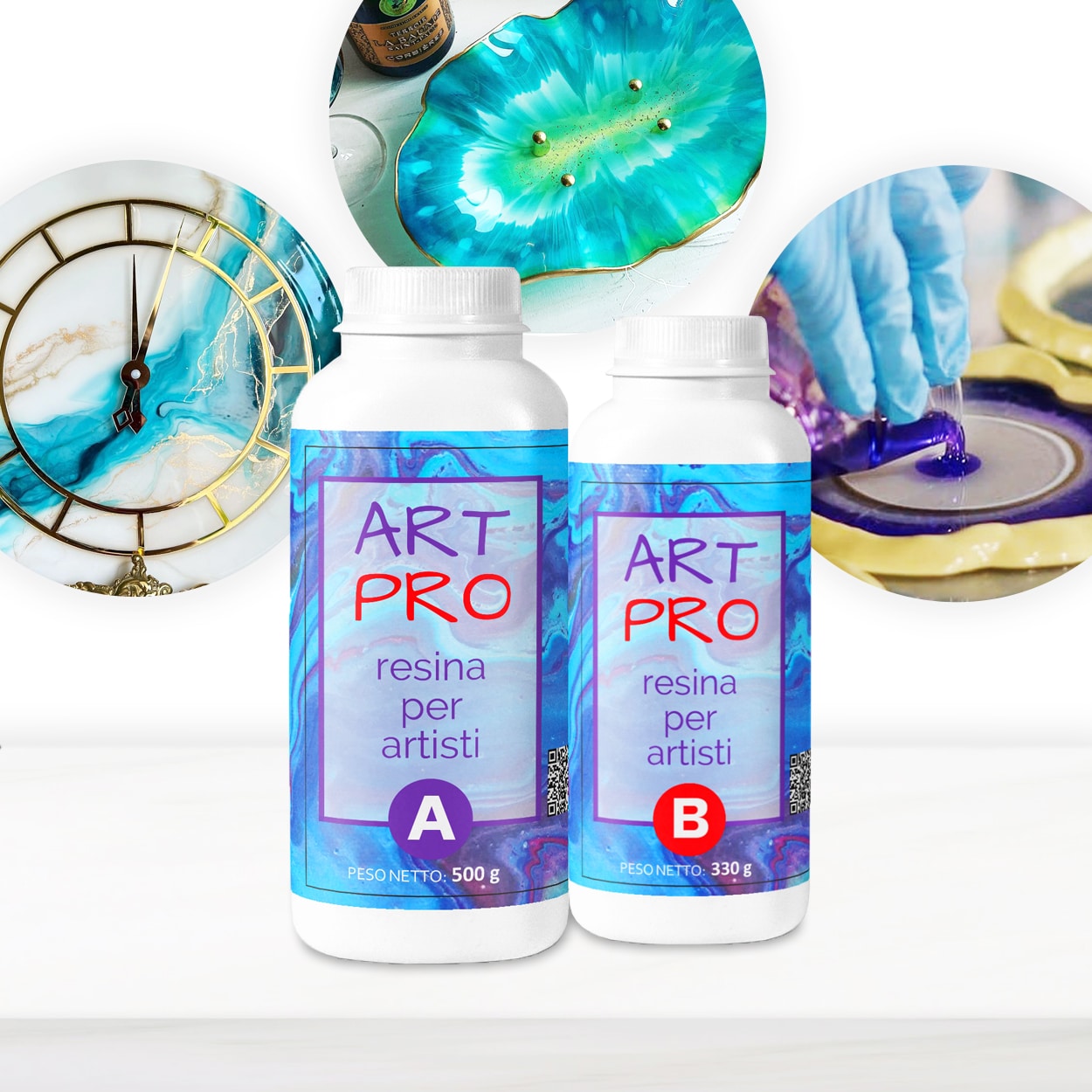
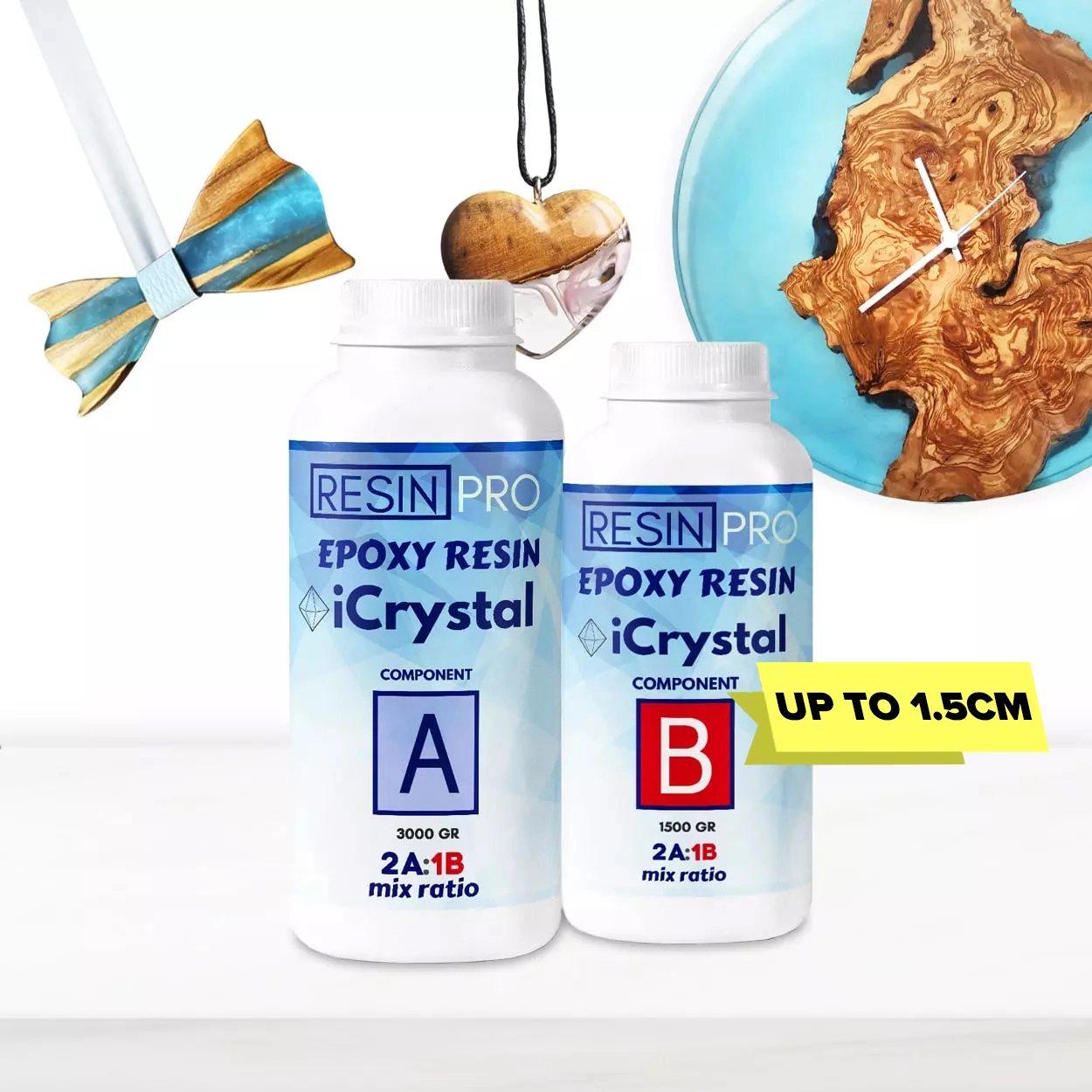
- “Icrystal” – Clear Epoxy Resin – Odourless Formula – Up to 1.5cm or “Art Pro” – Clear Epoxy Resin for Artists and Surface Coating: Choose your resin according to thickness and decorative needs.
- Resin & Paint Application Rollers – Short-Pile, Large, and Sponge Types: For precise and even application of primer and resin layers.
- Mixing tools and protective gloves
Surface Ready for Epoxy Application
Thorough preparation creates the ideal foundation for your epoxy coating. Properly sealed, clean surfaces maximise bond strength and reduce the risk of bubbles or delamination. Choose the right primer and take your time—this stage is what separates a flawless finish from a disappointing one.

Step 1: Prepare the Surface
Substrate preparation is critical to the durability and finish of your epoxy. Remove all dust, oil, and contaminants using a vacuum and suitable degreasers. Fill any holes or cracks with appropriate filler and ensure the surface is dry and level. Porous materials may require sanding to create a slightly roughened profile for better mechanical adhesion.
If you are working with concrete, tiles, wood, or screed, apply “Epoxyprimer” – Universal Water-Based Two-Component Epoxy Floor Primer to help seal the surface and provide optimum adhesion for the subsequent epoxy layer. Allow the primer to cure fully as per instructions (typically 24–48 hours) before moving forward.
Step 2: Measure and Mix the Epoxy Resin
Accurate measurement and mixing are essential for a self-levelling finish. Check your product’s instructions for the correct ratio—commonly 2:1 or 3:2 by weight or volume. Use clean, dry mixing containers to prevent contamination.
Mix components thoroughly for at least 3–5 minutes, ensuring you scrape the sides and bottom of the container. Incomplete mixing can result in uneven curing, soft spots, or variance in clarity. Once mixed, use the resin within its pot life for best results—typically you have 30–40 minutes to work.
Step 3: Pour and Spread the Epoxy
Start at one end of the area and pour in stages, letting the resin naturally flow across the surface. For large surfaces, work in adjustable sections to maintain a wet edge and avoid overlapping marks. The self-levelling property will help the resin find its own level, but you may need to manually guide it to edges using a notched trowel or one of the Resin & Paint Application Rollers. Use a short-pile roller for greater control and a sponge roller for an ultra-smooth finish.
After spreading, inspect for air bubbles. These can be removed by briefly passing a torch or heat gun across the surface at a safe distance. Work efficiently to stay within the resin’s open time, ensuring a consistent layer and avoiding uneven build-up.

Step 4: Cure and Protect the Epoxy Surface
Allow the freshly applied epoxy to settle and cure in a dust-free environment. Control room temperature and ventilation: 20–25°C is ideal for resin curing, and moderate air flow reduces the risk of surface skinning or dust inclusion. Keep the area undisturbed for the duration of the cure period, which is usually 24–48 hours depending on resin type and layer thickness.
Once cured, lightly sand if necessary to remove imperfections before applying additional coats. For added durability, especially in high-traffic zones, consider a clear sealant or protective topcoat once the base resin is fully hardened.

Tips and Common Mistakes When Using Self-Leveling Epoxy
Always monitor environmental conditions—humidity, dust, and temperature can all affect the outcome. Work quickly but carefully, and never exceed recommended layer thickness to avoid exothermic reactions or uneven curing. Wear gloves and work in a well-ventilated area for safety. Check all manufacturer instructions.
Finishing Touches for a Professional Result
Even small details determine how your project looks and lasts. Patience during curing, using the recommended rollers, and controlling temperature will all help you achieve a perfectly level, crystal-clear surface.

- "Icrystal" – Clear Epoxy Resin – Odourless Formula – Up to 1.5cmPrice range: £12.45 through £341.45"Icrystal" clear epoxy resin is self-levelling and odourless, suitable for tables and artistic uses in the theme of applying self-leveling epoxy.
- "Art Pro" – Clear Epoxy Resin for Artists and Surface CoatingPrice range: £19.95 through £267.95Art Pro clear epoxy resin provides a non-toxic, high-gloss finish suitable for artists and crafters seeking durable surface coating solutions.
 "Epoxyprimer" – Universal Water-Based Two-Component Epoxy Floor PrimerPrice range: £156.45 through £286.45"Epoxyprimer" is a water-based two-component primer designed to provide reliable adhesion for epoxy floors on various surfaces.
 Resin & Paint Application Rollers – Short-Pile, Large, and Sponge TypesPrice range: £3.62 through £5.09These rollers are designed for precise and uniform application on epoxy resin surfaces, suitable for various resin projects.
Frequently Asked Questions
What tools are needed to apply self-leveling epoxy?
You’ll need a quality epoxy resin, an appropriate primer, mixing containers, rollers or trowels, protective gloves, and cleaning materials.
How should I prepare my surface before epoxy application?
Remove dust, oil, and contaminants, fill holes, dry the area thoroughly, and use an appropriate primer for best adhesion.
What’s the correct mixing ratio for epoxy resins?
Always follow the product instructions. Epoxy resins often use 2:1 or 3:2 by weight or volume, but check your specific resin's recommendations.
How long do I have to work with self-leveling epoxy and when is it fully cured?
Most epoxy resins offer a working time of 30–40 minutes. Full cure is usually reached in 24–48 hours, depending on the product and conditions.
How do I remove bubbles from the epoxy layer?
Briefly use a torch or heat gun over the wet resin to remove surface bubbles but avoid overheating which could damage the finish.
What temperature and humidity are best for curing epoxy?
Ideal conditions are 20–25°C with low humidity. Extreme temperatures or high humidity can affect curing and appearance.