 Free shipping on orders over £29,85
  Shipping Tracking!


 Google
 Facebook
How do you build a permeable pool surround?
Create long-lasting, draining pool edges with resin and stone

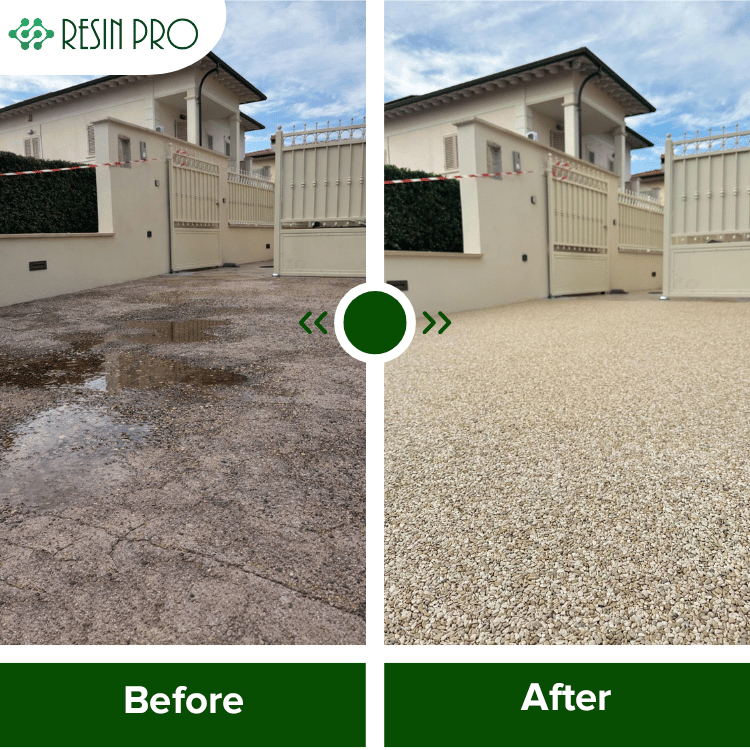
Thinking about upgrading your pool area while solving puddling and slip risks? A permeable pool surround is the answer—combining effective drainage with attractive, low-maintenance finishes. This guide will show you exactly how to build a permeable pool surround using top-quality resin and stone products suited to the UK climate.
Why Choose a Permeable Pool Surround?
Conventional solid surfaces often trap water, leading to unwanted puddles, algae growth, and increased accident risk. Choosing a permeable surface allows rain and splash water to drain directly into the ground, keeping your poolside safe and dry. These systems are cost-effective to renew, highly customisable for any outdoor design, and easy to keep clean year-round.
Core Components: Stone, Resin, and Binders
The foundation of a permeable pool surround is a combination of specialist resins and natural stone aggregates. Let’s look at the proven products designed for outdoor durability and drainage:
- “Flowstone” – Complete Permeable Floor Kit with Pebbles and Resin: All-in-one solution sized to your poolside project, ensuring correct guidance on resin choice for coloured or white pebbles for lasting colour integrity.
- Washed Pebbles for Permeable Floors 25kg – Outdoor Resin-Bound Surfaces: Sustainably sourced, pre-washed pebbles ready for use with any outdoor resin binder—ideal for tailored, eco-friendly surrounds.
- “Trasparente” – Epoxy Binder for Coloured Pebbles and Grits: Delivers a crystal-clear, UV-stable, and bubble-free finish when binding coloured aggregates.
- “Polirock” – Polyurethane Binder for White Stones, 2kg Two-Component Kit: Specially formulated to keep white and light stones clean and clear, resisting yellowing and offering a hard-wearing, anti-slip finish.
- “Resinstone” – One-Component Methacrylic Resin for Concrete Floors and Driveways: The go-to sealer for concrete pool decks and adjacent paths, combining waterproofing with breathability and protection.
Comparison of Permeable Pool Surround Solutions
When planning your project, it’s important to match your pool surround design with the best system for your materials, usage, and preferences:
- Flowstone Kit: Ideal if you want a ready-to-go package for draining surfaces—suitable for pool surrounds, driveways, and patios, and supplied with detailed mixing instructions for beginners or pros.
- Washed Pebbles: The flexible option for customised mixes—use for poolsides, gardens, or patios and blend with marble or granite grits for a unique finish.
- Trasparente Epoxy Binder: Specifically for vibrant coloured pebbles and grits, providing a decorative, glossy, and strong permeable layer.
- Polirock Polyurethane Binder: The best choice for keeping white or very light stones bright and clean, preventing yellowing and offering safe, slip-resistant walkways.
- Resinstone Methacrylic Resin: Useful for sealing adjacent concrete areas, preventing water ingress but allowing the slab to breathe.
Understanding Permeable Pool Surround Design
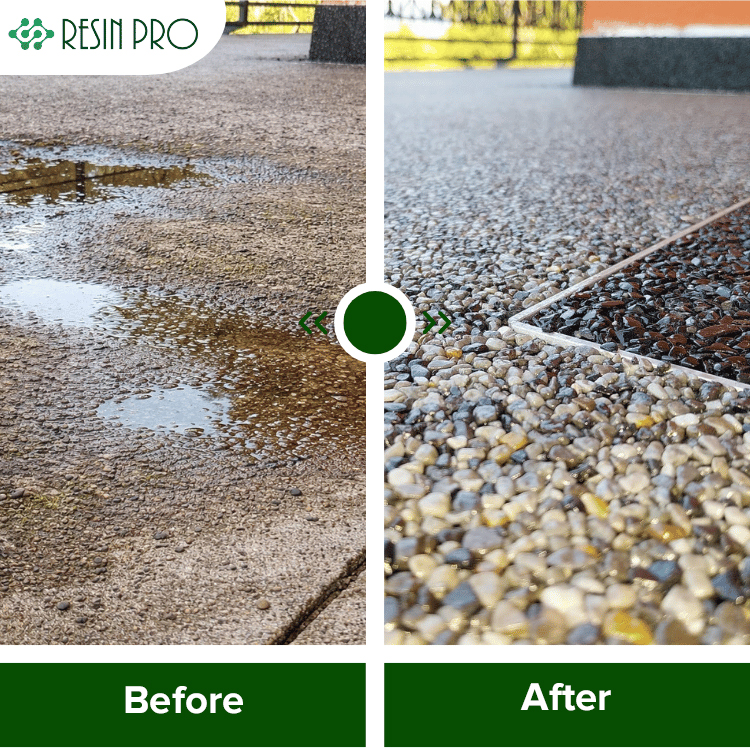
A successful pool surround combines both practicality and style, offering a safe, slip-resistant surface that sheds water efficiently. Resin and stone systems can be tailored for colour, texture, and permeability—making them a top choice for modern gardens and leisure areas. The right binder and aggregate selection ensures your pool area looks great and stays functional even during the wettest months. Explore Pebble Floors for design inspiration.
Step-by-Step Guide: How to Build a Permeable Pool Surround
Constructing a reliable draining surface around your pool involves a few essential stages:
- Prepare the Substrate: Ensure the base is level, stable, and adequately drained. For old surfaces, remove all loose material and repair cracks.
- Apply Sealer if Needed: If installing on concrete, prime or seal with Resinstone to protect against rising damp and ensure strong resin bonding.
- Mix Aggregate and Binder: Combine clean, dry pebbles (like Washed Pebbles) with your chosen binder. Use Trasparente Epoxy Binder for coloured stones, or Polirock for white stones. Follow the 3% binder-to-stone ratio guidance for best strength and porosity.
- Lay Your Permeable Surface: Spread the pebble and resin mixture evenly to your chosen thickness—typically 15–18mm for pedestrian areas. Trowel for a level, joint-free, decorative look.
- Allow to Cure: Let your new pool surround harden and cure according to binder instructions before opening to foot traffic.
For a hassle-free process, the Flowstone Complete Kit provides all the necessary resin and stone, with full instructions for UK weather and material compatibility.
Remember, always check weather forecasts—avoid installation during periods of high humidity or extreme temperatures, and ensure substrates are properly prepared before application.
Maintenance and Long-Term Benefits
Permeable pool surrounds are designed with durability and user-friendliness in mind. Their resin-bound composition makes cleaning straightforward—simply sweep, wash, or use a light jet wash. In the event of accidental staining or stone movement (from frost or heavy traffic), spot repairs can be undertaken using matching binder and aggregate.
Customisable finishes allow you to blend natural pebbles, marble, or granite, so your poolside can perfectly match your garden or patio’s design. This open structure also means reduced water runoff and puddling, helping your outdoor space stay safe and functional even after heavy rain.
Real Pool Projects: Resin and Pebble Success
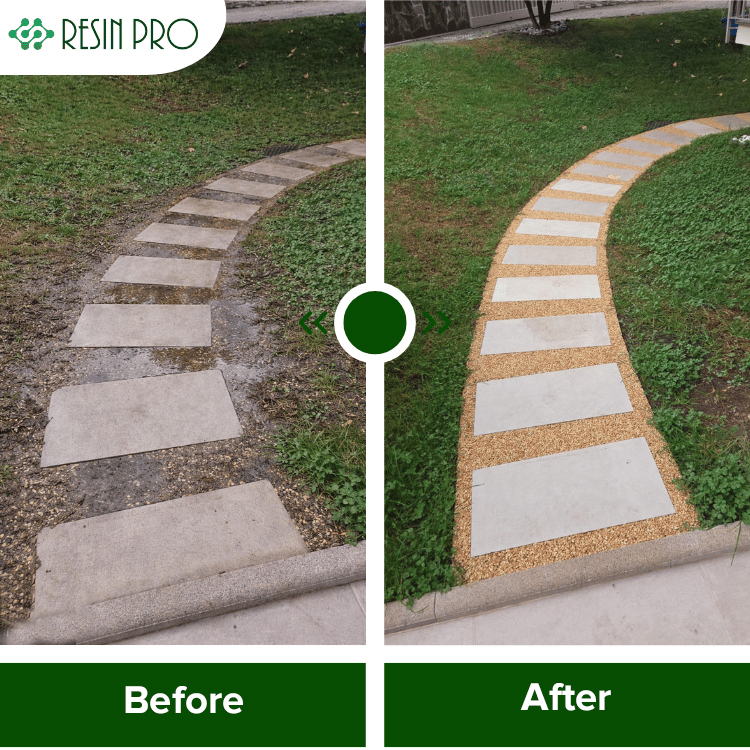
Homeowners and landscape professionals across the UK have revitalised tired pool surrounds with products such as Flowstone and Washed Pebbles. Stone-resin systems are not only practical—they are customisable and stand the test of time. Whether choosing subtle neutrals or bold colours, your permeable finish will maintain its aesthetic year after year. Discover more in our pebble floors range.
Frequently Asked Questions: Permeable Pool Surrounds
- "Flowstone" – Complete Permeable Floor Kit with Pebbles and ResinPrice range: £42.85 through £3,389.85"Flowstone" kit provides a durable porous pebble and resin floor suitable for driveways and patios, with guidance for UK climates.
 Washed Pebbles for Permeable Floors 25kg – Outdoor Resin-Bound Surfaces£26.85Washed Pebbles for Permeable Floors offer a neutral, natural stone option for permeable outdoor surfaces using resin binder.
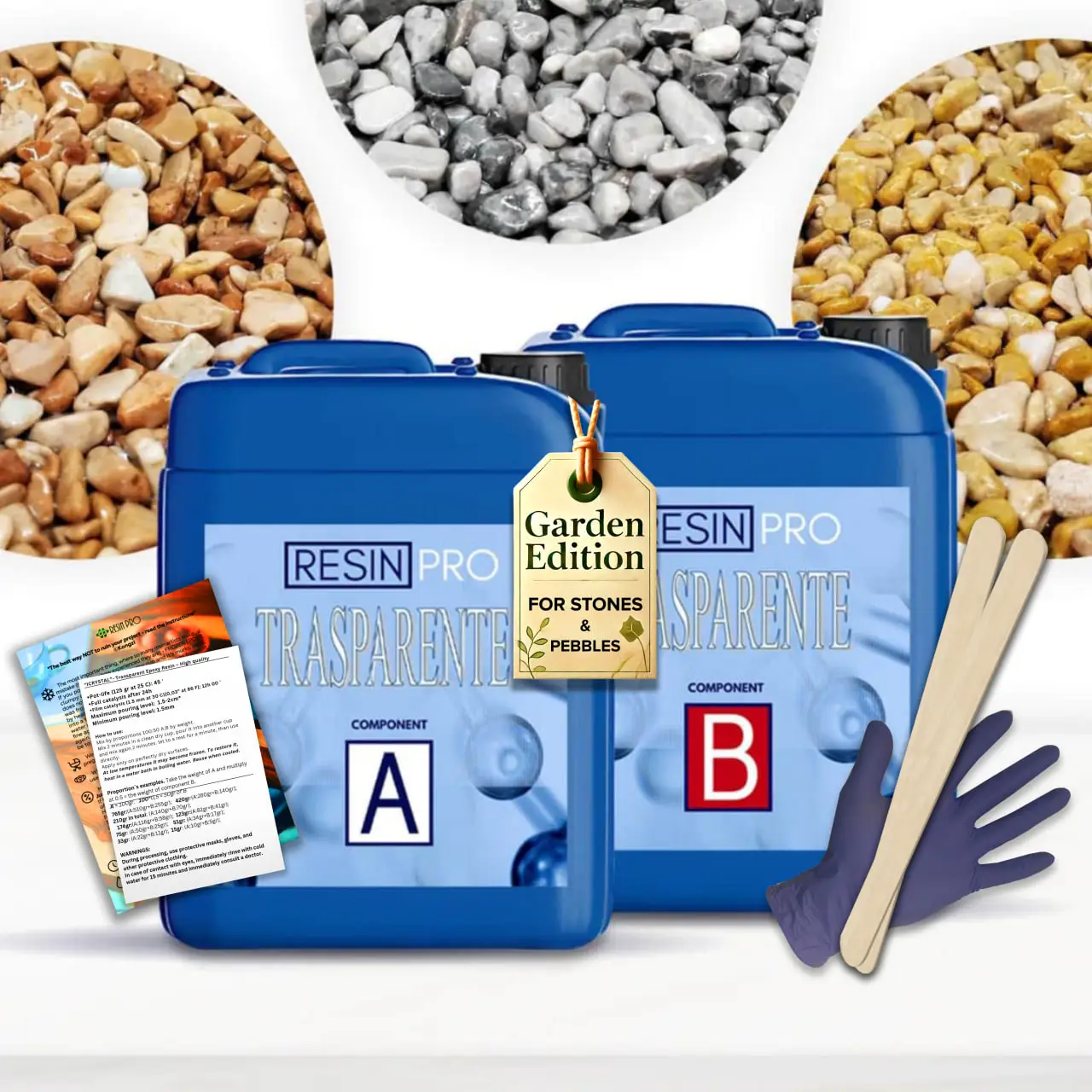 "Trasparente" – Epoxy Binder for Coloured Pebbles and GritsPrice range: £31.85 through £948.85"Trasparente" is a transparent epoxy binder for coloured pebbles and grits, delivering a clear, bubble-free finish suitable for permeable floors.
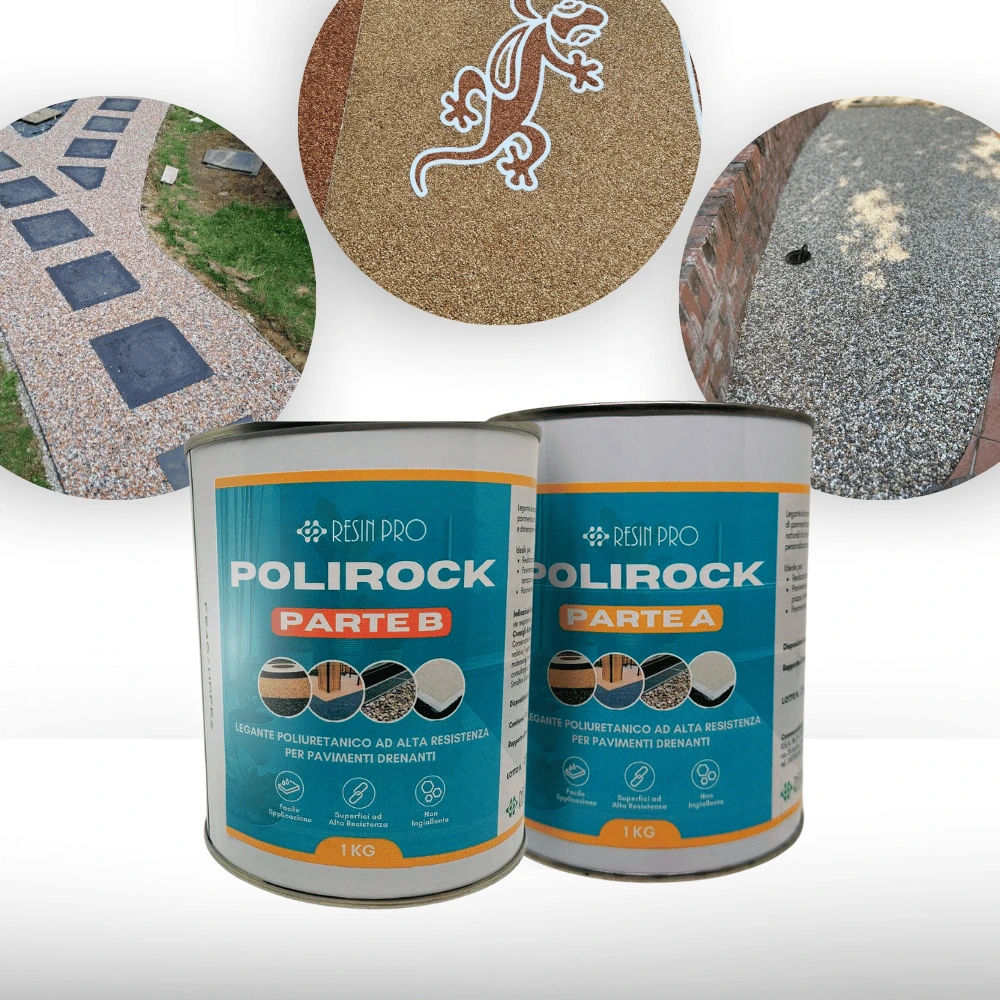 "Polirock" – Polyurethane Binder for White Stones, 2kg Two-Component Kit£58.85Polirock is a two-component polyurethane binder designed for creating decorative, permeable surfaces with white stones, suitable for outdoor uses.
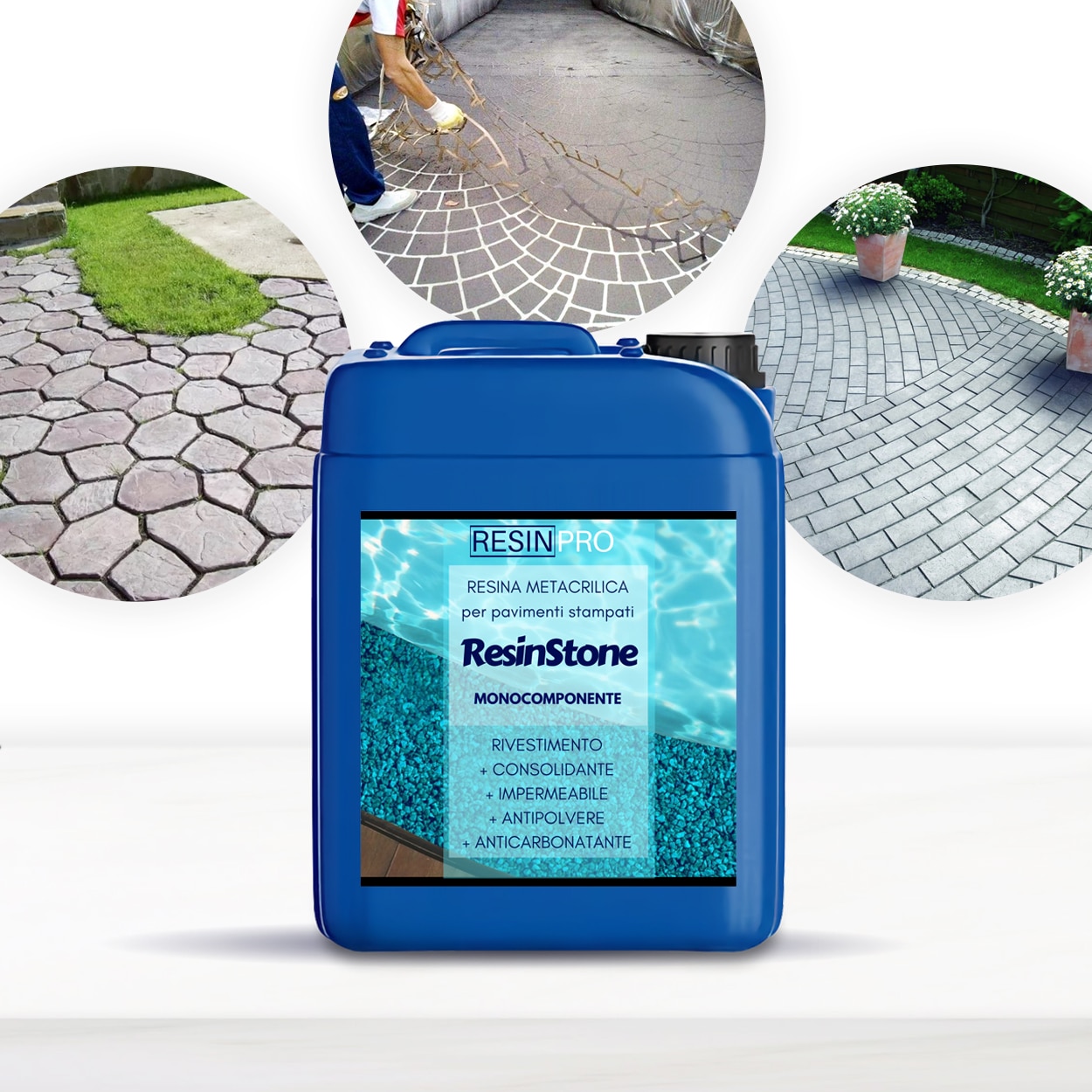 "Resinstone" – One-Component Methacrylic Resin for Concrete Floors and DrivewaysPrice range: £29.85 through £59.85"Resinstone" provides breathable waterproofing and durable protection for concrete floors and driveways, fitting the theme of building a permeable…
What are the advantages of resin-bound flooring around pools?
Resin-bound floors such as those built with Flowstone offer high wear resistance, easy maintenance, and durable protection against water and weather. Joint-free installation and the option for anti-slip surfaces make them ideal for family-friendly poolsides.
Can I use these products myself or do I need a professional?
Most systems are designed for straightforward DIY installation. The Flowstone Kit includes step-by-step instructions, and products like Trasparente Epoxy Binder and Polirock are easy to mix and apply. For large areas, using a cement mixer is recommended.
Which binder should I use—epoxy or polyurethane?
For coloured or natural aggregates, the Trasparente Epoxy Binder is recommended. For white or light stones, opt for the Polirock Polyurethane Binder to avoid yellowing.
Can Resinstone be used as a binder for pebbles?
No, Resinstone is designed for sealing concrete and stamped flooring. For pebble binding, use dedicated epoxy or polyurethane products as detailed above.
How thick should my permeable pool surround be?
For pedestrian pool surrounds, a typical thickness is 15–18mm. Always follow the manufacturer’s guidance for the specific binder and aggregate used.
Are these materials suitable for UK weather?
Absolutely. Products like Flowstone, Trasparente, and Polirock are formulated for outdoor use in UK climates, resisting UV, rain, frost, and regular temperature changes.
Upgrade Your Poolside with Permeable Resin and Stone
With the right resin and pebble technology, transforming your pool surround is accessible and reliable. Shop Pebble Floors and Multipurpose Epoxy Resins for full options, and create a safer, more attractive outdoor environment today.
Frequently Asked Questions
Which binder should I use for permeable pool surrounds?
For coloured aggregates, choose the “Trasparente” Epoxy Binder; for white or light stones, use “Polirock” Polyurethane Binder to ensure colour clarity and durability.
If installing over concrete, “Resinstone” provides a durable, breathable sealer. The “Flowstone” complete kit guides you to the correct binder for each application.
Can permeable pool surrounds handle UK weather?
Yes, the entire system—whether you use Flowstone, Polirock, or Trasparente—is engineered for Britain’s damp, variable climate, resisting frost, rain, and UV exposure.
How thick should a permeable pool surround be?
Recommended thickness for pedestrian use is 15–18mm. Consult the Flowstone kit instructions for your chosen site and stone type before installation.
Can I install resin-bound surfaces myself?
Yes. Products like Flowstone and the dedicated binders are suitable for DIY, with clear instructions provided. Use a cement mixer for best results on larger jobs.
Can Resinstone be used as pebble binder?
No, Resinstone is a protective sealer for concrete and is not designed to bind loose pebbles. Choose Polirock or Trasparente for that purpose.
How do I keep white stone surfaces from yellowing?
Select the Polirock Polyurethane Binder, which features superior non-yellowing chemistry, to preserve bright white or pale stone finishes over time.
Are permeable pool surrounds anti-slip?
Yes, the resin-bound nature and aggregate size create a textured, slip-resistant surface, especially when you select anti-slip polyurethane binders like Polirock.