 Free shipping on orders over £29,85
  Shipping Tracking!


 Google
 Facebook
How do you build modern permeable paving for entrances?
Step-by-step guide to building attractive, draining surfaces

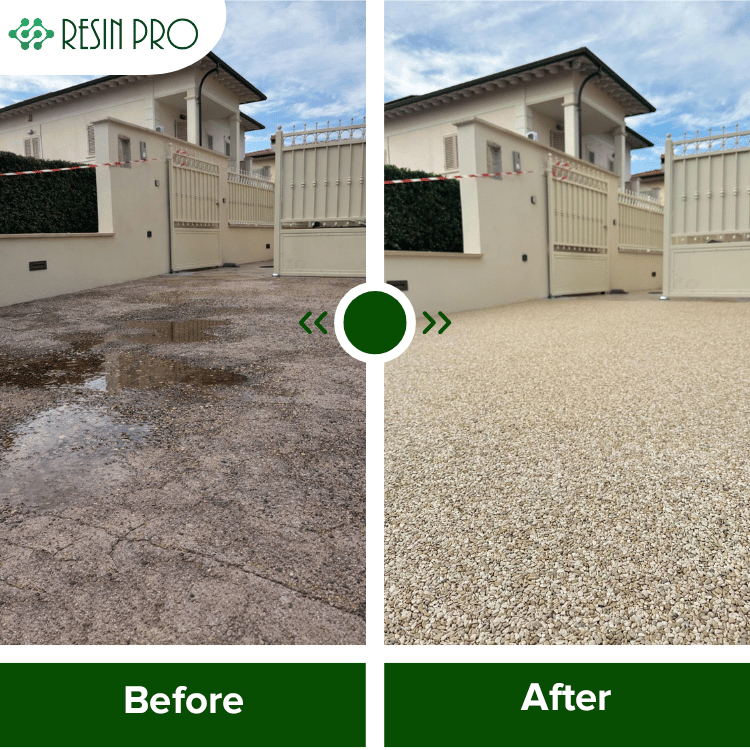
Searching for the ideal way to create stylish, long-lasting surfaces at your home’s entrance or business property? Modern permeable paving is the sustainable answer, combining eye-catching design with robust functionality and water management. With the right products and approach, you can achieve a professional result that addresses the UK’s unique climate challenges—right at your doorstep.
Why Choose Modern Permeable Paving?
Traditional paving can often lead to puddle formation and drainage issues, especially in areas prone to heavy rain. Permeable solution: Modern permeable paving technologies are engineered to let rainwater pass through the surface, preventing water build-up and reducing surface runoff. The result is not only safer, drier walkways but also a positive environmental impact through natural water dispersion.
- Cost-effective renewal: Easily upgrade tired driveways and paths with lasting results.
- Customisable finish: Choose from a range of colours and aggregate sizes for creative expression.
- Simple application: DIY-friendly kits and step-by-step instructions make the process accessible for all.
If you are aiming for an entrance that is both beautiful and practical, permeable resin-bound systems provide the perfect balance.
Key Products for Building Permeable Paving
Understanding your material options is crucial. Below are the recommended choices for constructing modern, resin-bound permeable floors for entrances and driveways:
- “Flowstone” – Complete Permeable Floor Kit with Pebbles and Resin: A ready-to-use kit that simplifies installation by combining decorative pebble aggregates with the proper resin for maximum permeability and colour stability. Excellent for both professional projects and DIY upgrades.
- Washed Pebbles for Permeable Floors 25kg – Outdoor Resin-Bound Surfaces: Washed, dried natural stone aggregates designed for resin-bound outdoor paving ensure a hassle-free application. Use alone or mix with other granules for unique designs. Promotes excellent drainage and supports sustainability goals with its eco-friendly composition.
- “Polirock” – Polyurethane Binder for White Stones, 2kg Two-Component Kit: This binder is perfect when working with white or light-coloured stones, providing a no yellowing finish and weather resilience. The anti-slip, weather-resistant coating ensures durable and safe surfaces for entrances exposed to the elements.
You can explore more solutions within our Pebble Floors range, where options suit every decorative and structural preference.
Comparing Your Options for Permeable Entrances
Every project has its own needs—ranging from design appeal to load-bearing requirements, base preparation, and finish preferences. Here is a quick overview to guide your selection:
- Flowstone Complete Kit: Choose for all-in-one convenience, especially if you want guidance on substrates, mixing, and finishing. Suitable for a wide range of outdoor entrances and driveways.
- Washed Pebbles: Opt for flexibility in aggregate choice and artistic layouts—ideal for patios and pathways where custom design matters.
- Polirock Polyurethane Binder: Select this when fixing white stones or aiming for ultra-long-lasting clarity and UV resistance—for example, at high-visibility entrances where aesthetics are key.
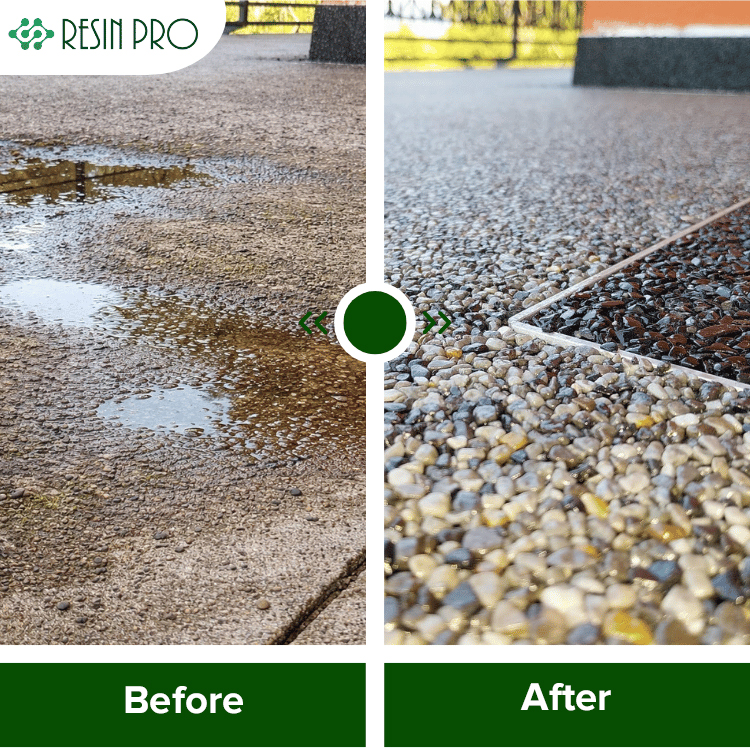
Visual Inspiration: Contemporary Permeable Paving Styles
Today’s permeable paving doesn’t just solve drainage issues—it elevates your entrance with modern design. Browse examples of completed projects using the Flowstone Complete Kit, Washed Pebbles, and Polirock Binder to spark ideas for texture, colour, and pattern possibilities in your own project.
Step-by-Step Guide: Constructing Permeable Resin-Bound Floors
The process for creating modern permeable paving for entrances is straightforward and efficient. Begin by preparing the substrate, ensuring it is stable and suited to the loads anticipated (consult the guidance included with the Flowstone kit for surface requirements).
Next, select washed and dried pebbles, such as the Washed Pebbles for Permeable Floors 25kg, to mix with your chosen binder. For white aggregates, use the Polirock Polyurethane Binder to prevent yellowing and maintain brightness. For coloured stones, the low-yellowing epoxy options within the Flowstone kit ensure lasting visual appeal.
Mix thoroughly (a cement mixer is recommended for large surfaces), then spread evenly to your desired depth. Compact gently to lock the aggregates, and allow the floor to cure—walkable within 12 hours in warm conditions, with full durability achieved after 36-48 hours, subject to temperature.
Resin-bound permeable systems are designed to be DIY-friendly. The included guidance makes installation accessible, while professional results are easily attainable even for beginners. Maintenance is minimal—just sweep or occasionally rinse to keep your entrance pristine.
Maintenance Made Simple for Permeable Floors
With resin-bound systems, keeping your surface pristine takes minimal effort. Occasional sweeping or rinsing ensures lasting looks, while the anti-slip and UV-resistant finishes provided by products like Polirock guarantee both safety and colour stability throughout the year.
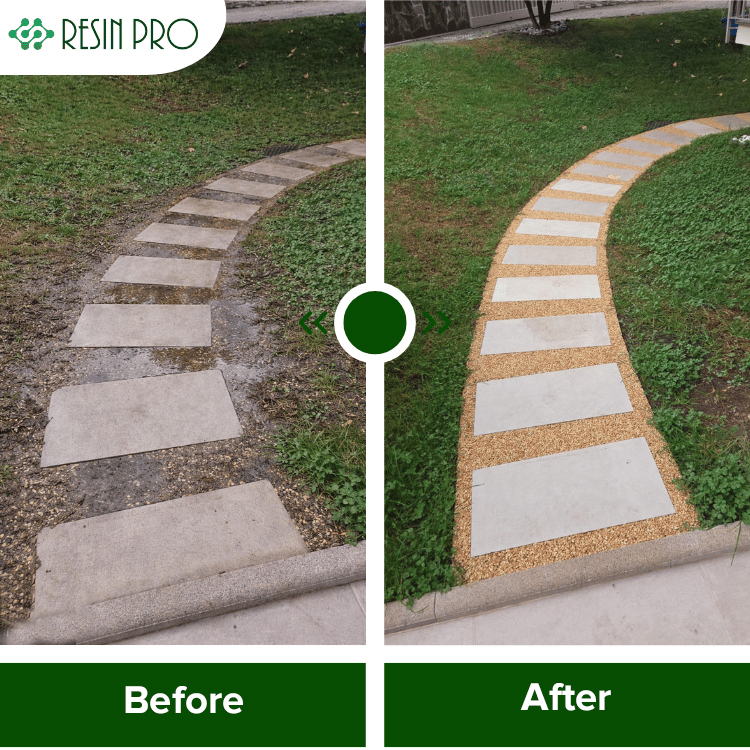
Long-Term Benefits and Ideal Use Cases
The strength of modern permeable paving lies in its adaptability to the British climate, resisting frost, water, and daily wear with ease. Whether you are refreshing a driveway, crafting a path through the garden, or enhancing curb appeal at your home or business, these resin-bound solutions offer unrivalled durability paired with low upkeep.
- Anti-slip finishes make busy entrances safer year-round.
- Excellent drainage protects buildings and foundations from water damage.
- Enables creative expression—mix aggregates, play with patterns, and highlight property features.
For large-scale or public areas, durability remains uncompromised. These floors handle pedestrian traffic, light vehicles, and all weather conditions, providing peace of mind and a finished look that lasts.
- "Flowstone" – Complete Permeable Floor Kit with Pebbles and ResinPrice range: £42.85 through £3,389.85The Flowstone kit offers a durable, permeable pebble and resin floor system with simple application and customisable colour options suited for UK…
 Washed Pebbles for Permeable Floors 25kg – Outdoor Resin-Bound Surfaces£26.85Washed Pebbles for Permeable Floors 25kg provide natural stone aggregates designed for resin-bound outdoor spaces with good drainage.
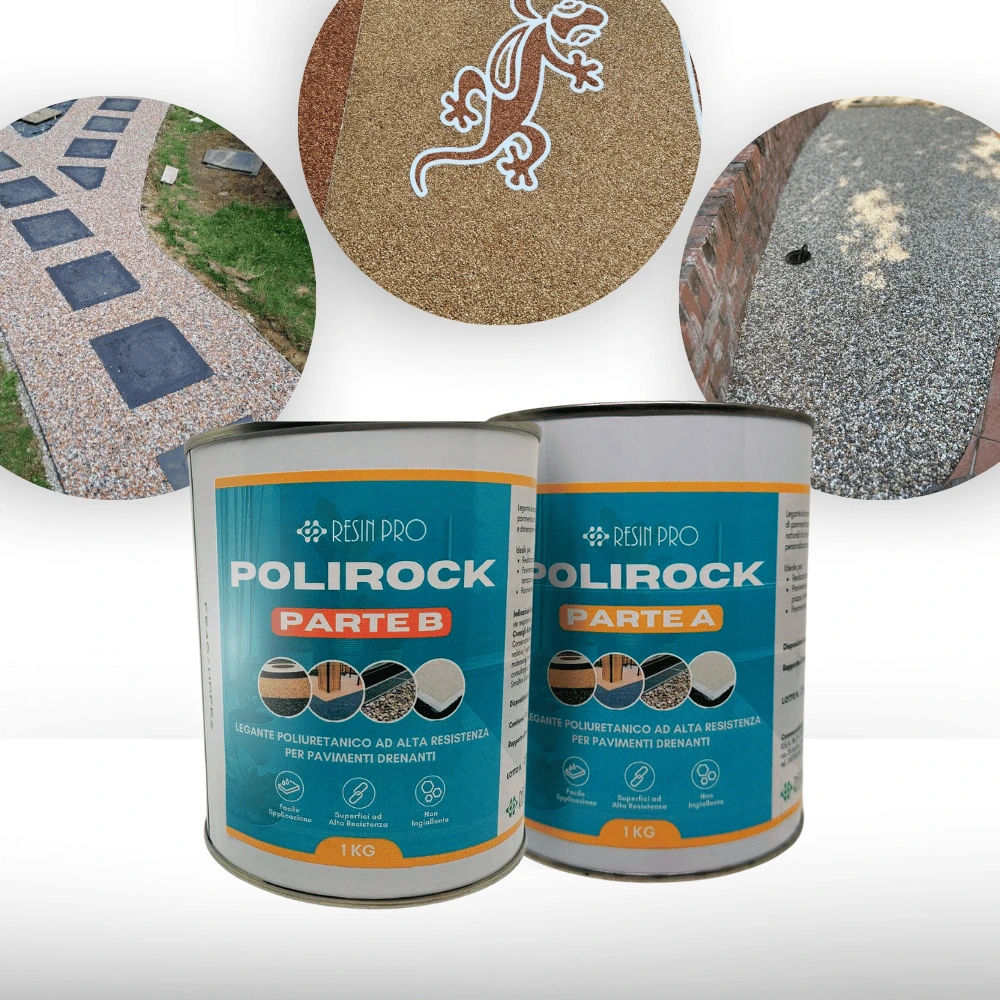 "Polirock" – Polyurethane Binder for White Stones, 2kg Two-Component Kit£58.85A two-component polyurethane binder designed for decorative, permeable outdoor stone surfaces with durability and clarity.
Frequently Asked Questions
What types of resin do you offer for permeable flooring?
ResinPro provides resins for diverse applications, including industrial cement-based floors, coloured self-levelling designs, garage flooring, and permeable pebble floors for outdoor paths and entrances.
What are the main advantages of resin-bound permeable floors?
Resin-bound systems offer high resistance to wear, simple cleaning, effective waterproofing, customisable looks, and excellent drainage. They are low in maintenance and long-lasting, suiting the UK climate well.
Are there specific weather conditions needed for resin application?
Yes, it is best to avoid very low or high temperatures and high humidity during resin application. Proper climatic conditions help ensure strong adhesion and correct curing.
What exactly is a permeable floor?
A permeable floor is constructed to allow water to seep through, preventing puddles and reducing local flooding risk. An aggregate-resin mixture allows rainwater to drain into the subsoil naturally.
Where should permeable floors be installed?
They are ideal for entrances and other outdoor spaces prone to rainfall, such as car parks, driveways, courtyards, gardens, public squares, terraces, and pathways.
Is DIY installation really possible for these systems?
Absolutely. Application is straightforward and doesn’t require advanced skills. For extensive surfaces, a cement mixer helps with blending aggregates and resin evenly.
Which binder should I use for white or light stones?
To keep white stones from yellowing, always select a polyurethane binder such as Polirock. This ensures clarity and long-term aesthetic retention for entrances with white or light finishes.
How much binder do I need for an entrance project?
For a 1.2 square metre area at 20–40mm depth, you will need approximately 13kg of polyurethane binder for about 432kg of stones. Actual amounts vary by aggregate size and thickness, so consult product instructions for exact ratios.