 Free shipping on orders over £29,85
  Shipping Tracking!


 Google
 Facebook
How do you coat a floor with resin?
Step-by-step guide for durable resin flooring results
Resin floor coatings offer a modern, seamless finish that is both tough and decorative. Whether you are upgrading a garage, hallway or workshop, this guide will walk you through the essential steps to achieve professional results with resin. From preparation to aftercare, discover how to apply a resin floor that stands up to wear, moisture, and time.
What You’ll Need
- “Epoxyprimer” – Universal Water-Based Two-Component Epoxy Floor Primer – for preparing concrete, timber, screed or tile floors before resin coating
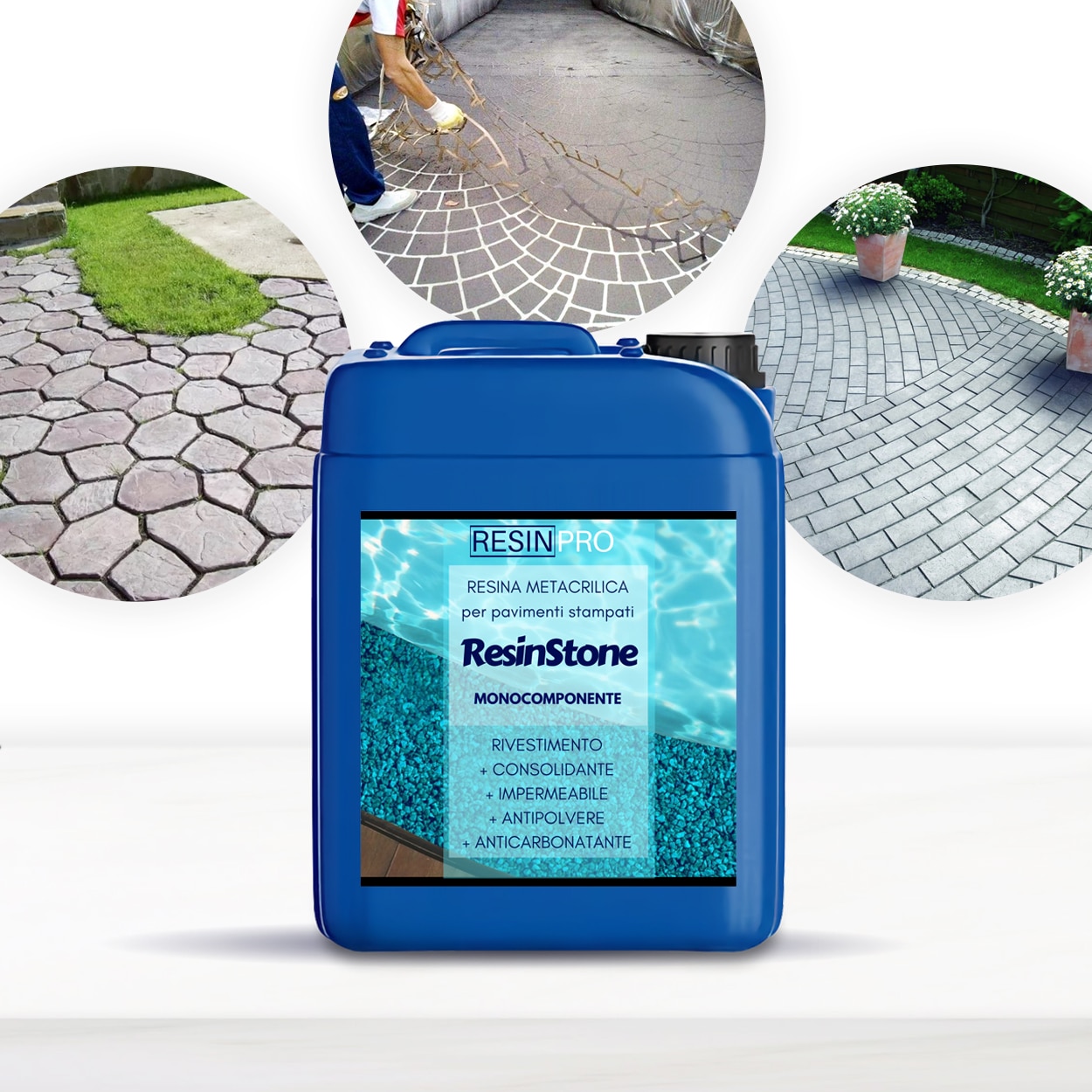
- “Resinstone” – One-Component Methacrylic Resin for Concrete Floors and Driveways – ideal for sealing outdoor concrete and driveways
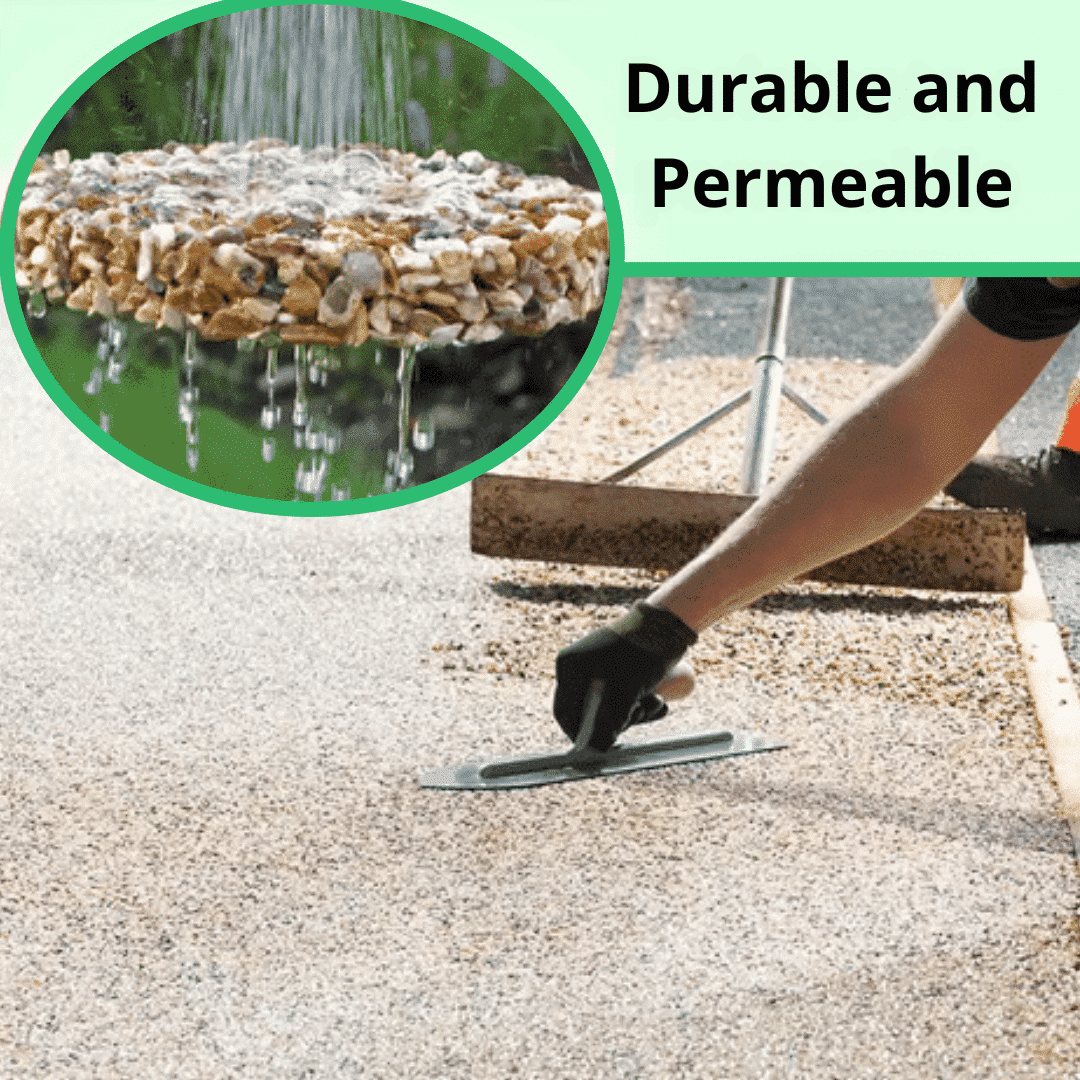
- “Flowstone” – Complete Permeable Floor Kit with Pebbles and Resin – for permeable, decorative stone resin surfaces
- “Prolux” – PU coating for tiles, concrete, plastic and metal – suitable for driveable surfaces – suitable for finishing interior and exterior floors, tiles, and even metal
- Protective clothing and gloves
- Masking tape and dust sheets
- Rollers, brushes or a trowel (as per resin system)
- Sanding equipment (if needed)
- Mixing bucket and mixing drill (where two components require blending)

Choosing the Right Resin Solution for Your Floor
Select your resin system according to the type of floor and how it will be used. For concrete or timber indoors, an epoxy primer ensures superior adhesion and long-term durability. Outdoor driveways benefit from methacrylic or polyurethane resins for their weather resistance and mechanical robustness. Decorative permeable surfaces require kits designed for both drainage and visual appeal. Assess your surface and traffic demands before choosing.
Step 1: Prepare your workspace and surface
Clear the floor of all furniture, dust and debris so you have full access. Any old coatings, oils, or surface contamination must be removed for optimal adhesion. If working on concrete, fill cracks or holes and grind any uneven spots for a smooth, stable base. Timber, screed or tiles should be degreased and made free from loose material. The area should be dry, well-ventilated, and at a stable temperature to avoid curing issues or moisture entrapment.
Take time to mask adjacent surfaces and use dust sheets on skirting or nearby fixtures. Meticulous preparation at this stage sets up the entire coating for longevity and aesthetics.
Step 2: Prime the substrate for adhesion
Priming is crucial on concrete, wood or ceramics as it seals any residual porosity and ensures maximum bond with the resin topcoat. Apply an even layer of “Epoxyprimer” – Universal Water-Based Two-Component Epoxy Floor Primer by roller or brush, according to the manufacturer’s guidance. Let it cure fully—typically 24 to 48 hours—before proceeding. This step prevents bubbles and delamination and delivers a durable foundation for your resin layer.
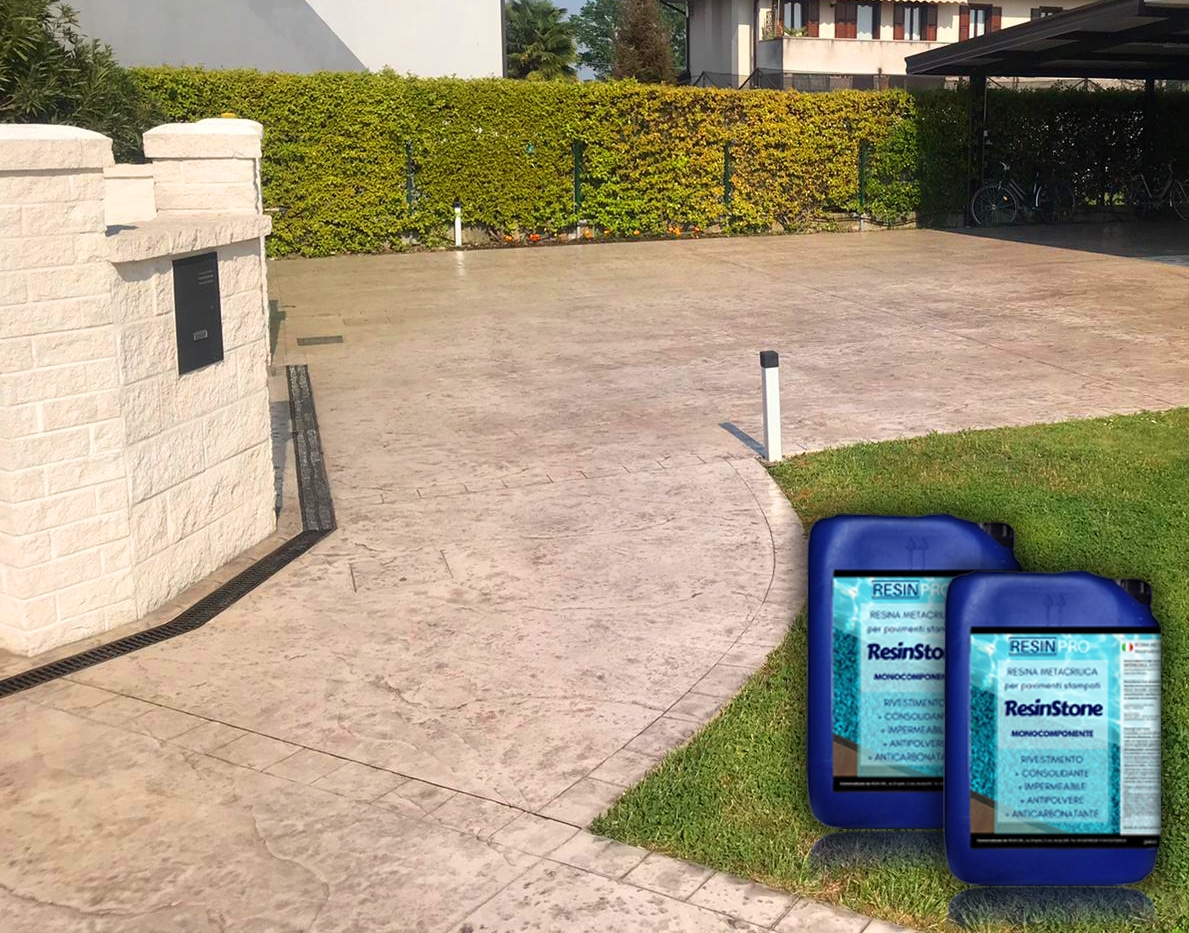
For driveways or outdoor slabs, use “Resinstone” – One-Component Methacrylic Resin as a reliable base prior to the main resin coat where deeper sealing and mechanical resistance are needed.
Step 3: Mix and apply your resin system carefully
Prepare the correct ratio of resin and hardener (or activator if using a one-component system), using a mixing blade and clean bucket. Blend thoroughly to avoid unmixed sections causing flaws in your floor. For large, seamless areas, pour the resin in sections, working methodically with a roller, flat trowel, or spatula depending on floor type and product.
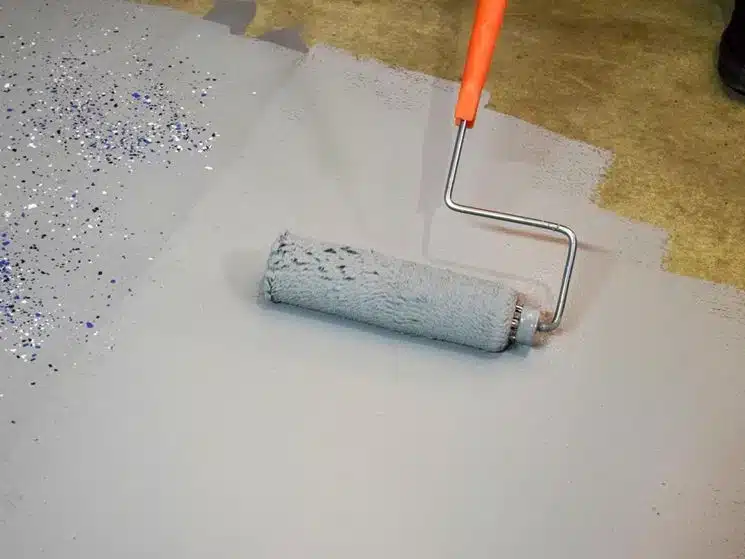
Where permeability is required, as in decorative outdoor stone, prepare and spread aggregates using the “Flowstone” – Complete Permeable Floor Kit with Pebbles and Resin. For interior or driveable surfaces, a tough finish is achieved by rolling on “Prolux” – PU coating for tiles, concrete, plastic and metal, which is both UV-stable and highly durable.
Work wet-on-wet for a uniform finish, and avoid overworking. Monitor cure times and conditions for the product in use.

Step 4: Finishing touches and proper aftercare
Allow the new resin coat to cure fully, keeping the area free from dust, damp, and traffic. Most systems reach initial set in 12 to 24 hours and full hardness within several days. Remove masking tape promptly for clean edges. Where anti-slip properties are needed, apply fine aggregates before cure or opt for an anti-slip finish if available.
Avoid dragging heavy objects across the new floor during initial cure, and use suitable cleaning methods for long-term preservation of your resin coating. Regular checks and gentle maintenance will keep your floor pristine and extend its lifespan.
Tips, common mistakes, and troubleshooting
- Check the moisture content of concrete floors, as dampness can prevent adhesion and cause delamination.
- Ensure accurate mixing ratios with two-component products to prevent tacky or brittle areas.
- Always ventilate the workspace when working with resin—even odourless types—for comfort and safety.
- Work within recommended temperature and humidity ranges for best results.
- Plan your workflow to work swiftly but methodically, as resin can begin to cure quickly once mixed.
- Keep all tools clean and ready to prevent contamination that could affect your finish.
Visual Inspiration: Before and After Resin Flooring
A freshly coated resin floor brings new life to tired spaces. Compare before-and-after examples to see the dramatic change: seamless, glossy interiors that are easy to clean, and transformed patios or drives that resist puddling. Whatever your space, the right resin coating elevates both function and style, creating a striking surface built to last.

- "Epoxyprimer" – Universal Water-Based Two-Component Epoxy Floor PrimerPrice range: £156.45 through £286.45Epoxyprimer is a water-based two-component epoxy floor primer designed for reliable adhesion on concrete, wood, tiles, and screeds.
- "Resinstone" – One-Component Methacrylic Resin for Concrete Floors and DrivewaysPrice range: £36.71 through £336.48"Resinstone" is a one-component methacrylic resin designed for sealing and protecting concrete floors and driveways with durable, waterproof…
- "Flowstone" – Complete Permeable Floor Kit with Pebbles and ResinPrice range: £49.95 through £3,915.45"Flowstone" offers a durable, permeable pebble and resin floor kit with simple application steps suitable for UK outdoor spaces.
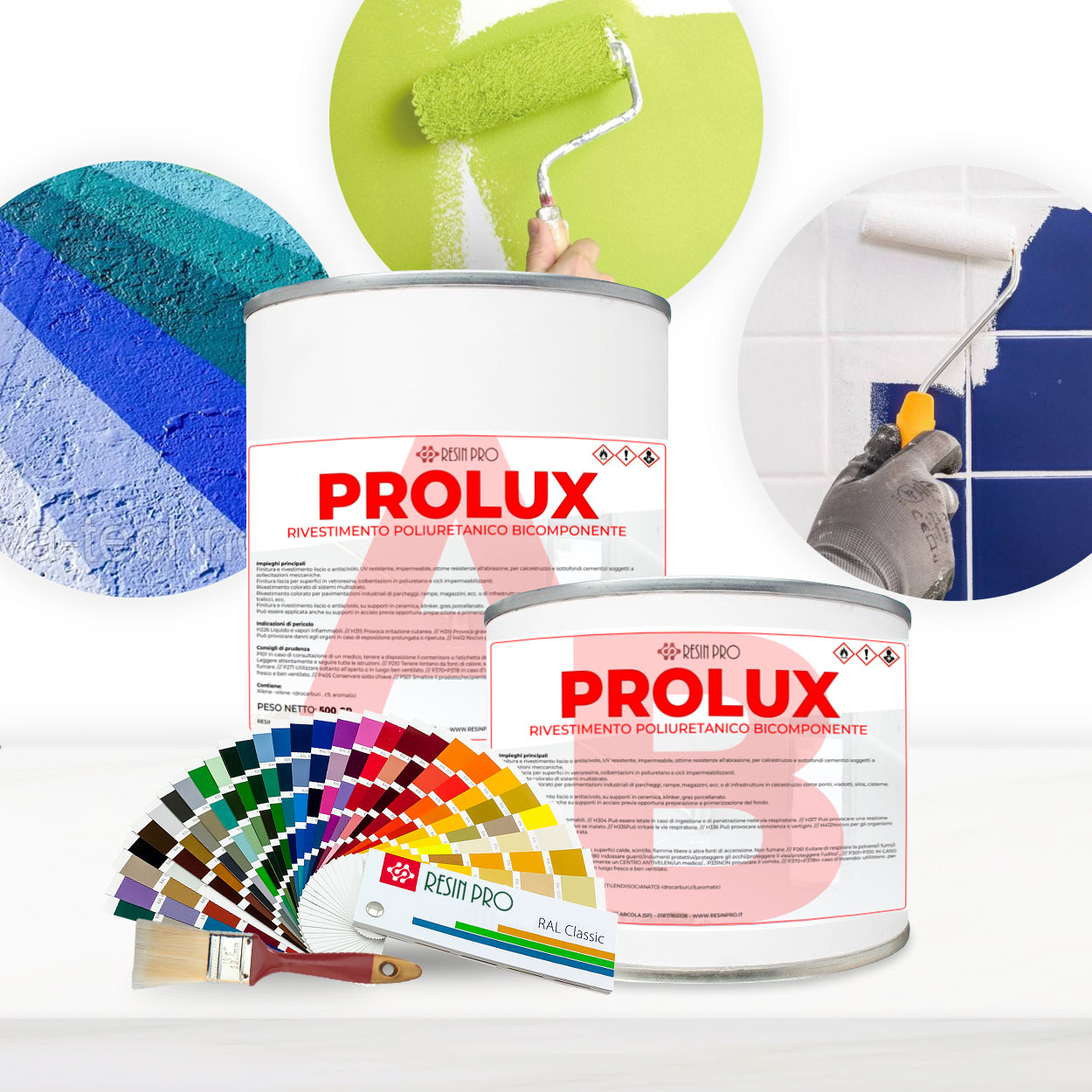 "Prolux" – PU coating for tiles, concrete, plastic and metal – suitable for driveable surfacesPrice range: £44.85 through £494.85"Prolux" is a polyurethane coating suitable for multiple surfaces, including floors and driveable areas, with options in gloss or satin finish.
Frequently Asked Questions
Do I need to prime the floor before resin coating?
Yes, priming improves adhesion and reduces the risk of bubbles or delamination, especially on absorbent or porous surfaces like concrete or wood.
How long does resin take to cure on floors?
Most resin floors are walkable after 12–48 hours, but full strength cures within a week. High humidity and low temperatures can extend curing times.
Can you coat tiles or wood floors with resin?
Yes, you can coat tiles or wood if correctly cleaned and primed to ensure durable adhesion and smooth, lasting results.
How do I make a resin floor non-slip?
Add suitable anti-slip aggregates to the final wet coat, or choose a coating with an anti-slip finish for increased surface grip.
Which resin type should I use for driveways?
Methacrylic or polyurethane resins are best for driveways due to their durability and resistance to weather, chemicals and vehicle traffic.
How do I maintain and clean a resin floor?
Sweep regularly and clean with a mild detergent; avoid harsh chemicals and never drag heavy objects across recently coated surfaces.
What conditions are best for resin flooring?
Apply resin in dry, well-ventilated rooms between 10 and 25°C. High humidity or cold will affect curing and finish quality.