 Free shipping on orders over £29,85
  Shipping Tracking!


 Google
 Facebook
How do you cover a resin doghouse roof?
Step-by-step guide to seal, protect and waterproof resin roofs outdoors
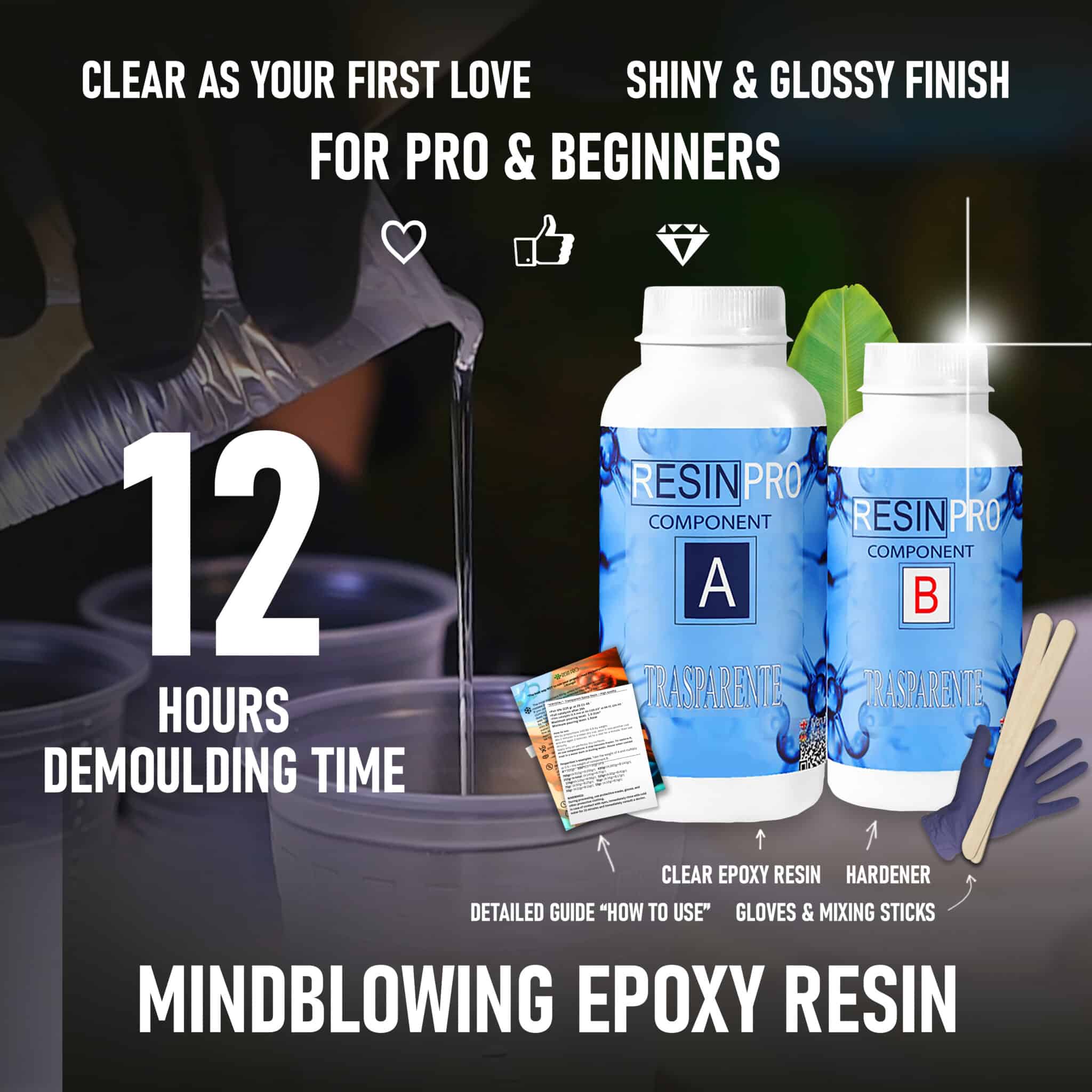

If you want to effectively seal, protect, and waterproof your resin doghouse roof, a careful coating process is essential. This guide walks you through each step, from surface preparation to the final weatherproof finish, ensuring your doghouse stays protected from the elements for years to come.
What You’ll Need
- “Trasparente” – Multipurpose Clear Epoxy Resin for Casting – Up to 2cm: Clear epoxy resin for durable and glossy surface protection, ideal for coatings up to 2 cm thick.
- “EpoxyWood” – Wood Restoration Epoxy Resin for Deep Penetration and Waterproofing: Best if the base roof incorporates wood, ensuring waterproof reinforcement beneath the resin layer.
- “Heat Pro” – Flexible Heat-Resistant Glossy Coating: Useful for an extra flexible, heat-resistant topcoat on exposed surfaces.
- “Be Flex” – Transparent Polyurethane Doming Resin – Scratch-Resistant: Consider for curved or contoured doghouse roofs needing flexibility.
- Protective gloves and mixing tools
- Sanding paper (medium–fine grit)
- Clean, dry cloth or tack cloth
- Masking tape and brushes/rollers (as suitable)

Surface Preparation Essentials
Preparing your doghouse roof properly is the foundation for lasting protection. Always remove dust, old paint, grease, and test for underlying dampness before applying any resin layer. For hybrid roof materials, reinforce wood with EpoxyWood where needed. Careful preparation means a smoother, more resilient coating.
Step 1: Thoroughly Prepare and Clean the Surface
Cleanliness is key to strong adhesion: Begin by removing any contaminants like dust, dirt, grease, or particles from the resin roof. A clean, dry cloth or tack cloth is effective at capturing residual dust. If the doghouse roof combines resin and wood, sand any rough or glossy wood areas with medium–fine grit paper to create a smooth surface that promotes resin bonding. Avoid using water or aggressive cleaners, as any residue can trouble the adhesion of your coatings. Inspect for cracks or weaknesses; for wooden substrates, consider reinforcing the structure with EpoxyWood to deeply seal any vulnerable spots before proceeding.
Step 2: Ensure the Roof is Dry and Stable
Ensure total dryness before applying resin: Moisture is the main reason resin coatings fail outdoors. Let the doghouse roof air dry in sheltered conditions, especially after rainfall, condensation, or cleaning. Only proceed when no damp patches remain. This minimises the risk of bubble formation or hydrolysis under your final resin layer and maximises longevity in outdoor weather.
Step 3: Mask Off Surrounding Areas
Mask off adjacent surfaces to control resin flow: Use painter’s tape along any roof edges, trims, or adjoining areas you don’t want coated. This keeps resin contained and ensures a neat finish. Lay protective sheeting or plastic on the floor to guard against spills, particularly if pouring or rolling larger resin volumes.

Step 4: Mix and Apply Your Chosen Resin Coating
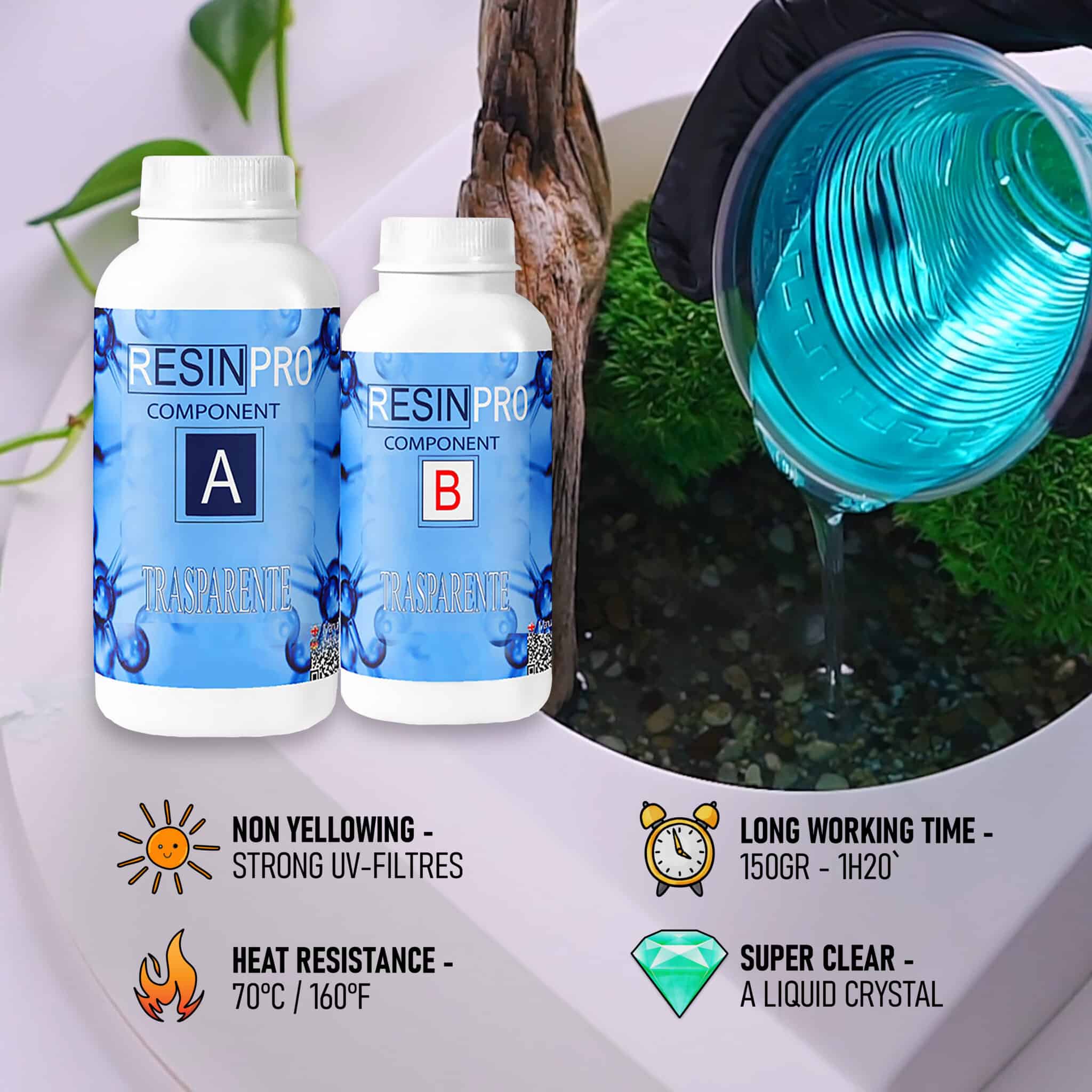
Select your coating based on the roof type. For most flat or gently sloped surfaces, mix “Trasparente” – Multipurpose Clear Epoxy Resin for Casting – Up to 2cm meticulously following package ratios and instructions. Pour into a clean mixing vessel, combine resin and hardener, and stir slowly to prevent air bubbles. Immediately pour or brush the resin evenly across the roof, guiding it to a smooth, self-levelling layer. For complex curves or domes, “Be Flex” – Transparent Polyurethane Doming Resin – Scratch-Resistant can provide a flexible, weather-resistant coat that won’t crack with movement. Apply in thin, multiple coats for maximum durability where needed.

Step 5: Allow Resin to Cure and Inspect the Results
Apply resin evenly for a consistent seal: Once coated, shield the doghouse from dust, rain, or debris for the entire curing period (refer to your chosen product’s label). Avoid handling or disturbing the resin until fully cured; incomplete curing can result in soft spots or surface marks. For roofs exposed to strong sun and temperature fluctuations, an additional topcoat using Heat Pro helps protect against scratches and thermal shocks. Inspect the finish – it should be glossy, smooth, and free from sticky or cloudy areas before putting the roof back into use.
Tips for Success and Common Pitfalls
Monitor outdoor temperatures and weather: Temperature and humidity have a significant impact on resin performance. Apply coatings ideally between 18–25°C and avoid rainy or damp weather. Always review full product instructions, never exceed recommended thickness, and work with adequate ventilation in your workspace. If working in colder months, ensure resin and surface are both at room temperature for optimal results. Remember, patience at every preparation and curing stage leads to a longer-lasting, weatherproof roof.
Outdoor Curing and Weathering
Protect your work from unexpected weather during curing. Use a canopy or cover to keep the doghouse roof dry and free from contamination while curing. Take extra care immediately after resin application, especially in high pollen seasons or if rain is forecast. This vigilance ensures a flawless, professional result.

- "Trasparente" – Multipurpose Clear Epoxy Resin for Casting – Up to 2cmPrice range: £8.95 through £397.95"Trasparente" clear epoxy resin is suitable for detailed castings and tables with up to 2 cm layers, matching the theme of covering a resin doghouse…
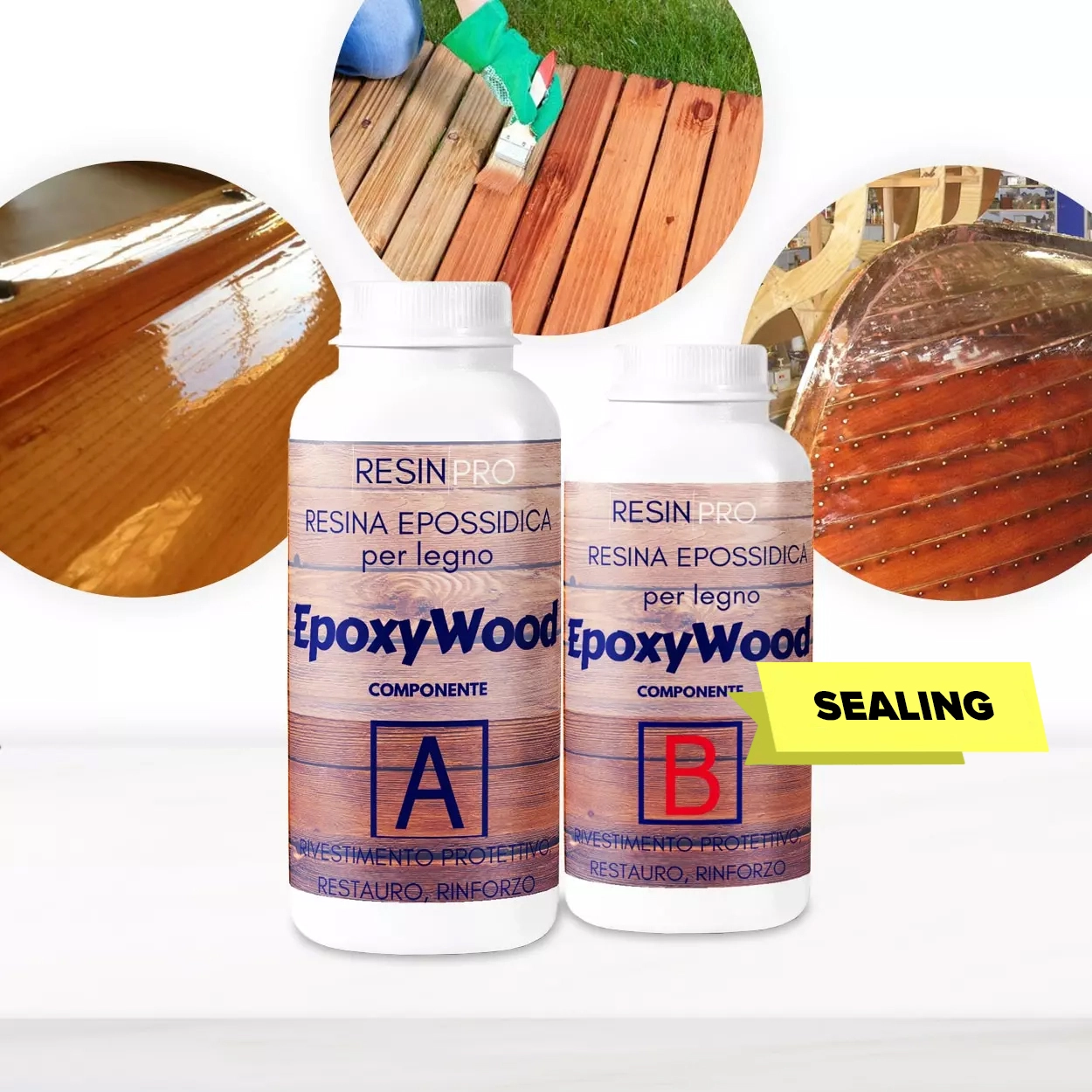 "EpoxyWood" – Wood Restoration Epoxy Resin for Deep Penetration and WaterproofingPrice range: £27.95 through £41.95"EpoxyWood" is a wood restoration epoxy resin designed for deep penetration and waterproofing, suitable for repairing and protecting wooden surfaces.
- "Heat Pro" – Flexible Heat-Resistant Glossy CoatingPrice range: £26.45 through £185.45Heat Pro is an elastic, heat-resistant resin coating designed for epoxy resin surfaces needing heat and scratch protection with a glossy finish.
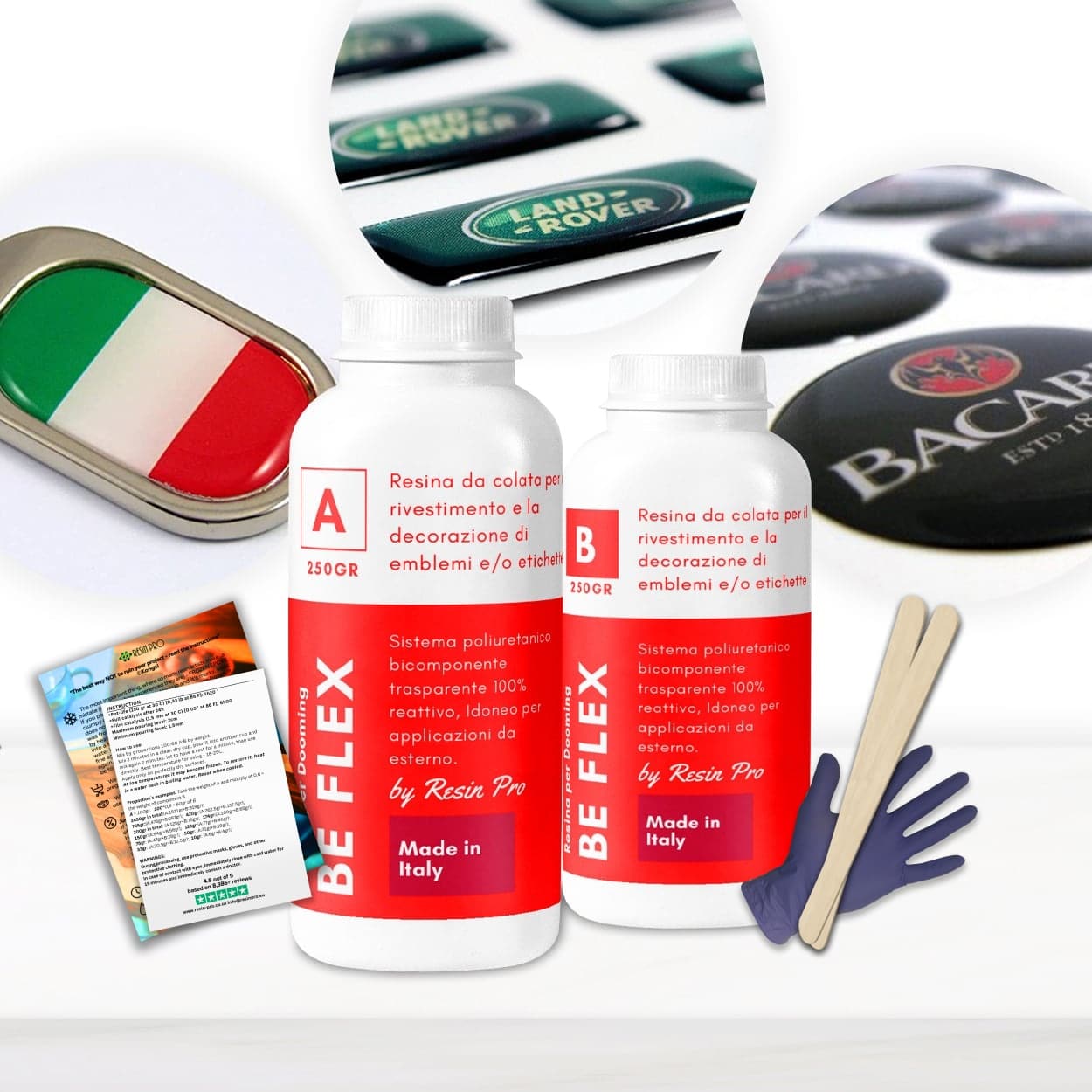 "Be Flex" – Transparent Polyurethane Doming Resin – Scratch-ResistantPrice range: £45.00 through £81.95Be Flex is a transparent, flexible polyurethane resin for durable, scratch-resistant 3D doming effects on curved surfaces.
Frequently Asked Questions
What is the best resin coating for an outdoor doghouse roof?
A clear epoxy resin like "Trasparente" ensures a strong, weatherproof finish. For curved roofs, consider a flexible polyurethane resin such as "Be Flex" for durability.
How many coats of resin should I apply to a doghouse roof?
One generous or two thin coats are sufficient in most cases. Always follow the product instructions regarding maximum thickness for outdoor applications.
Does a resin-coated doghouse roof need extra UV protection?
For prolonged sun exposure, choose resins with integrated UV filters or apply a UV-resistant topcoat like "Heat Pro" to minimise yellowing.
How long does resin take to cure on a doghouse roof?
Most resins are touch-dry within 24 hours, but full curing can require 2–5 days, depending on thickness and weather conditions.
Can I apply resin over existing roof materials?
Yes, as long as the original surface is sanded, clean, and completely dry. Resin adheres best to stable, dust-free substrates.
What should I do if my resin doesn't cure properly?
Check mixing ratios, ensure all layers are dry, and avoid applying in high humidity. Uncured resin may need to be removed and reapplied.
Can I add colour pigment to my resin doghouse roof?
Yes, compatible resin pigments can be mixed in before application to achieve coloured finishes. Limit pigment ratios to avoid affecting curing.