 Free shipping on orders over £29,85
  Shipping Tracking!


 Google
 Facebook
How do you glue epoxy polyester powder coating?
A step-by-step guide for secure, lasting adhesive bonds


Gluing to epoxy polyester powder-coated surfaces can be a challenge, but with the right preparation and technique, you can achieve strong, long-lasting bonds for repairs or new projects. This guide covers everything you need to know to successfully glue onto powder-coated finishes.
What You’ll Need
- “Klebfix” – Two-Component Fast Epoxy Glue 2K, 25g Syringe — Ideal for fast-setting, high-strength bonds
- “FixExpress” – Two-Component Epoxy Glue 500g — Offers reliable adhesion on various materials, suitable for larger repairs
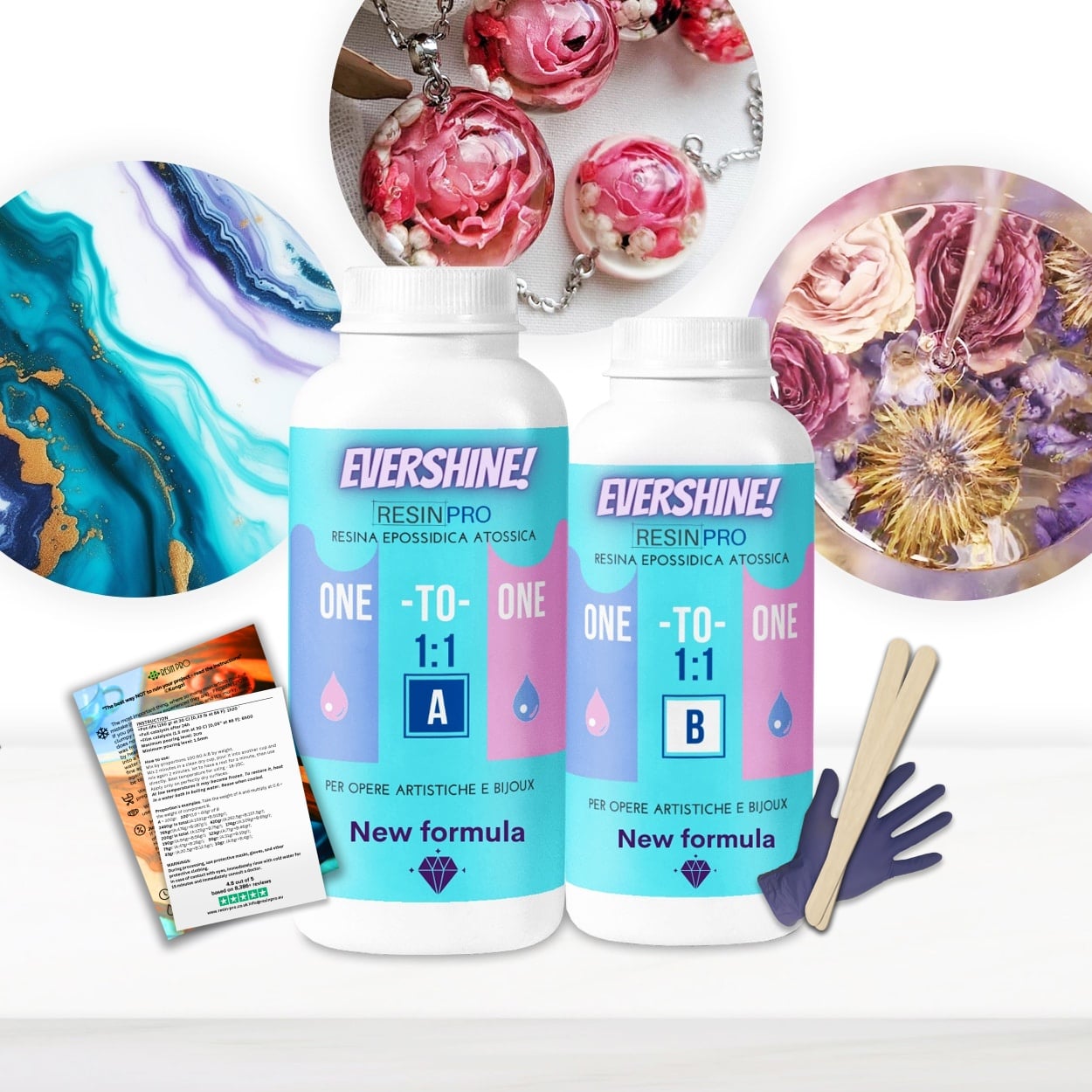
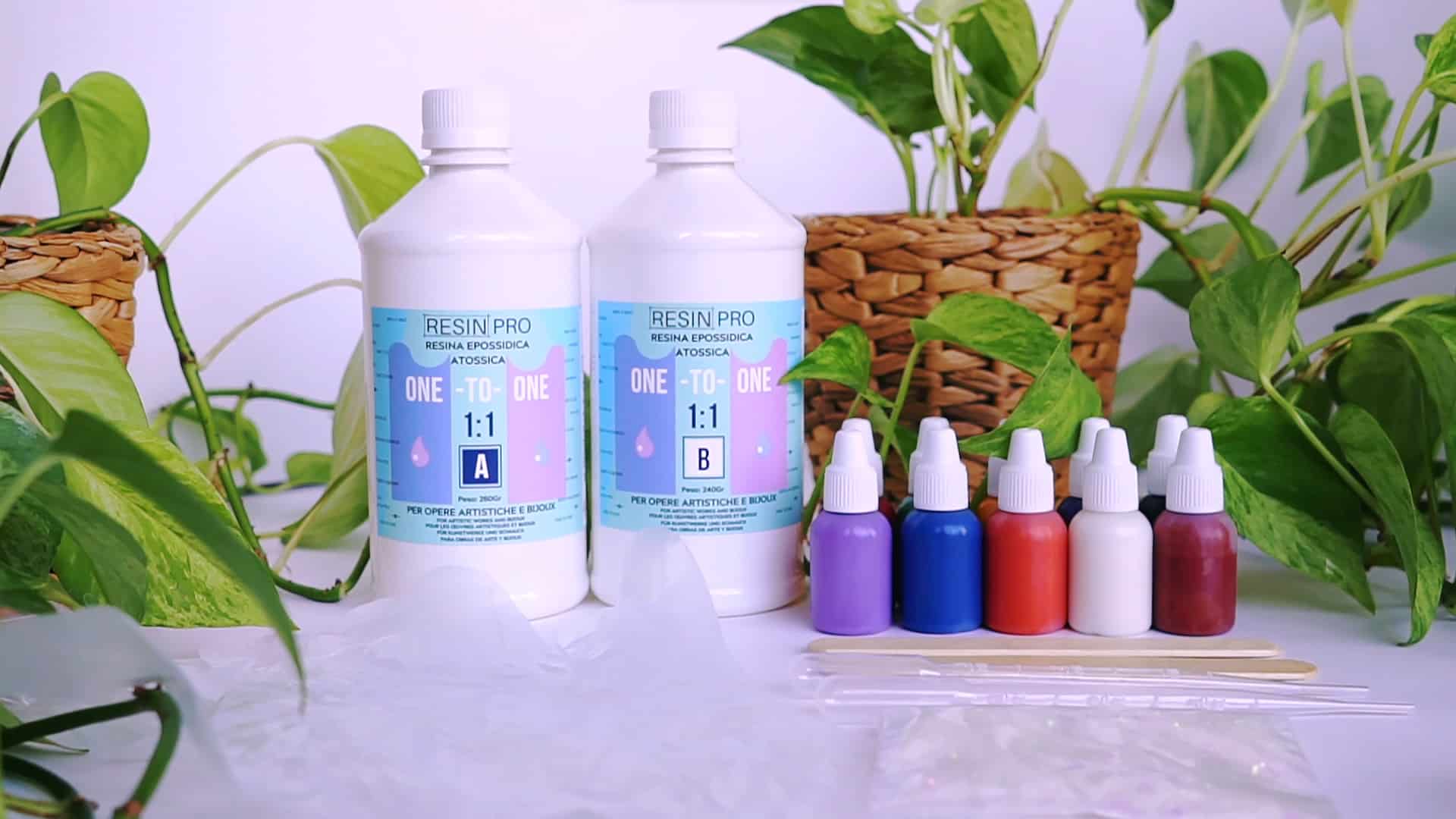
- “One-2-One” – Epoxy Resin for Handcraft, 1:1 Mixing Ratio — Useful for decorative coatings or clear layers
- “Magelstick” – Epoxy Mastic for Stone, Metal, and Cement Bonding and Grouting — Necessary for gap filling or vertical bonding
- Fine-grit sandpaper or scuffing pad
- Lint-free cloths and isopropyl alcohol for cleaning
- Protective gloves and mask (for safety)
- Masking tape (to protect edges during application)

Essential Tools and Surface Preparation
Proper surface preparation and material selection are crucial when gluing to powder-coated finishes. Use accurate mixing tools, opt for high-quality epoxies, and always degrease your surfaces to ensure maximum adhesive performance. Lint-free cloths and fine abrasives help you create the optimal base for bonding success.

Step 1: Prepare the Surface
Start by cleaning the powder-coated surface thoroughly to remove dust, grease, and residues. Use a lint-free cloth moistened with isopropyl alcohol to ensure a spotless area for adhesion. Next, lightly scuff the coating with fine-grit sandpaper, focusing only on the area to be glued. This step enhances mechanical bonding, improving glue performance. Wipe away sanding dust using a clean cloth before proceeding.
Ensure clean, slightly roughened surfaces for best adhesion—smooth, glossy coatings make gluing less effective.
Step 2: Choose and Mix Your Adhesive
Select the adhesive best suited for your project. For general repairs and secure bonds, a two-component epoxy glue such as “Klebfix” – Two-Component Fast Epoxy Glue 2K, 25g Syringe is convenient and offers rapid setting. For larger areas or when bonding different materials, “FixExpress” – Two-Component Epoxy Glue 500g provides additional volume with quick cure times. For filling small gaps on uneven or vertical surfaces, “Magelstick” – Epoxy Mastic for Stone, Metal, and Cement Bonding and Grouting is especially useful due to its thixotropic (non-sag) nature.
Mix the chosen adhesive according to manufacturer instructions, observing exact ratios and mixing time for thorough resin and hardener integration.
Step 3: Apply the Adhesive Carefully
Mask off surrounding areas using tape to prevent unwanted adhesive contact. Using the mixer nozzle or a spatula, apply the mixed glue consistently across the prepared surface. For precise jobs or small joints, syringes such as in “Klebfix” offer exceptional control. For broader bonding, use spreaders or spatulas to work the adhesive evenly.
Press the parts together firmly and maintain pressure for the period suggested in the instructions. Avoid disturbing the assembly while the initial set takes place; slight misalignment or movement could weaken the bond.
Step 4: Allow to Cure Fully
Epoxy adhesives set quickly but achieve their final strength after full curing. Avoid stress or load on the glued area until the recommended time has passed, sometimes several hours. For decorative or clear overlays on top of powder-coated items, “One-2-One” epoxy resin can be poured after base adhesive applications are fully set.
Never rush curing time for the strongest bond. Allow ambient room temperature conditions unless otherwise noted.
Tips and Common Mistakes
Work in a well-ventilated environment and keep skin protected. Always read the adhesive’s product instructions to avoid improper mixing. Do not skip surface roughening when bonding on powder-coated finishes—this step is essential for strength. If unsure about compatibility with your specific coating, test on a small concealed area first. Protect surrounding areas from accidental glue drips using masking tape and paper to save time on clean-up.
Pro Results: Maintain Safety and Tidy Workspaces
Keeping your workspace clean and well-protected greatly reduces the risk of errors and enhances your outcome. Always wear gloves, ventilate the area, and dispose of adhesive waste responsibly. Taking a little extra care at each step leads to beautiful and long-lasting results on any epoxy polyester powder-coated project.

- "Klebfix" – Two-Component Fast Epoxy Glue 2K, 25g Syringe£22.85"Klebfix" offers 2K epoxy bonding for repairs on plastic, glass, metal and wood. It suits fast, professional-strength applications.
- "FixExpress" – Two-Component Epoxy Glue 500g£25.45"FixExpress" two-component epoxy glue is designed for quick, reliable repairs and bonding on various materials.
- "One-2-One" – Epoxy Resin for Handcraft, 1:1 Mixing RatioPrice range: £14.85 through £56.85"One-2-One" epoxy resin offers a non-toxic, easy 1:1 mixing for safe crafting with a clear, glossy finish suited for decorative projects.
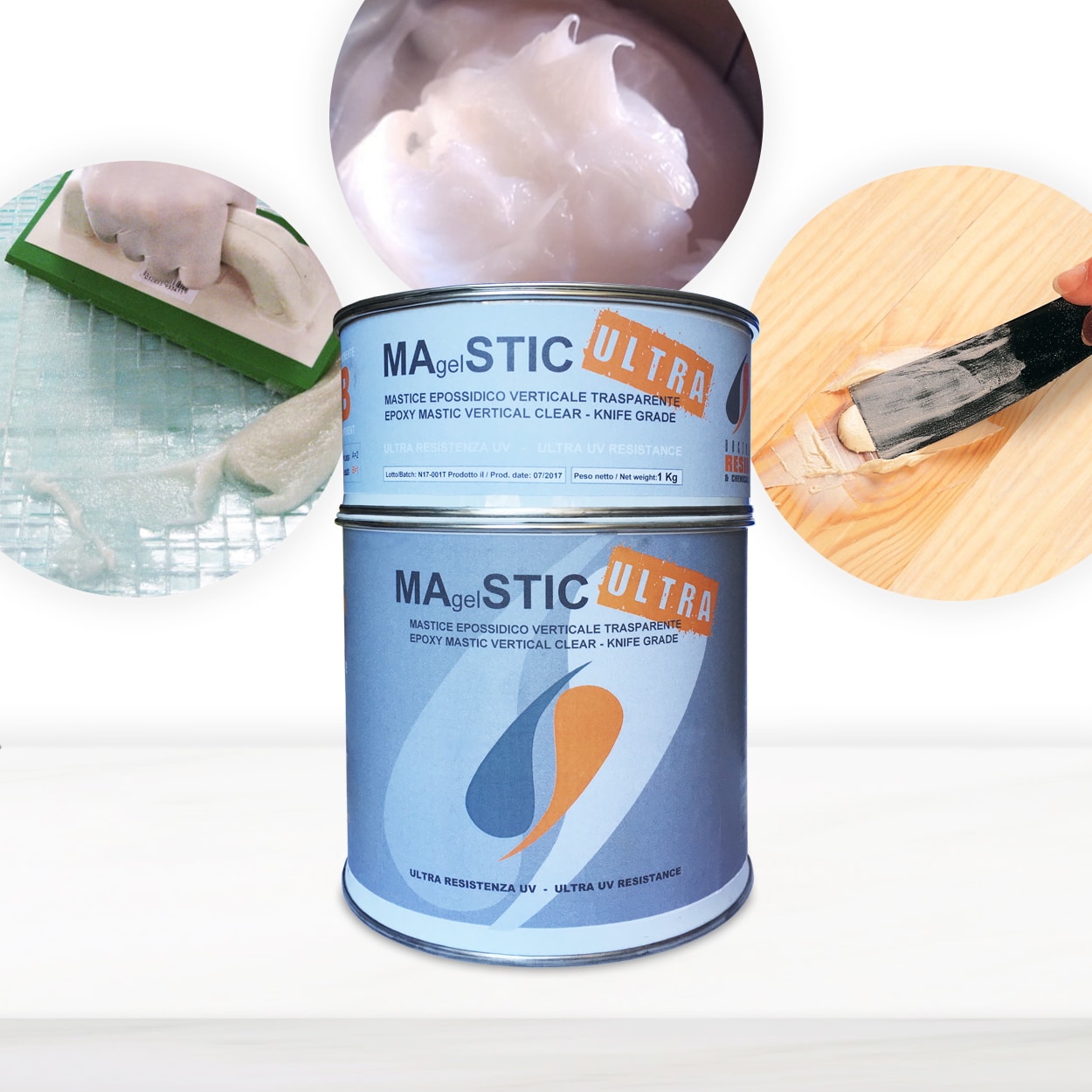 "Magelstick" – Epoxy Mastic for Stone, Metal, and Cement Bonding and GroutingPrice range: £43.85 through £166.45Magelstick Epoxy Mastic offers professional-grade bonding and grouting for stone, metal, and cement surfaces, suited to the specified theme.
Frequently Asked Questions
Can epoxy adhesives bond effectively with powder-coated surfaces?
Yes, provided the surface is cleaned and lightly roughened to improve mechanical adhesion.
Is it necessary to sand or scuff the powder coating before applying adhesive?
Light sanding is recommended, as it increases bond strength and helps adhesives grip the smooth coating.
Which glue should I choose for bonding on epoxy polyester powder coatings?
A two-component epoxy adhesive is ideal, such as "Klebfix" or "FixExpress" for quick, dependable results.
How long does it take for epoxy adhesive to fully cure on powder-coated parts?
Initial setting is typically 5 minutes, but full strength is reached several hours after application.
Is epoxy mastic like "Magelstick" suitable for filling or bonding on powder-coated metal?
Yes, thixotropic mastic works well for gap filling and offers strong adhesion to prepared coated metals.
What is the best way to clean powder-coated surfaces before gluing?
Wipe with isopropyl alcohol and a lint-free cloth to remove grease and dust before adhesion.