 Free shipping on orders over £29,85
  Shipping Tracking!


 Google
 Facebook
How do you grout resin?
Step-by-step guide to perfect resin grouting for lasting results
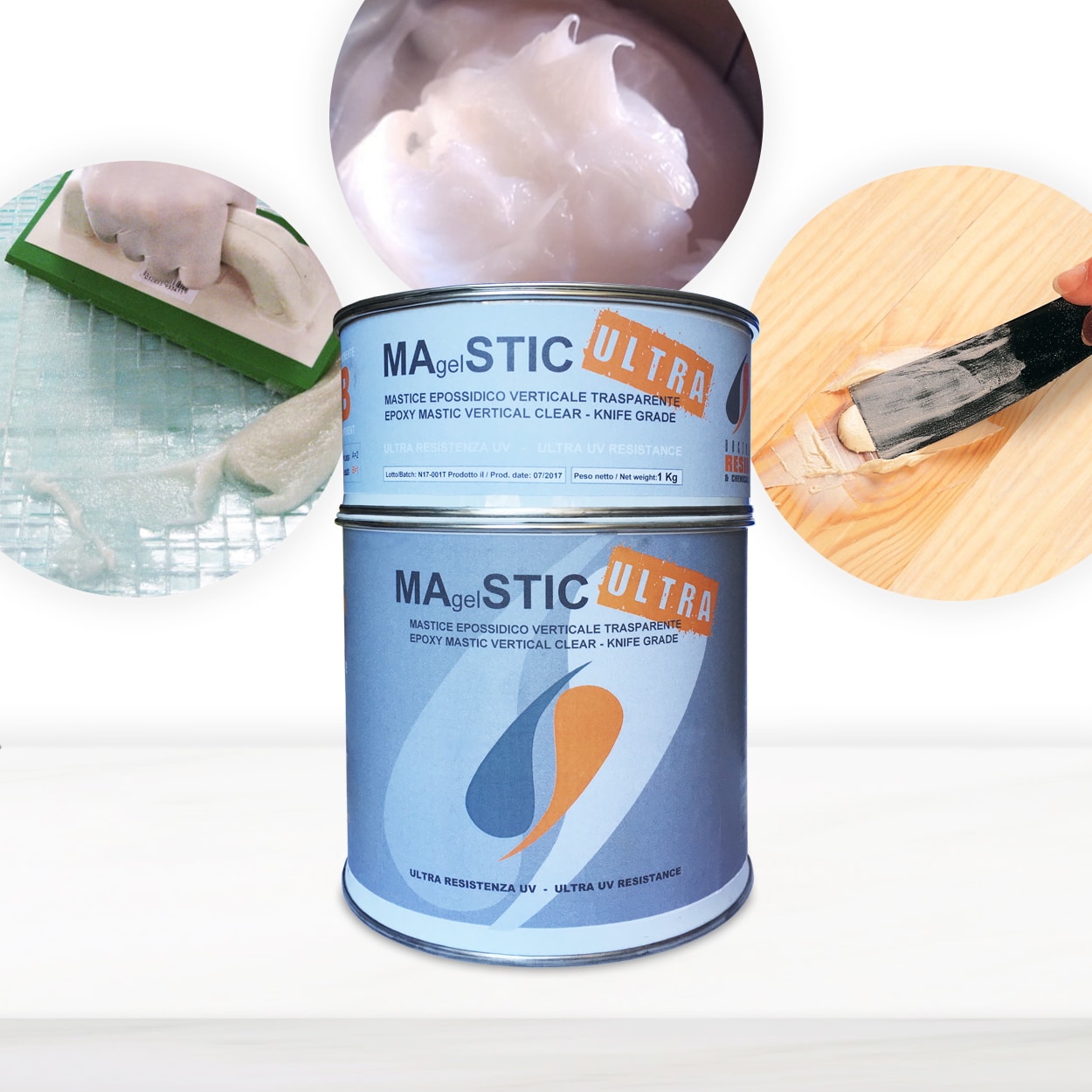
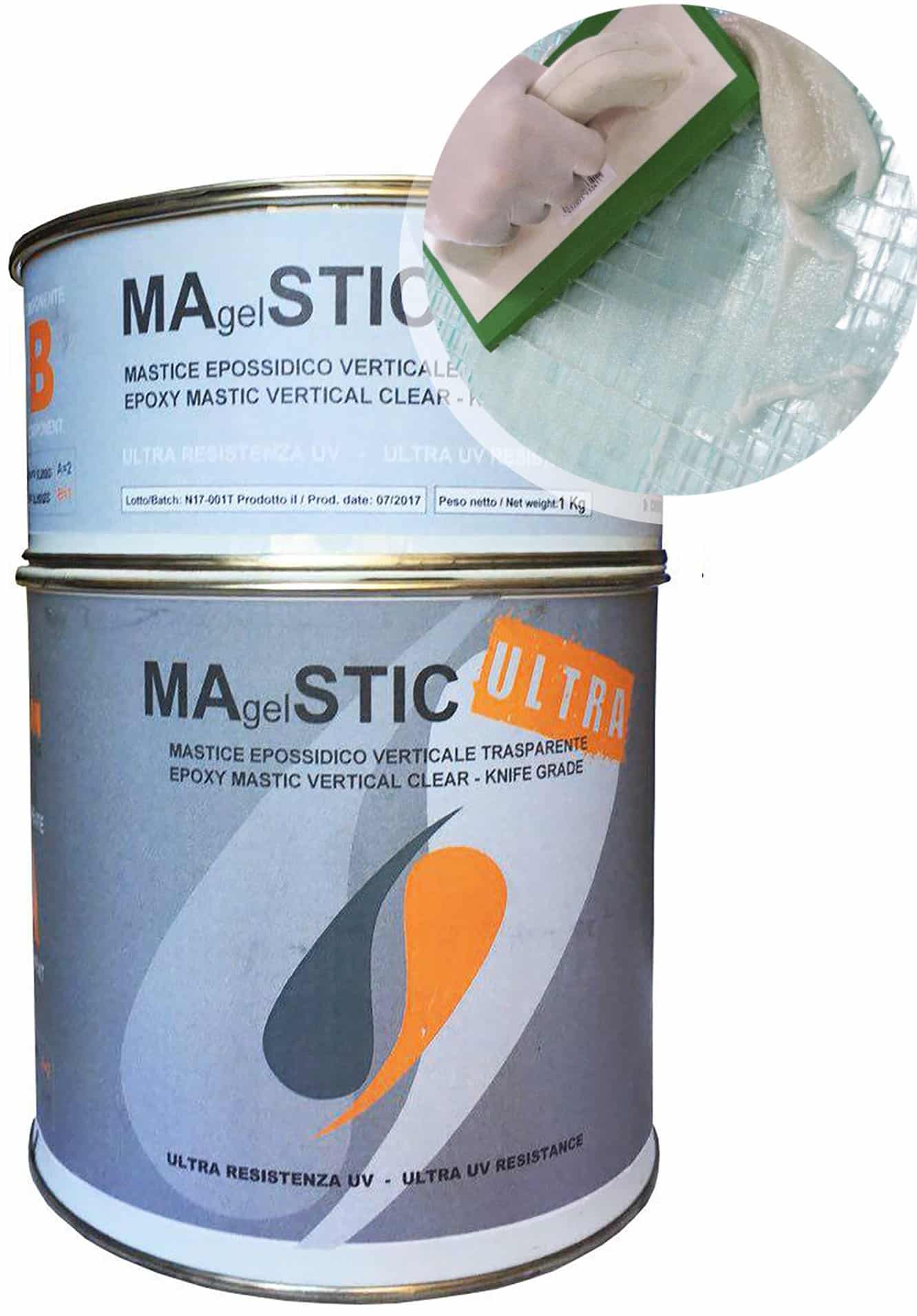
Grouting with resin is an excellent choice for achieving robust, weatherproof joints and seamless finishes, whether you’re working with stone, tiles, pebbles, or concrete features. This guide takes you through the essentials of preparing, mixing, applying, and curing resin grout so your results look clean and last for years to come.
What You’ll Need
- “Magelstick” – Epoxy Mastic for Stone, Metal, and Cement Bonding and Grouting — for expert stone, metal, or cement grouting tasks
- “Flowstone” – Complete Permeable Floor Kit with Pebbles and Resin — for outdoor drainage surfaces
- “Trasparente” – Epoxy Binder for Coloured Pebbles and Grits — for mixing with coloured pebbles or aggregates
- “Trasparente” – Multipurpose Clear Epoxy Resin for Casting – Up to 2cm — for clear casting and filling detailed joints
- Clean buckets or tubs for mixing
- Protective gloves and safety goggles
- Grout float, trowel, or spatula
- Clean water, sponges, and cloths for wiping away excess
Choosing the Right Resin Product for Your Project
Different resin grouting tasks, such as outdoor pebble floors, stone restoration, or decorative indoor joints, require appropriate products for best results. Consider the surface material, exposure to sunlight, and environmental moisture levels. Selecting the recommended product ensures the grout bonds securely and remains durable in your unique conditions.
Step 1: Prepare the Surface Thoroughly
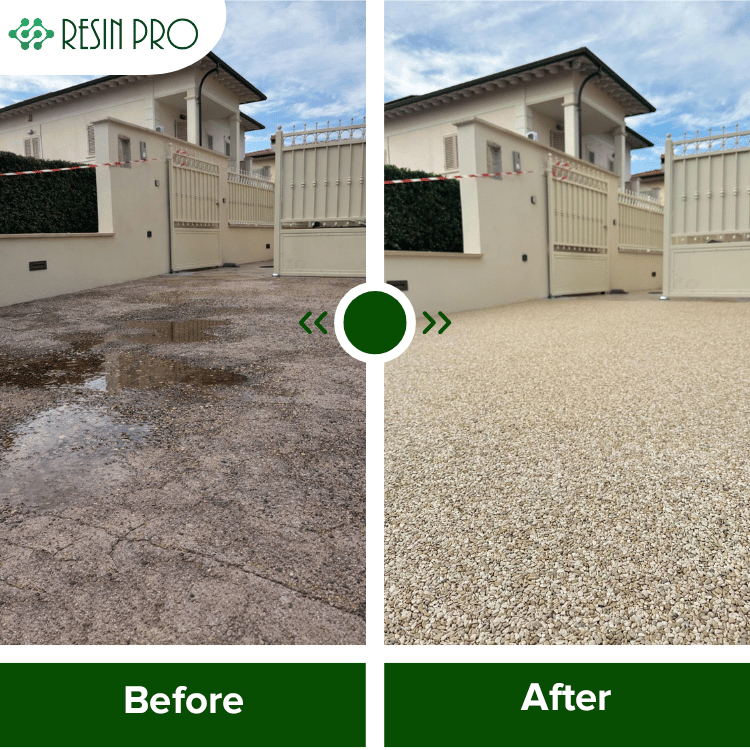
Preparation is the foundation of any lasting resin grout job. Start by cleaning the areas to be grouted. Remove all dust, grease, and debris to ensure that the resin bonds strongly with the underlying material. For stone, tile, or pebble surfaces, check that everything is dry as any moisture can affect resin curing and adherence.
Mask off edges and protect nearby surfaces to keep the application neat. If you’re working outdoors or on permeable stone floors, inspect joints for stability and make sure there are no loose elements before you start mixing.
Step 2: Mix the Resin Grout Precisely
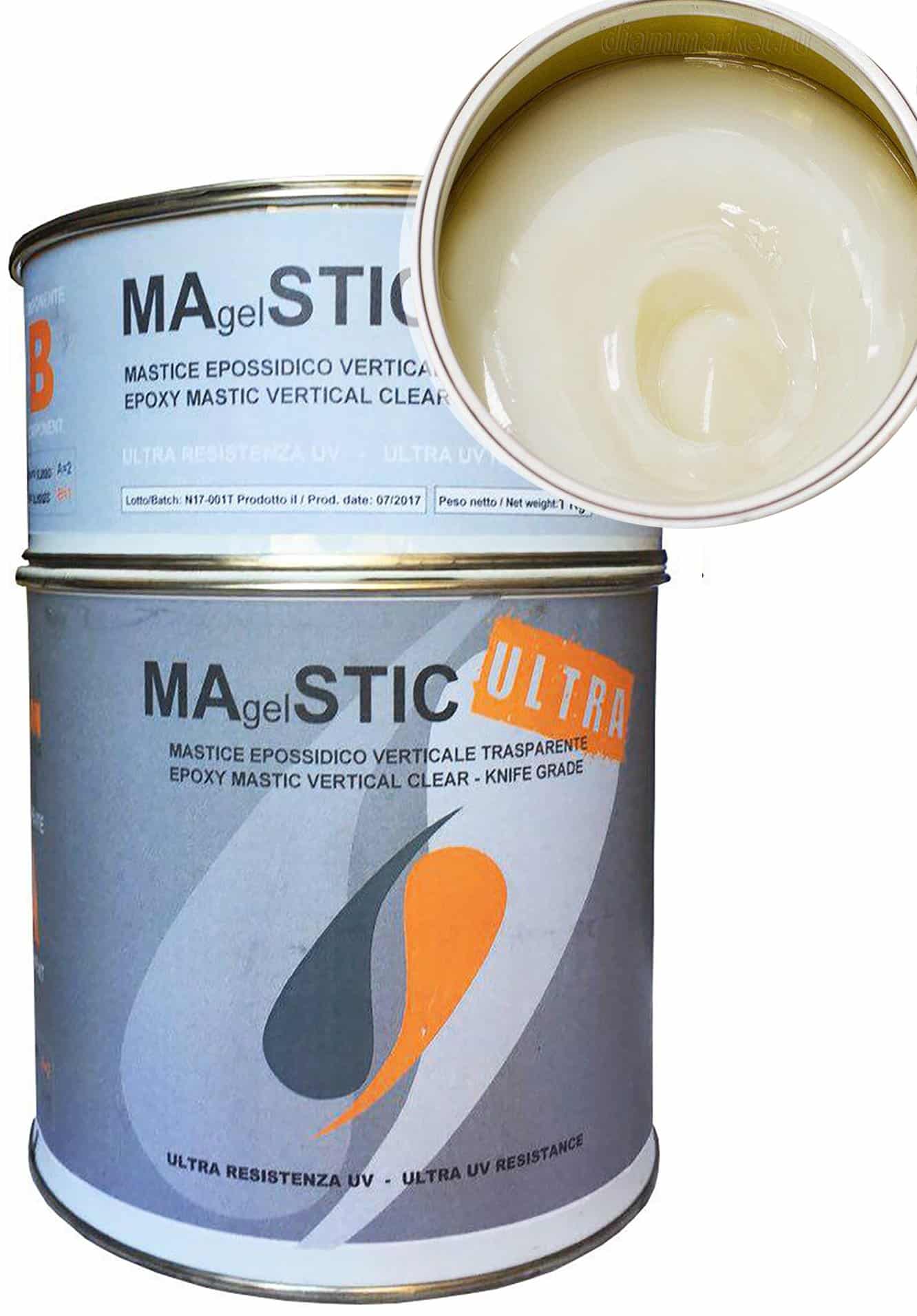
Follow the manufacturer’s instructions for selecting the correct type and ratio of resin and hardener for your project. Always measure resin and hardener accurately. For epoxy putty grouting on stone or cement, such as using “Magelstick” – Epoxy Mastic for Stone, Metal, and Cement Bonding and Grouting, mix the two components at the specified 100:50 ratio until a uniform colour and consistency is reached.
If you are binding pebbles or coloured aggregates for a permeable surface (e.g., with “Trasparente” – Epoxy Binder for Coloured Pebbles and Grits), tumble the aggregates gently with the resin until every granule is well coated. Working time is limited, so mix only as much as you can use within the allowable pot life to prevent waste.
Step 3: Apply the Resin Grout Evenly
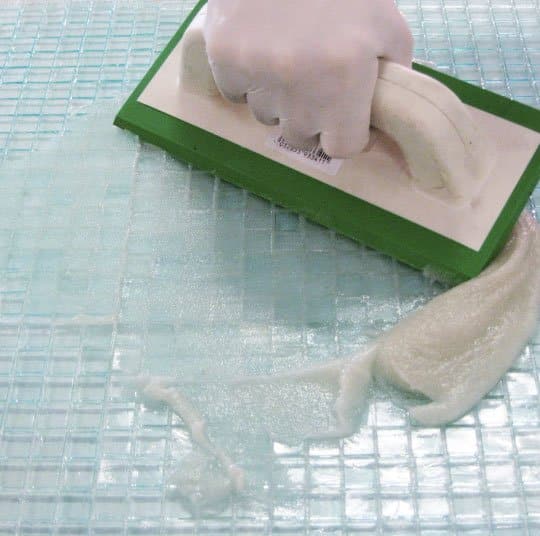
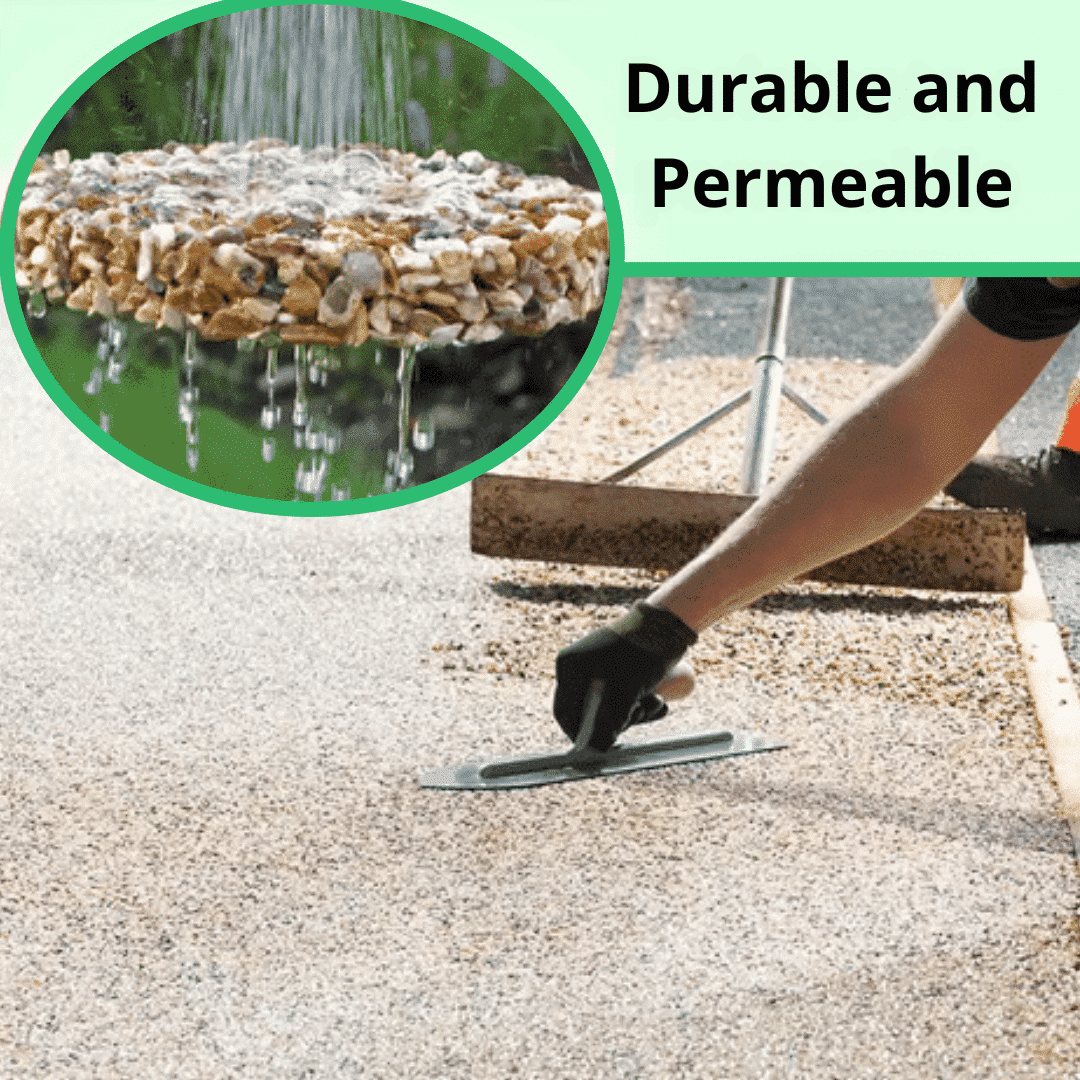
Pour or press the mixed resin grout directly into the prepared joints. Apply the grout evenly and quickly before setting begins. Use a float, trowel, or spatula to force the material well into the gaps, making sure there are no air pockets.
When embedding decorative stones or creating jointless surfaces with a kit like “Flowstone” – Complete Permeable Floor Kit with Pebbles and Resin, spread the mixture and compact lightly to ensure a firm and level finish. For delicate or clear resin application (as with “Trasparente” – Multipurpose Clear Epoxy Resin for Casting – Up to 2cm), pour gently into narrow joints and use a stick to tease out bubbles or gaps. Work systematically, as resin sets rapidly and becomes difficult to adjust after a short time.
Step 4: Finish and Protect Until Cured
Once application is done, shape or smooth the surface as needed while the resin is still workable. Use a damp (not wet) sponge or cloth to carefully wipe away excess grout from tile or stone faces. Keep the workspace above 10°C for proper curing—most epoxies will not set well in cold or very damp environments.
Leave the area undisturbed for the manufacturer’s recommended curing time, which is typically 10–24 hours for walkable surfaces. Protect freshly grouted surfaces from water and heavy loads for 24 hours to ensure the joint sets to maximum strength and clarity.
Tips and Common Mistakes When Grouting Resin
Resin grouting can yield impressive results, but pay careful attention to a few key factors. Do not exceed recommended mixing ratios as too much or too little hardener affects strength and cure time. Mix in well-ventilated, dust-free spaces to avoid imperfections on the surface.
Work efficiently, as resin sets much faster than traditional cement grouts. Tidy up all tools with solvent or warm water before the resin cures to keep them usable for your next project.
Professional Finishes and Lasting Results
Careful surface preparation and patience during the curing phase are vital for flawless grouted joints. Following each step diligently will improve strength and appearance while reducing the risk of future repairs. For challenging conditions or larger installations, consult technical advice to pick the right formulation and application method for your site.
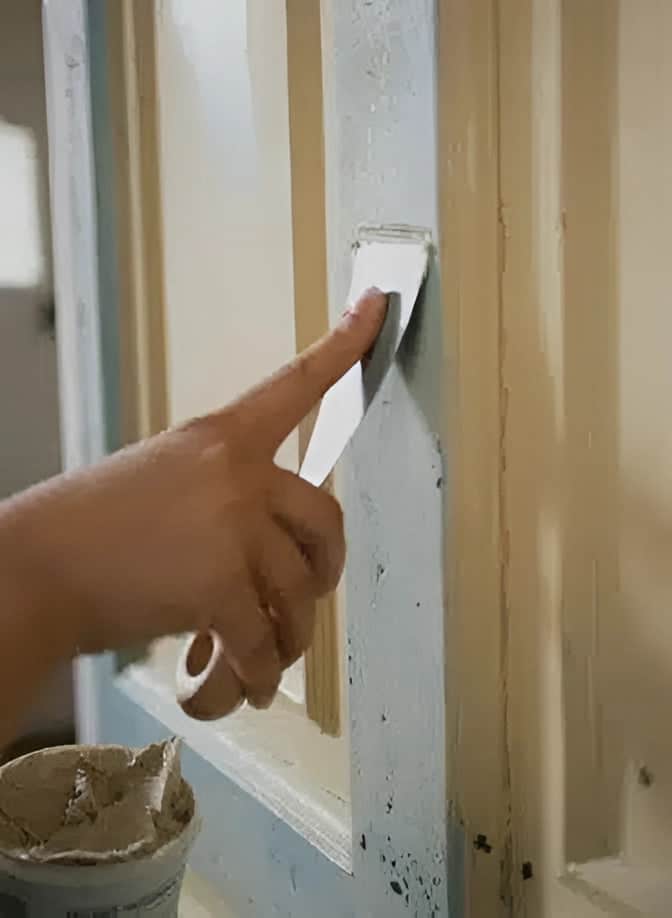
- "Magelstick" – Epoxy Mastic for Stone, Metal, and Cement Bonding and Grouting"Magelstick" Epoxy Mastic is designed for bonding and grouting stone, metal, and cement with good mechanical strength and weather resistance.
- "Flowstone" – Complete Permeable Floor Kit with Pebbles and ResinPrice range: £49.95 through £3,915.45Flowstone provides a durable, permeable pebble and resin kit for outdoor surfaces with guidance for resin types to maintain colour.
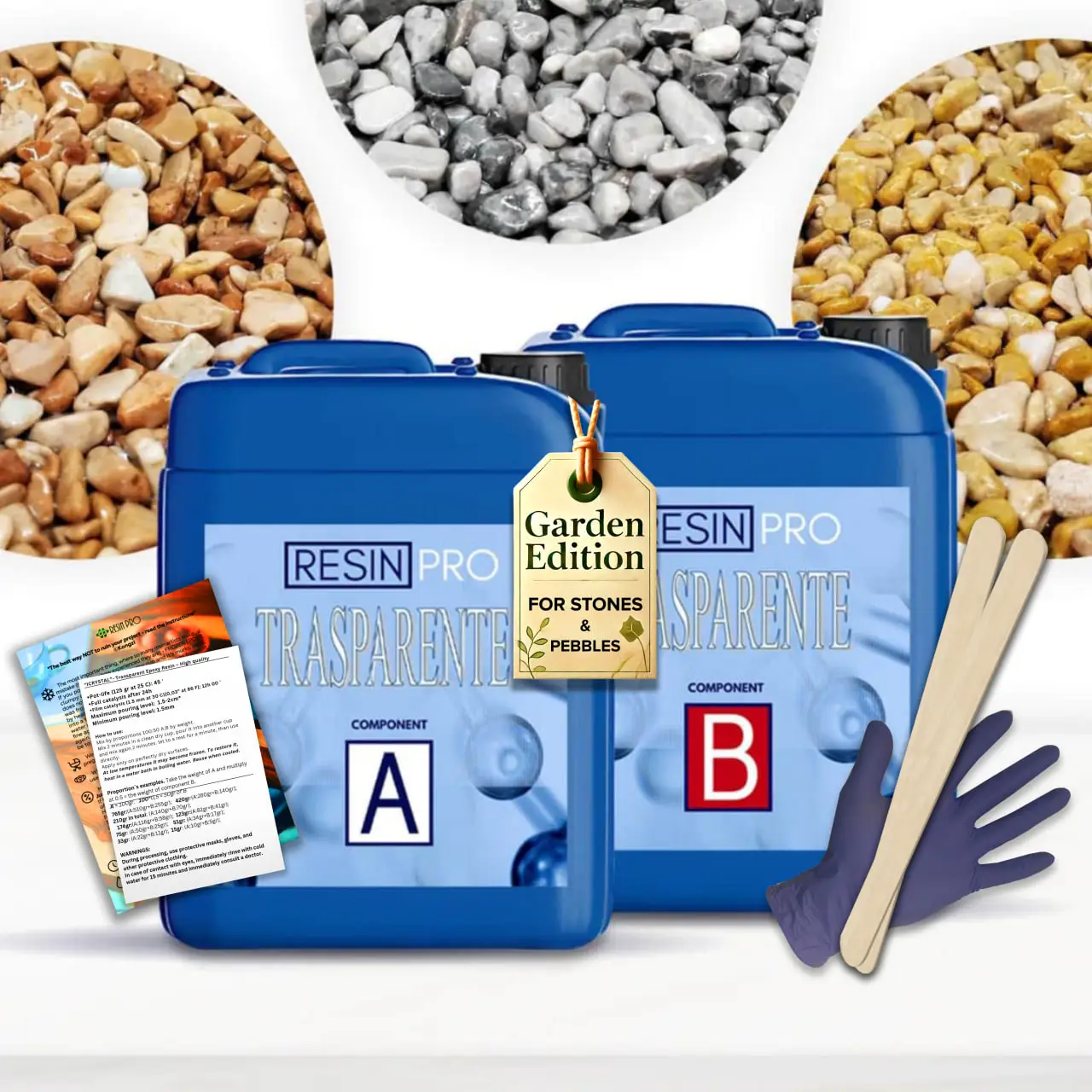 "Trasparente" – Epoxy Binder for Coloured Pebbles and GritsPrice range: £33.45 through £397.95"Trasparente" is a transparent epoxy binder designed for coloured pebbles and grits, providing a clear, UV-stable finish suitable for flooring and…
 "Trasparente" – Multipurpose Clear Epoxy Resin for Casting – Up to 2cmPrice range: £8.95 through £397.95Clear epoxy resin suitable for layers up to 2cm, designed for varied casting and DIY projects with a self-levelling, scratch-resistant finish.
Frequently Asked Questions
What surfaces can I grout with resin?
Resin grout is suitable for stone, tile, concrete, pebbles, and masonry surfaces where a strong, weatherproof joint is needed.
Can I use resin grout outdoors?
Yes, many resin grouts are UV and weather resistant, making them ideal for patios, driveways, and external features.
How long does resin grout take to cure?
Curing typically takes 10–24 hours depending on the product and conditions. Full strength may develop after several days.
What happens if I mix too much hardener?
Excess hardener can cause rapid curing, brittleness, or incomplete bonding, weakening the joint and affecting clarity.
Can I grout over wet surfaces with resin?
No, all surfaces must be clean and dry before resin application to ensure proper adhesion and curing.
Should I seal resin-grouted surfaces?
Resin grout often forms a non-porous seal on its own, but for high-traffic or exposed areas, a compatible surface sealer can enhance protection.