 Free shipping on orders over £29,85
  Shipping Tracking!


 Google
 Facebook
← Back to How do you grout resin?
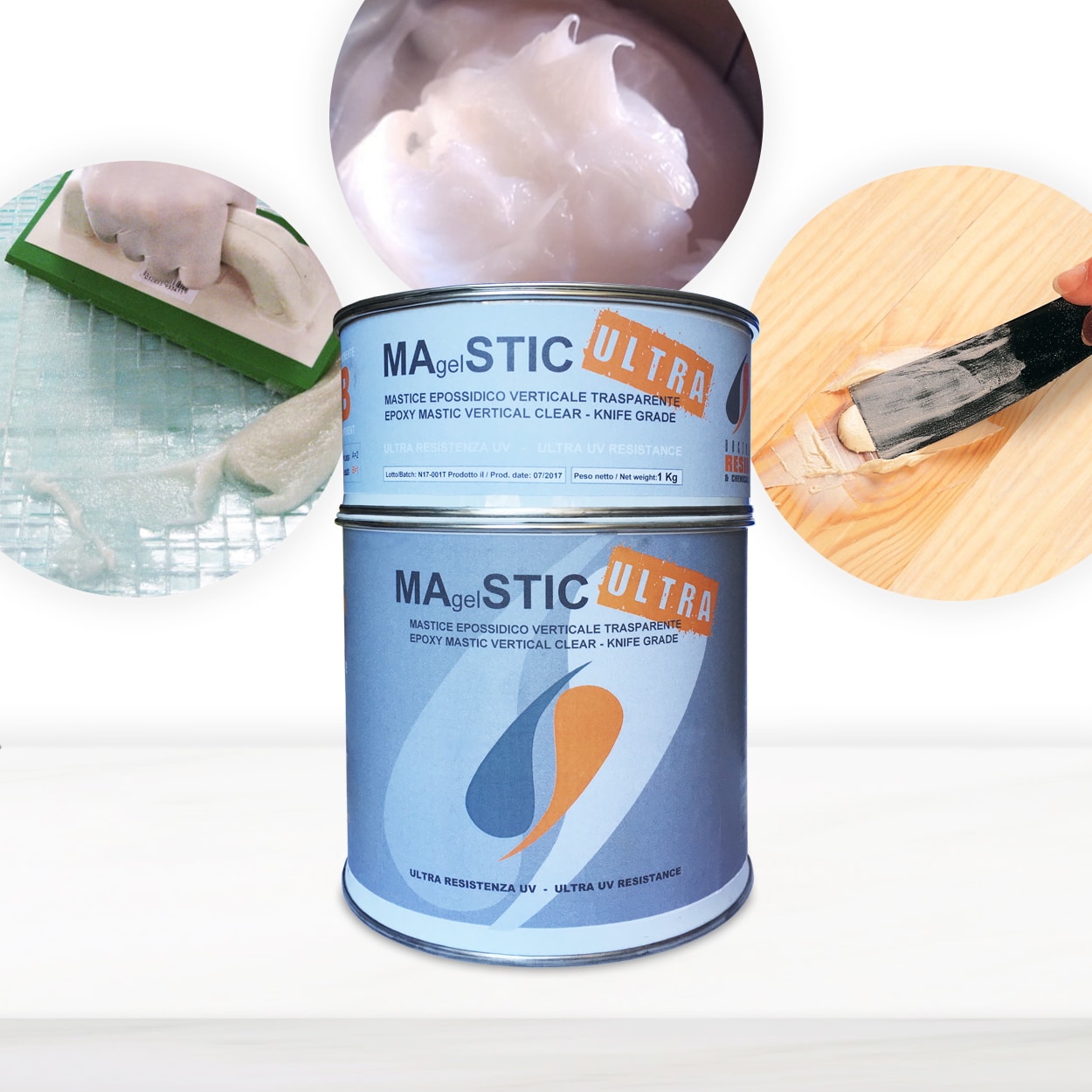
Resin grout offers a robust, weather-resistant solution for a wide variety of surfaces, making it ideal for both renovation and new installation projects. Whether you are working indoors or out, selecting the right surface and resin is key to a long-lasting result.
Common Surfaces for Resin Grouting
Resin-based grout is particularly well-suited to natural and artificial stone (such as granite or marble), tiles, concrete, pebbles, and masonry. Its superior adhesion also allows for use on metal and cement, which is especially useful in restoration work where a durable bond is essential. For example, Magelstick Epoxy Mastic is designed for professional stone masonry and metalwork applications, as well as precision repairs.
Guidelines for Successful Application
- Stone & Masonry: Clean, dry surfaces ensure the best mechanical strength and weather resistance.
- Pebbles & Aggregate Floors: Properly mix resin binders with pebbles before laying—avoid pouring resin directly over loose gravel to achieve a stable, permeable finish, as achieved with the Flowstone Kit.
- Vertical & Decorative Features: Thixotropic epoxy mastics can be used on vertical surfaces without sagging, offering neat and secure joints.
When Surface Choice Matters
Certain projects demand careful matching of resin type and substrate. For example, use non-yellowing polyurethane resin for white aggregates, while epoxy may be preferred for coloured stones. Some resins require specific minimum temperatures (typically above 10°C) for proper curing. Always follow product guidance to ensure chemical compatibility and optimal performance.
Related products
Related guides
Understanding which surfaces can be grouted with resin ensures you choose the right materials for any setting. To explore all aspects of resin grouting and expert tips, see our comprehensive guide on How do you grout resin?