 Free shipping on orders over £29,85
  Shipping Tracking!


 Google
 Facebook
How do you install matte resin flooring?
Step-by-step guide to achieving seamless matte resin floors
Matte resin flooring offers a seamless, contemporary look for homes and commercial spaces, combining resilience with understated elegance. This guide walks you through the process of installing matte resin flooring, from initial preparation to achieving the perfect non-gloss finish. Whether you’re a seasoned renovator or trying resin flooring for the first time, these steps ensure a professional result that stands the test of time.
What You’ll Need
- “Epoxyprimer” – Universal Water-Based Two-Component Epoxy Floor Primer: Designed as a universal water-based epoxy primer to enhance adhesion in epoxy resin floor systems.
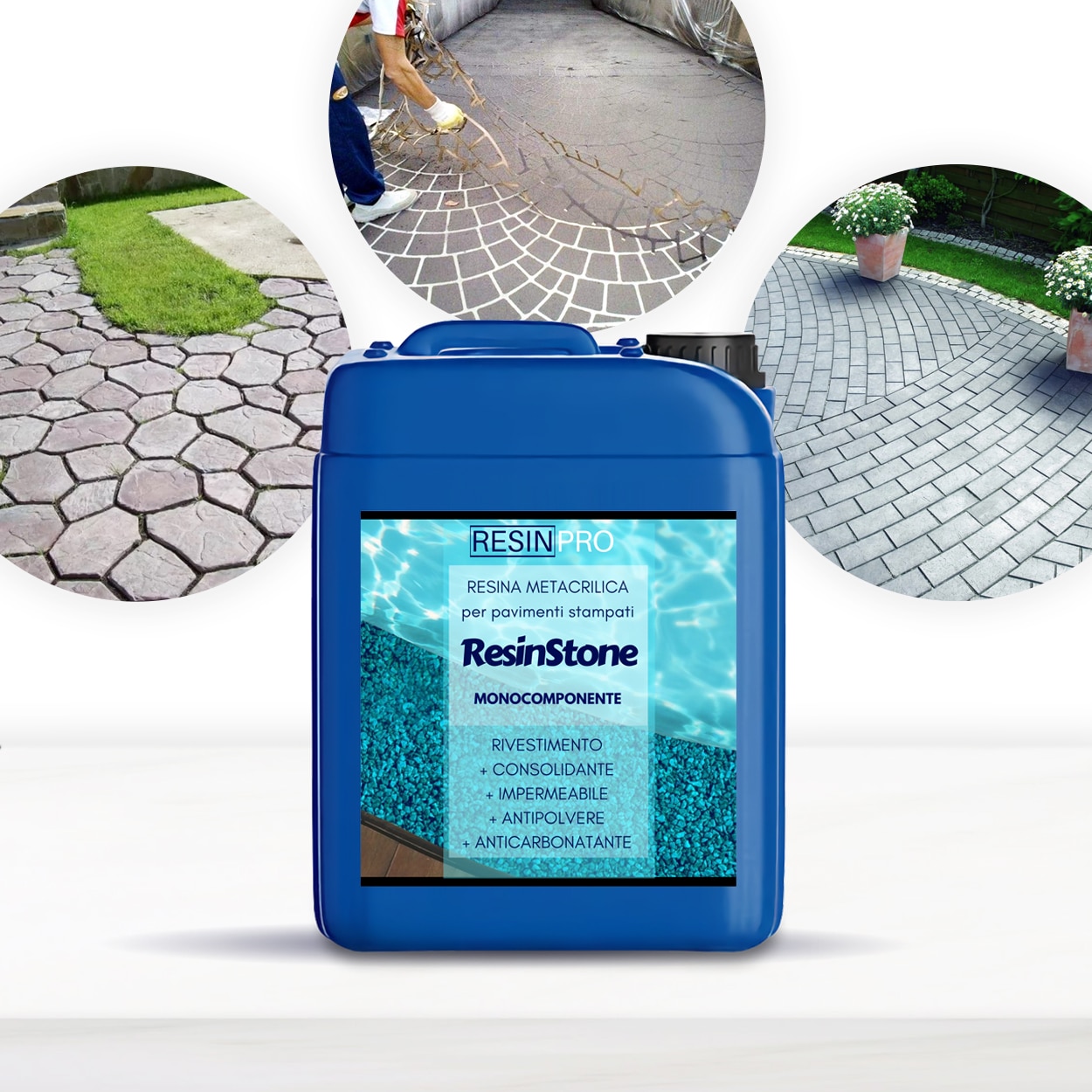
- “Resinstone” – One-Component Methacrylic Resin for Concrete Floors and Driveways: One-component methacrylic resin for sealing and protecting concrete floors.
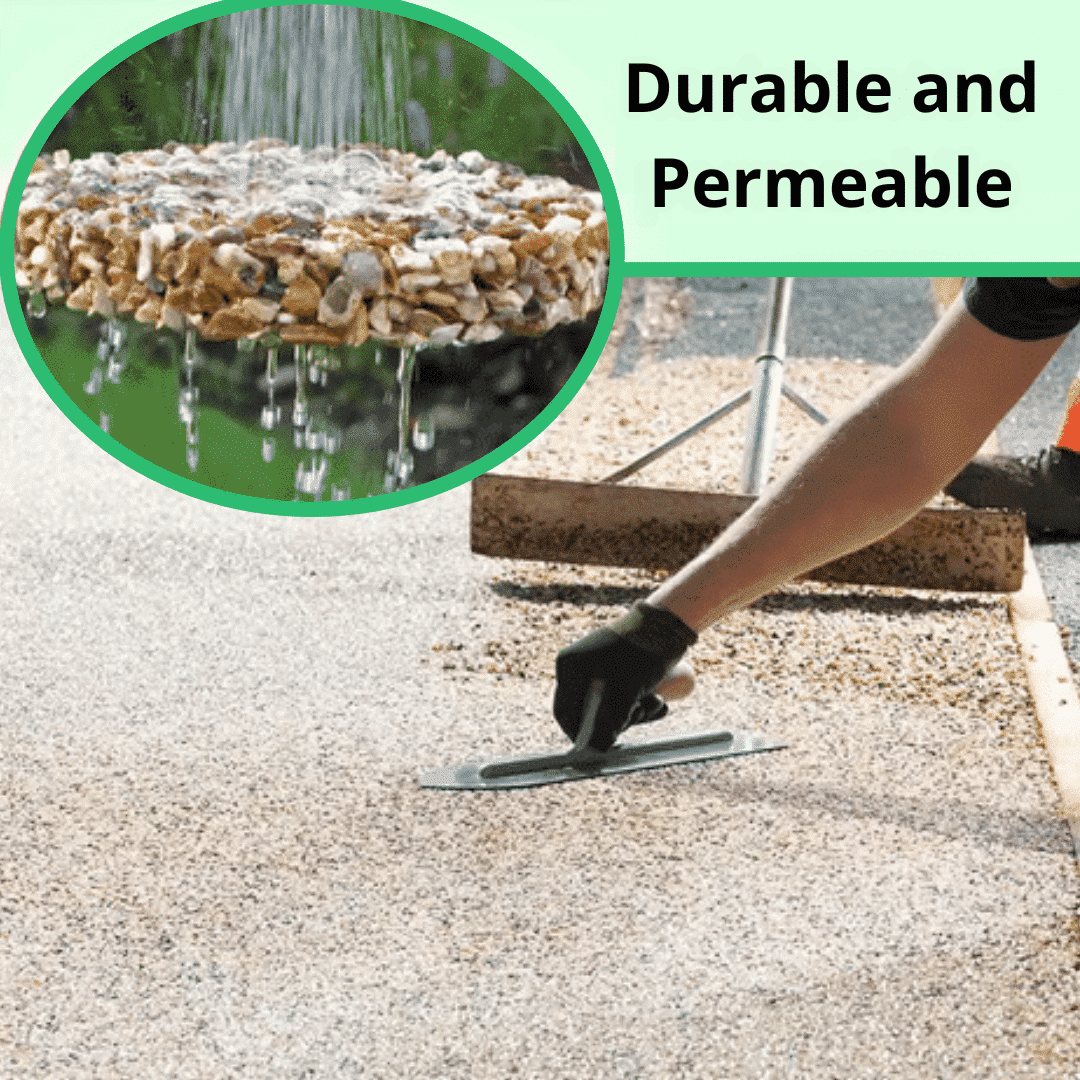
- “Flowstone” – Complete Permeable Floor Kit with Pebbles and Resin: Complete kit for permeable, draining pebble flooring suitable for outdoor or decorative applications.
- “Trasparente” – Epoxy Binder for Coloured Pebbles and Grits: Transparent epoxy binder for creating durable, clear, and UV-resistant decorative pebble floors.
- Quality masking tape and plastic sheeting
- Rollers, brushes, and a suitable mixing stick
- Personal protective equipment (PPE): gloves, goggles, and mask

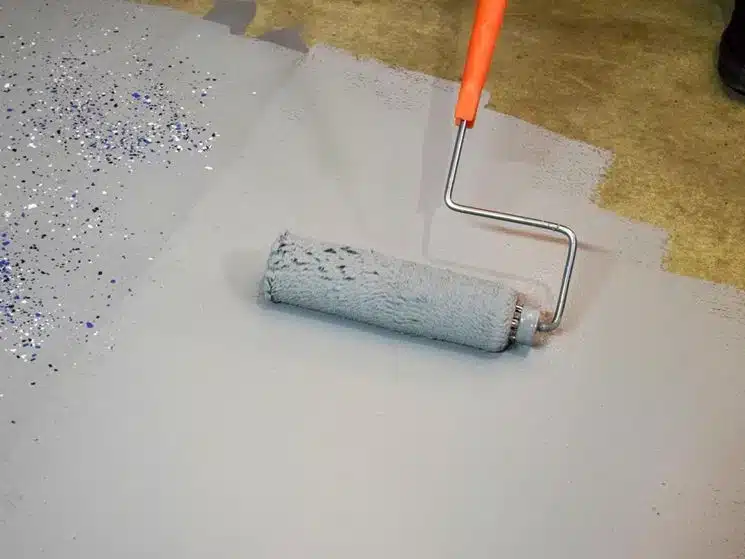
Matte Resin Floor Preparation Visualised
Review typical substrate preparation and priming for resin flooring projects. Note how effective masking and a clean work area provide the foundation for a seamless finish. Well-prepared floors support lasting resin adhesion and prevent visible defects.
Step 1: Prepare and Clean the Substrate
Begin by thoroughly inspecting and cleaning your floor. Remove dust, debris, grease, or loose materials; cracked areas should be repaired with a compatible filler and allowed to dry fully. Concrete, screed, ceramic, or timber surfaces all require a dry, stable, and level base. Cleanliness is crucial for resin adhesion; missed dirt or moisture may lead to bonding failures or blemishes later on.
Mask off skirting boards and adjacent areas you wish to protect with tape and plastic sheeting. Good preparation simplifies later steps and ensures sharp, neat edges for your floor.

Step 2: Apply the Epoxy Primer
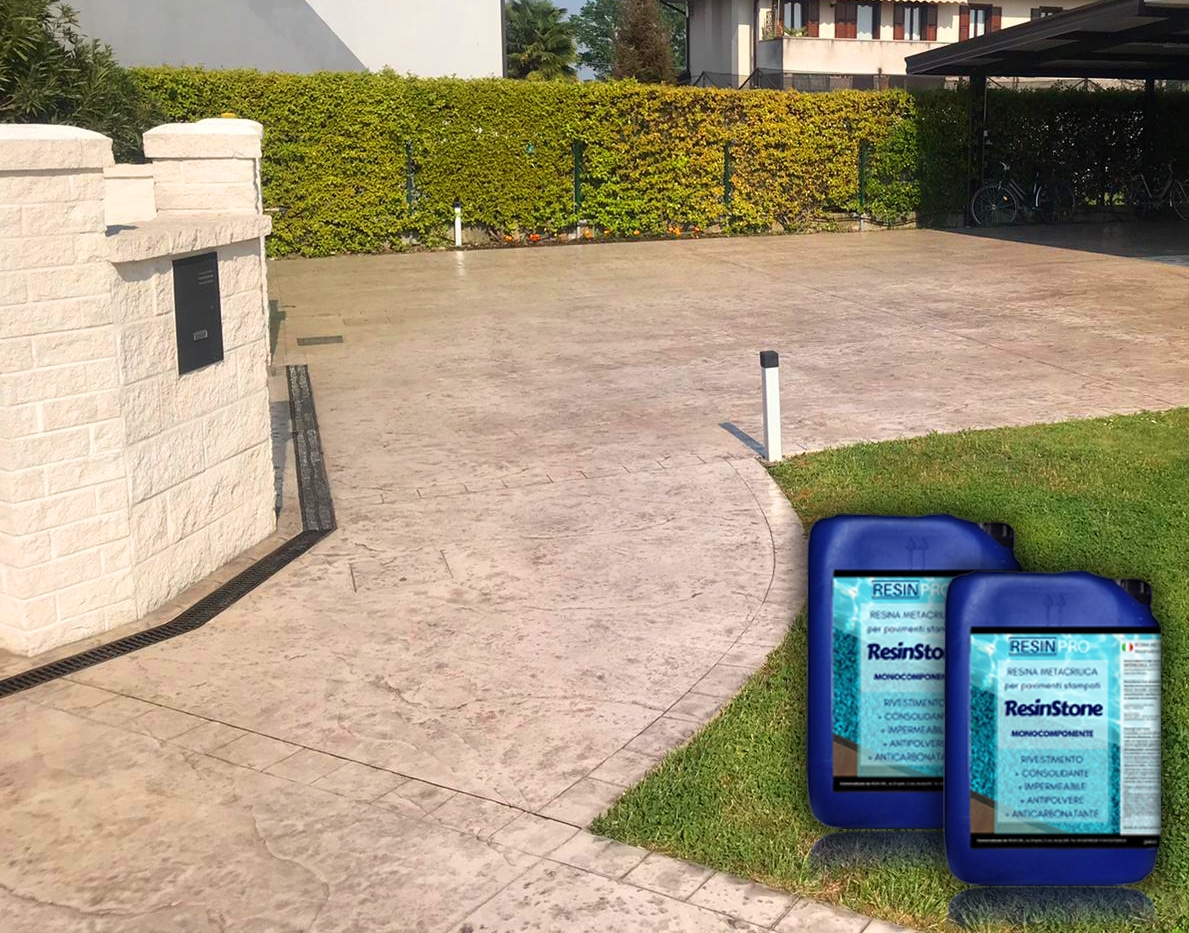
Once the surface is clean and sound, it’s time to prime. Apply “Epoxyprimer” – Universal Water-Based Two-Component Epoxy Floor Primer evenly with a roller or brush. This ensures optimal adhesion between your substrate and subsequent resin layers, minimising delamination or blistering. Take care to cover edges and corners thoroughly.
Let the primer cure as recommended, typically 24–48 hours at room temperature. Leave sufficient curing time between product layers — impatience at this stage often leads to unevenness or surface defects in the final flooring.
Step 3: Mix and Apply the Resin Coat
With the floor primed, mix your chosen resin system following the supplier’s instructions. Whether you use a self-levelling blend or an aggregate-bound system, aim for a smooth, lump-free mixture. Carefully pour the mixture onto the floor in sections and spread using a notched trowel or squeegee.
If you’re aiming for a permeable, textured finish, a kit like “Flowstone” – Complete Permeable Floor Kit with Pebbles and Resin could be used. For more decorative applications using coloured stones, “Trasparente” – Epoxy Binder for Coloured Pebbles and Grits helps achieve a strong, uniform bond and ensures clarity in the surface appearance.
Work steadily to reduce marks and overlap lines. For seamless floors, allow the resin to self-level and settle as directed by the manufacturer’s setting time.
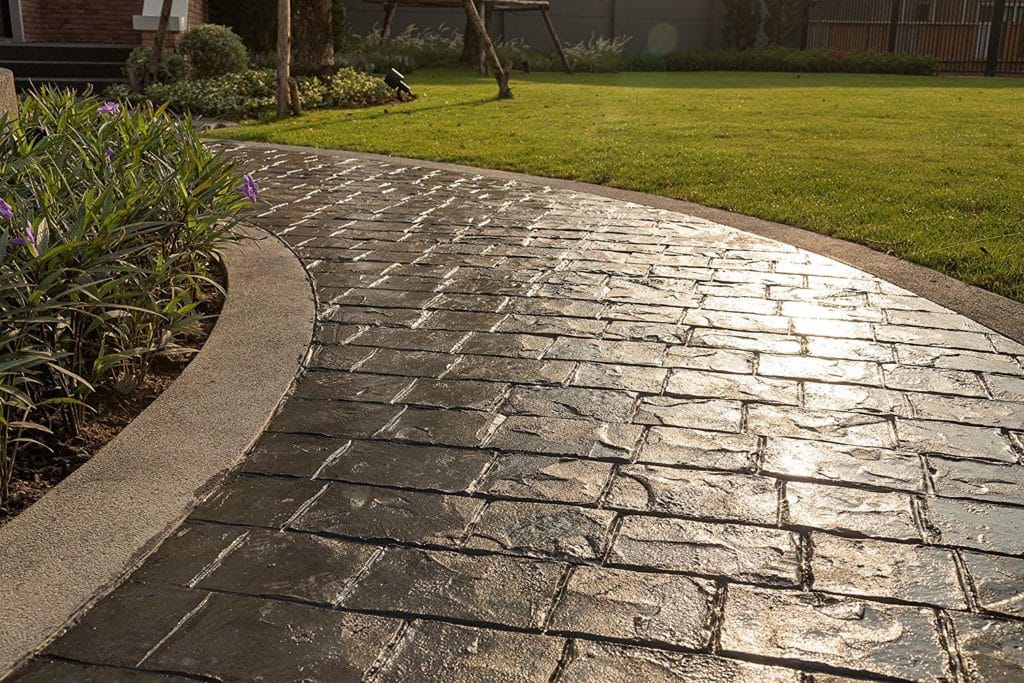
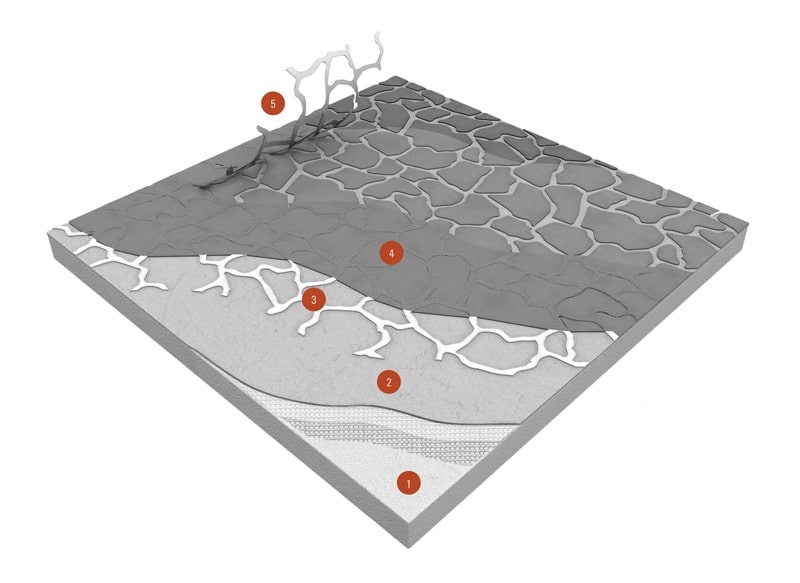
Step 4: Achieve the Matte Finish
Matte finishes are achieved either by using a pre-formulated matte resin or by lightly sanding the fully cured surface to remove any gloss. Take care not to over-sand; small test areas help judge the effect. Alternatively, apply a designated matte topcoat compatible with your resin system for consistent, professional results throughout the floor.
A non-slip matte finish is best achieved by using a suitable topcoat or texturing method. Follow curing guidelines strictly to avoid premature use of the floor, ensuring maximum durability and resistance to scratching or marking.
Tips and Troubleshooting for Matte Resin Flooring
Avoid installing resin flooring in extreme temperatures or high humidity, as poor environmental conditions can affect cure quality and final appearance. Always read technical data sheets for mixing and curing times, and check compatibility when switching between different resin or aggregate products.
For best results, always use proper PPE to prevent skin contact or inhalation of fumes. Clean tools promptly before the resin cures to allow for easy reuse in later stages.
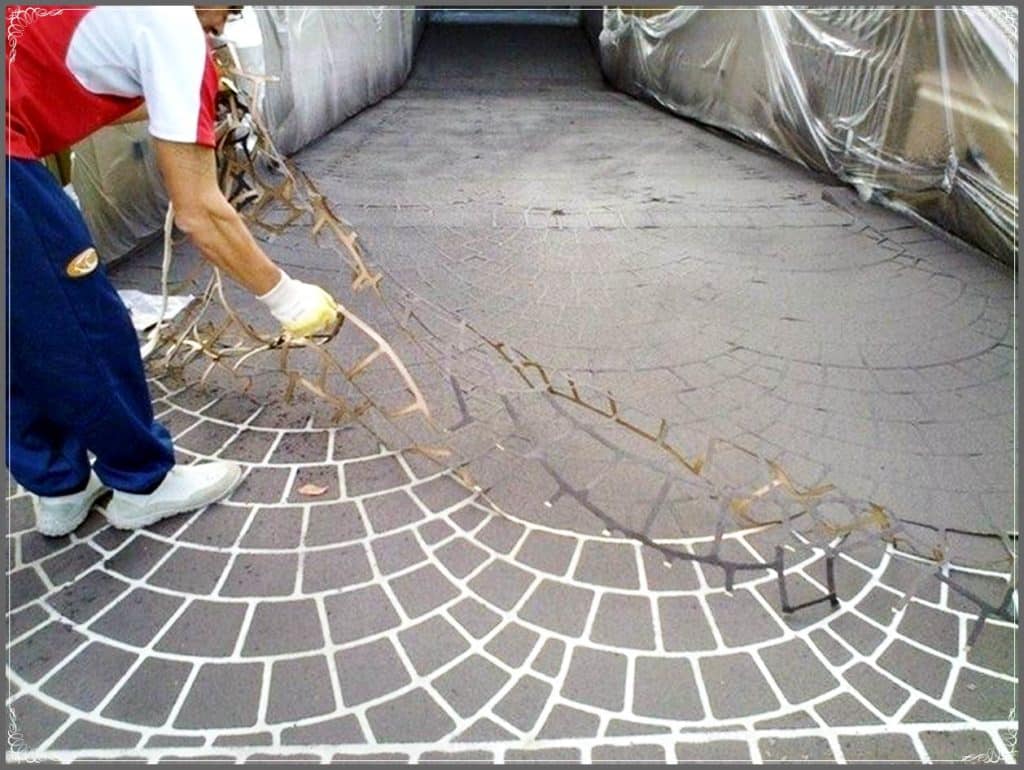
Matte Surface Finish Techniques in Practice
See examples of sanding and topcoating steps used to achieve a matte resin floor. Both DIY and professional installers can benefit from visual reference before applying colour or finish coats.

- "Epoxyprimer" – Universal Water-Based Two-Component Epoxy Floor PrimerPrice range: £156.45 through £286.45Epoxyprimer is a water-based two-component epoxy floor primer designed for reliable adhesion and durability on various surfaces.
- "Resinstone" – One-Component Methacrylic Resin for Concrete Floors and DrivewaysPrice range: £36.71 through £336.48"Resinstone" is a one-component methacrylic resin designed for sealing and protecting concrete floors with durable, breathable, and quick-drying…
- "Flowstone" – Complete Permeable Floor Kit with Pebbles and ResinPrice range: £49.95 through £3,915.45"Flowstone" offers a permeable pebble and resin floor kit designed for durable, draining outdoor surfaces in the UK climate.
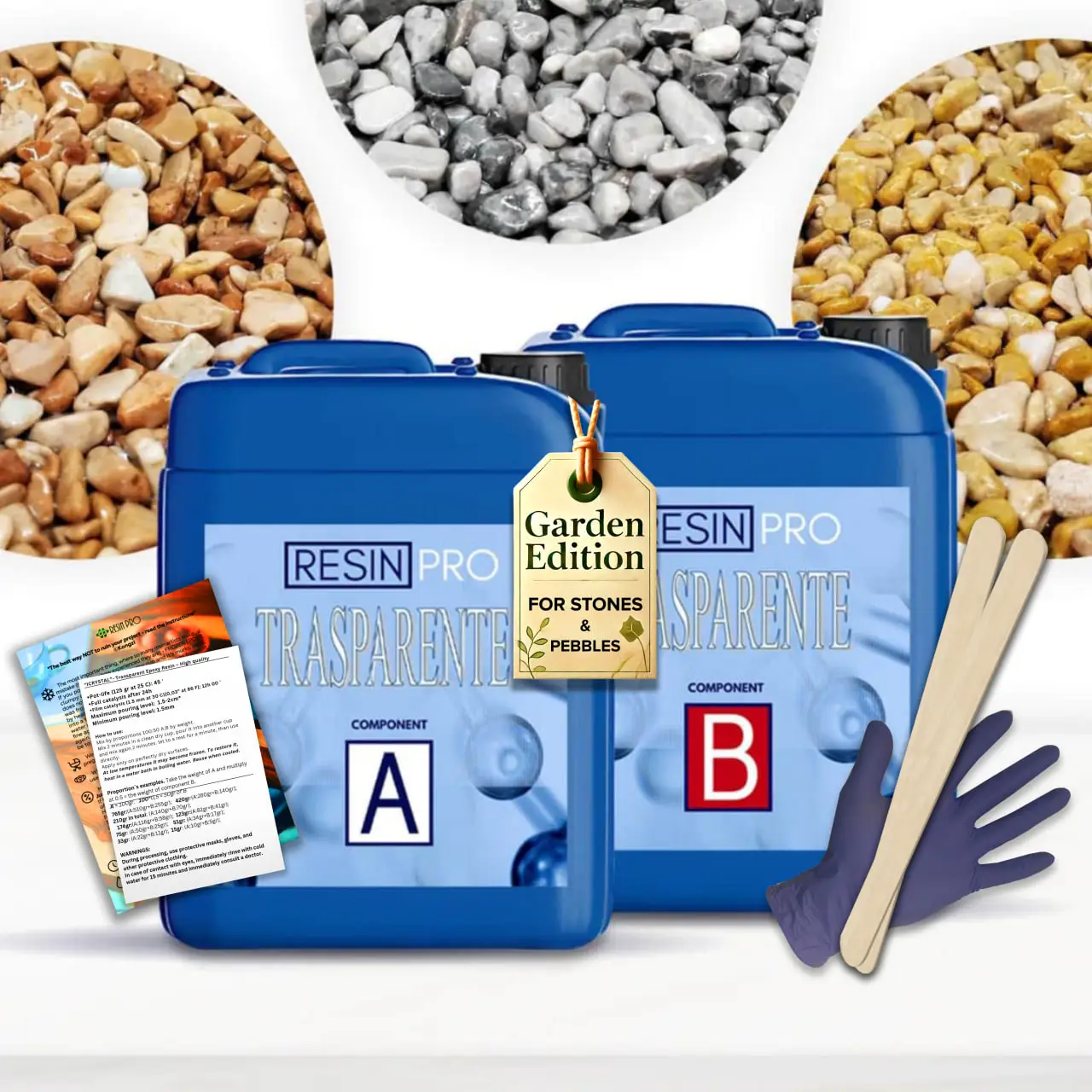 "Trasparente" – Epoxy Binder for Coloured Pebbles and GritsPrice range: £33.45 through £397.95"Trasparente" Epoxy Binder offers a clear, UV-stable finish designed for coloured pebbles and grits, suitable for flooring projects within the given…
Frequently Asked Questions
Why is my resin floor not curing with a matte finish?
A glossy finish can result from product selection or insufficient sanding/matte topcoat. Double-check your resin system and application process.
Which primer should I use under matte resin flooring?
A water-based two-component epoxy floor primer is recommended for most substrates, ensuring strong adhesion for resin overlays.
When can I walk on my new matte resin floor?
Wait until the resin system is fully cured, typically 24–48 hours. Always refer to your product's technical sheet for exact times.
How is a matte resin floor different from a gloss one?
Matte floors are less reflective, provide a contemporary look, and often have improved slip resistance compared to gloss finishes.
How do I prepare my substrate for matte resin application?
Ensure the surface is dry, clean, crack-free and primed with a suitable epoxy primer before installing the resin layer.
How do I maintain a matte resin floor after installation?
Sweep regularly to remove grit and use pH-neutral cleaners to preserve the matte surface and prevent abrasion.