 Free shipping on orders over £29,85
  Shipping Tracking!


 Google
 Facebook
How do you install split-stone effect resin?
Achieve a durable, decorative outdoor finish with drainage
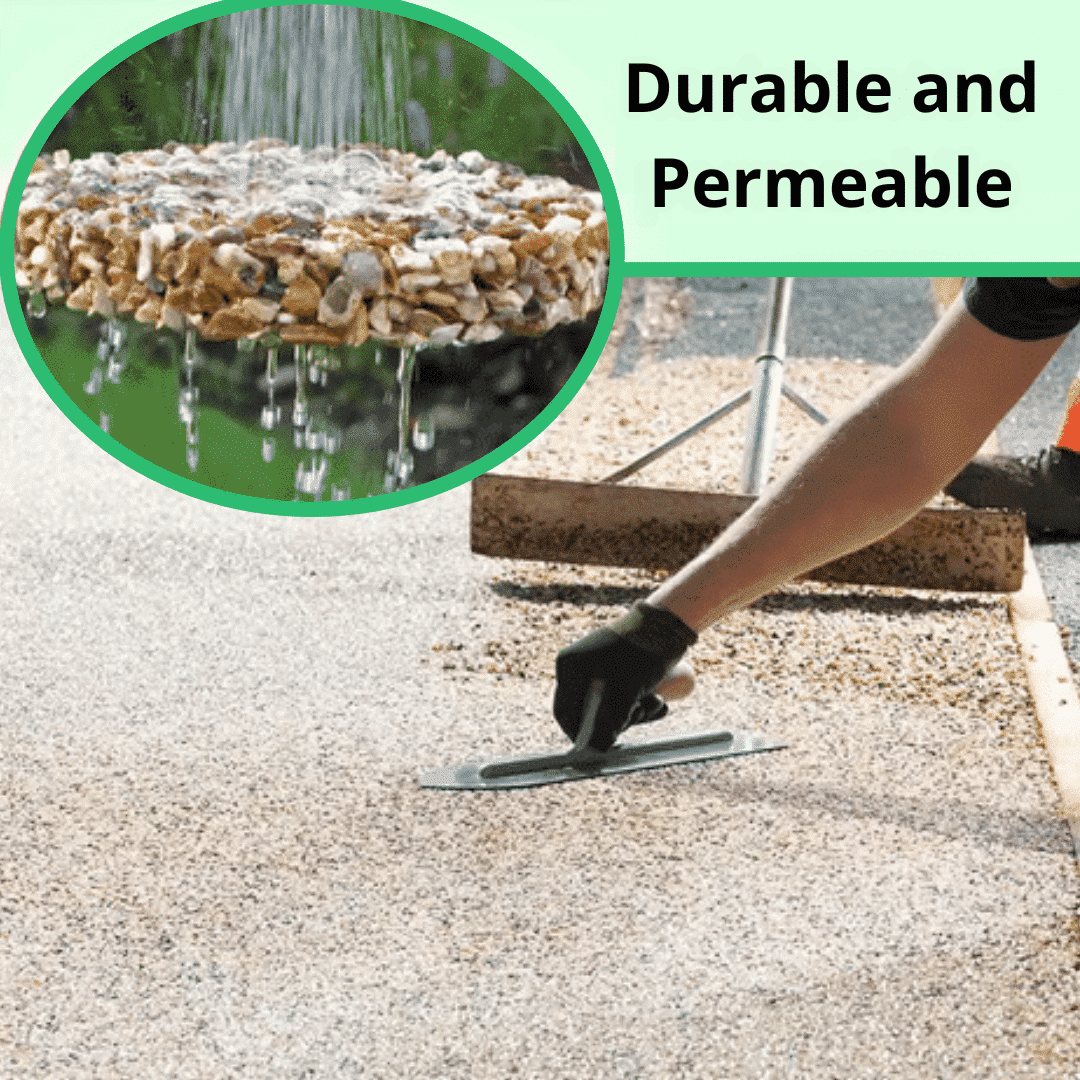
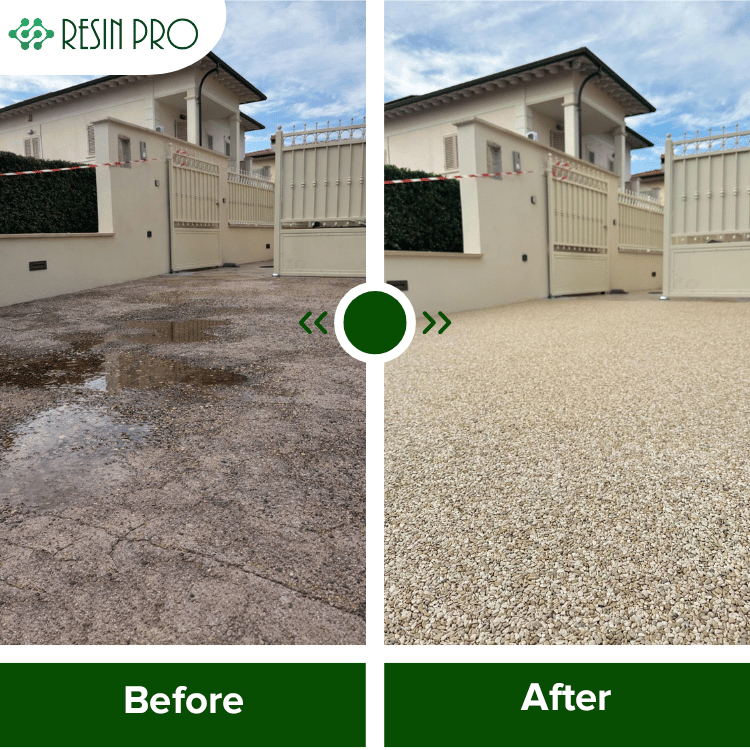
Creating a split-stone effect resin floor transforms driveways, paths, and patios into robust, beautifully textured, and permeable surfaces. This method provides both attractive design and practical benefits by enabling drainage and offering lasting durability – ideal for challenging UK weather. This guide walks you through preparation, installation, and finishing for professional-looking results at home.
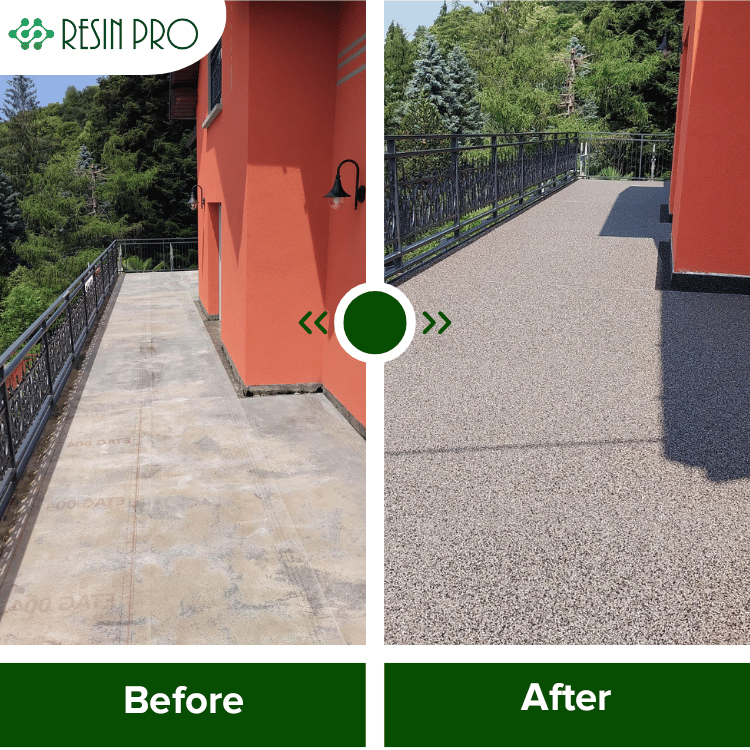
What You’ll Need
- “Flowstone” – Complete Permeable Floor Kit with Pebbles and Resin – for a ready-to-use solution suitable for most UK outdoor projects.
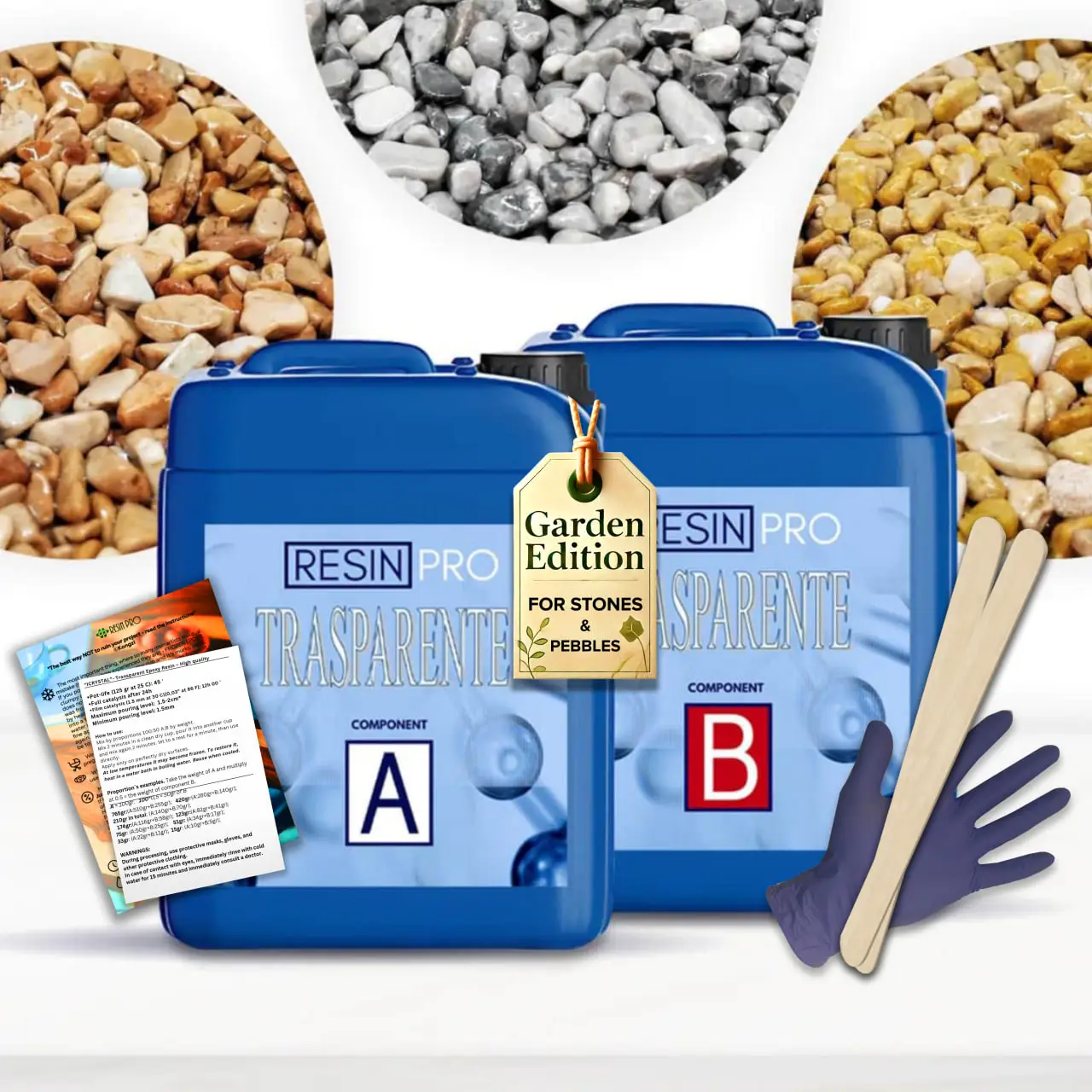
- “Trasparente” – Epoxy Binder for Coloured Pebbles and Grits – ideal for clear binding of coloured or dark pebbles.
- “Polirock” – Polyurethane Binder for White Stones, 2kg Two-Component Kit – best for permeable finishes with white aggregates, ensuring long-lasting clarity.
- “Resinstone” – One-Component Methacrylic Resin for Concrete Floors and Driveways – for surface sealing or prepping absorbent concrete bases.
- Clean natural pebbles or aggregate (check size and colour compatibility with resin chosen)
- Mixing tub or cement mixer
- Trowel and steel float
- Protective gloves and clothing
- Masks for dust protection
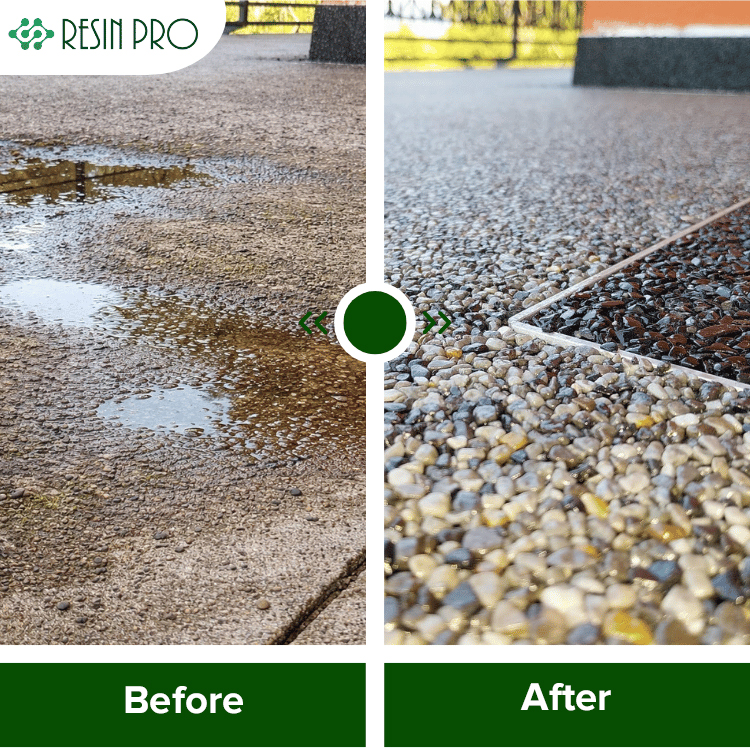
Visualising the Preparation and Mixing Process
Start with a clean, firm base to maximise resin adhesion and drainage. Carefully mixing pebbles and resin ensures every stone is coated, enhancing durability and appearance. Protective gear is recommended during handling for comfort and safety.
Step 1: Prepare the Base Layer
A solid, even sub-base is essential for installing a split-stone resin surface. Remove loose material and compact the soil, or for heavy use, pour a concrete or reinforced base. The surface must be dry and free of dust, oil, or grease. Cleanliness is crucial for bonding – leftover debris weakens adhesion and drainage.
If working over concrete, you can enhance waterproofing and surface stability by applying a primer layer. For deep sealing and mechanical strength, a dedicated methacrylic resin such as “Resinstone” – One-Component Methacrylic Resin for Concrete Floors and Driveways may be used before the pebble-resin mix.

Step 2: Select and Mix the Aggregate and Resin
The choice of resin depends on your aggregate. For coloured or darker stones, opt for an epoxy binder with high clarity. For white stones, a non-yellowing polyurethane binder safeguards long-term appearance. Always check temperature and humidity ranges as indicated on the resin container for correct mixing and curing. Measure pebbles and resin according to manufacturer guidance.
Combine your chosen aggregate with the resin system in a clean container. A mechanical mixer (or small cement mixer for large areas) guarantees a homogenous mixture – all stones must be thoroughly coated for optimal strength and permeability.
Step 3: Apply the Mixture to the Surface
Pour the mixed resin and aggregate onto the prepared base in sections. Use a trowel or steel float to spread the material across the surface. Aim for a uniform thickness (usually 1.5–2 cm for footpaths or up to 4 cm for driveways under high loads). Spread the mix evenly and press firmly to compact the stones and ensure no voids, which could weaken the floor or hinder drainage.
Work consistently, as the open time for the resin is limited. Carefully finish edges and joints for a clean appearance. For extended working times, prepare smaller batches.


Step 4: Allow the Surface to Cure Fully
After application, protect the area from rain, dust, or foot traffic until the resin has cured. The curing time varies by resin and temperature; typically, surfaces are walkable within 10–24 hours, with full strength achieved after several days. Adequate curing prevents soft spots and maximises the split-stone effect’s durability.
Regularly check for uneven spots during curing and avoid disturbing the finish prematurely. Only open to vehicles or heavy items when the manufacturer’s cure time has elapsed fully.
Tips, Common Mistakes, and Troubleshooting
Pay special attention to weather conditions – extreme cold or humidity may slow or compromise curing. Always work with the recommended resin-to-stone ratios for best drainage and binding performance. Clean tools immediately after use to avoid hardened residue. Mistakes such as under-mixing, rushing the base preparation, or inadequate curing can result in patchy appearance or poor durability. If surface bubbles or imperfections appear, they can usually be sanded back or topped with additional resin.

Achieving the Best Finish on Split-Stone Resin Floors
Consistent spreading and compaction creates a seamless, sturdy finish. Attention to edges and small areas helps achieve a professional look, while patience during curing preserves the effect for years of weather resistance and beauty.
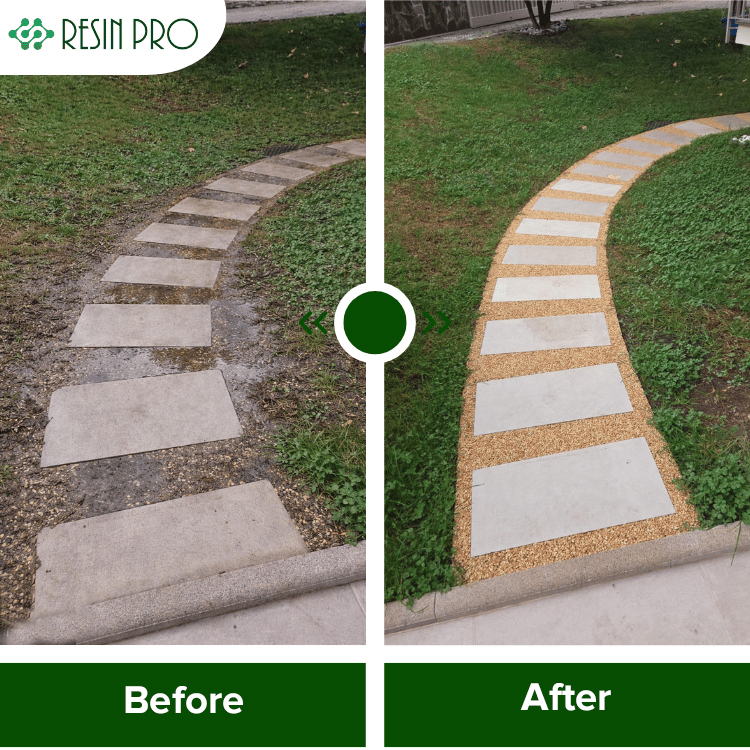
- "Flowstone" – Complete Permeable Floor Kit with Pebbles and ResinPrice range: £49.95 through £3,915.45Flowstone is a permeable pebble and resin kit designed for durable outdoor floors with simple application and colour guidance.
- "Trasparente" – Epoxy Binder for Coloured Pebbles and GritsPrice range: £33.45 through £397.95"Trasparente" is a transparent epoxy binder designed for coloured pebbles and grits, suitable for clear and UV-resistant pebble finish.
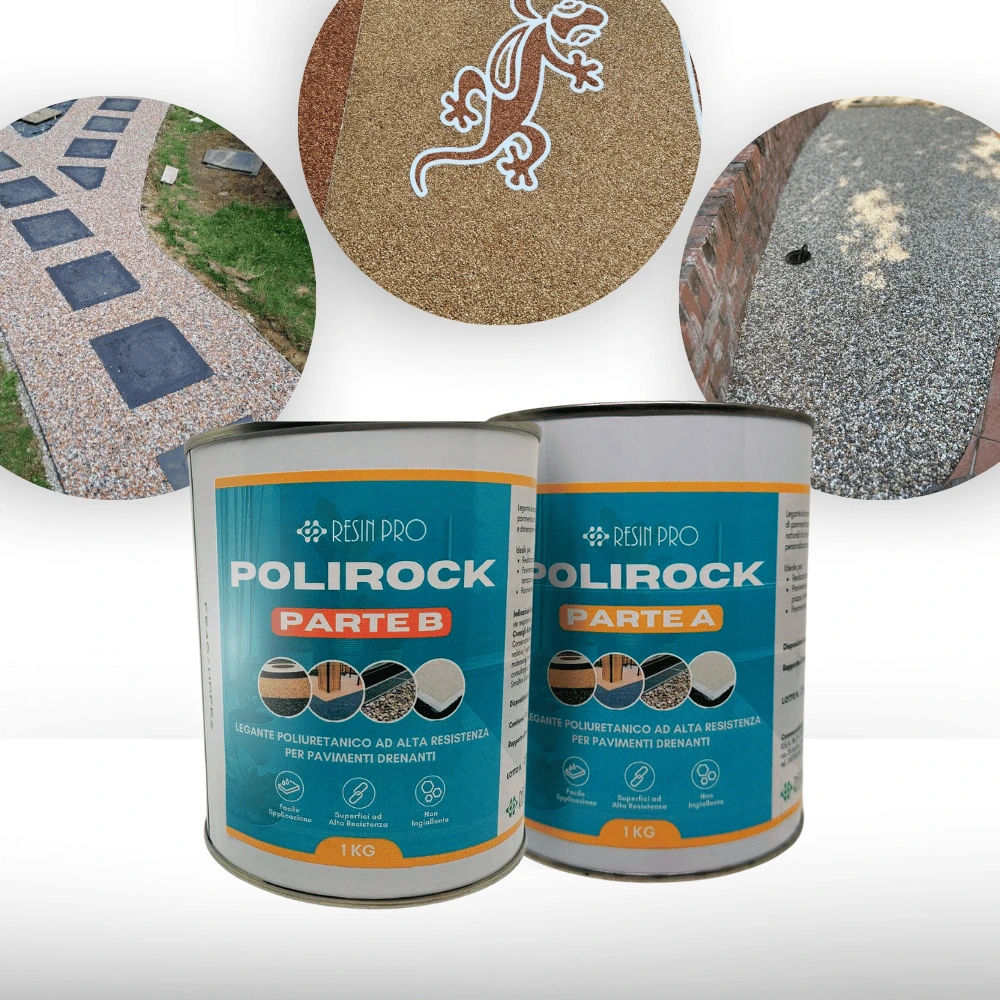 "Polirock" – Polyurethane Binder for White Stones, 2kg Two-Component Kit£61.95POLIROCK is a two-component polyurethane binder designed for durable, weather-resistant decorative stone surfaces suitable for outdoor use.
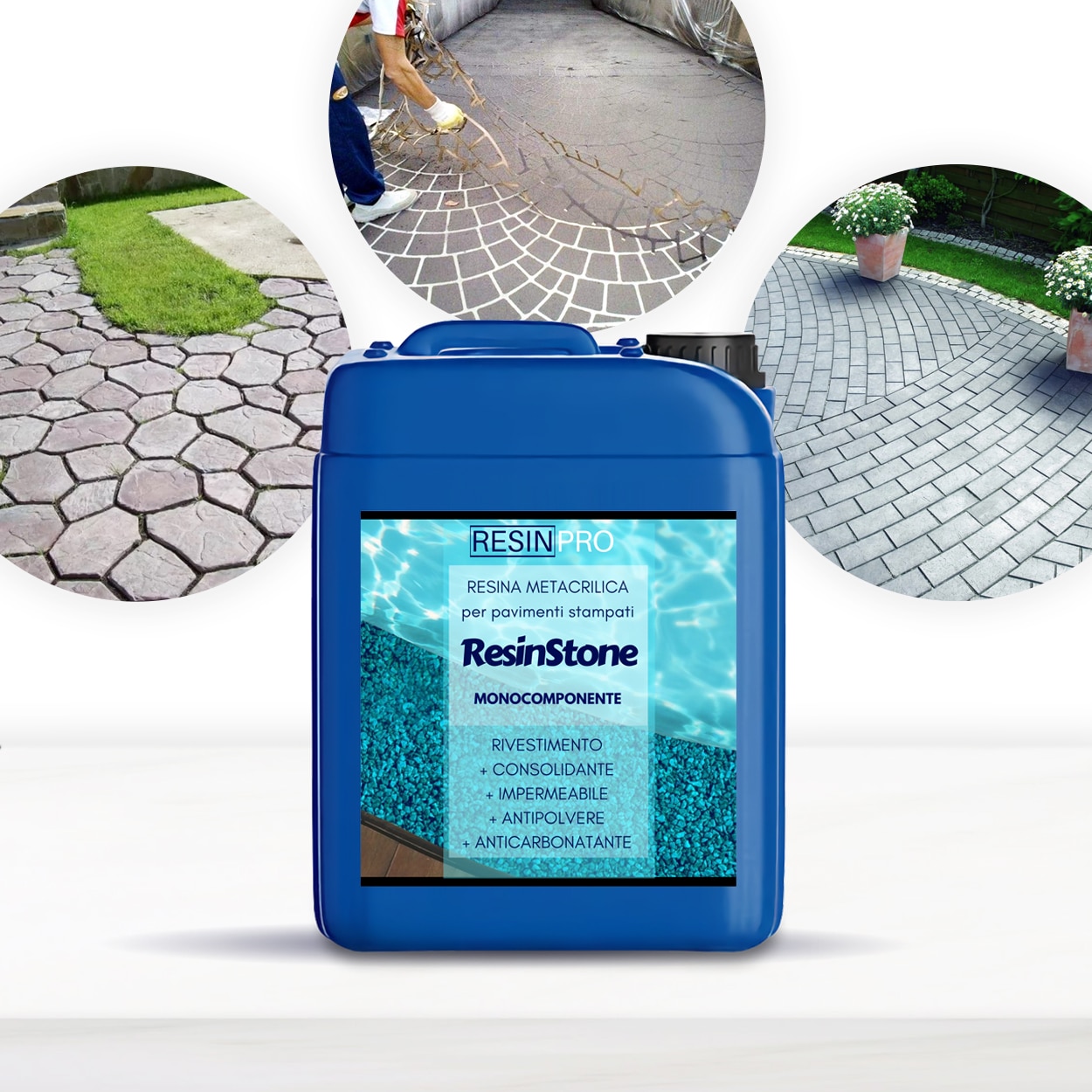 "Resinstone" – One-Component Methacrylic Resin for Concrete Floors and DrivewaysPrice range: £36.71 through £336.48"Resinstone" is a one-component methacrylic resin designed for sealing and protecting concrete floors, suitable for driveways and outdoor paths.
Frequently Asked Questions
Which resin type is best for split-stone effect resin floors?
Epoxy binders work well for coloured stones, while polyurethane binders are best for white aggregates to prevent yellowing.
What thickness should a pebble resin surface be?
For most paths and patios, 1.5–2 cm is sufficient. Heavier driveways may require layers up to 4 cm for added durability.
Can I lay split-stone resin directly onto soil?
A compacted base is essential. For light traffic, soil can be used if properly prepared, but heavy use calls for a concrete or stabilised base.
How long before I can use the new resin floor?
Light foot traffic is usually possible after 10–24 hours, with full curing for vehicles typically taking several days.
What tools do I need for installation?
At minimum, you'll need a mixing tub or cement mixer, trowel, steel float, gloves, and dust mask for a safe and quality finish.
How should I prepare the sub-base?
Clean, compact, and level the base thoroughly. Seal concrete if needed before applying the pebble-resin layer.
How can I fix imperfections after curing?
Surface bubbles or marks can often be sanded down and re-topped with resin once fully cured.