 Free shipping on orders over £29,85
  Shipping Tracking!


 Google
 Facebook
How do you make a resin-coated piece of jewelry?
Step-by-step guide for glossy, professional resin finishes
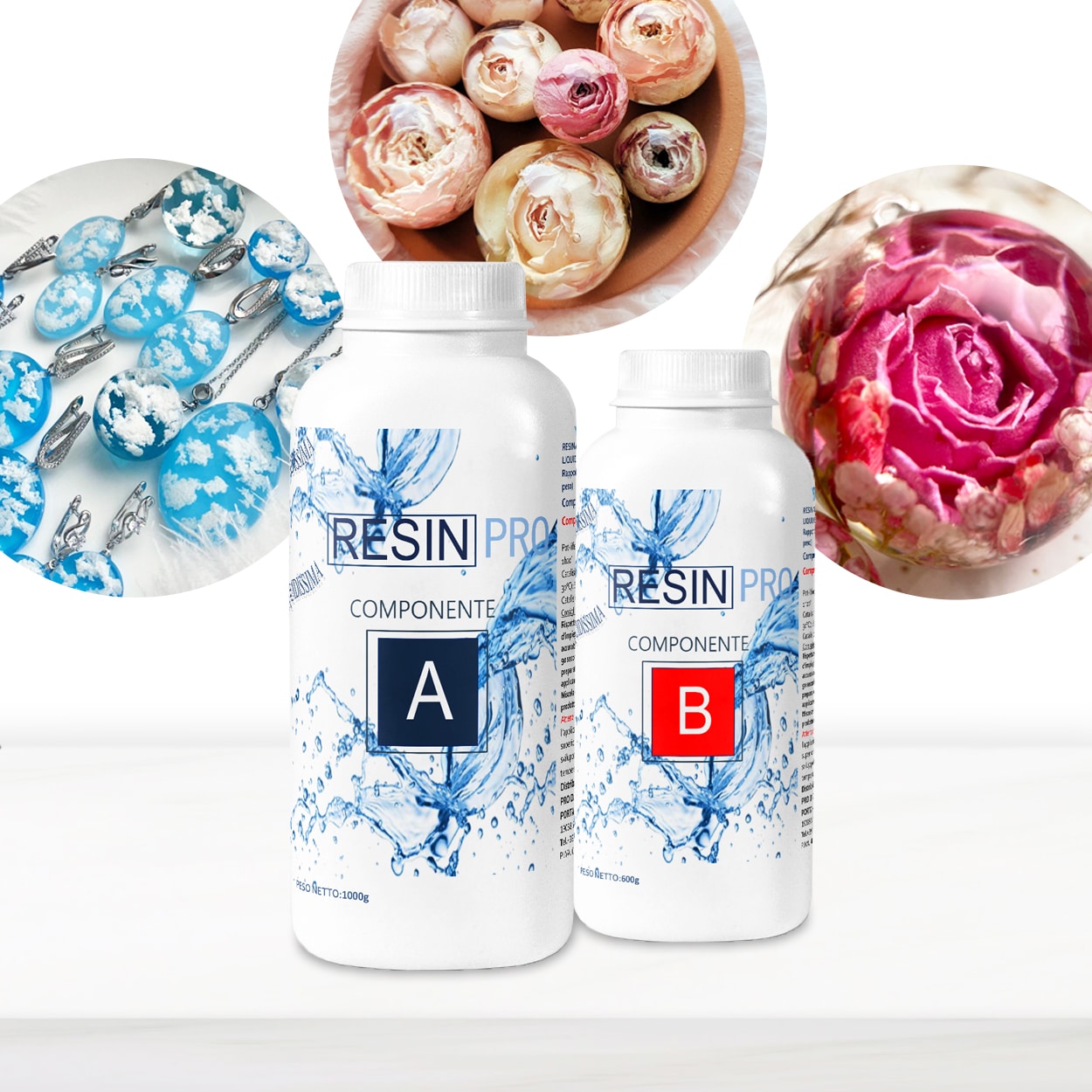

Resin-coated jewellery is renowned for its glossy, glass-like appearance and custom design possibilities. Whether you want to encapsulate flowers, glitter, or pigments, this guide shows you how to achieve a durable and beautifully finished resin-coated piece of jewellery from start to finish. Ideal for both beginners and experienced crafters, you’ll discover key techniques that deliver professional results.
What You’ll Need
- “Liquidissima” – Epoxy Resin For Creations & Jewellery
- “Evershine Collection” – Artisan Jewellery Epoxy Resin Kit with 100+ Accessories
- “UV–Creation” – Fast Acrylic Resin, 3 Minute UV Cure
- “ICreation” – Fast Epoxy Resin, 6h Demoulding, Transparent Gloss Finish
- Silicone moulds or jewellery blank bases
- Mixing cups and stirrers
- Protective gloves and a dust-free workspace
- Decorative inclusions: dried flowers, pigments, glitter (optional)
- UV lamp (if using UV resin)
- Fine sandpaper or polishing cloth
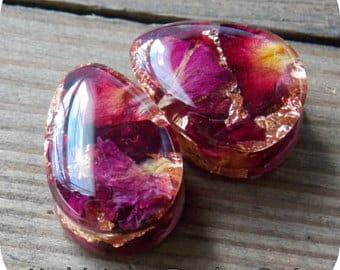
Essential Materials and Workspace Preparation
Selecting the right resin and accessories is key for creating high-quality jewellery. Work on a clean, dust-free surface and gather mixing tools, gloves, and your preferred Resin for Jewellery to get started.
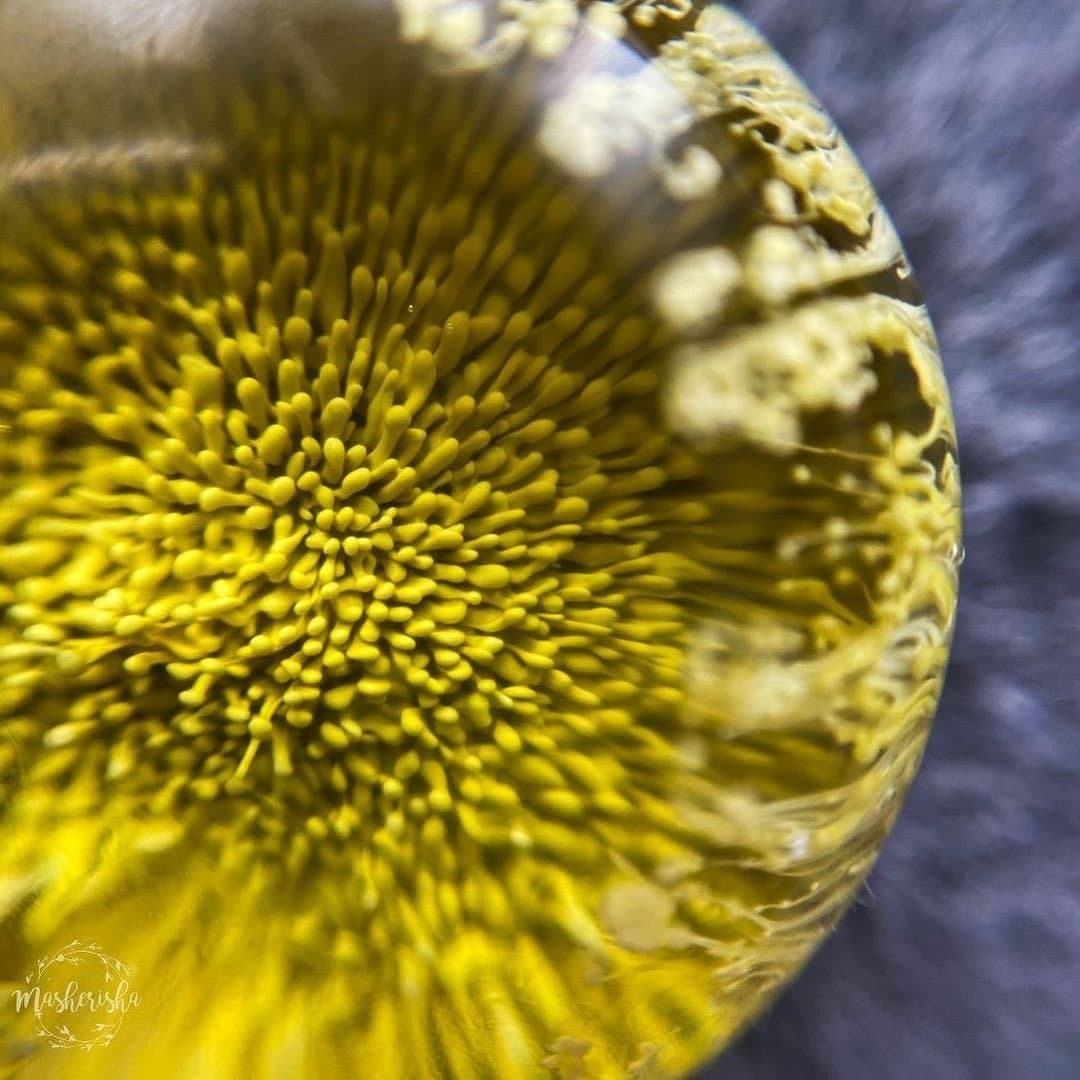
Step 1: Prepare Your Work Area and Moulds
Before starting, set up a clean, dust-free workspace with good ventilation. Prepare your silicone moulds or jewellery blanks by wiping them gently to remove dust and debris. If using open bezels, secure them flat on a protective sheet with adhesive tape to prevent the resin from leaking. Cleanliness is crucial for a flawless finish, as even tiny particles can mar the final result. Lay out your tools and dry-run your sequence so that everything you need is easily accessible.
Step 2: Mix the Resin Correctly
For most epoxy resins, accurate measurement and thorough mixing are vital. Check the instructions—some, such as “Evershine Collection” – Artisan Jewellery Epoxy Resin Kit with 100+ Accessories, use a simple 1:1 mixing ratio, while others like “ICreation” – Fast Epoxy Resin, 6h Demoulding, Transparent Gloss Finish require a 2:1 ratio. Combine resin and hardener in a mixing cup, stirring slowly to avoid introducing air bubbles. Scrape the sides and bottom for an even cure. If you wish to add colourants, mica powder, or glitter, do so now and mix until homogenous. For instant projects, ready-to-use options such as “UV–Creation” – Fast Acrylic Resin, 3 Minute UV Cure require no mixing—simply pour and cure with a UV lamp.
Step 3: Pour the Resin and Add Inclusions
Slowly pour the mixed resin into your prepared moulds or onto the jewellery piece. Pour slowly and avoid overfilling, as excess resin can spill and waste product. To encapsulate decorative items (such as pressed flowers or pigment swirls), gently place them in the resin using a toothpick or tweezers. Tap the mould lightly to encourage bubbles to rise, and use a pin or heat tool to pop any surface air bubbles. Work with patience and keep your workspace level for an even finish. UV resin can be built up in thin layers, curing each with the lamp for intricate effects.

Step 4: Curing and Demoulding
Allow the resin to cure as per product instructions—epoxy types such as “Liquidissima” – Epoxy Resin For Creations & Jewellery and “ICreation” – Fast Epoxy Resin need several hours to fully harden, while UV varieties cure in minutes under a lamp. Avoid touching or moving the project before it has set completely to prevent scratches or fingerprints. Allow for full curing before handling to ensure optimum gloss and durability. When ready, demould carefully by flexing the mould or gently prying free the piece.
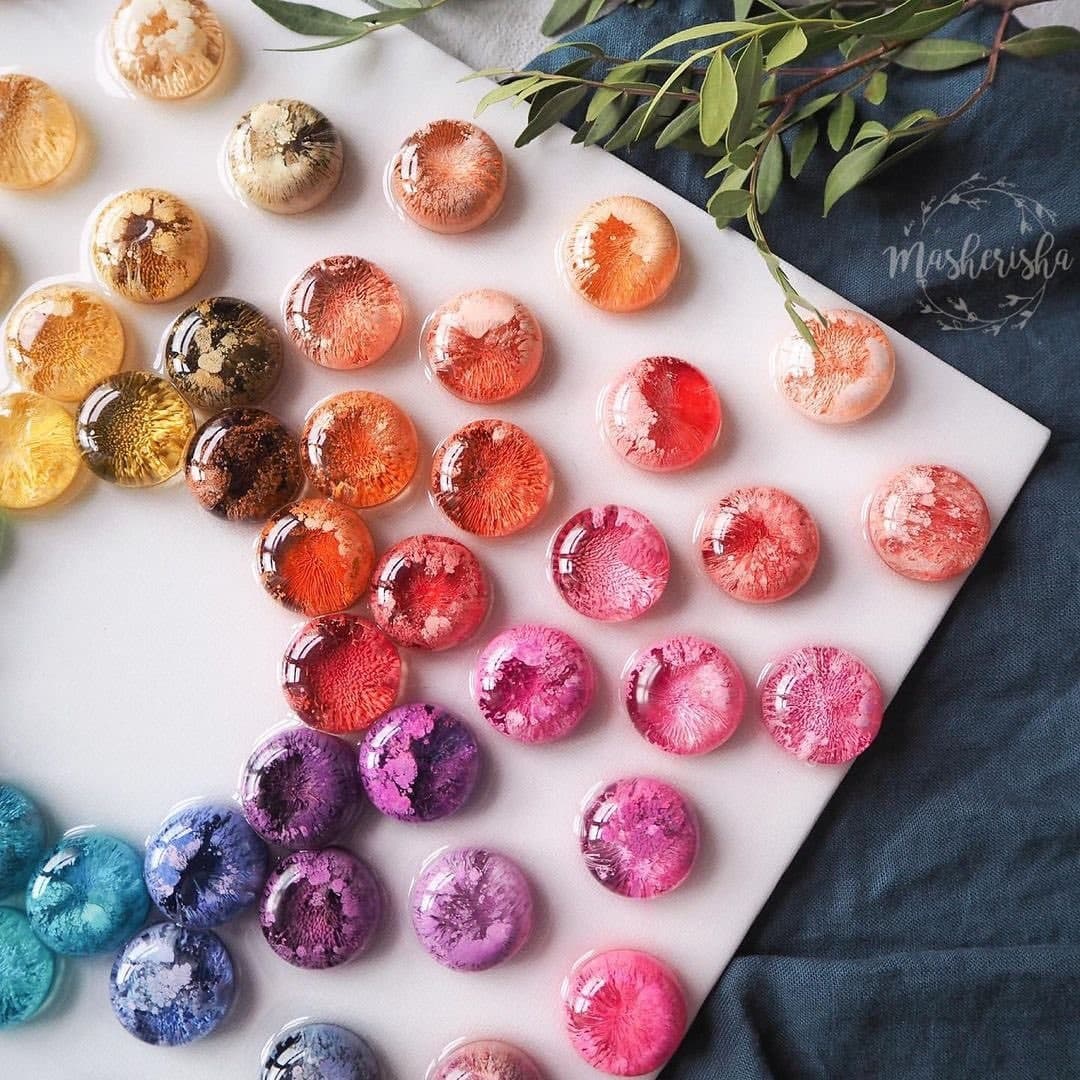
Step 5: Finishing and Assembly
Once your resin-coated jewellery is cured and demoulded, inspect for any sharp edges or surface imperfections. Lightly sand the edges with fine sandpaper if needed, then polish the surface for extra shine using a soft cloth. Attach findings such as earring hooks, clasps or keyrings to complete your jewellery piece. Cleaning and polishing at this stage ensures a professional finish emphasising your creative inclusions and the clarity of the resin.
Tips, Common Mistakes, and Troubleshooting
- Measure resin and hardener with care to prevent sticky or soft results.
- Work in a warm room, as low temperatures can delay curing or introduce cloudiness.
- If bubbles persist, allow the resin to rest a few minutes after mixing or use a gentle heat source briefly.
- Avoid direct water contact with uncured resin and always wear gloves for safety.
- Store unused resin tightly sealed to extend shelf life.
Finishing Touches for Professional Results
Dry, dust-free curing environments enhance resin clarity and longevity. Polishing and careful assembly after demoulding bring your project up to a professional standard, emphasising your creative inclusions.
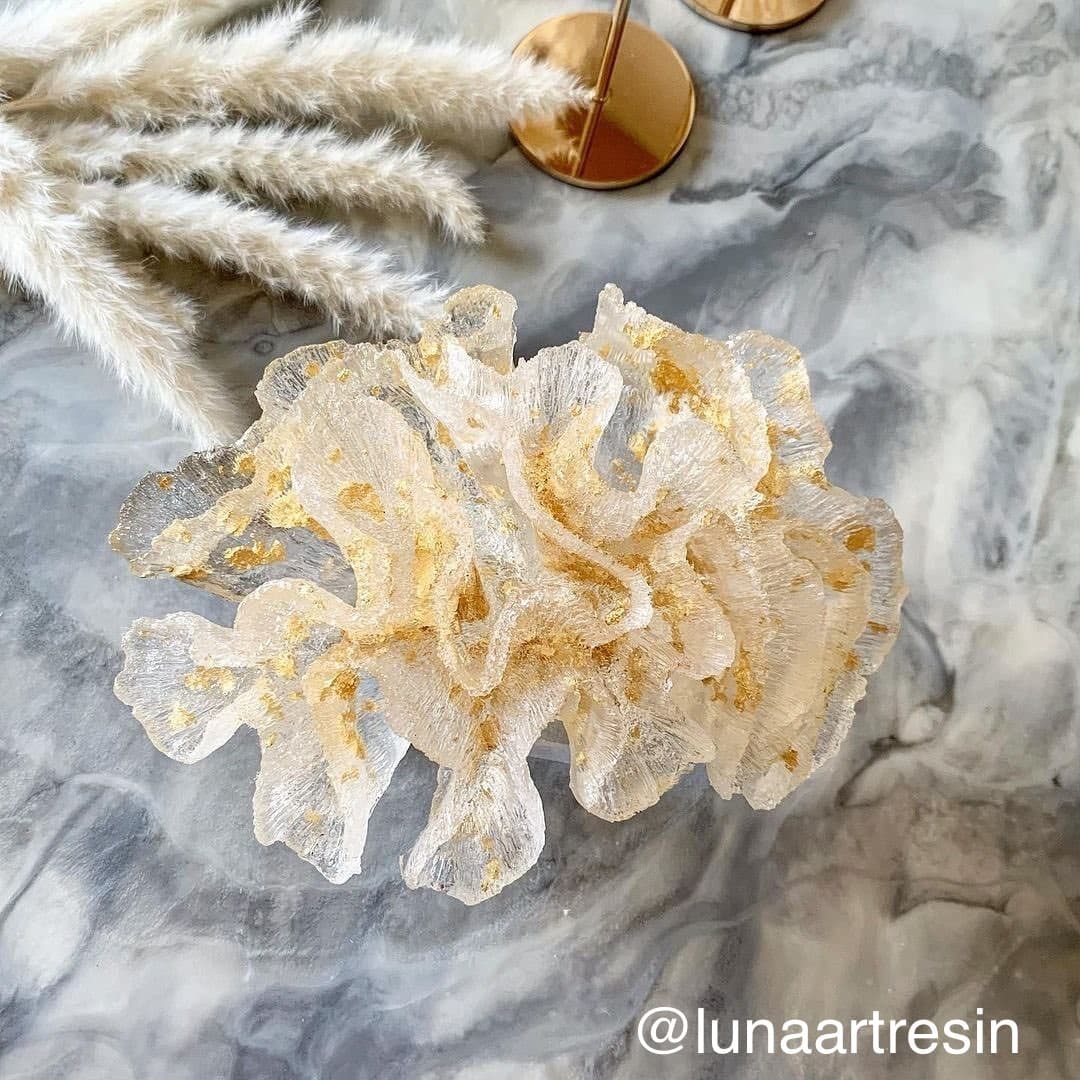
- "Liquidissima" – Epoxy Resin For Creations & JewelleryPrice range: £12.85 through £31.85A transparent epoxy resin designed for detailed jewellery making with long working time and a self-levelling finish.
- "Evershine Collection" – Artisan Jewellery Epoxy Resin Kit with 100+ Accessories£21.95A complete kit with 500g crystal-clear 1:1 epoxy resin and 100+ accessories for jewellery making, designed to support the theme of resin-coated…
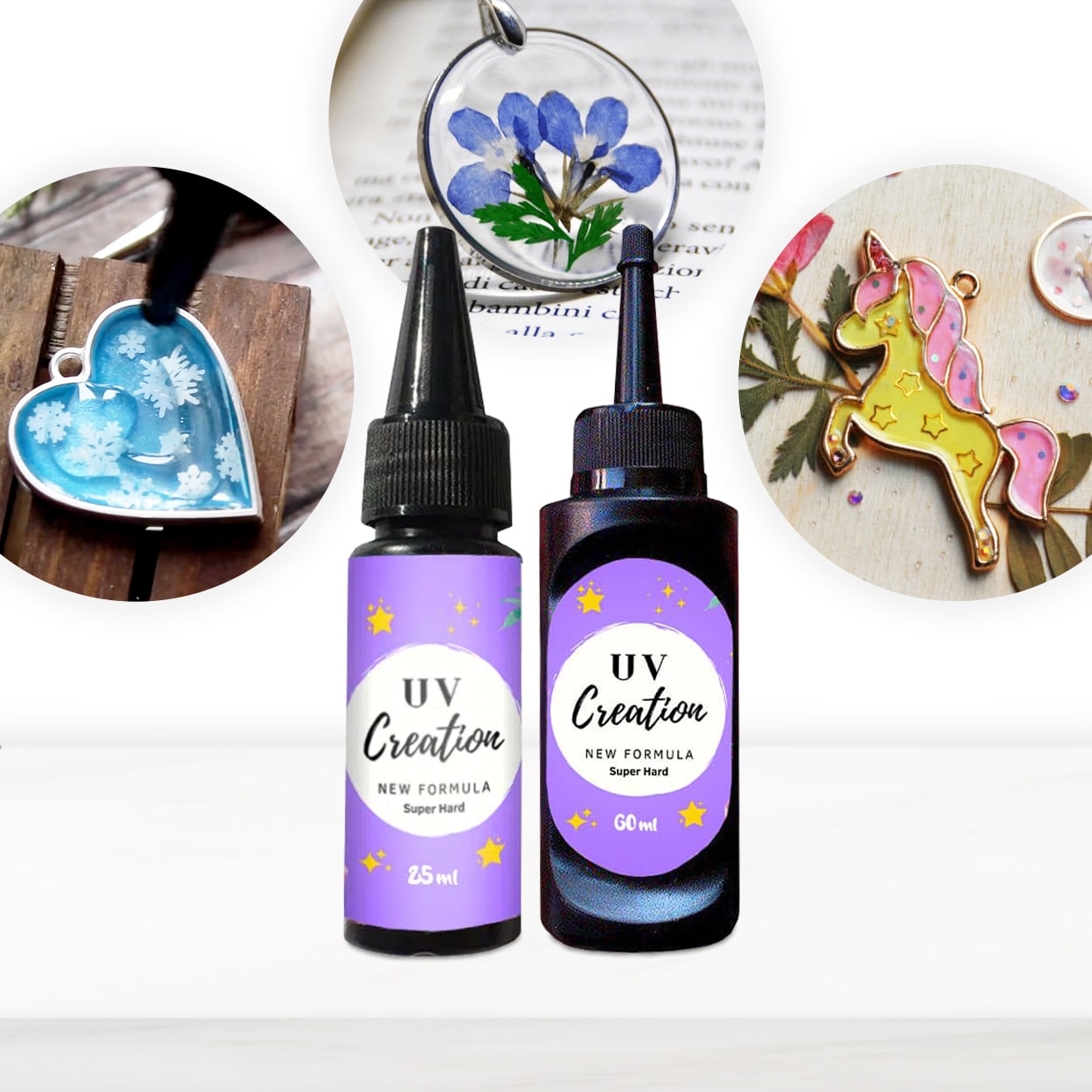 "UV–Creation" – Fast Acrylic Resin, 3 Minute UV CurePrice range: £8.45 through £62.95UV–Creation is a fast curing, crystal-clear UV resin suitable for jewellery makers offering a glossy, non-yellowing finish.
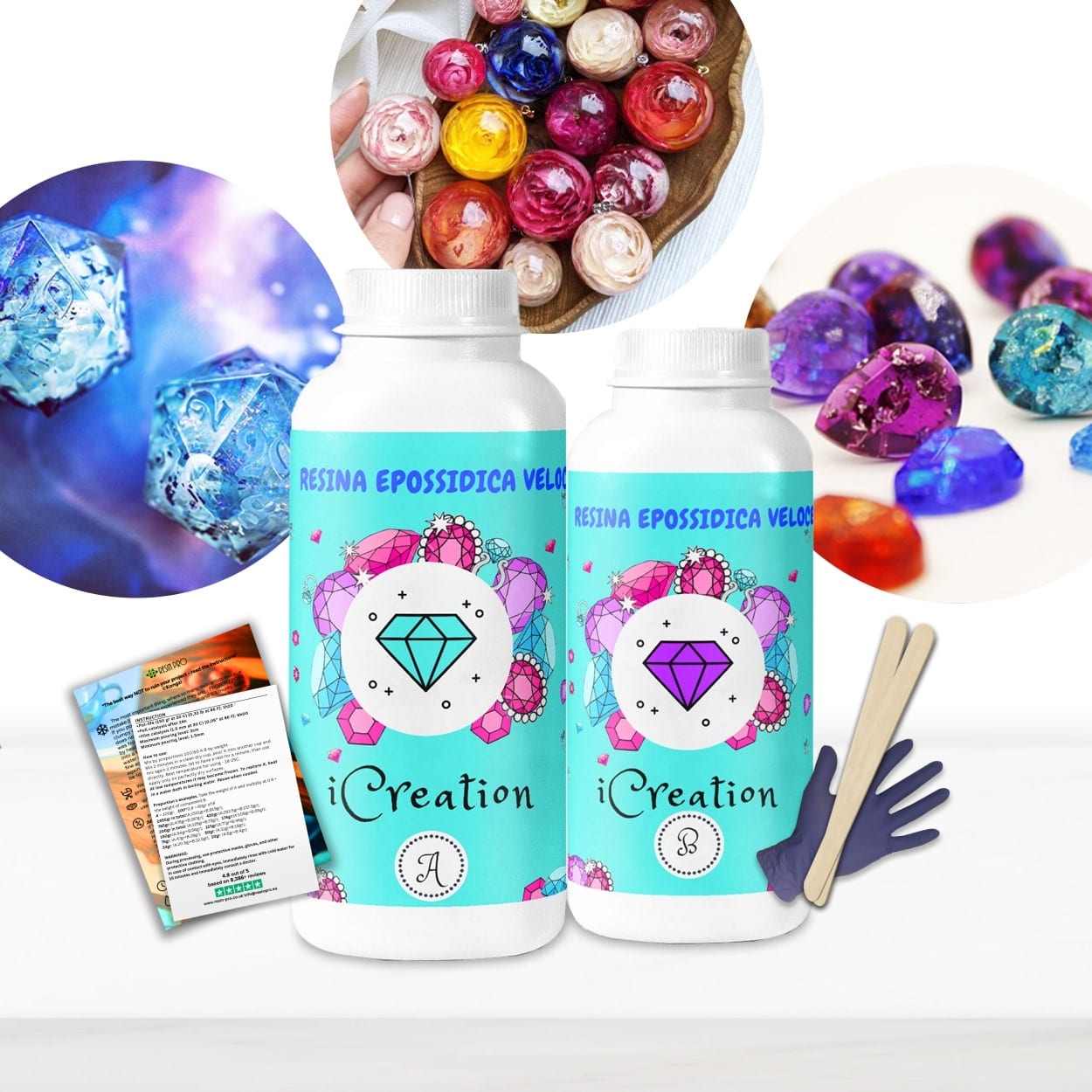 "ICreation" – Fast Epoxy Resin, 6h Demoulding, Transparent Gloss FinishPrice range: £15.95 through £55.95A fast-curing, transparent epoxy resin designed for jewellery and decorative crafts with a clear, glossy finish.
Frequently Asked Questions
Which resin is best for beginners in jewellery making?
Kits like Evershine Collection offer a simple 1:1 mix and include all tools needed for first projects.
What is the main difference between UV and epoxy resin for jewellery?
UV resin cures in minutes under a UV lamp, while epoxy resin needs several hours and offers longer working times for complex designs.
How do I avoid bubbles in resin-coated jewellery?
Stir resin slowly, let it rest before pouring, and use a heat tool gently to pop surface bubbles.
How long does resin take to cure for jewellery?
Epoxy resins cure in 6–24 hours depending on the formula; UV resins set in 2–3 minutes under UV light.
Can I add flowers or glitter to my resin-coated jewellery?
Yes, be sure items are fully dry before embedding them in resin to prevent discolouration or trapped moisture.
What should I do if my resin is sticky or uncured?
Sticky resin usually indicates incorrect mixing ratios or poor mixing. Double-check measurements and mix thoroughly next time.
Will my resin-coated jewellery yellow over time?
Modern resins, especially those with UV filters, are formulated to stay clear longer and resist yellowing if properly cured and stored.