 Free shipping on orders over £29,85
  Shipping Tracking!


 Google
 Facebook
How do you make a resin joint?
Step-by-step guide to achieving strong, seamless resin bonds


Creating a resin joint is an essential technique for anyone working with wood, metal, or crafting materials. Whether you’re repairing a broken item, constructing furniture, or producing artistic works, forming a secure and resilient resin joint ensures your project lasts. This guide takes you through all the key stages for a successful bond, from preparation to finishing, helping both beginners and experienced makers achieve top results.
What You’ll Need
- “Klebfix” – Two-Component Fast Epoxy Glue 2K, 25g Syringe: A fast-setting adhesive perfect for quick repairs and multi-material joints.
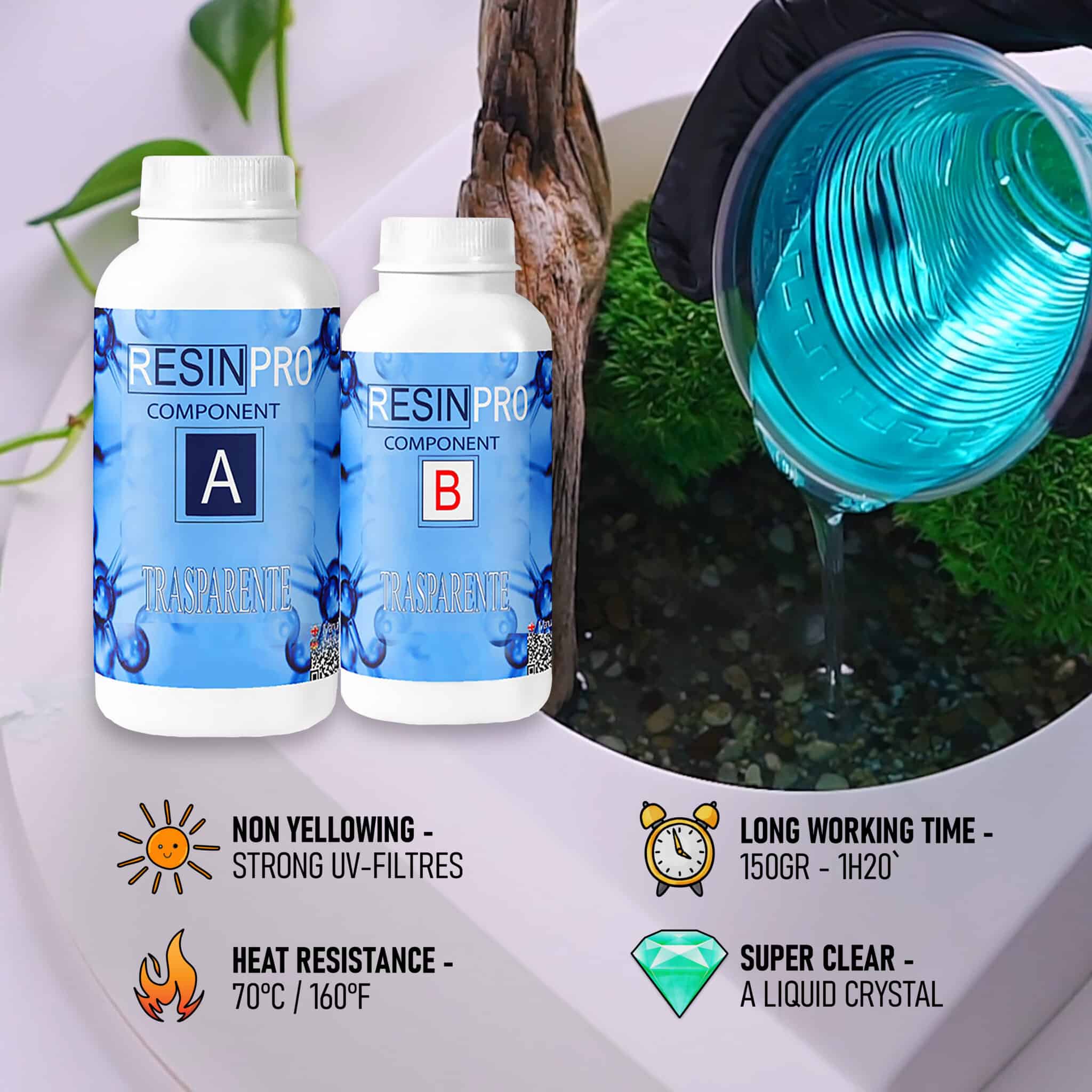
- “Trasparente” – Multipurpose Clear Epoxy Resin for Casting – Up to 2cm: For casting or joining clear layers up to 2cm thickness, especially in creative or restoration work.
- “EpoxyTable 5-Five” – Deep Pour Epoxy Resin for Tables and Large Projects – Up to 5cm: Use for deep, structural joints in tables or large pieces.
- “One-2-One” – Epoxy Resin for Handcraft, 1:1 Mixing Ratio: Ideal for jewellery and small crafts, thanks to its easy mixing and clear finish.
- Mixing sticks, gloves, masking tape, and suitable clamps (as needed).

Essential Tools and Preparation Materials
Gather all your materials and tools in advance for a smoother process. Using the right type of resin and appropriate gloves or mixing accessories avoids interruptions and guarantees accuracy from the start.
Step 1: Prepare the Surfaces
Ensure surfaces are clean, dry, and free from grease or dust. Use sandpaper to lightly abrade the areas you plan to join, especially if working with smooth surfaces like metal or glass. Wipe away sanding residue with a lint-free cloth. Mask off nearby regions if you want to prevent resin spillover. Good preparation is the foundation of a durable joint—skipping this step often leads to weak adherence.

Step 2: Measure and Mix the Resin Components
Choose the right type of resin for your joint—use a fast-setting adhesive for repairs or joining diverse materials, or a casting resin for clear, decorative connections. Mix resin and hardener thoroughly using the correct ratio; failure to do so will result in sticky or weak joints. For projects requiring quick set and high strength, a product like “Klebfix” – Two-Component Fast Epoxy Glue is ideal due to its easy 1:1 dosing and rapid cure time. For creative or larger area joints, such as in woodworking, consider multipurpose resins like “Trasparente” or “EpoxyTable 5-Five” as appropriate. Mix for at least 60 seconds using a stick or spatula, scraping the sides and bottom of your mixing container.
Step 3: Apply the Resin to the Joint
Apply the mixed resin evenly to both surfaces or into the joint cavity. Apply the mixed resin to both surfaces or within the joint cavity, ensuring full coverage without air gaps or bubbles. For small, detailed pieces, work precisely with a spatula or syringe. If using a runnier, craft-oriented resin like “One-2-One” – Epoxy Resin for Handcraft, pour slowly and control the flow to avoid excessive runoff. Secure the pieces together using tape or clamps as needed, but avoid over-tightening, which could squeeze out too much resin.
Step 4: Allow to Cure and Finish the Joint
Allow sufficient curing time, protecting the joint from disturbance. Most fast epoxy adhesives set in a few minutes but require up to 24 hours for a full cure. Avoid touching, moving, or stressing the assembly during this period. Once cured, you can remove any overflow resin with gentle sanding or trimming. For joints that will be visible, polishing or applying additional resin can help achieve a seamless, professional finish.
Tips and Common Mistakes
Work in a well-ventilated area and wear gloves at all times. Always check the manufacturer’s suggested mixing ratios and curing times. Common pitfalls include under-mixing (leading to soft spots or poor adhesion), rushing the curing process, applying resin in overly thick layers without observing maximum thickness, or not securing the parts firmly enough during curing. If your joint appears cloudy or weak, re-examine your preparation and mixing steps. Patience and careful technique deliver the best results in resin bonding.
Expert Advice for Reliable Resin Joints
Prevent bubbles and uneven bonds by mixing thoroughly and pouring slowly. When making larger joints, pour in multiple layers if needed to avoid overheating or weak points.

- "Klebfix" – Two-Component Fast Epoxy Glue 2K, 25g Syringe£24.00The "Klebfix" 2K epoxy glue provides fast, strong adhesion across multiple materials, suitable for reliable and professional resin joints.
- "Trasparente" – Multipurpose Clear Epoxy Resin for Casting – Up to 2cmPrice range: £8.95 through £397.95"Trasparente" is a clear epoxy resin designed for castings and table projects up to 2cm thickness, offering a glossy, self-levelling finish suitable…
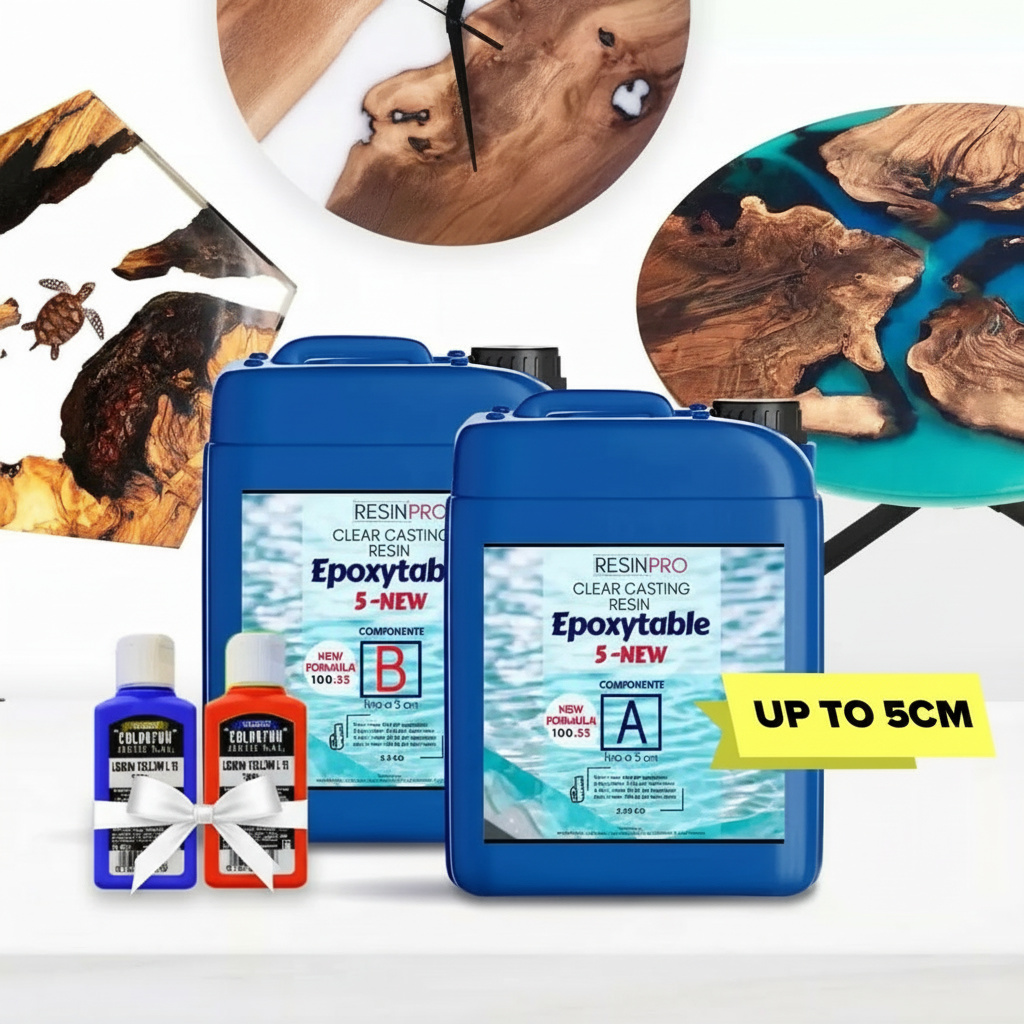 "EpoxyTable 5-Five" – Deep Pour Epoxy Resin for Tables and Large Projects – Up to 5cmPrice range: £17.95 through £1,154.95"EpoxyTable 5-Five" is designed for deep pour projects up to 5cm thick, suitable for tables and larger artistic works.
 "One-2-One" – Epoxy Resin for Handcraft, 1:1 Mixing RatioPrice range: £15.95 through £59.95"One-2-One" epoxy resin is a medium viscosity, clear resin with an easy 1:1 mixing ratio, suited for handcraft jewellery and decorative use.
Frequently Asked Questions
Which epoxy is best for making strong resin joints on wood and metal?
A two-component fast epoxy glue like 'Klebfix' provides an excellent bond for wood and metal, setting quickly for tough repairs.
How long do resin joints need to cure before handling?
Most fast-setting epoxies cure to handling strength in 5–15 minutes, but full strength is achieved after 24 hours.
Can I use casting resin for joining materials?
Yes, casting resins are suitable for forming strong, clear joints, especially in creative or decorative projects with appropriate mixing.
Should I sand surfaces before applying resin to make a joint?
Light sanding improves adhesion and helps create a stronger, longer-lasting bond before applying resin.
What can I do if the resin joint doesn't set or stays sticky after curing?
Sticky joints are usually due to incorrect mixing; remove uncured resin and reapply after mixing properly at the right ratio.
How can I stop bubbles from forming in resin joints?
Mix slowly, avoid over-stirring, and pour with care to reduce trapped air. Use a toothpick to release bubbles if needed.