 Free shipping on orders over £29,85
  Shipping Tracking!


 Google
 Facebook
How do you make epoxy adhesive?
Step-by-step guide to mixing and applying strong epoxy glue


Creating your own epoxy adhesive is a practical skill that opens up countless repair and craft opportunities. Epoxy adhesives offer exceptional bond strength and versatility on materials such as wood, glass, metal, ceramics, and even stone. Whether you’re tackling a quick household fix or a creative project, this guide will walk you through each essential step for consistent, reliable results.
What You’ll Need
- “Klebfix” – Two-Component Fast Epoxy Glue 2K, 25g Syringe – A fast-setting, transparent 2K epoxy adhesive designed for multi-material bonding with high strength and flexibility.
- “FixExpress” – Two-Component Epoxy Glue 500g – Two-component epoxy glue suitable for rapid repairs on diverse materials including wood, glass, and metal.
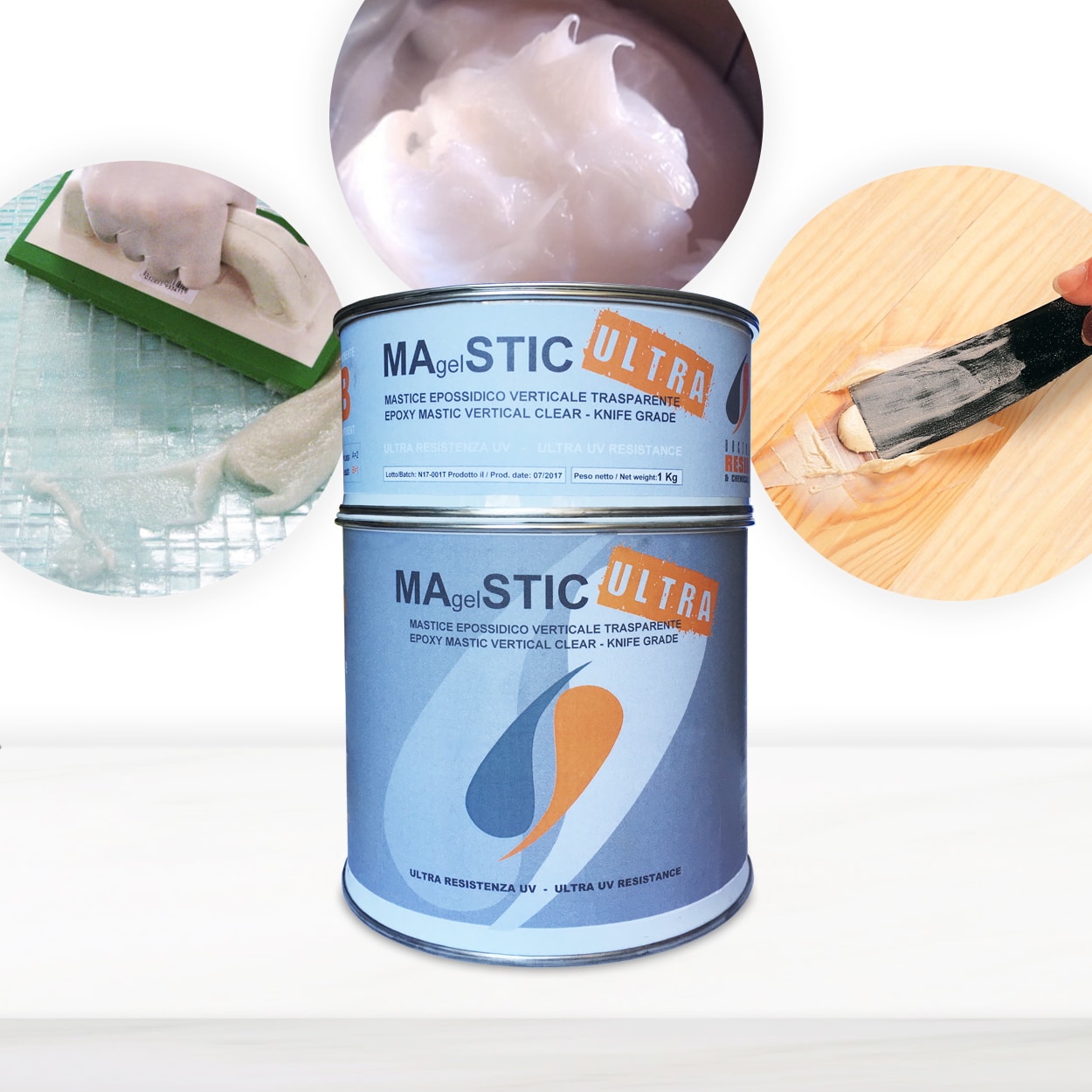
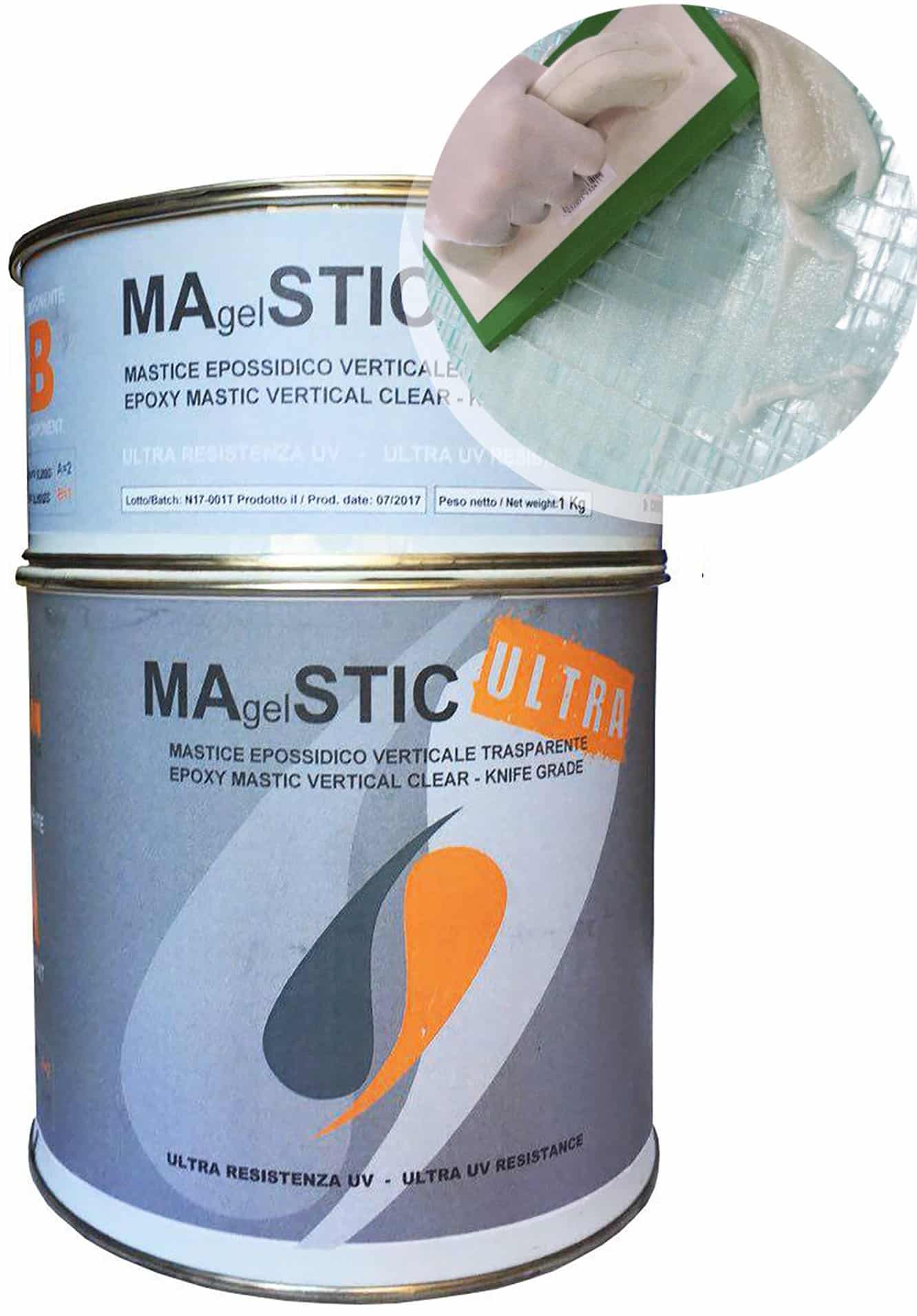
- “Magelstick” – Epoxy Mastic for Stone, Metal, and Cement Bonding and Grouting – For demanding applications on stone, metal, and cement.
- “One-2-One” – Epoxy Resin for Handcraft, 1:1 Mixing Ratio – Simple 1:1 mix for casting, coating, or creative adhesive projects.
- Disposable gloves
- Mixing stick or spatula
- Mixing tray or disposable cup
- Masking tape (optional for protecting surfaces)

Getting Materials Ready for Epoxy Mixing
Take your time preparing the materials before you start mixing. Gathering everything ahead—gloves, mixing cups, spatula, and your chosen epoxy adhesive—makes the process smoother and helps prevent mistakes.

Step 1: Prepare Your Workspace and Materials
Simple preparation and accuracy are essential when working with epoxy adhesives. Choose a well-ventilated area and cover your workspace with protective sheets or old newspaper to guard against accidental spills. Gather all necessary tools and ensure that the surfaces to be bonded are clean, dry, and free from dust or grease. Lightly sand smooth surfaces if needed for a better bond. Lay out your chosen epoxy system, as different formulations such as “FixExpress” – Two-Component Epoxy Glue 500g or “Klebfix” – Two-Component Fast Epoxy Glue 2K, 25g Syringe may have specific instructions.
Step 2: Measure and Mix the Epoxy Components
Mix only what you plan to use immediately, as most two-part epoxies have a short working time (often 5 minutes). Dispense equal amounts from both components – resin and hardener – according to the product’s recommended ratio. For example, “Klebfix” requires a 1:1 ratio by volume, while “Magelstick” needs a 100:50 ratio by weight. Use a disposable spatula or stick to blend the two parts thoroughly for at least one minute, ensuring a consistent mixture without streaks or unmixed sections.
Step 3: Apply the Epoxy Adhesive
Protect your workspace from accidental drips or runs with masking tape. Use the right ratio for optimal results and focus on applying the mixed epoxy directly to the bonding area. Depending on your project, the adhesive can be transferred with a spatula for putties like “Magelstick”, or directly from a double-chamber syringe like “Klebfix” for small repairs. Position your materials and clamp or support them securely if necessary. Avoid disturbing the pieces while the epoxy sets.
Step 4: Allow the Epoxy to Cure Properly
Epoxy adhesives require time to fully harden and reach maximum strength. Work efficiently but do not rush the mixing, as insufficiently blended epoxy can remain tacky or lose strength. Check the product label for the recommended cure time—some fast-setting formulas like “FixExpress” will reach handling strength in just five minutes, while others may need longer. Apply epoxy precisely to the pieces you want to bond, and let them remain undisturbed for at least the minimum set time.
Step 5: Inspect and Finish the Repair
Allow the adhesive to cure fully before handling or stressing the bonded materials. Remove clamps or supports gently and check the strength of the bond. Clean away any excess epoxy with a blade or fine abrasive if necessary. For cosmetic repairs or creative projects using “One-2-One” – Epoxy Resin for Handcraft, 1:1 Mixing Ratio, polishing or sanding may enhance the finish. Dispose of leftover epoxy responsibly and clean your tools promptly after use.
Tips for Reliable Results and Common Mistakes
Always read the instructions specific to your epoxy adhesive, as mixing ratios and working times can vary. Wear gloves to protect your skin and keep the resin free from contaminants. Do not attempt to extend the working time by adding more resin or hardener than recommended. Failure to measure accurately or mix thoroughly is the most common cause of weak or sticky results. Store any unused components in a cool, dry place with tightly sealed lids.
Troubleshooting Epoxy Adhesive Curing
If your epoxy seems tacky after curing, it is likely because the resin and hardener ratios were off or they were not thoroughly mixed. Always follow the product’s instructions for best results.

- "Klebfix" – Two-Component Fast Epoxy Glue 2K, 25g Syringe£22.85"Klebfix" is a transparent two-component epoxy glue designed for professional-strength bonding of various materials with a fast setting time.
- "FixExpress" – Two-Component Epoxy Glue 500g£25.45FIX EXPRESS two-component epoxy glue is designed for rapid repairs and strong adhesion on a variety of materials.
- "Magelstick" – Epoxy Mastic for Stone, Metal, and Cement Bonding and GroutingPrice range: £43.85 through £166.45"Magelstick" Epoxy Mastic is a bi-component adhesive designed for durable bonding and grouting of stone, metal, and cement surfaces.
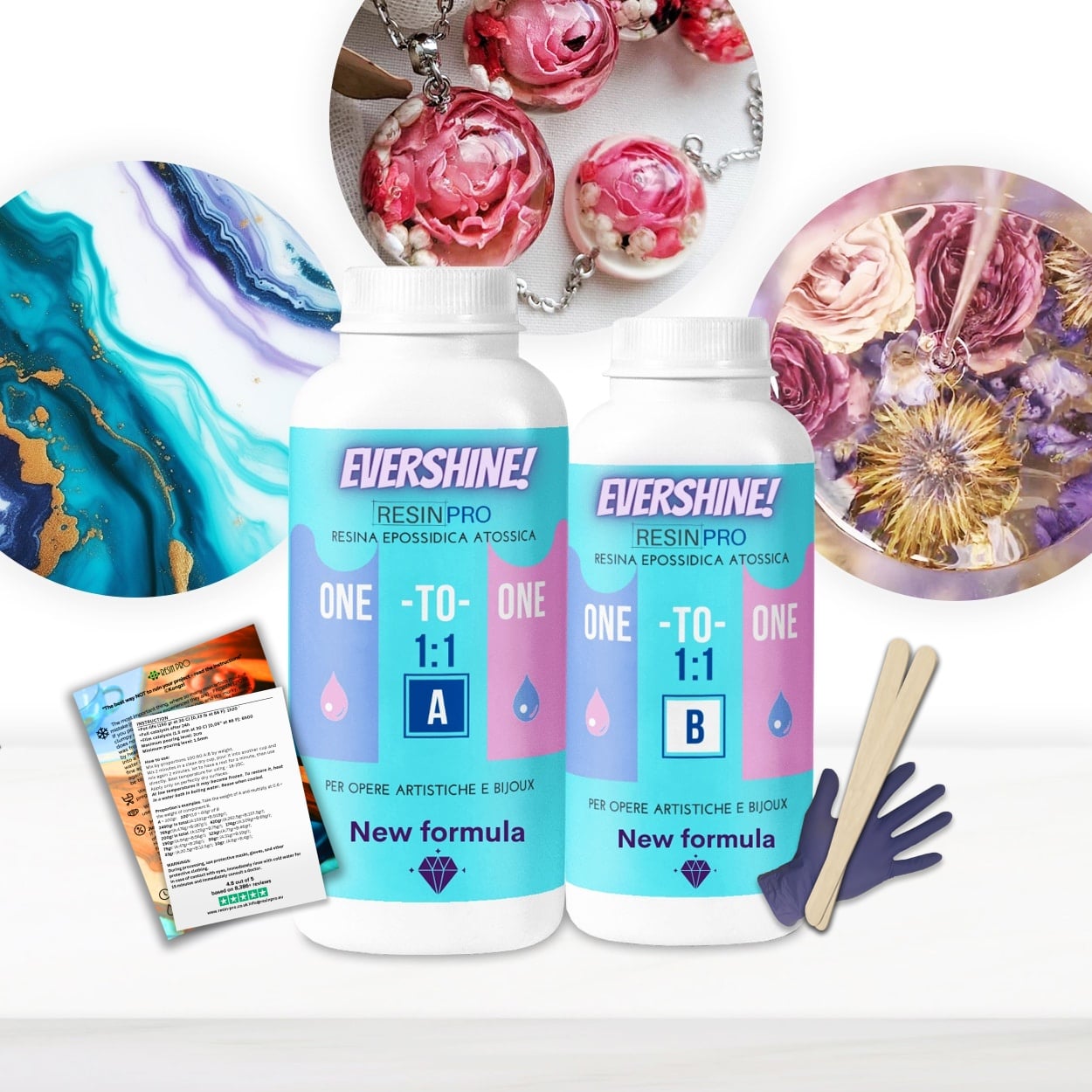 "One-2-One" – Epoxy Resin for Handcraft, 1:1 Mixing RatioPrice range: £14.85 through £56.85"One-2-One" epoxy resin is a medium viscosity product featuring an easy 1:1 mixing ratio, suited for various handcraft projects.
Frequently Asked Questions
Can epoxy adhesives bond metal and glass?
Yes, quality epoxy adhesives are formulated to bond a wide variety of surfaces including metal and glass with strong results.
What is the typical set or cure time for epoxy adhesives?
Most two-component epoxies set in 5 to 20 minutes, but always refer to your product's instructions for precise cure times.
How do I achieve the correct mixing ratio for epoxy adhesives?
Always follow the specific product guidance, as some require 1:1 by volume and others by weight. Precise measuring is crucial.
Can epoxy adhesives be coloured or tinted?
Many epoxies can be tinted with compatible dyes before mixing, making them suitable for creative or cosmetic repairs.
How do I apply epoxy adhesives safely at home?
Wear gloves, work in a ventilated area, and avoid direct skin contact to ensure you use epoxy adhesives safely.
What is the difference between epoxy putty and liquid epoxy adhesives?
Epoxy putties like Magelstick are thixotropic and fill gaps, while liquid epoxies flow and are suited to precision repairs.