 Free shipping on orders over £29,85
  Shipping Tracking!


 Google
 Facebook
How do you make resin floors and walls?
Essential steps for strong, attractive resin surfaces indoors or outdoors
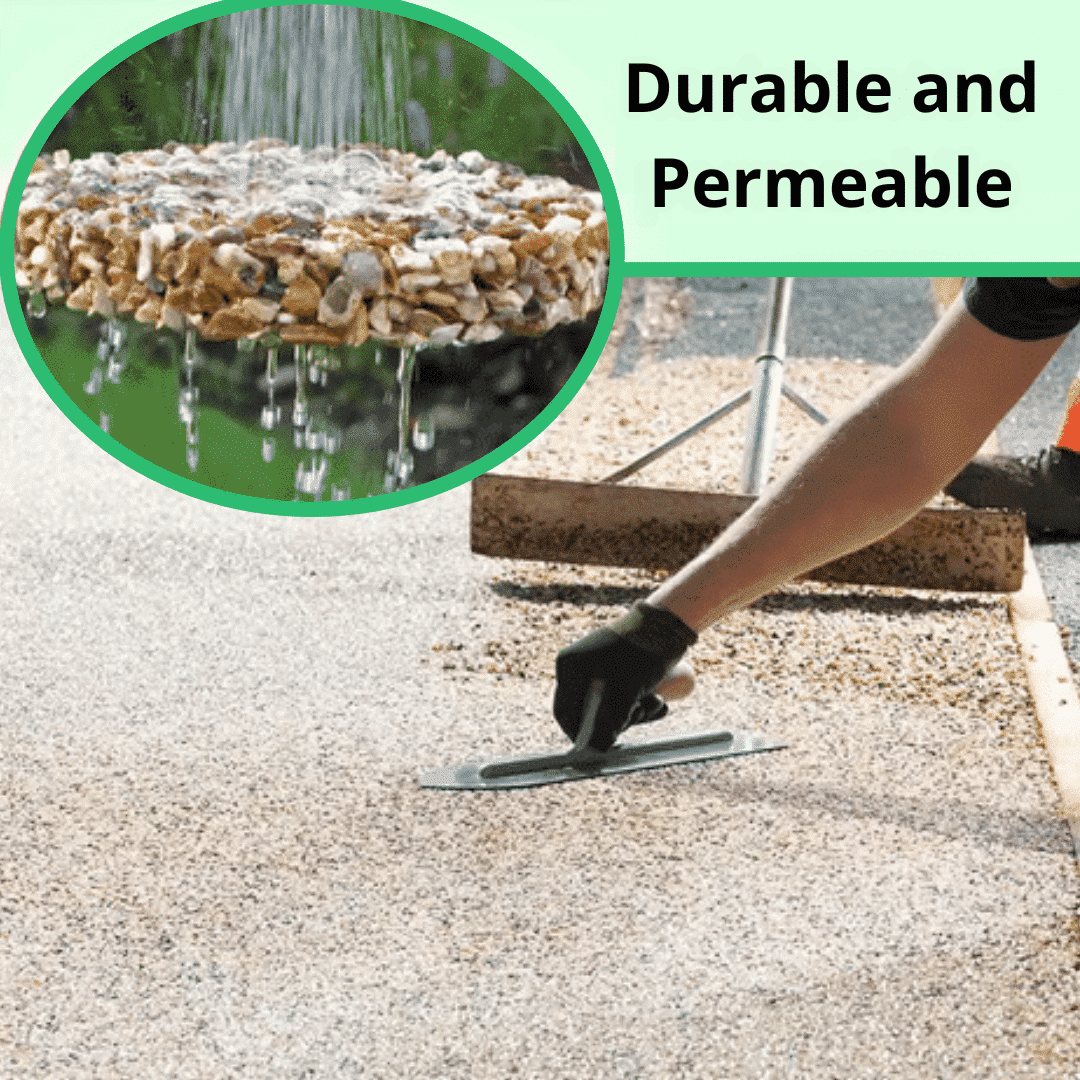
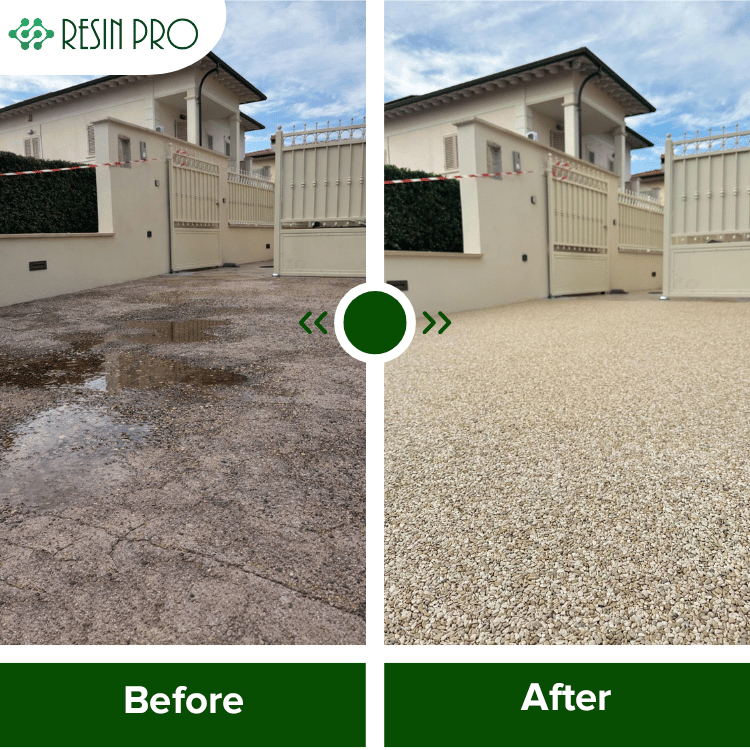
Creating resin floors and walls is an excellent way to achieve seamless, resilient, and visually appealing surfaces in any environment—be it a garage, patio, interior room, or decorative outdoor space. Whether rejuvenating old concrete, installing a permeable pathway, or seeking a durable modern look, this guide explains each critical step and highlights common pitfalls to avoid.
What You’ll Need
- “Epoxyprimer” – Universal Water-Based Two-Component Epoxy Floor Primer: Ensures proper substrate adhesion for epoxy coatings on a range of base materials.
- “Flowstone” – Complete Permeable Floor Kit with Pebbles and Resin: All-in-one system for permeable stone surface layouts, ideal for driveways or patios.
- “Trasparente” – Epoxy Binder for Coloured Pebbles and Grits: Specially formulated for binding coloured pebbles and decorative aggregates for vibrant, stable finishes.
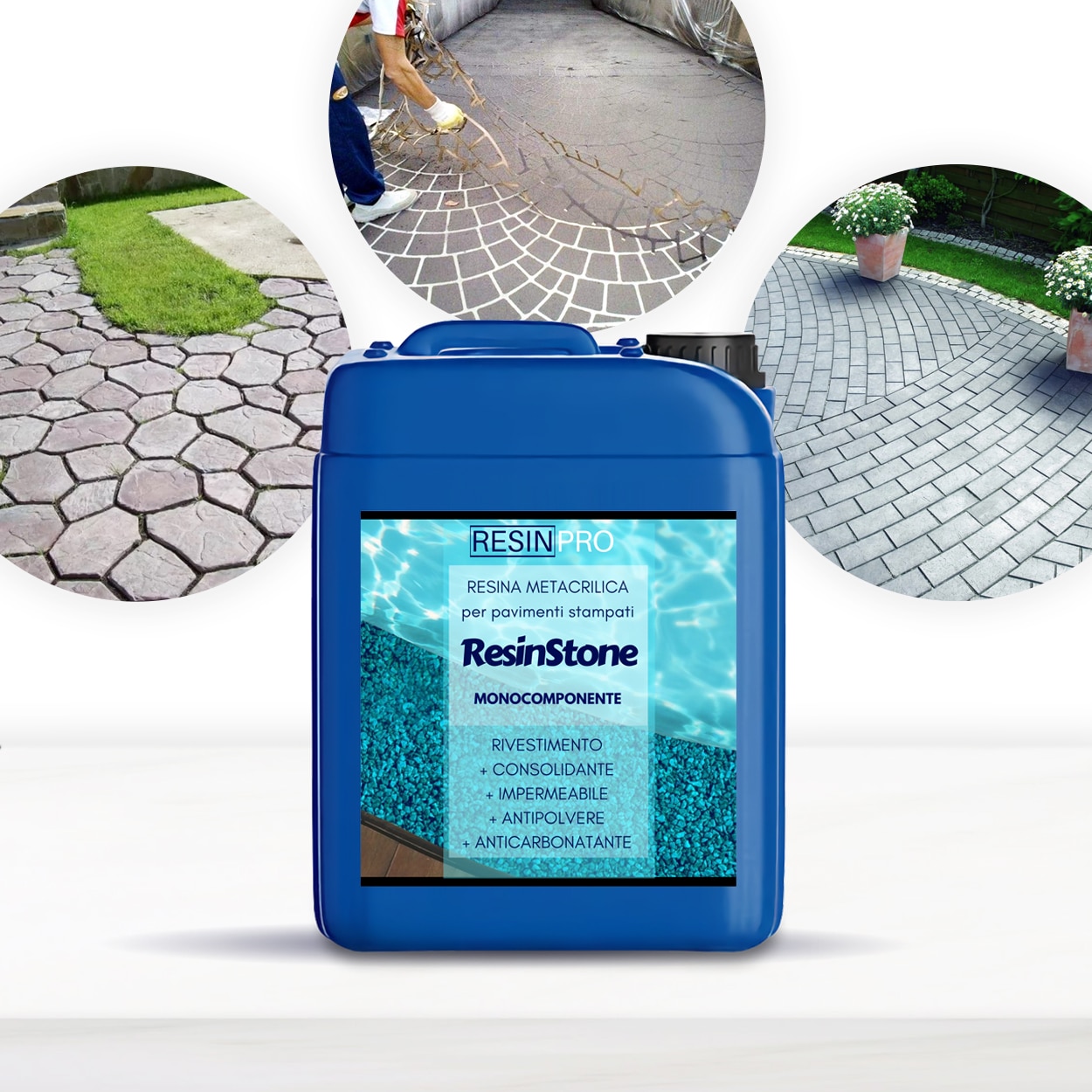
- “Resinstone” – One-Component Methacrylic Resin for Concrete Floors and Driveways: Used for robust protection and sealing of concrete-based floors and surfaces.
- Protective clothing, gloves, and mask
- Rollers, spatulas, or squeegees
- Cement mixer (for large stone-resin mixes)
- Measuring and mixing tools
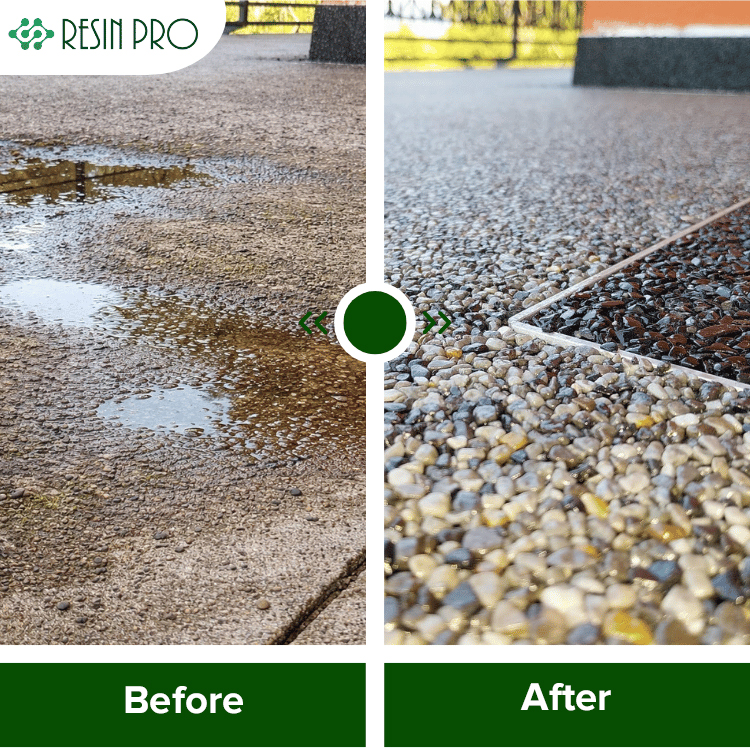
Key Materials and Tools for Resin Floors
Gathering suitable products and equipment before starting your resin project ensures a smoother process and a stronger, longer-lasting finish. Choose between complete kits for outdoor applications or specialised primers and binders for tailored results, adapting to both decorative and protective requirements.
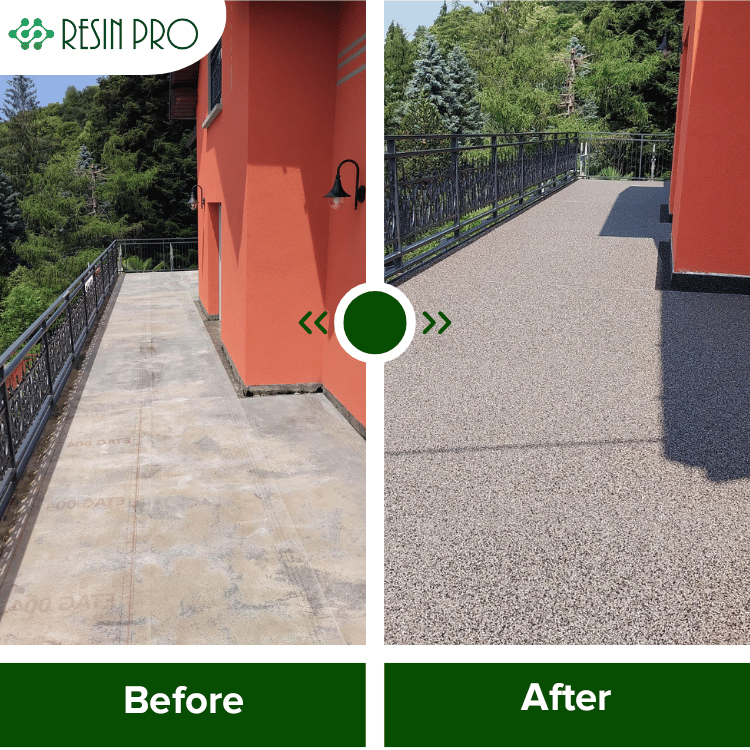
Step 1: Prepare the Surface
Surface preparation is crucial for adhesion and the longevity of your resin system. Begin by thoroughly cleaning the substrate—removing dust, oils, loose particles, and any contaminants. Repair cracks or holes in concrete and make sure surfaces are dry, level, and structurally sound. For both walls and floors, roughen smooth surfaces with a grinder or sanding disc to aid resin penetration and bonding. Working on an unstable or excessively porous surface may compromise your final result.
For indoor projects or any absorbent substrates like concrete, applying a primer improves adhesion and seals the surface against bubbles or discolouration. A dedicated product such as “Epoxyprimer” – Universal Water-Based Two-Component Epoxy Floor Primer ensures an even base and helps your resin system perform reliably over time. Allow the primer to cure as per instructions before proceeding.
Step 2: Mix and Blend the Resin System
Always read the technical instructions for your chosen resin or resin-aggregate system. Accurate weighing and mixing of components is essential. For two-component systems, mix the resin and hardener in the exact ratio recommended, ensuring full incorporation with a slow, mechanical stirrer—helpful for reducing air bubble formation.
If creating a permeable stone surface or decorative finish, combine the resin with cleaned and dried pebbles or grits. A product such as “Flowstone” – Complete Permeable Floor Kit with Pebbles and Resin offers both stones and the appropriate resin, or you can use “Trasparente” – Epoxy Binder for Coloured Pebbles and Grits for projects using your own coloured aggregates. Use a cement mixer for large quantities to distribute resin evenly, ensuring each stone is fully coated.
Step 3: Apply the Resin Mix
Pour or spread the prepared resin mixture onto the primed surface promptly after mixing. For floors, use a trowel, spatula, or notched squeegee to distribute the mix to the desired thickness. If installing resin-bonded pebble systems, compact the stones well using a float, working in manageable sections to keep a wet edge. Walls should be tackled in thin layers to prevent sagging.
With resin-only sealants, such as “Resinstone” – One-Component Methacrylic Resin for Concrete Floors and Driveways, simply pour and spread with a roller or brush for an even, protective coat. Attention to detail at the edges and joins limits weak spots and future damage.

Step 4: Finishing and Curing
Allow the freshly applied resin surface to cure undisturbed, following the manufacturer’s recommended times for light foot traffic and full curing (often 12–48 hours depending on the product and conditions). Avoid exposure to moisture or drafts during curing to reduce the risk of defects or cloudiness.
After curing, inspect carefully. Remove any tape, mask off adjacent areas for recoating if needed, and clean edges with a sharp blade for a neat finish. For high-wear areas or outdoor locations, an optional topcoat may be desirable for UV stability or extra protection, if your chosen system recommends it.
Tips, Common Mistakes, and Troubleshooting
- Surface preparation is crucial for adhesion – Do not skip cleaning and priming.
- Work in a dust-free environment to avoid imperfections – Seal off the area as much as possible during application and curing.
- Plan mixing and pouring in advance – As many resins have limited working times, only mix what you can apply before curing begins.
- Always allow for appropriate curing times – Early traffic or moisture exposure can ruin a resin finish.
- Test a small area if unsure about absorption or compatibility – Especially important for unfamiliar or patch-repaired substrates.
Expert Insights for Lasting Resin Surfaces
Professional installers and DIY enthusiasts agree: success lies in careful preparation, precise mixing, timely application, and thorough curing. For best results, always follow the manufacturer’s technical guidelines at every step.
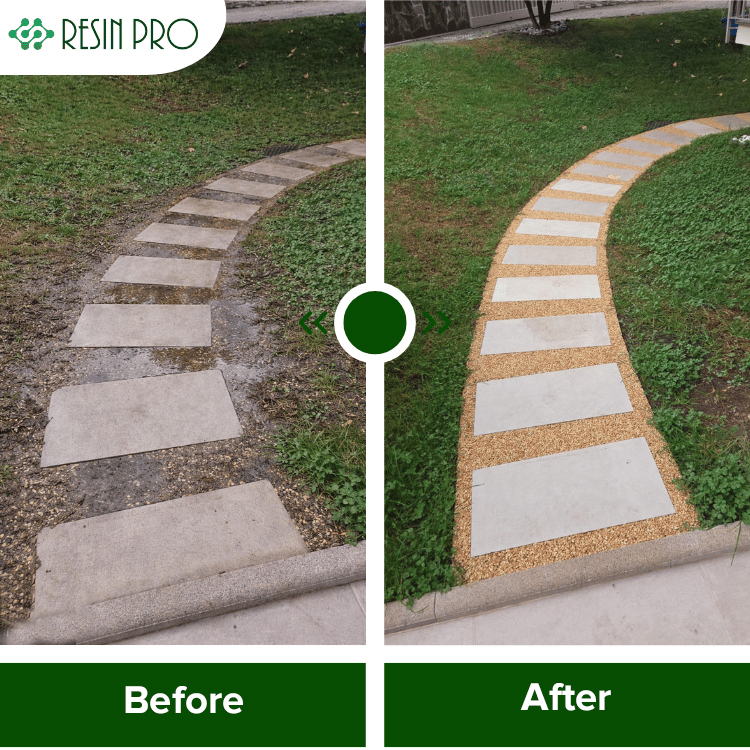
- "Flowstone" – Complete Permeable Floor Kit with Pebbles and ResinPrice range: £49.95 through £3,915.45The Flowstone kit provides a draining pebble and resin floor system designed for outdoor UK spaces with clear resin guidance for colour longevity.
- "Resinstone" – One-Component Methacrylic Resin for Concrete Floors and DrivewaysPrice range: £36.71 through £336.48RESINSTONE is a one-component methacrylic resin designed for sealing and protecting concrete floors and driveways with durable, breathable protection.
 "Trasparente" – Epoxy Binder for Coloured Pebbles and GritsPrice range: £33.45 through £397.95"Trasparente" is a transparent epoxy binder suited for coloured pebbles, designed for clear, stable finishes on floors and paths.
 "Epoxyprimer" – Universal Water-Based Two-Component Epoxy Floor PrimerPrice range: £156.45 through £286.45Epoxyprimer provides water-based adhesion preparation for various surfaces in resin floor and wall projects.
Frequently Asked Questions
Can you use resin for outdoor driveways?
Yes, using a resin system with appropriate aggregates or binders is ideal for outdoor driveways, offering durability and water drainage when installed correctly.
How long do resin floors take to cure?
Curing times vary by product and conditions. Many resin floors set for light use in 12–24 hours, but full hardness may require up to 48 hours.
Do I need a primer for resin floors?
A primer is strongly recommended for optimal adhesion, especially on absorbent, porous, or repaired substrates before applying any resin system.
Can resin be used on walls?
Yes, resin can provide seamless, decorative, and easy-to-clean finishes on vertical surfaces when applied in appropriate thin layers.
Are resin floors waterproof?
Resin systems are generally water-resistant and can be waterproof, especially when correctly sealed and cured according to manufacturer recommendations.
Is resin difficult to apply for beginners?
Basic resin floors or kits are suitable for DIYers, provided instructions are carefully followed. Larger or complex installs may require more experience.
What surfaces can resin be applied to?
Resin may be used on concrete, screed, tile, wood, and more, as long as the substrate is dry, stable, and well prepared.