 Free shipping on orders over £29,85
  Shipping Tracking!


 Google
 Facebook
How do you make stairs with resin?
Transform staircases with long-lasting, slip-resistant resin solutions.
Creating resin stairs is a modern approach that delivers both style and robust performance—indoors or outdoors. Whether you’re updating existing steps or building from scratch, resin systems offer versatility, waterproofing, and a seamless finish. This guide walks you through each key stage, including planning, substrate preparation, product application, and curing, ensuring your stairs are both attractive and long-lasting.
What You’ll Need
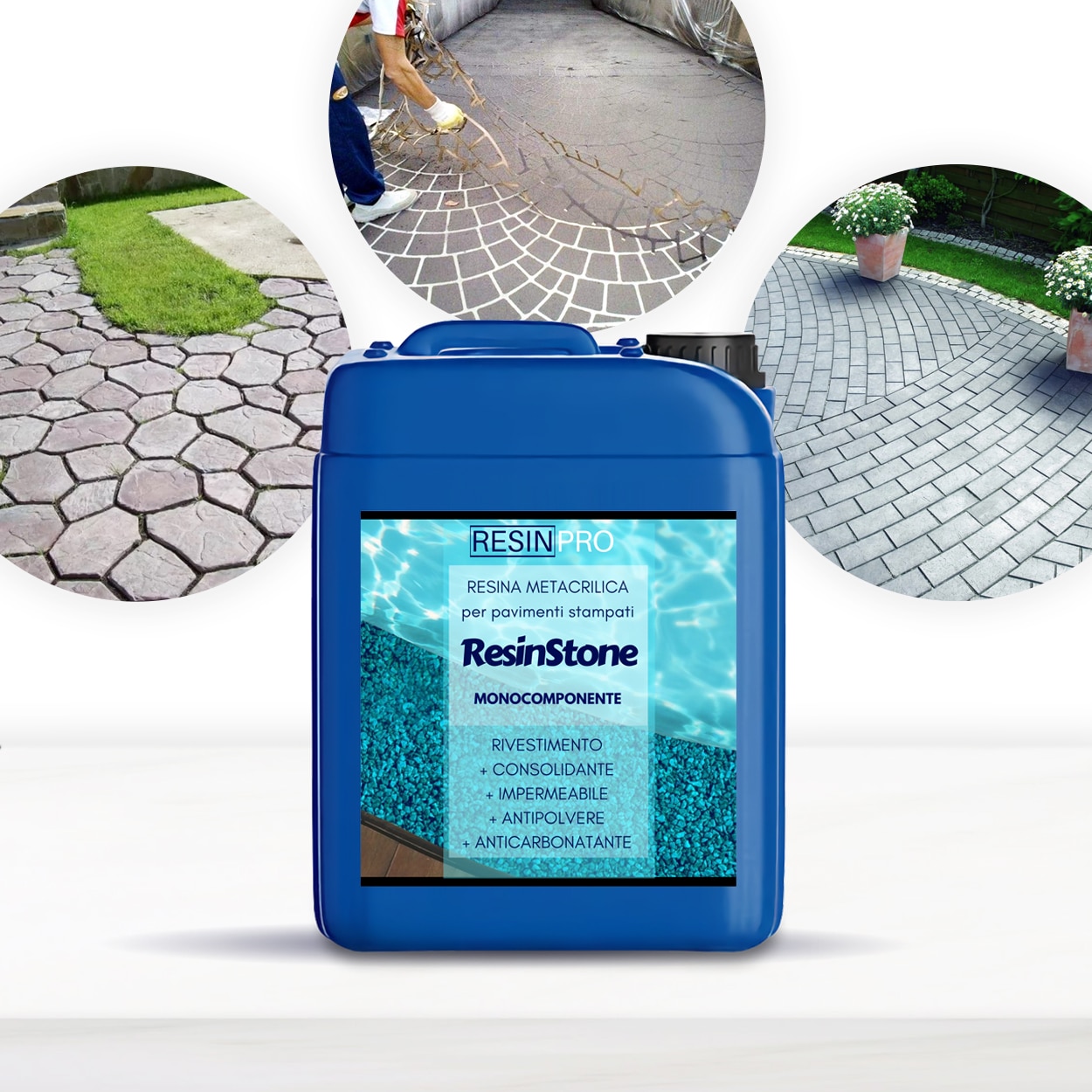
- “Resinstone” – One-Component Methacrylic Resin for Concrete Floors and Driveways: A one-component methacrylic resin for sealing and protecting concrete floors and driveways with waterproof and durable properties.
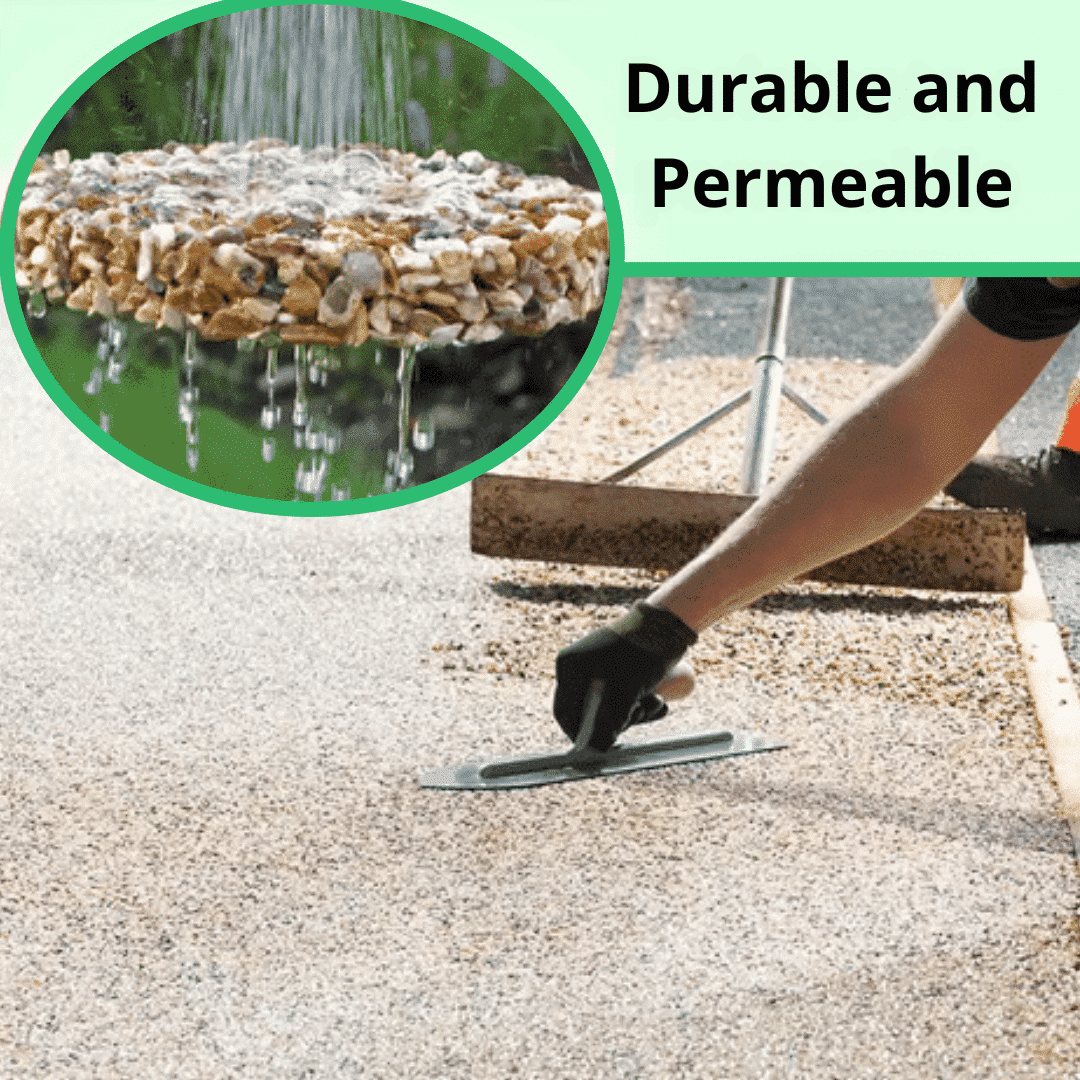
- “Flowstone” – Complete Permeable Floor Kit with Pebbles and Resin: A complete solution for creating durable, draining pebble and resin flooring for outdoor areas in the UK climate.
- “Trasparente” – Epoxy Binder for Coloured Pebbles and Grits: A clear epoxy binder for coloured pebble and grit floors, designed for paths, driveways, and permeable surfaces.
- “Trasparente” – Multipurpose Clear Epoxy Resin for Casting – Up to 2cm: Certified non-toxic epoxy resin for clear casting up to 2 cm, designed for woodworking, crafts, and restoration projects.
- Quality aggregates or pebbles (if desired)
- Appropriate moulds or shuttering for your stairs
- Mixing buckets and paddles
- Smoothing trowel and gloves
- Masking tape and protective coverings
- Safety gear (eye protection, mask, gloves)

Essential Tools and Preparation Materials
Ensure you have all necessary resins, aggregates, tools, and safety equipment ready before starting your stair project. Proper preparation is essential for lasting, professional results, so organise and check each material ahead of time.
Step 1: Plan Your Stair Design and Prep the Base
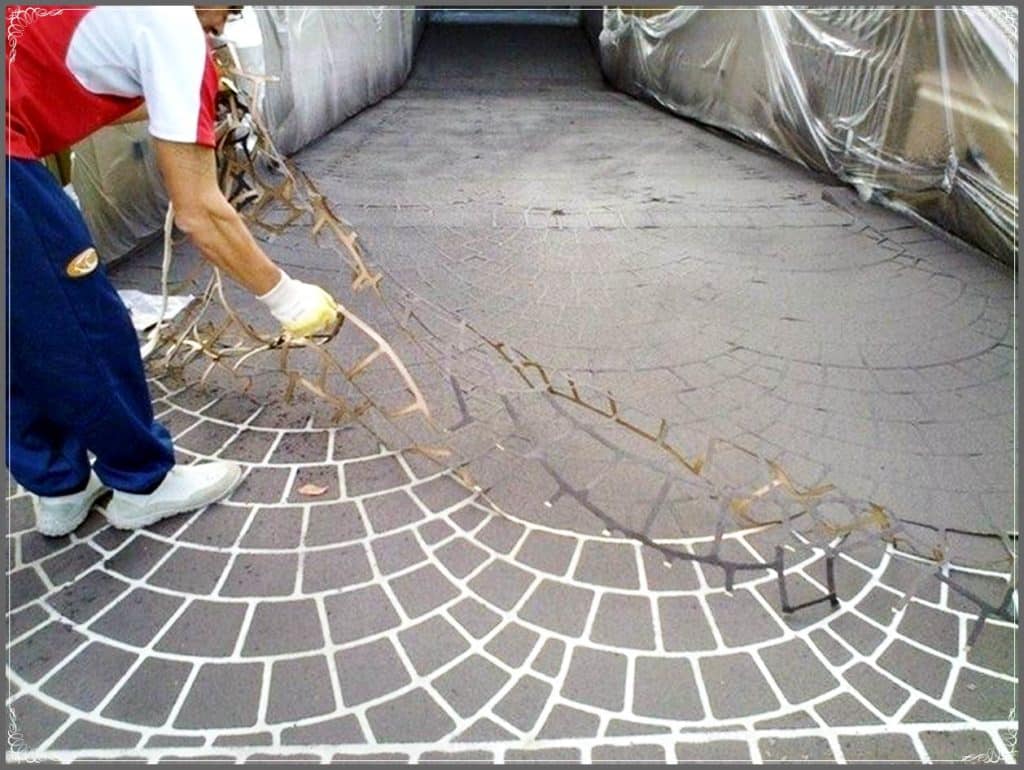
Measure your staircase and decide on the layout, width, and the style of finish you want—solid resin, resin with embedded pebbles, or a clear protective layer. Good planning is critical as it dictates your choice of resin system and application method. Start by examining the substrate. The surface must be clean, stable, and free from dust, oil, or loose particles. Sweep and wash concrete steps well, allowing them to dry fully. For timber, check that all planks are secure; for old tiled stairs, ensure all tiles are bonded. Any cracks should be repaired with appropriate filler, and damaged treads replaced.
Protect adjacent surfaces with masking tape and drop cloths to keep resin off walls and floors. If you’re pouring resin to form brand new steps, construct formwork using sturdy moulds or timber shuttering, ensuring correct dimensions and a level finish.
Step 2: Mix and Apply the Resin or Resin-Pebble Blend
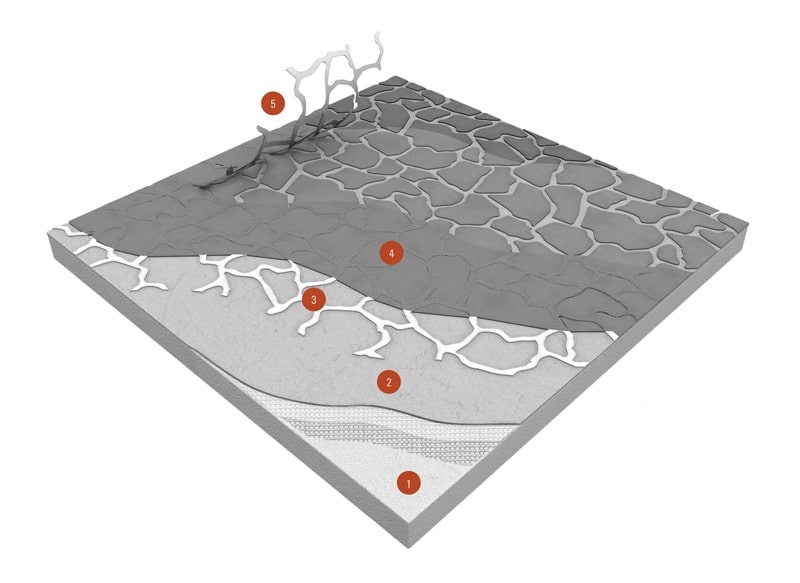
Choose your preferred resin finish: seamless clear, solid colour, or embedded aggregate for slip resistance. For a protective topcoat on concrete stairs, “Resinstone” – One-Component Methacrylic Resin for Concrete Floors and Driveways is a practical choice. Its one-component formula means no pre-mixing two parts, so simply pour into a bucket and apply with a roller or trowel, ensuring even coverage.
If installing decorative resin stairs with pebbles, use a system that combines resin with washed, dry aggregate. Mix the chosen resin—such as “Trasparente” – Epoxy Binder for Coloured Pebbles and Grits—thoroughly with aggregates according to product recommendations (typically around 3% resin by weight of stones). Work in small batches and spread the resin-pebble blend across each riser and tread, pressing firmly and levelling with a flat trowel.
Work promptly but cautiously, as resin systems begin to cure within a set window. Maintain ventilation during application. Take care at edge transitions, and use a finishing trowel to taper the edge for a safe step profile.
Step 3: Finish, Seal, and Cure for Durability
After applying the resin or resin-stone mix, inspect the surface for any irregularities. Use a clean trowel or roller to smooth out marks for a uniform finish. If you desire a gloss, self-levelling topcoat, apply a thin layer of “Trasparente” – Multipurpose Clear Epoxy Resin for Casting – Up to 2cm for extra depth and visual effect.
Allow the stairs to cure undisturbed for the period recommended by the resin manufacturer—typically 10–24 hours for light use, but longer if treads will experience heavy loads. Protect the area from dust, rain, or curious pets throughout the cure time. Remove all formwork and tape only once fully set.
Inspect and test for slip resistance once cured. For outdoor stairs, a permeable finish made with a kit such as “Flowstone” – Complete Permeable Floor Kit with Pebbles and Resin can provide excellent drainage and weather resistance where water runoff is needed.
Tips, Common Mistakes, and Troubleshooting
Always work at recommended temperatures and avoid high humidity, as these affect curing and adherence. Never pour resin too thick—observe set layer thickness limits (usually up to 2 cm per pour) to prevent bubbles and overheating. If you notice white patches or poor adherence, moisture may be trapped in the base; ensure substrates are bone dry before starting.
Avoid mixing too much resin at once, as it can set rapidly in bulk. Clean tools promptly with appropriate solvents before resin begins to cure. Test colours and coverage in an inconspicuous area first; for decorative designs, carefully plan aggregate patterns to reflect your intended look. When in doubt, consult product guidance or reach out to the supplier for specific advice on complex projects.
Resin Stair Finishing: Visual Inspiration
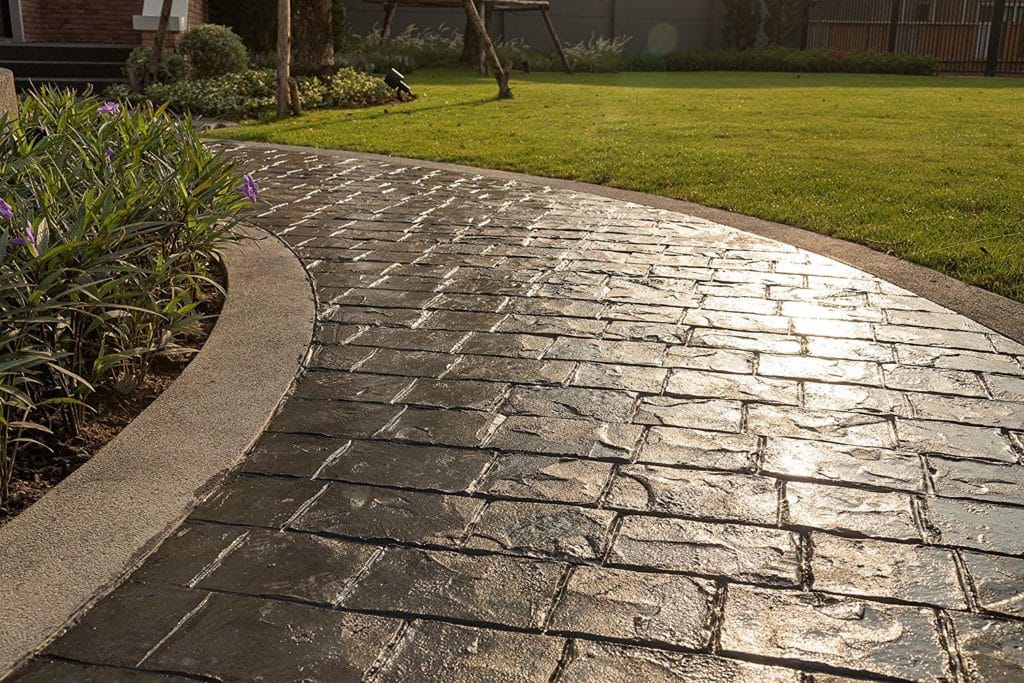
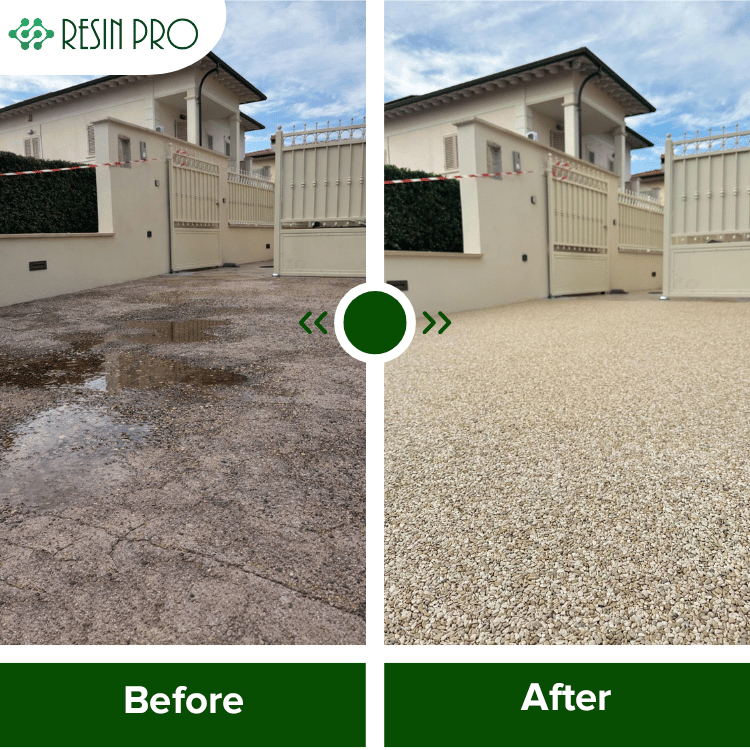
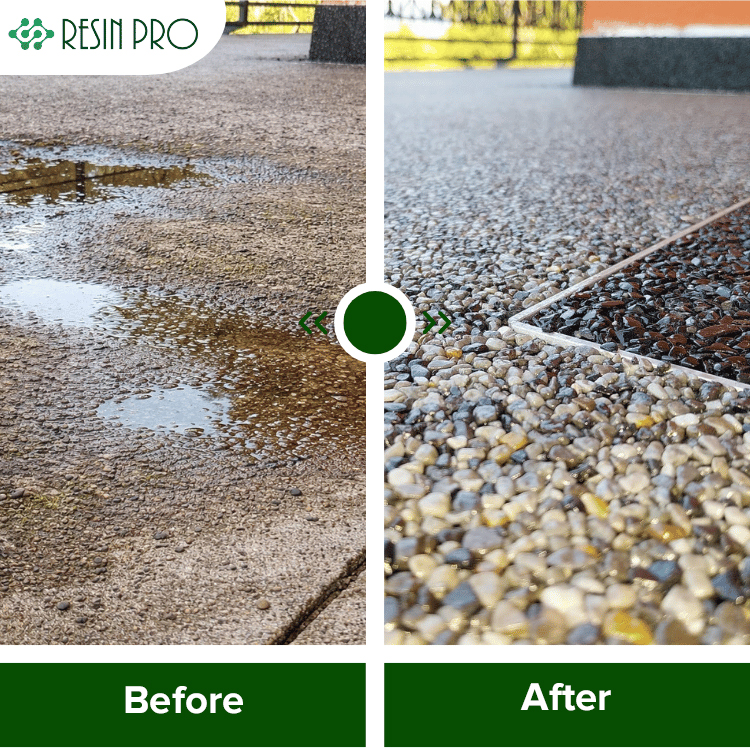
Explore a range of resin stair finishes, including seamless looks and creative aggregate mixes. These systems allow for both decorative and highly functional designs, making it easy to achieve stunning results tailored to your space.
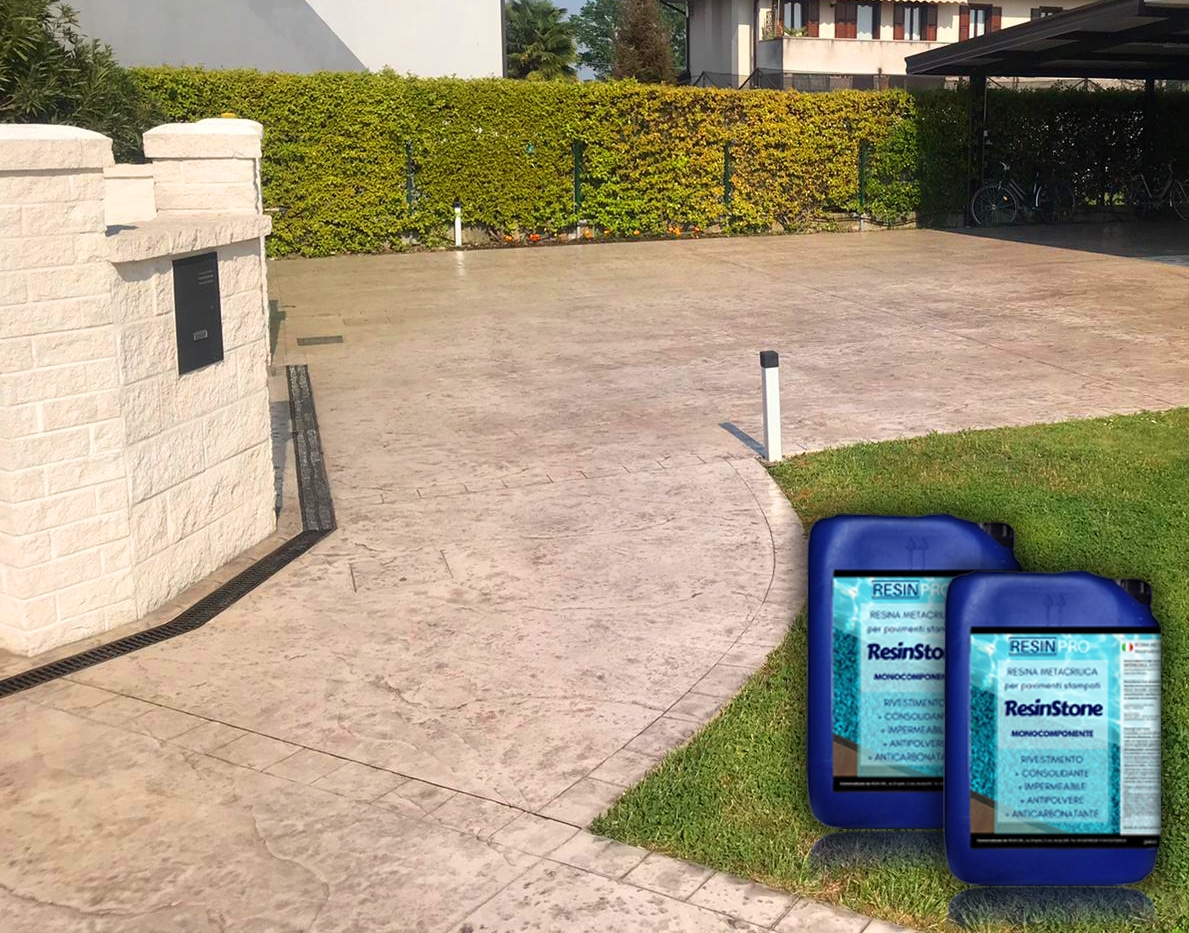
- "Resinstone" – One-Component Methacrylic Resin for Concrete Floors and DrivewaysPrice range: £36.71 through £336.48"Resinstone" is a one-component methacrylic resin designed to seal and protect concrete floors and driveways with durable, waterproof coverage.
- "Flowstone" – Complete Permeable Floor Kit with Pebbles and ResinPrice range: £49.95 through £3,915.45"Flowstone" is a permeable pebble and resin floor kit for outdoor surfaces, designed for easy application and customised finishes under the theme How…
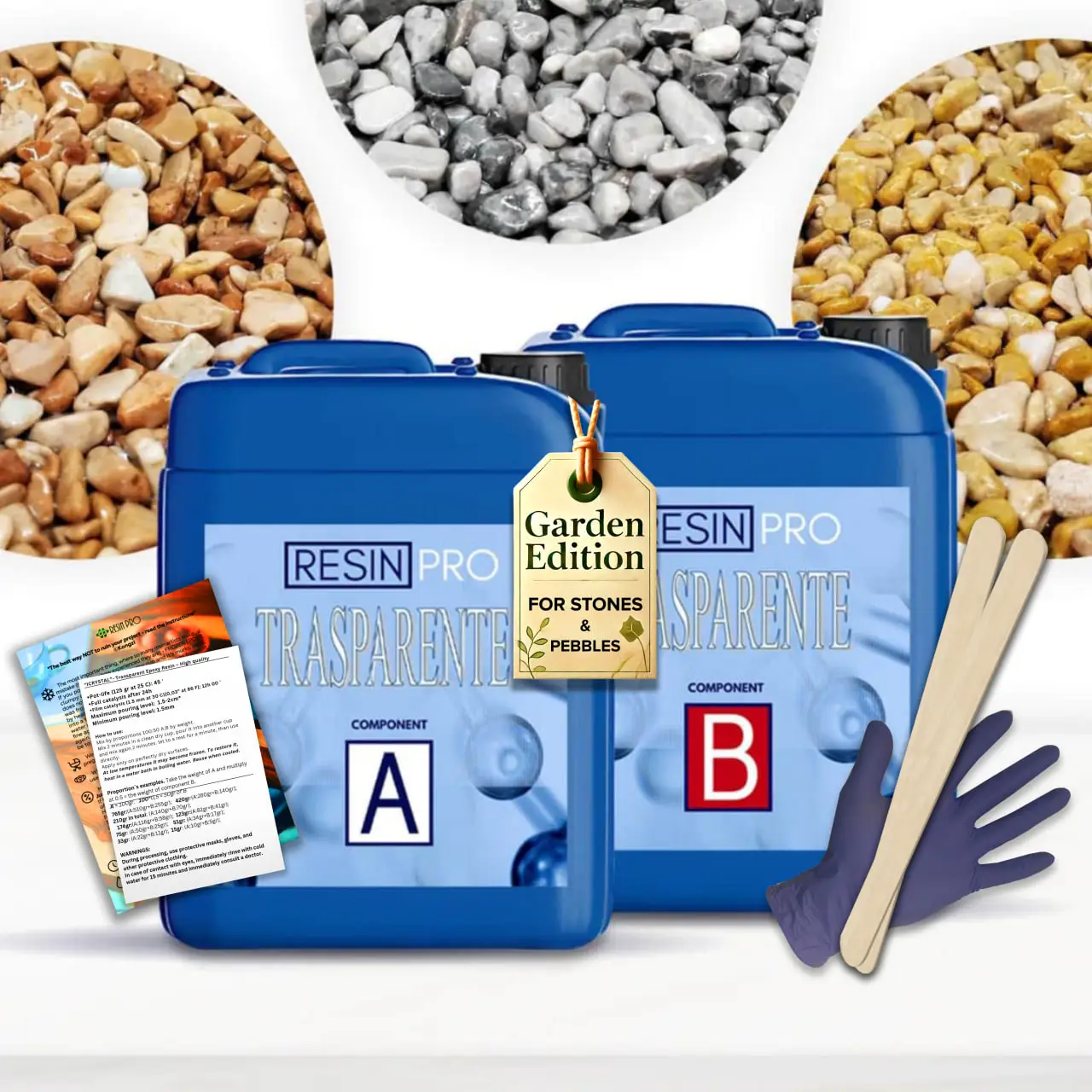 "Trasparente" – Epoxy Binder for Coloured Pebbles and GritsPrice range: £33.45 through £397.95"Trasparente" is a transparent epoxy binder designed for coloured pebbles and grits, offering a clear, UV-stable finish suited to decorative flooring.
 "Trasparente" – Multipurpose Clear Epoxy Resin for Casting – Up to 2cmPrice range: £8.95 through £397.95The "Trasparente" clear epoxy resin offers an ultra-clear, glossy, self-levelling finish suitable for detailed castings and woodworking up to 2 cm…
Frequently Asked Questions
Can I use resin to build outdoor stairs?
Yes, resin systems are suitable for outdoor stairs, offering weatherproof and waterproof finishes when applied to a proper substrate.
Are resin stairs slippery?
Resin can be slippery if left smooth. Adding aggregates, texture, or anti-slip additives will improve traction and safety.
What thickness of resin is safe to pour on stairs?
Most resins can be applied up to 2 cm thick per layer. Pouring thicker may cause overheating or uneven curing.
What type of base is best for resin stairs?
Stable, dry concrete or well-fixed wood are the most suitable bases. Surfaces must be clean, dry, and structurally sound.
How long does resin on stairs need to cure?
Most resin stair surfaces will be walkable after 10–24 hours, but heavier loads require longer curing—check the product instructions.
Can resin stairs be coloured or decorative?
Yes, you can tint resin or embed coloured pebbles for custom finishes, patterns, or branding elements.