 Free shipping on orders over £29,85
  Shipping Tracking!


 Google
 Facebook
← Back to How do you make stairs with resin?

Choosing the right base for your resin stairs is an essential first step, directly affecting durability, appearance, and overall performance. Let’s look at what makes a suitable substrate and how to set yourself up for a lasting result.
Ideal Substrates for Resin Stair Projects
The most recommended substrates for resin-covered stairs are stable, dry concrete or well-fixed wood. Concrete offers a reliably strong and absorbent surface, while sturdy timber structures can also work if they’re securely anchored and free from movement. Whichever you choose, ensure it’s structurally sound before applying any resin.
Preparation Makes the Difference
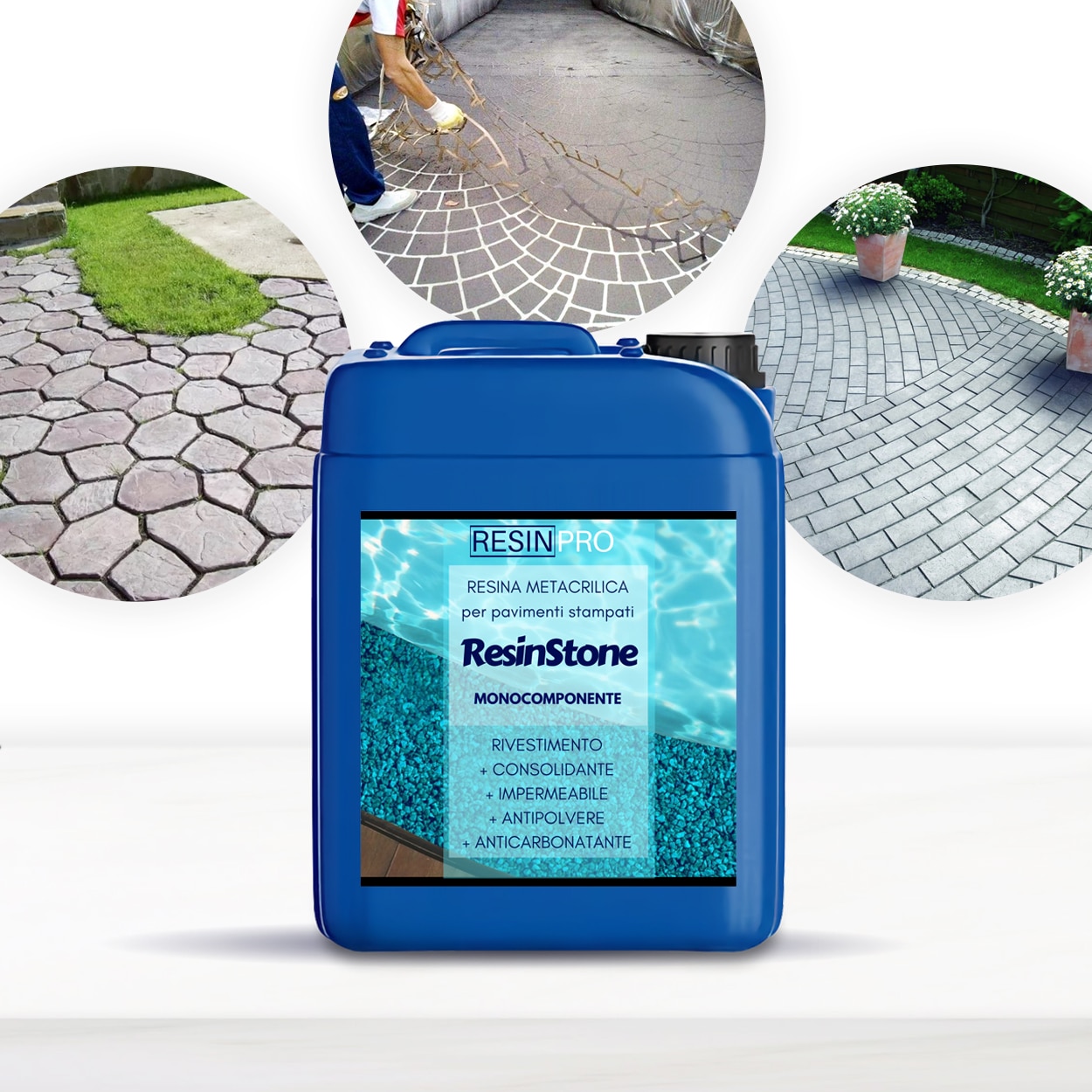
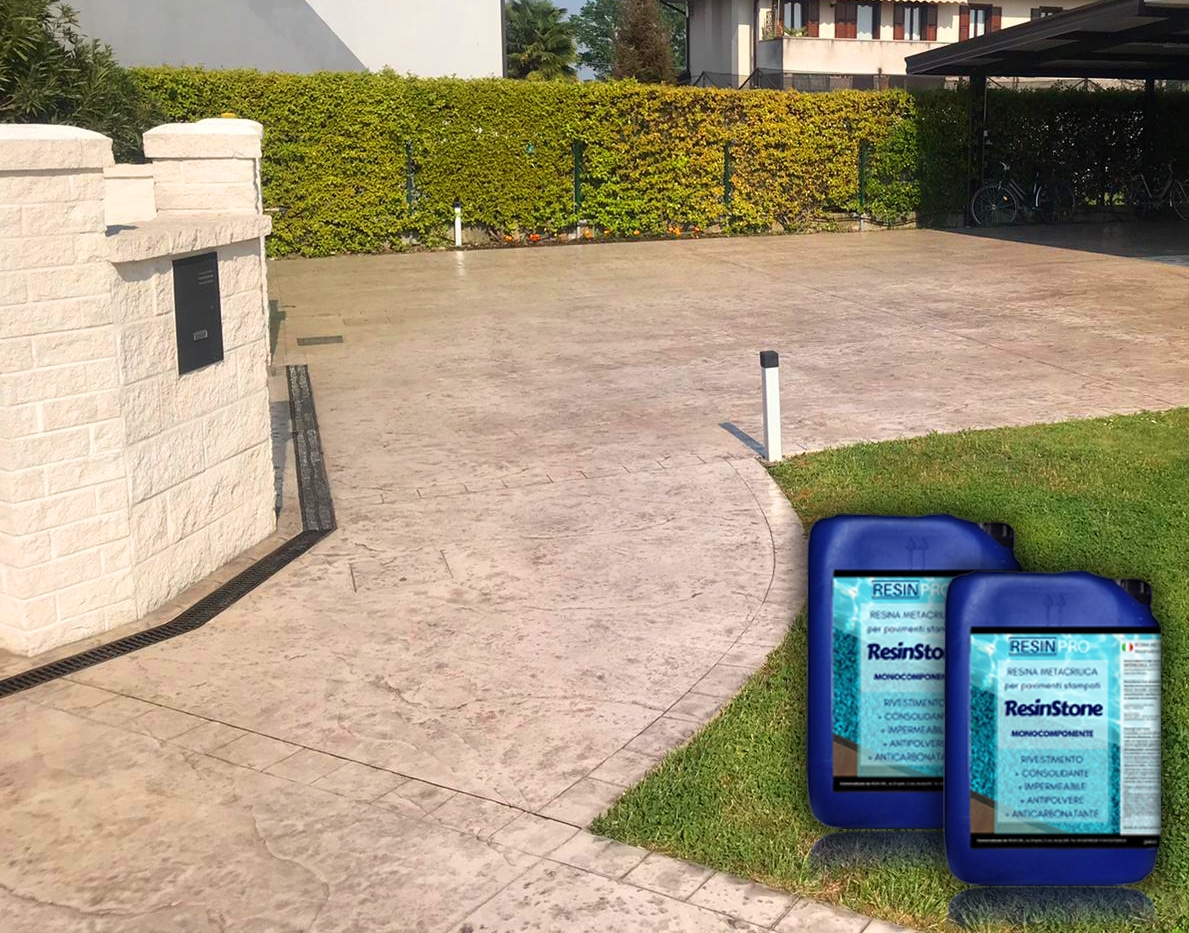
Cleanliness and dryness are paramount. Remove any dust, oil, old coatings, or debris so the resin can bond properly. Damp or crumbling surfaces can lead to adhesion problems or uneven finishes, so wait until everything is completely dry. If working with concrete, consider a protective sealer like “Resinstone” – One-Component Methacrylic Resin for Concrete Floors and Driveways for better durability and waterproofing.
When This Really Matters
Choosing the right substrate is vital anywhere the stairs will see heavy use, face weather exposure, or require a flawless finish. A poor base risks cracks, lifting, or unsightly bubbles forming under the resin layer, all of which can cut the lifespan of your stairs short.
Related products
Related guides
No matter your vision for resin stairs, the right substrate is the key to professional, long-lasting results. For a full overview of resin stair building, visit our guide on how to make stairs with resin.