 Free shipping on orders over £29,85
  Shipping Tracking!


 Google
 Facebook
How do you paint a resin lure?
Step-by-step guide for durable, eye-catching lure finishes
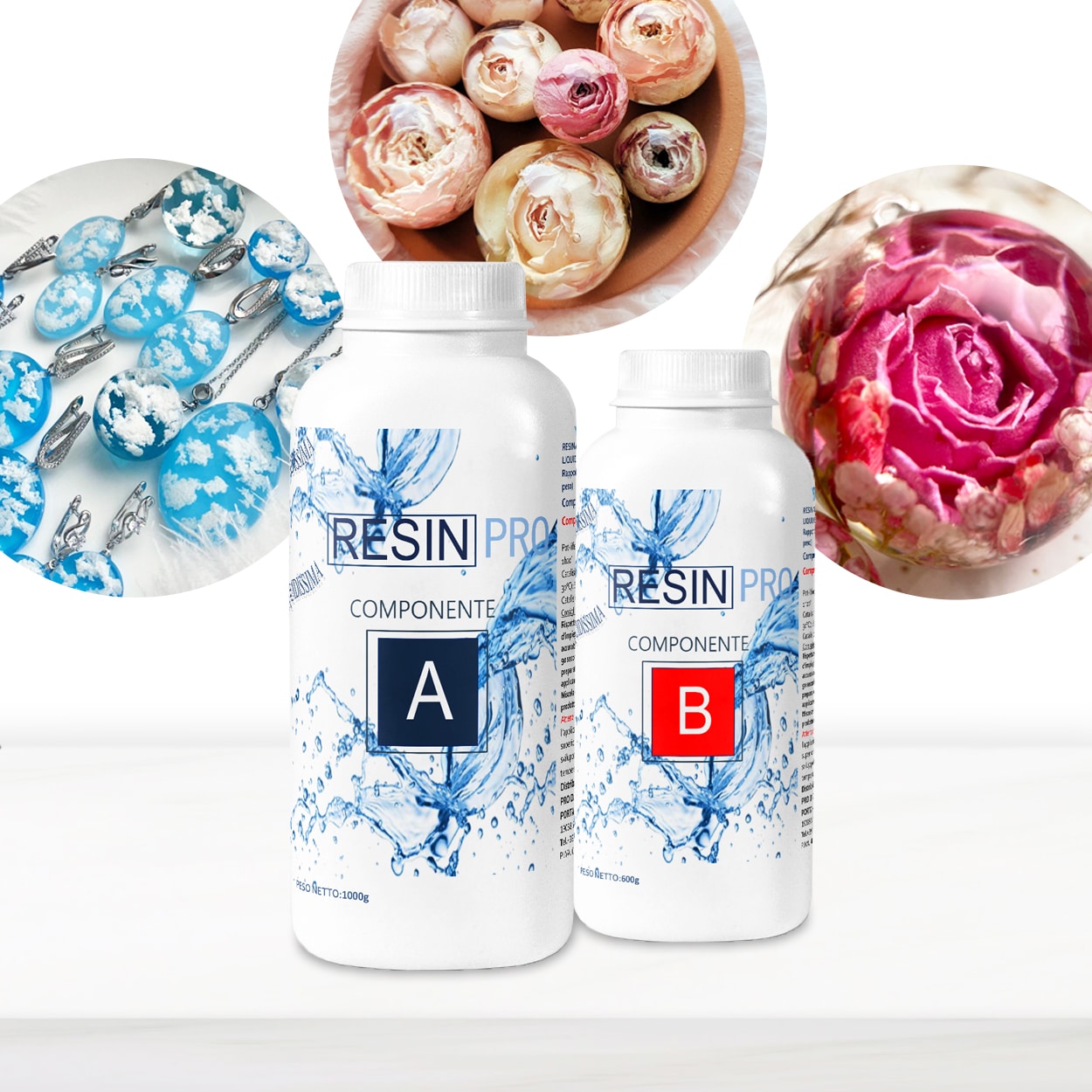
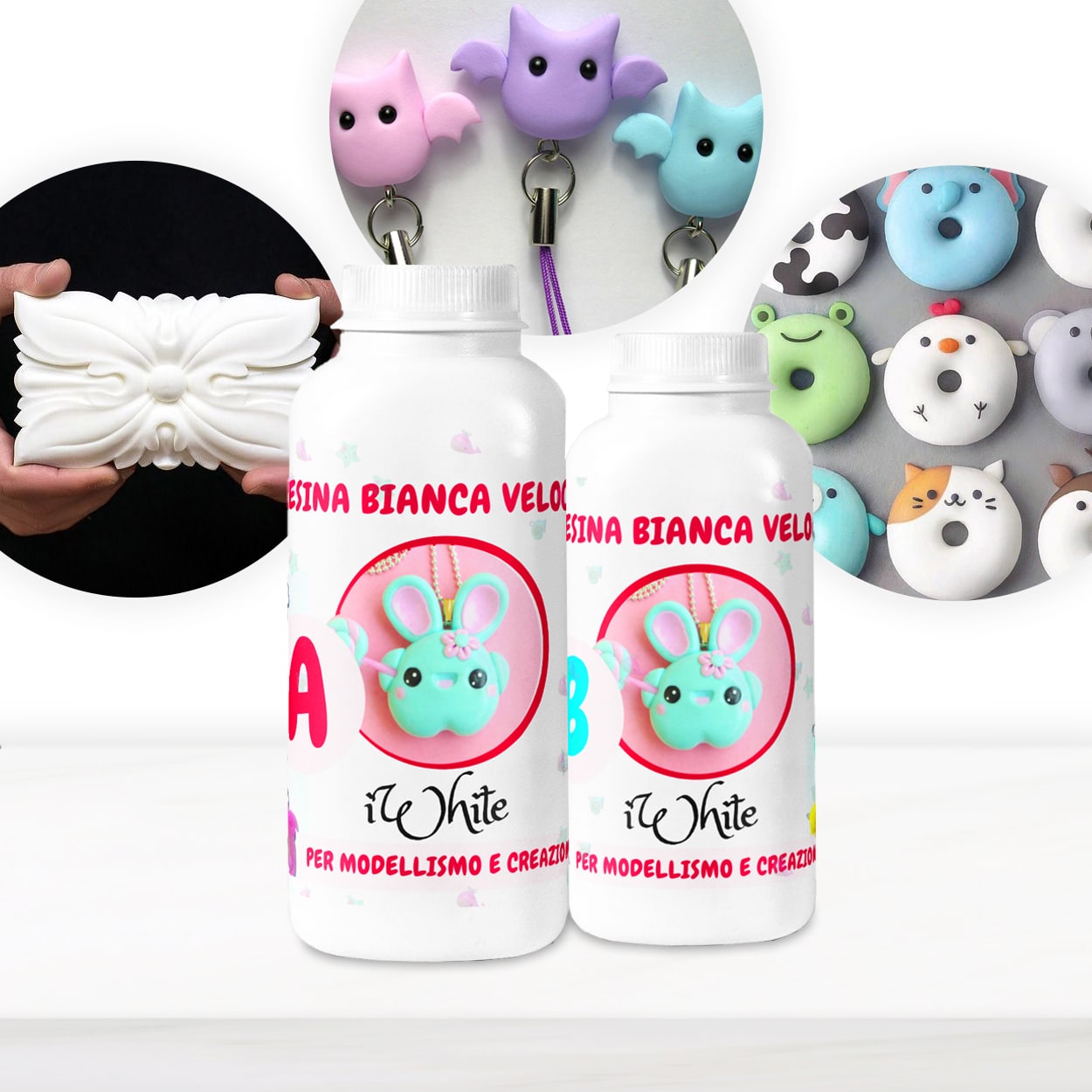
Painting a resin lure allows anglers and craft enthusiasts to create truly custom designs tailored to both aesthetics and water conditions. A flawless paint job not only boosts your lure’s attraction but also protects against wear, water ingress, and sunlight, ensuring lasting performance. Follow this comprehensive guide to achieve a professional, durable finish on any resin-based lure shape.
What You’ll Need
- “Liquidissima” – Epoxy Resin For Creations & Jewellery – Ideal for crystal-clear casting of lures, suitable for intricate shapes.
- “IWhite” – Polyurethane Casting Resin – White, Fast-Curing Two-Part System – Great for fast, detailed lure casting and provides a paintable white base.
- “3D Finish” – Fast Coating Epoxy Resin for 3D Prints – Used for a smooth, polishable surface on printed lure bodies.
- 12-Piece Artists Paint Brush Set for Epoxy Resin Art & DIY Projects – Essential for detailed paint application.
- Fine-grit sandpaper (400–600 grit)
- Acrylic paints or airbrush paints
- Primer and clear topcoat if desired
- Personal protective equipment (gloves, mask)
Preparing Your Workstation for Resin Lure Painting
Choose a clean, dust-free, and well-ventilated area to paint your lure. Good lighting is essential for spotting imperfections and ensuring even paint distribution. Prepare all brushes, paints, and resin components in advance for a smooth workflow.
Step 1: Prepare and Prime the Lure Body
Before any painting, ensure the lure surface is fully cured, clean, and free of dust or oil. Use fine-grit sandpaper to lightly scuff the surface. This helps paint adhere better and smooths out any casting imperfections, especially around seams or fine details. Carefully rinse and dry the lure to remove sanding residue.
Always wear gloves and a mask when sanding or handling uncured resin.
If your lure was cast using “Liquidissima” – Epoxy Resin For Creations & Jewellery or “IWhite” – Polyurethane Casting Resin – White, Fast-Curing Two-Part System, the resulting finish will be smooth and easy to prime. Apply a thin coat of suitable plastic primer for best paint adhesion, and let it dry thoroughly.

Step 2: Apply Your Base Colours
Choose your primary paint – acrylic and lure-specific airbrush paints work particularly well. Using a fine detail brush, such as those from the 12-Piece Artists Paint Brush Set for Epoxy Resin Art & DIY Projects, apply the base colour in smooth, even strokes. Work in thin layers for better coverage and to avoid clogging intricate lure features.
Use thin coats of paint to prevent drips and uneven texture. Allow the first base layer to dry for the time recommended by your paint manufacturer before adding another.
Step 3: Layer Details and Finishing Effects
After the base colour is completely dry, begin adding stripes, scales, gill plates, and colour gradients. Detailing can be done with ultra-fine brushes or a steady hand with stencils and masking tape. Stippling, dry-brushing, or airbrushing can create more realistic scale effects and pattern variations.
Allow each paint layer to fully dry before adding additional colours or details. Rushing this step can lead to blurred edges or unwanted mixing.
If you used “3D Finish” – Fast Coating Epoxy Resin for 3D Prints on a 3D-printed lure, you’ll have a glossy, smooth canvas for crisp paint lines and lifelike effects.
Step 4: Seal with a Clear Protective Topcoat
To guarantee a durable, water-resistant finish, carefully apply a transparent topcoat. Most acrylic-based lure paints benefit from a protective layer of clear epoxy or polyurethane varnish. A product like “Liquidissima” – Epoxy Resin For Creations & Jewellery can provide this durable seal, ensuring your painted design resists chips and fading.
Seal your design with a clear epoxy or polyurethane topcoat for protection. Hang lures vertically to cure, avoiding dust during drying for a flawless finish.
Tips and Common Mistakes
- Test colours on a spare piece before painting your final lure.
- Don’t rush drying between layers; patience yields longer-lasting, crisper results.
- Use masking tape or stencils for sharp patterns and effects.
- Keep paintbrushes clean and dry between colour changes to avoid muddying your design.
- Work in a dust-free, well-ventilated space.
Troubleshooting Paint Defects on Resin Lures
Paint not sticking? Check that the lure is fully cleaned and sanded, and use a suitable primer. Bubbling or cloudy topcoat? Apply resin or varnish in thin, even layers and allow full curing between coats.
- "Liquidissima" – Epoxy Resin For Creations & JewelleryPrice range: £12.85 through £31.85"Liquidissima" epoxy resin is designed for creators needing clear, low-viscosity resin with a longer working time and smooth finish.
- “IWhite” – Polyurethane Casting Resin – White, Fast-Curing Two-Part SystemPrice range: £24.00 through £36.95IWHITE is a fast-curing, white polyurethane resin suitable for precise casting and paintable for detailed model making.
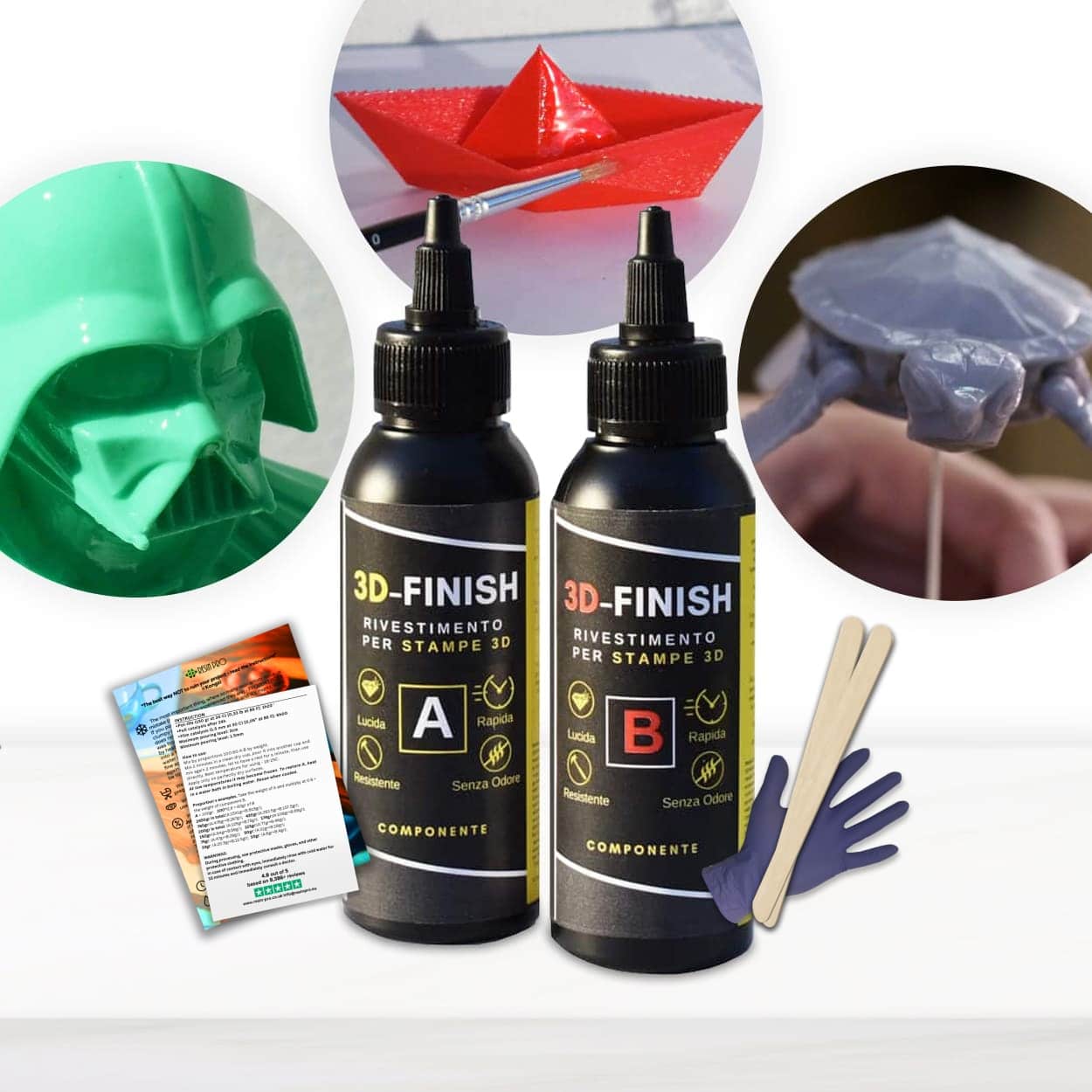 "3D Finish" – Fast Coating Epoxy Resin for 3D PrintsPrice range: £13.95 through £19.95"3D Finish" provides a seamless, detail-preserving epoxy coating suitable for enhancing and protecting 3D prints.
 12-Piece Artists Paint Brush Set for Epoxy Resin Art & DIY Projects£6.95Brush set with durable synthetic bristles and versatile shapes, designed for epoxy resin art projects.
Frequently Asked Questions
What paint should I use for a resin lure?
Acrylic and lure-specific airbrush paints both adhere well to properly prepared resin surfaces.
How do I make paint stick to resin lures?
Lightly sanding and priming the surface creates a key for the paint, increasing longevity and resistance to peeling.
Do I need to seal my painted lure?
Yes, sealing with a clear epoxy or polyurethane topcoat protects paint from water, UV rays, and physical damage.
Can I use a brush for small details?
Yes, fine synthetic brushes are ideal for fine details, stripes, and scale effects on resin lures.
How long should I wait between paint layers?
Follow the manufacturer’s recommended drying time—usually 10–30 minutes per layer—to avoid colour run or smudging.
How do I prevent bubbles in my topcoat?
Apply the clear coat in a warm, dust-free environment and use thin, careful layers to minimise bubbles.