 Free shipping on orders over £29,85
  Shipping Tracking!


 Google
 Facebook
How do you pour resin to glue necklace ends?
Securely join necklace ends for a neat, professional jewellery finish

Gluing necklace ends with resin ensures your jewellery creations are both secure and visually refined. This guide walks you through the essential steps for achieving a strong, invisible bond using resin—perfect for crafters and jewellery makers aiming for a tidy, long-lasting result.
What You’ll Need
- “Klebfix” – Two-Component Fast Epoxy Glue 2K, 25g Syringe: A fast-setting, transparent epoxy for strong bonds, ideal for metal or glass necklace findings.
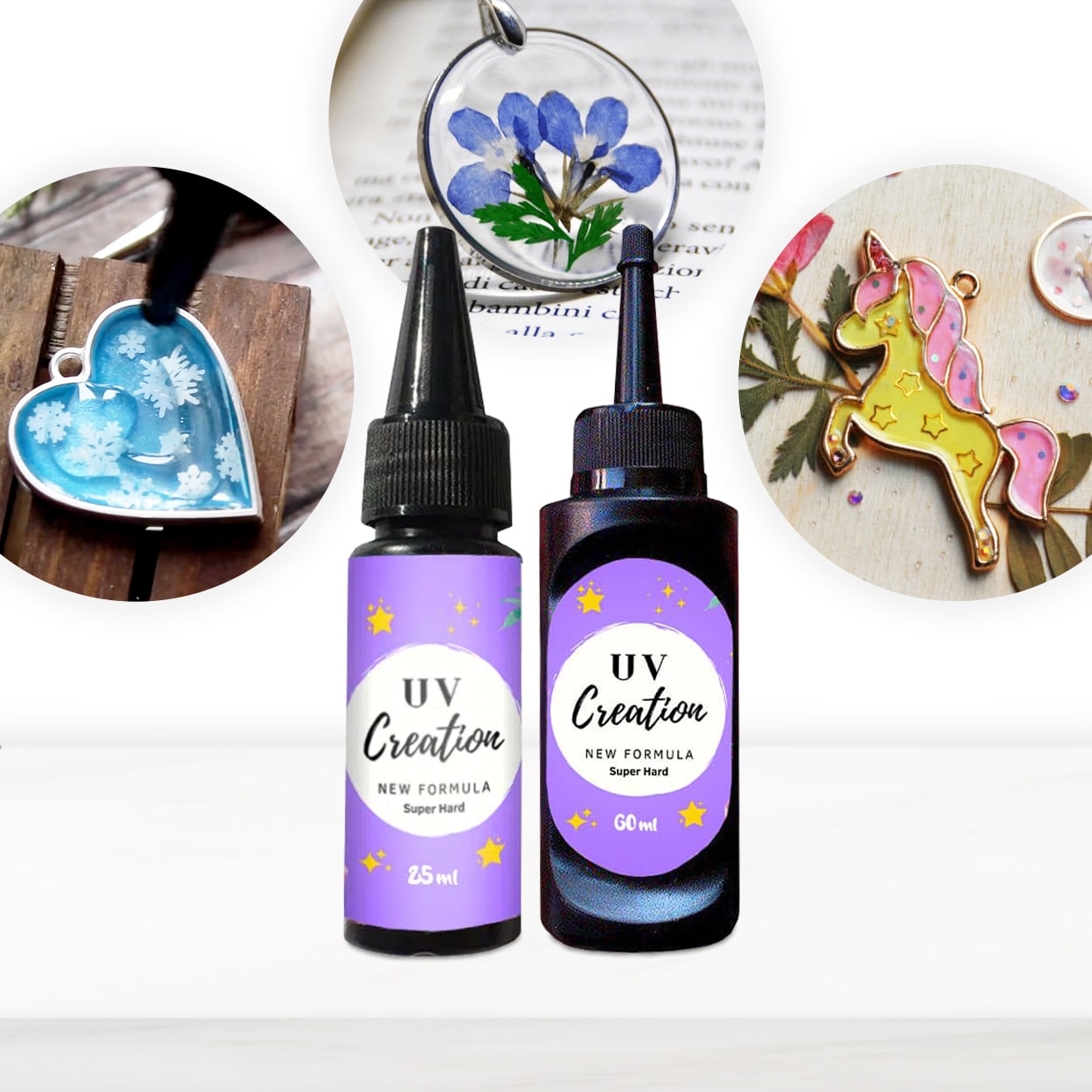
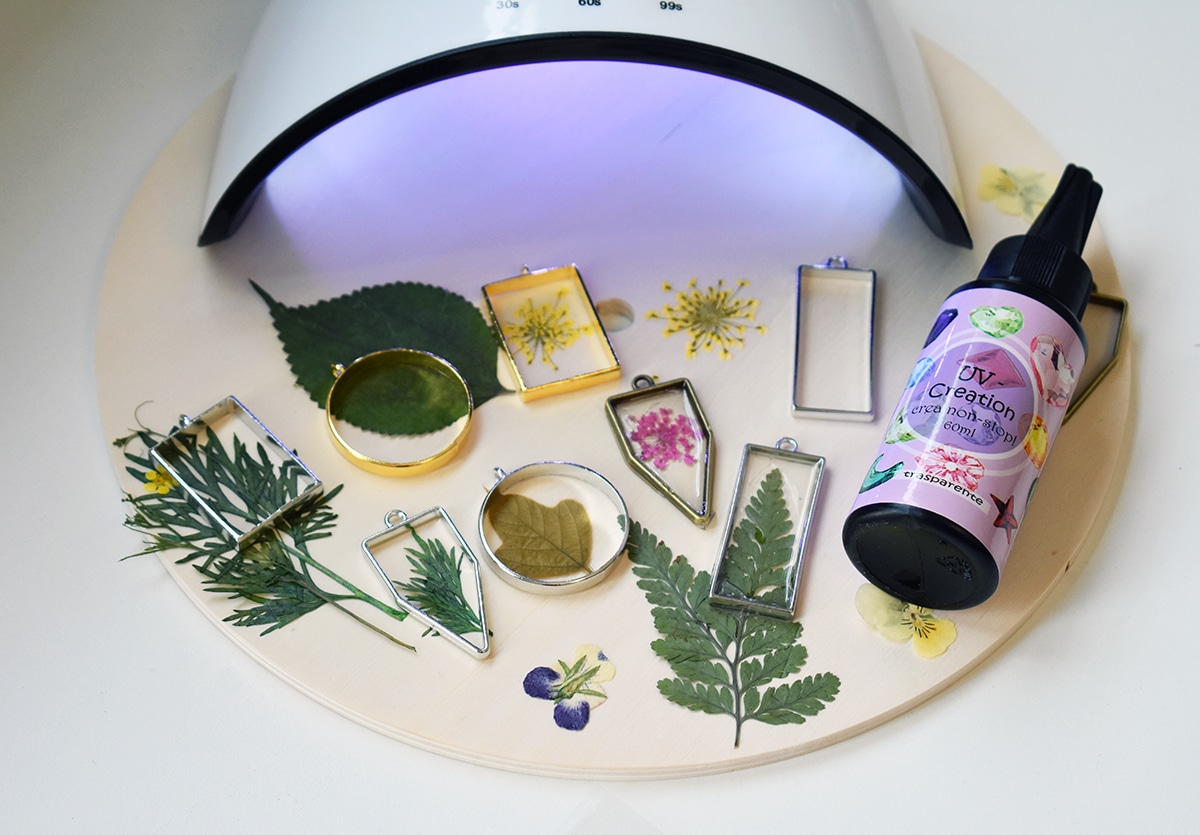
- “UV–Creation” – Fast Acrylic Resin, 3 Minute UV Cure: Useful for rapid, clear bonds with a UV lamp—great for simple assembly.
- “Fairy Wings” – UV Resin for Volumetric Reliefs, Dual Colour, 30ml: Suitable for fine detail bonding or decorative finishes, cured with UV light.
- “Evershine Collection” – Artisan Jewellery Epoxy Resin Kit with 100+ Accessories: Offers clear 1:1 mix resin alongside useful tools for a range of jewellery tasks.
- Small mixing tools or toothpicks
- Disposable gloves and protective surface (e.g. silicone mat)
- UV lamp or torch (if using UV resin)
- Paper towels and alcohol wipes (for cleaning)

Visual Guide: Essential Tools and Resins for Necklace Ends
See the main resins, glues, and accessories that simplify precise necklace gluing. Understanding the look and purpose of each material ensures you’re prepared to achieve a seamless finish on your jewellery projects.
Step 1: Work in a Clean and Organised Workspace
A dust-free, tidy workspace minimises the risk of contaminants spoiling your bond or finish. Lay out a silicone mat or non-stick surface to protect your table, and gather all your tools in advance. Wear disposable gloves to protect your skin from resin exposure, and ensure good lighting for precision work. Keep paper towels and alcohol wipes close by for swift clean-up of any spills.
Step 2: Select the Right Resin Type
Consider your necklace material (metal, glass, plastic) and the level of strength or speed required. For most jewellery ends, use a clear, fast-curing resin to achieve an invisible finish and a strong bond. UV resin is ideal if you need rapid setting, as it cures in a few minutes under a UV lamp. For more robust or load-bearing joins, a two-component epoxy provides extra durability. Always check the instructions for your chosen product regarding surfaces, mixing and application method.
Step 3: Prepare the Necklace Ends Properly
Before gluing, ensure both ends are clean, dry, and free from oils or residues. Wipe the attachment points with alcohol wipes for the best adhesion. If using a two-part epoxy such as “Klebfix”, mix the components thoroughly just before application. For UV resins like “UV–Creation” or “Fairy Wings”, they are ready to use directly from the bottle.
If needed, use a mini drill or accessories from the “Evershine Collection” to create a small hole or roughen slick surfaces for better resin bonding.
Step 4: Apply Resin Precisely and Clean Up Excess
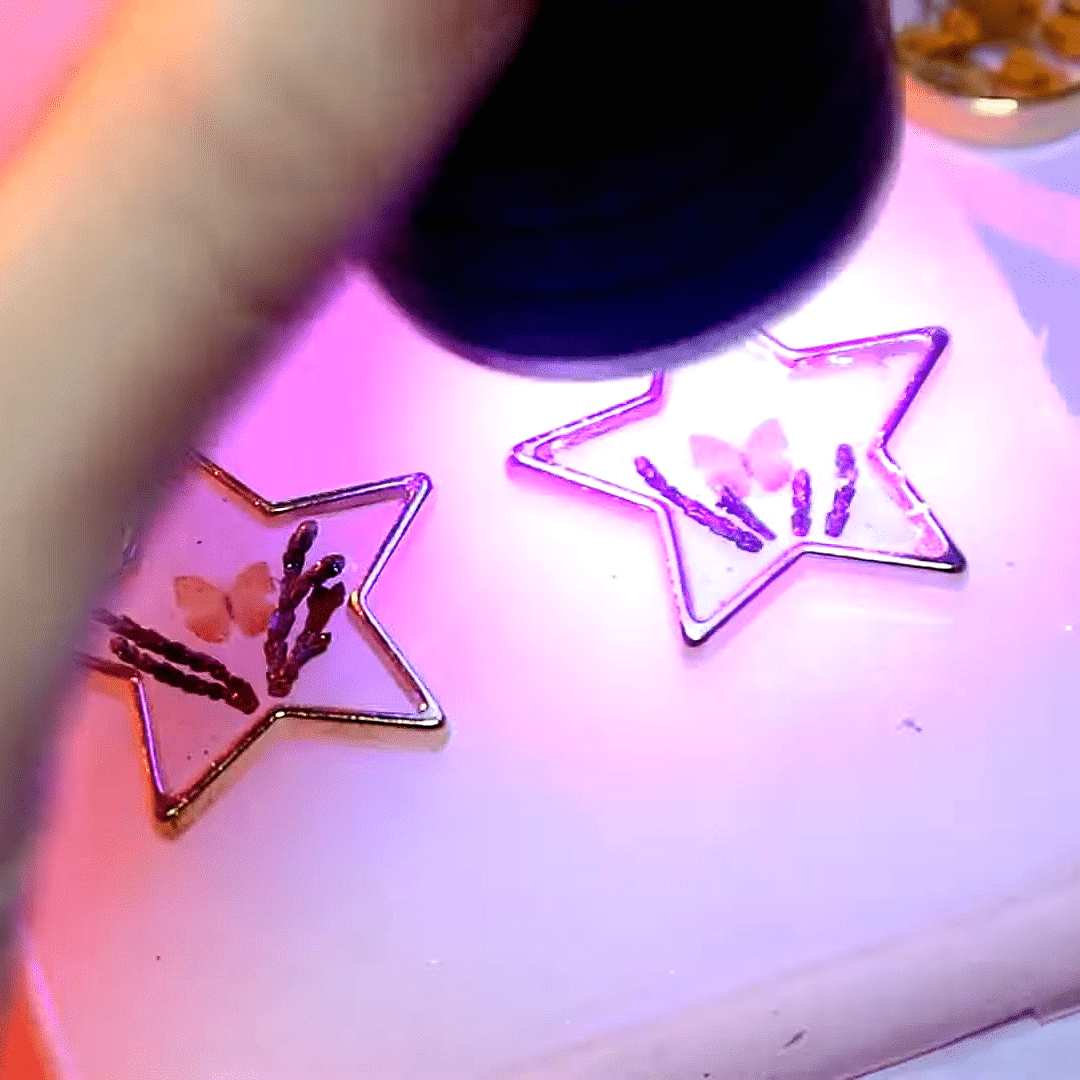
Use a toothpick or fine applicator to place a tiny dot of mixed or UV resin onto the necklace end or inside the clasp. Insert the end into the clasp, ensuring a snug fit. Wipe away any squeezed-out residue quickly using a paper towel or alcohol wipe. For UV resin, hold the join steady and cure under the lamp or torch for the manufacturer’s recommended time (usually 2–5 minutes). For two-part epoxy, hold the position until the bond sets, then leave undisturbed for full curing.
Step 5: Allow Sufficient Curing Time
Once joined, let your necklace ends fully cure without disturbance. UV-cured resins need only a few minutes under the lamp, but two-component epoxies like “Klebfix” achieve handling strength in 5 minutes and full strength in a few hours. Avoid pulling or testing the bond until the product has fully cured to ensure durability and a clean finish.
Tips, Common Mistakes, and Troubleshooting
Protect your work area by covering surfaces and wearing gloves. Check the fit before gluing—dry-fit components first. Do not overfill; using too much resin causes spillages. Clean up spills immediately to prevent unwanted adhesion. If a bond fails, inspect for unclean surfaces, incorrect resin ratios, or inadequate curing. Repeat cleaning and re-bond for the best result.
Gallery: Example Joins and Common Mistakes
From flawless necklace ends to common pitfalls, this gallery demonstrates what a neat bond looks like and highlights avoidable mistakes, such as overfilled clasps, dust entrapment, or incomplete curing.
- "Klebfix" – Two-Component Fast Epoxy Glue 2K, 25g Syringe£22.85"Klebfix" Two-Component Fast Epoxy Glue is suitable for precise bonding tasks including jewellery ends using its clear, fast-setting formulation.
- "UV–Creation" – Fast Acrylic Resin, 3 Minute UV CurePrice range: £7.85 through £59.85"UV–Creation" is a fast-curing UV acrylic resin designed for jewellery makers and crafters seeking a clear, non-yellowing glossy finish.
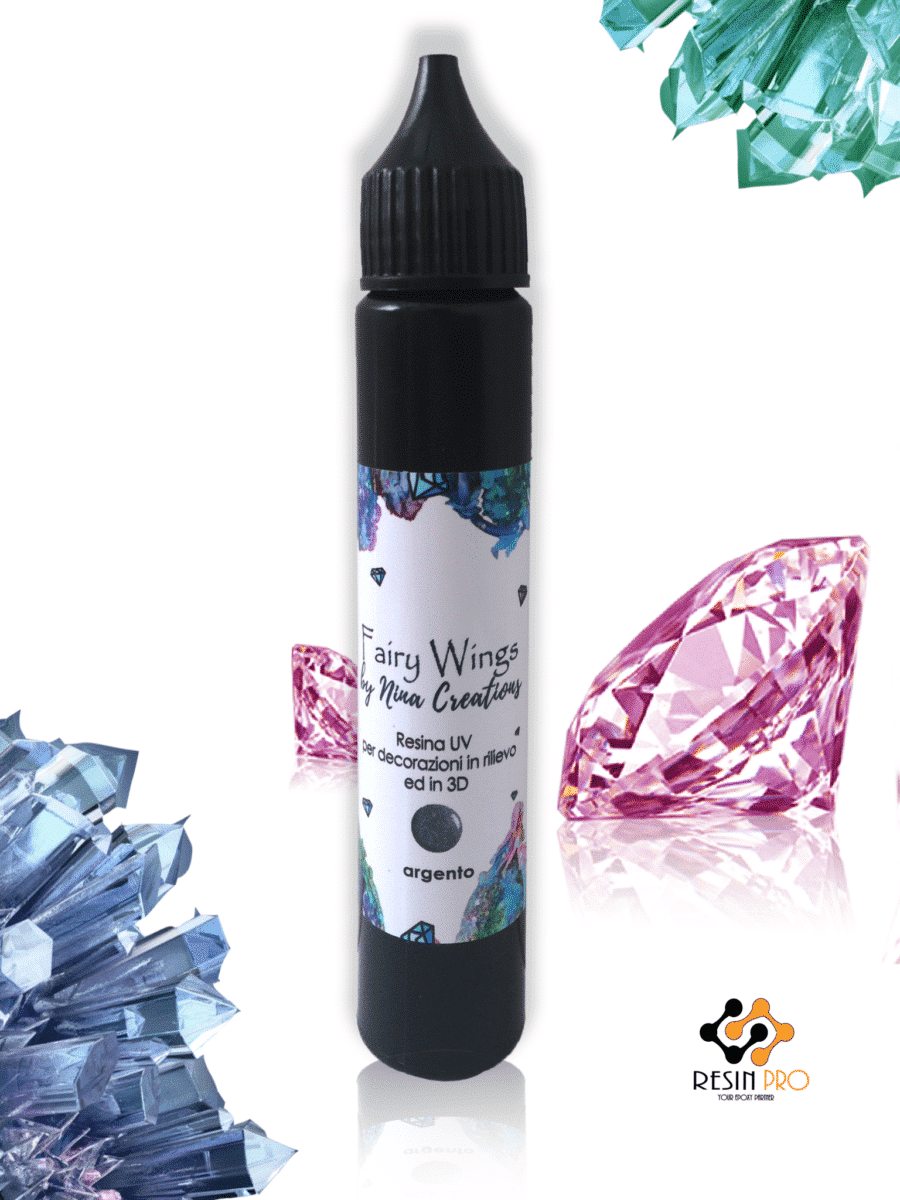 "Fairy Wings" – UV Resin for Volumetric Reliefs, Dual Colour, 30mlOriginal price was: £15.15.£2.85Current price is: £2.85."Fairy Wings" UV resin offers ready-to-use acrylic gel for fine 3D reliefs. Suited for detailed crafting with quick UV curing.
 "Evershine Collection" – Artisan Jewellery Epoxy Resin Kit with 100+ Accessories£20.85"Evershine Collection" offers a complete epoxy resin jewellery kit with 500g high-transparency resin and over 100 accessories for creative projects.
Frequently Asked Questions
What’s the fastest way to glue necklace ends using resin?
Using a UV resin and a UV lamp allows you to set the bond in as little as 2–5 minutes for quick results.
Which resin type is best for metal jewellery ends?
A two-component fast epoxy glue, like "Klebfix", gives a secure, invisible bond for most metals.
Can you overfill clasps with resin?
Yes, overfilling can make a mess and weaken the bond. Apply only what’s needed for a clean join.
Why does my resin bond fail on necklace ends?
Failures are often from dirty surfaces, incorrect resin ratios, or moving parts before full cure.
What’s the difference between UV and epoxy resin for necklace ends?
UV resin cures in minutes with light, while two-part epoxy offers higher strength and is better for heavier pieces.
How can I avoid bubbles when gluing jewellery?
Use slow, precise application and avoid vigorous mixing. Degassing kits can also help for epoxy.