 Free shipping on orders over £29,85
  Shipping Tracking!


 Google
 Facebook
← Back to How do you prepare a tile floor to overlay resin?


If you’re planning to overlay resin on a tiled floor, careful preparation is essential. Filling grout joints and repairing damaged tiles ensures a smooth, stable surface for optimal resin performance.
Why Proper Repairs Are Essential
Leaving grout joints open or tiles cracked can lead to weak spots beneath your resin. Resin may settle unevenly into gaps or cracks, which can result in surface imperfections or even cause the finish to fail over time. By filling joints and fixing broken tiles, you eliminate these risks, creating a strong and even base for your resin overlay.
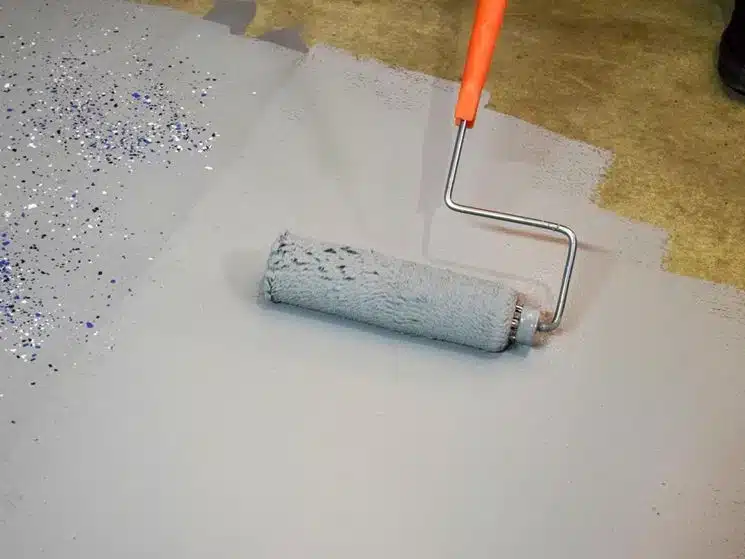
How to Prepare Your Tiled Floor
Begin by thoroughly cleaning the tile surface, removing any dirt or debris with tools such as the Heavy Duty Scraper for Paint and Epoxy Resin Removal. Next, use a suitable filler to close up grout joints and repair any chipped or cracked tiles. Once repairs are dry, ensure the floor is level and dust-free before applying your primer.
- Clean with suitable tools to remove residues
- Fill and level grout joints and cracks
- Ensure repairs are fully dry before priming
When This Matters Most
This extra attention is vital for floors in high-traffic or damp areas, where movement or moisture can worsen existing damage. Taking the time to make repairs now will help your resin overlay perform reliably for years to come.
Related products
Related guides
Thorough preparation—including repairing grout joints and tiles—lays the foundation for a durable and visually flawless resin overlay. For a complete guide on this process, visit our main resource on how to prepare a tile floor to overlay resin.