 Free shipping on orders over £29,85
  Shipping Tracking!


 Google
 Facebook
How do you prepare epoxy resin?
Master mixing and preparation for clear, professional resin results


If you want to achieve a flawless finish with epoxy resin—whether for jewellery, casting, or tables—proper preparation is absolutely essential. This step-by-step guide covers the fundamental techniques for measuring, mixing, and handling resin, so you can produce clear, bubble-free and durable results every time.
What You’ll Need
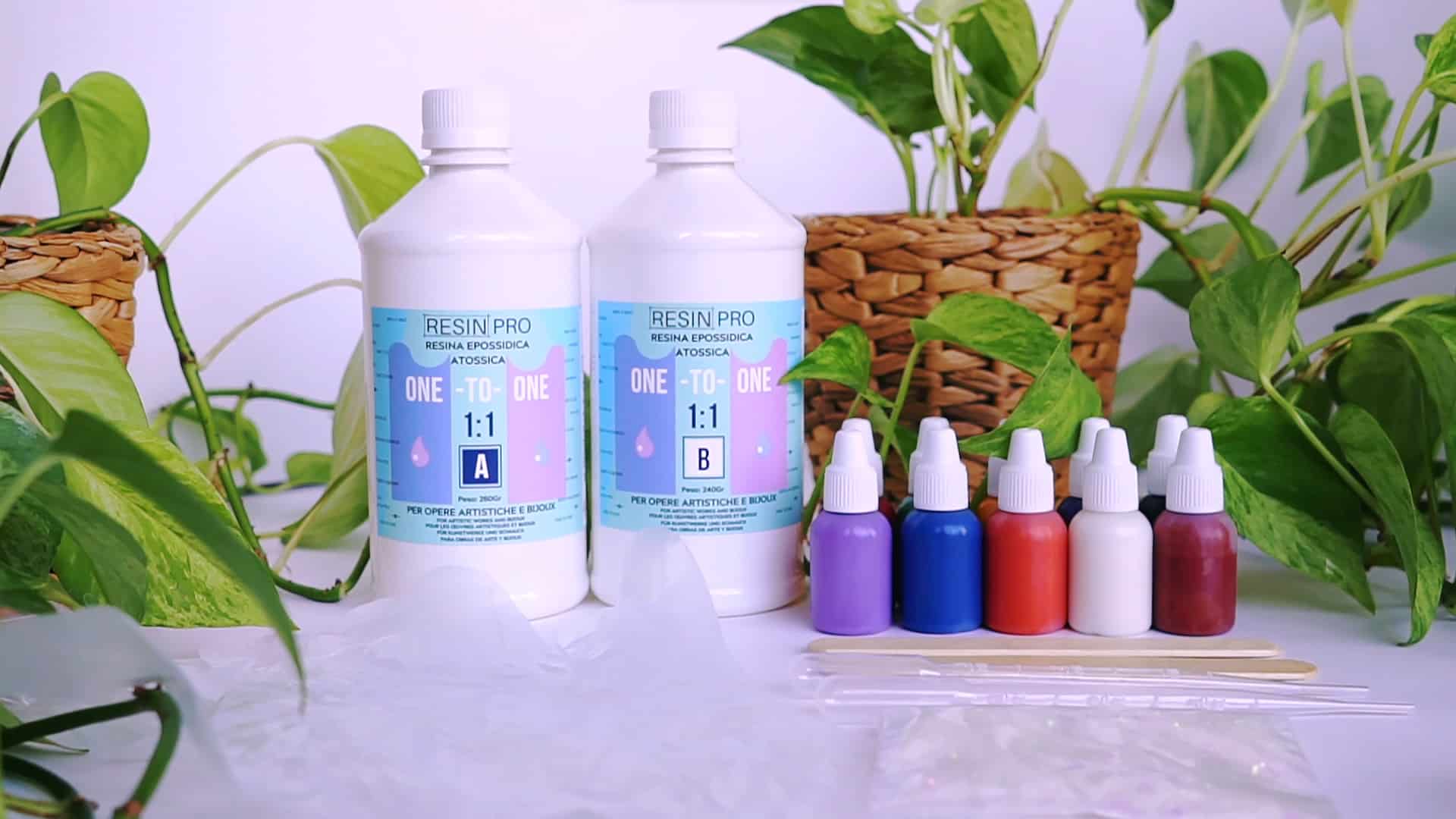
- “One-2-One” – Epoxy Resin for Handcraft, 1:1 Mixing Ratio: For jewellery, cabochon and decorative craft projects.
- “Evershine Collection” – Artisan Jewellery Epoxy Resin Kit with 100+ Accessories: An all-in-one kit for newcomers or those seeking creative variety.
- “ICreation” – Fast Epoxy Resin, 6h Demoulding, Transparent Gloss Finish: For quick demoulding and rapid results.
- “River-Table” – Complete Kit for Creating Your First Epoxy Resin Table: Includes all essentials for pouring resin river tables.
- Mixing cups (marked with accurate measurement lines)
- Stirring sticks (wooden or silicone)
- Nitrile gloves and safety goggles
- Protective covering for your work surface
Mixing Ratios and Measuring Epoxy Resin
Accurate measurement of your epoxy resin and hardener is the critical first step. Use separate, marked containers for each part and always combine them in the ratio instructed on your product packaging. For example, both “One-2-One” – Epoxy Resin for Handcraft, 1:1 Mixing Ratio and the “Evershine Collection” – Artisan Jewellery Epoxy Resin Kit use an easy equal-part system by volume. This helps avoid errors, especially for beginners or when working in small batches.

Step 1: Prepare Your Workspace and Organise Materials
Before you begin, ensure your working area is tidy and protected. Cover your surface with plastic sheeting or silicon matting to catch drips and spills. Work in a dust-free, well-ventilated area, away from direct sunlight to prevent premature curing. Equip yourself with gloves and goggles to avoid skin or eye contact with resin components. Keep all your mixing equipment, moulds, and material at hand for efficient operation.
Temperature and humidity will directly affect the performance of your resin. Most formulas work best around 20–25°C; check your product’s specifications for the ideal conditions.
Step 2: Measure Resin and Hardener Accurately
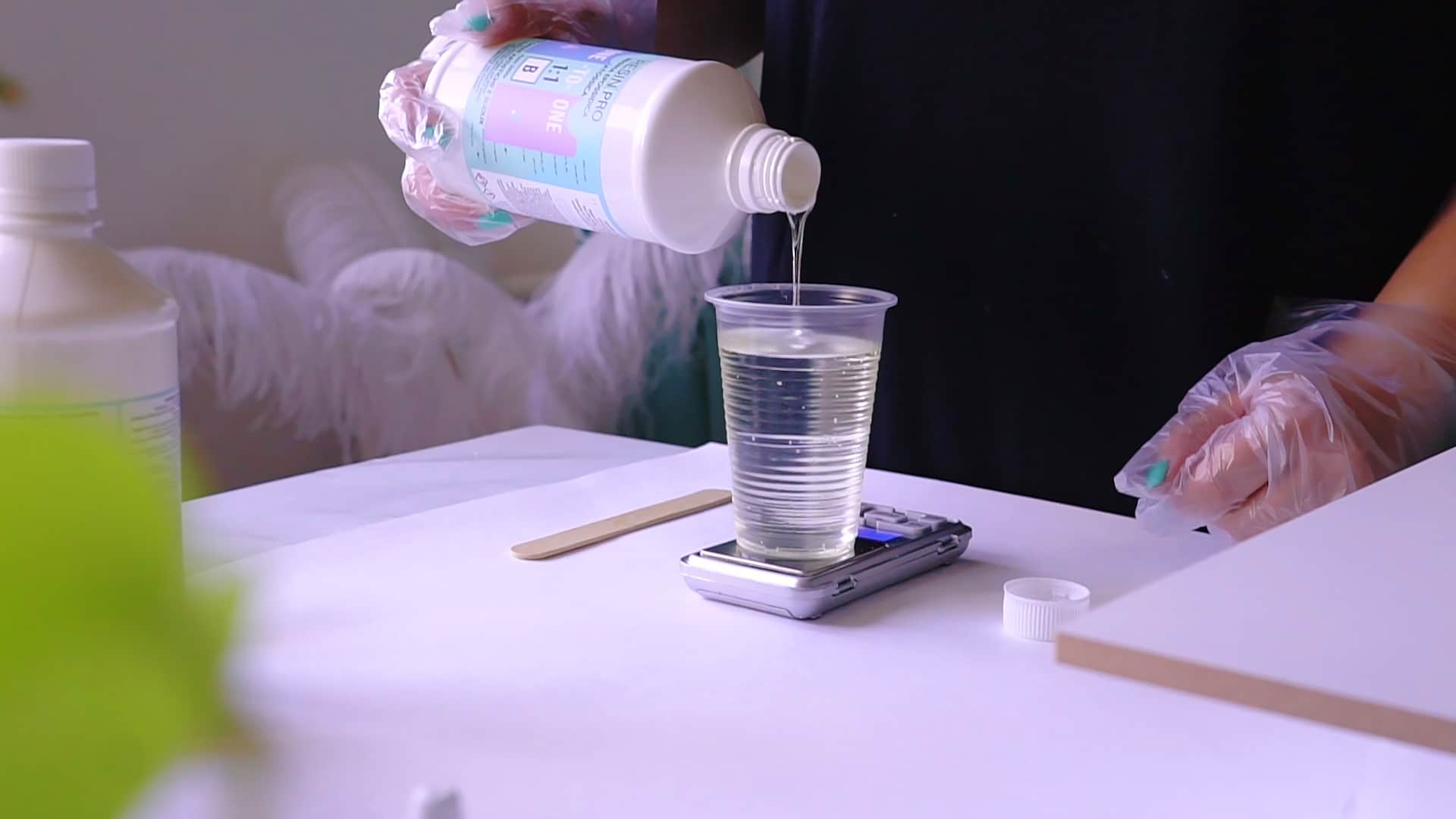
The foundation of a flawless epoxy cure lies in precise measurement. Carefully follow the recommended ratios stated on your product. For example, the “One-2-One” – Epoxy Resin for Handcraft, 1:1 Mixing Ratio requires equal parts by volume, making it simple for beginners. Other formulas, such as “ICreation” – Fast Epoxy Resin, use a 2:1 ratio and require care not to confuse volume and weight if the instructions specify.
Use clean, dry mixing cups with clear measurement marks. Never eyeball the quantities—always measure as directed for both resin and hardener to avoid issues with curing or surface tackiness.
Step 3: Mix Resin and Hardener Thoroughly
After measuring, combine both components in your main mixing vessel. Mix thoroughly but avoid vigorous stirring, which introduces air bubbles. Scrape the sides and bottom repeatedly to ensure both parts are fully incorporated.
Many starter kits, like the “Evershine Collection” – Artisan Jewellery Epoxy Resin Kit with 100+ Accessories, come with clear instructions and the required mixing tools for best results. Slow, steady mixing minimises bubbles and ensures a consistent cure.
Step 4: Pour and Use Resin within Pot Life
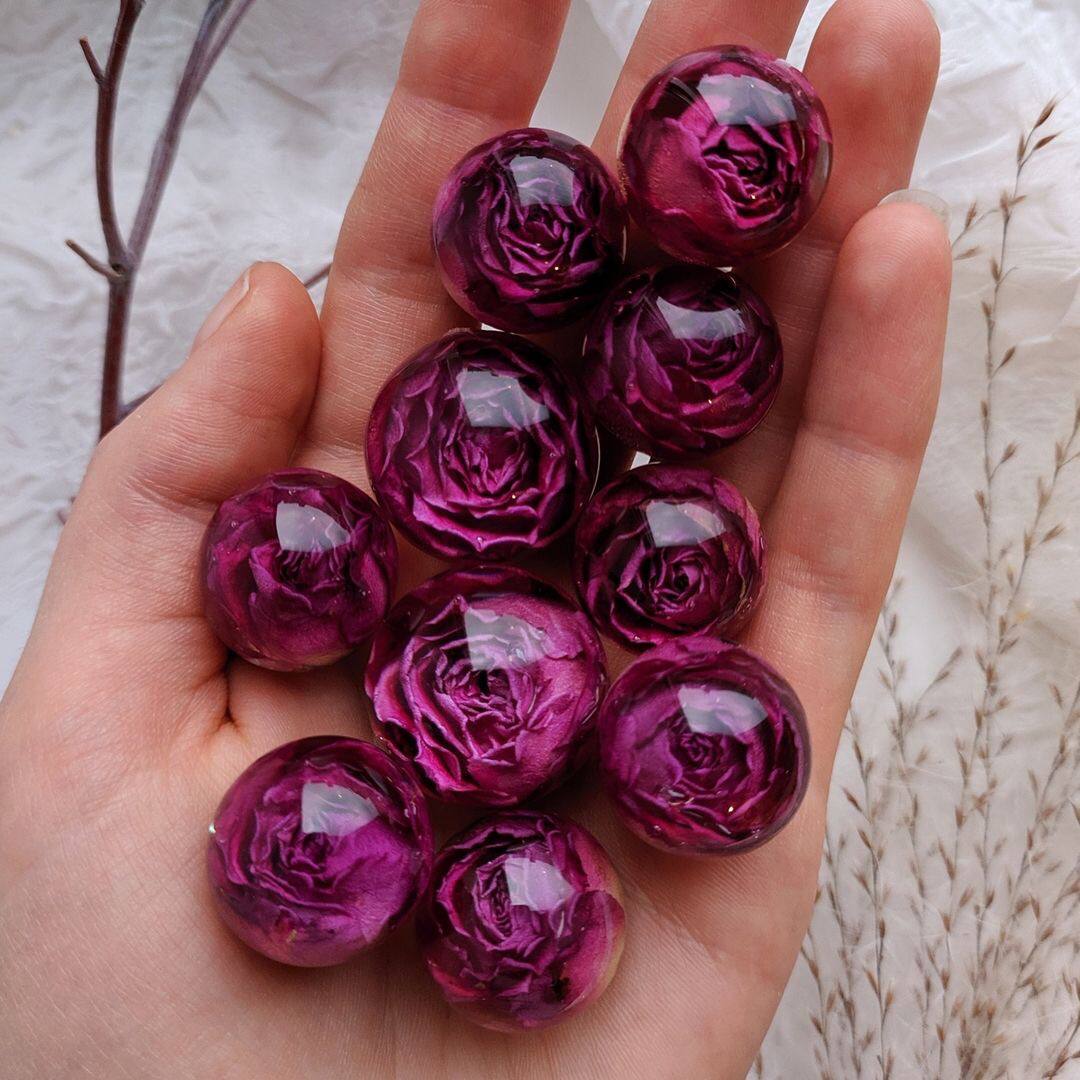
Once mixed, epoxy resin has a limited working time known as the pot life—typically stated in your product’s instructions. Pour the mixture slowly into your intended mould or onto your prepared surface soon after mixing. Avoid excessive waiting, as the resin will begin to thicken and lose its self-levelling properties.
If you work on larger projects, such as resin tables, the “River-Table” – Complete Kit for Creating Your First Epoxy Resin Table offers detailed steps and suggested curing times for different pour depths to prevent overheating and ensure clarity.
Tips, Troubleshooting, and Common Mistakes
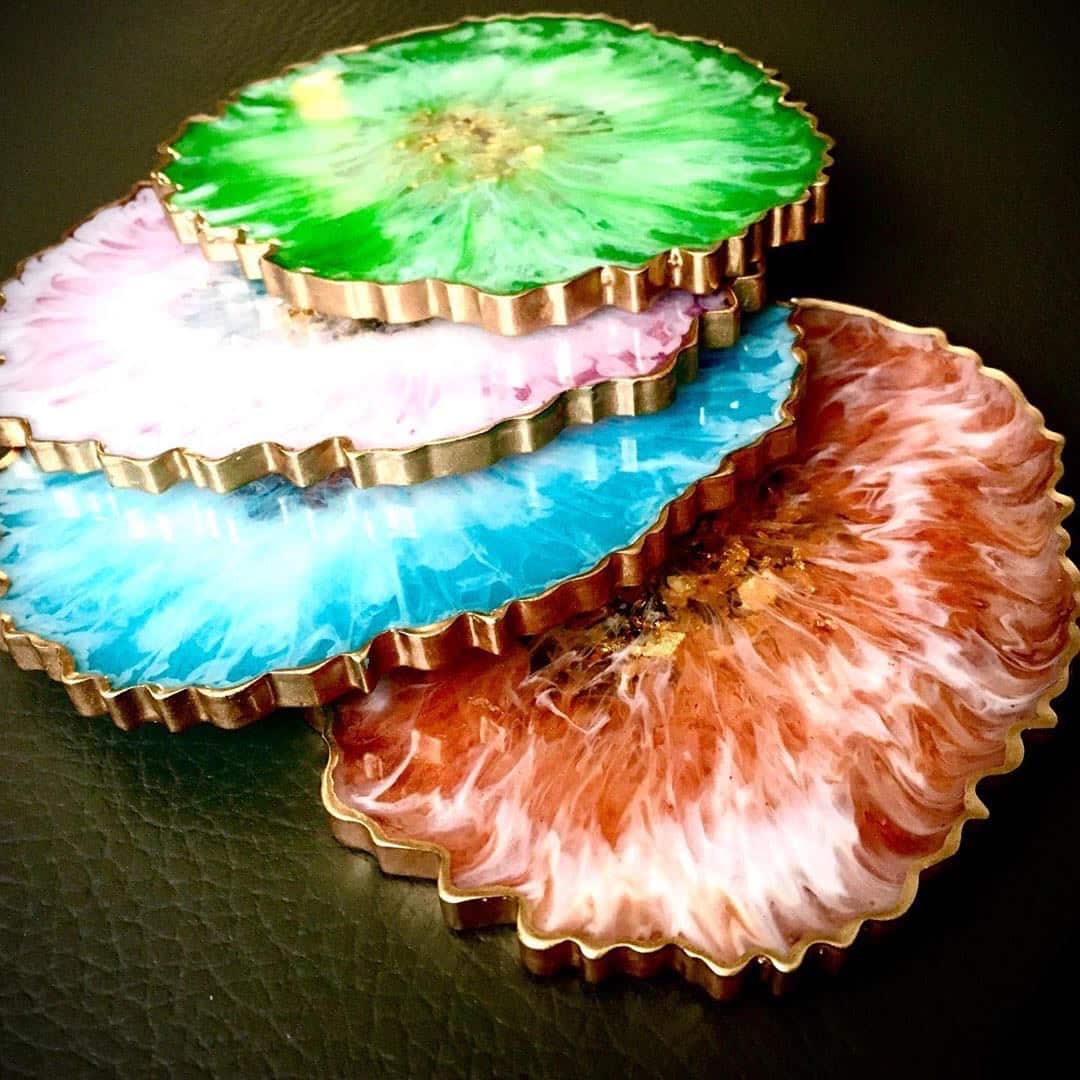
Work in a dust-free, well-ventilated area to keep your resin project clear and safe from contamination. Carefully follow the recommended ratios—an inaccurate mix often leads to sticky, soft, or cloudy results. If bubbles appear, use a heat gun or torch to carefully pop them at the surface, taking care not to scorch the resin. For multi-layer work, allow each layer to reach partial cure to ensure proper bonding and avoid mixing cloudiness.
Always refer to your specific product’s guidance such as when using “ICreation” – Fast Epoxy Resin for rapid projects, or use kits with included instructions if you’re starting out.
Avoiding Bubbles and Ensuring a Smooth Finish
Most bubbles form during mixing and pouring. For best clarity, mix slowly and pour gently. If bubbles appear on the surface, pass a heat gun or torch quickly over the resin—this will help them rise and burst. For very detailed projects, allow your mixture to settle briefly before pouring, or tap your mould gently to encourage bubbles to escape.
- "One-2-One" – Epoxy Resin for Handcraft, 1:1 Mixing RatioPrice range: £15.95 through £59.95"One-2-One" epoxy resin offers an easy 1:1 volume mixing ratio and crystal clear finish suitable for handcraft and jewellery projects.
- "Evershine Collection" – Artisan Jewellery Epoxy Resin Kit with 100+ Accessories£21.95"Evershine Collection" offers a clear 1:1 epoxy resin kit with 100+ accessories, designed for jewellery making and crafting beginners.
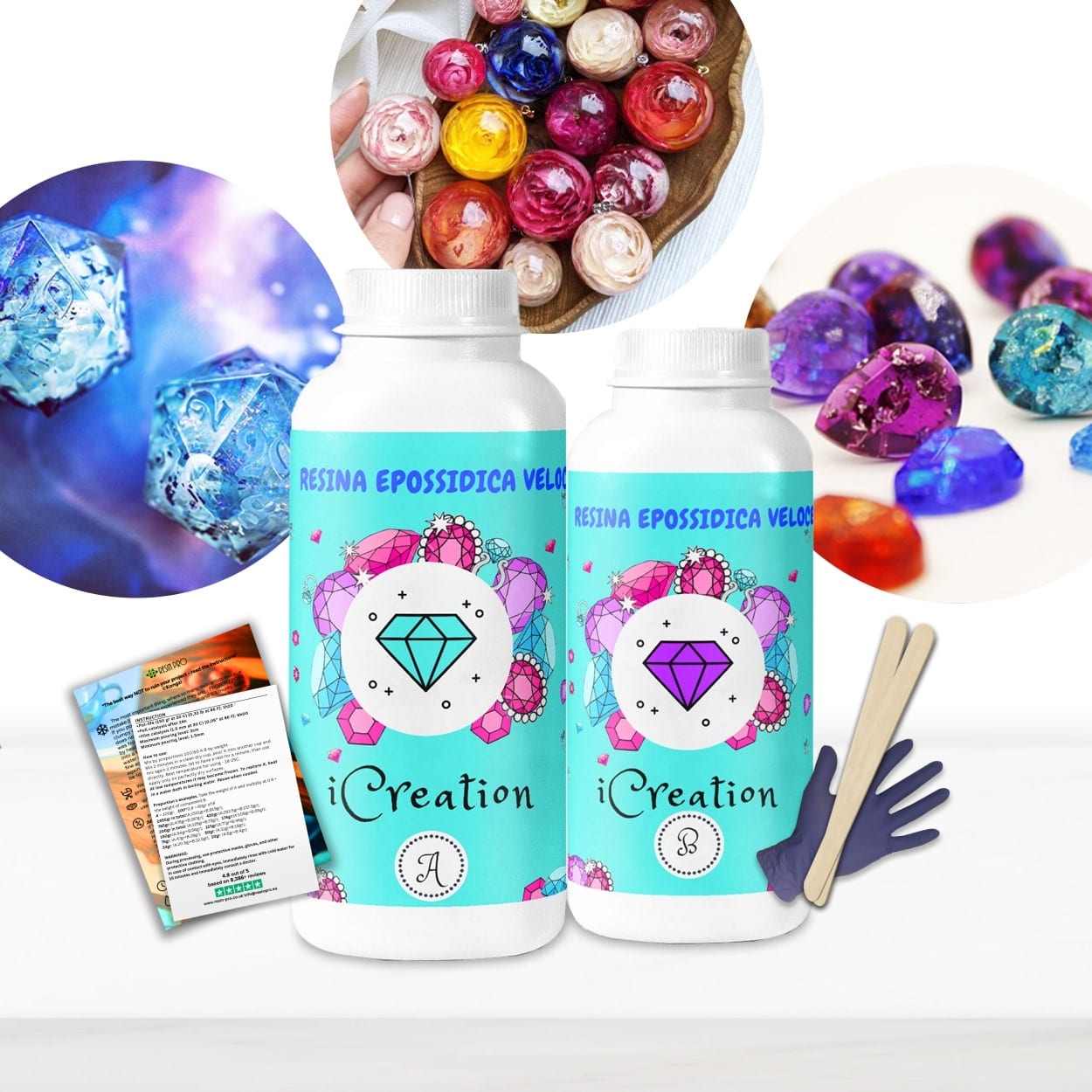 "ICreation" – Fast Epoxy Resin, 6h Demoulding, Transparent Gloss FinishPrice range: £15.95 through £55.95"ICreation" offers a clear, glossy finish with a 6-hour demoulding time, suitable for craft projects needing fast results.
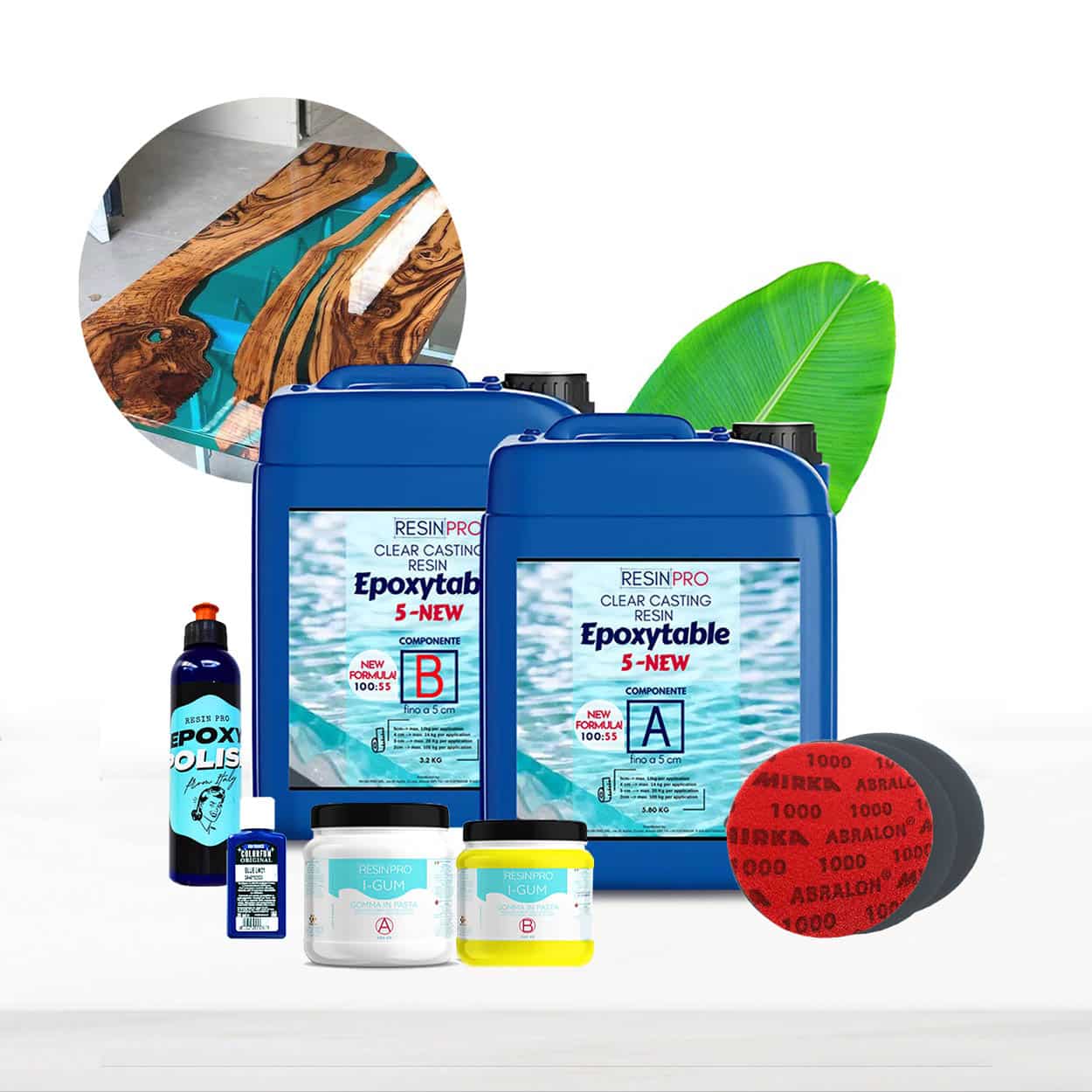 "River-Table" – Complete Kit for Creating Your First Epoxy Resin TablePrice range: £198.45 through £467.45"River-Table" kit offers materials and instructions for creating a wood and resin table, suitable for various experience levels.
Frequently Asked Questions
What is the best way to measure epoxy resin?
Always use marked measuring cups and follow the volume or weight ratio specified by your resin's instructions for reliable results.
How do I prevent bubbles in my epoxy resin?
Mix slowly, pour gently, and use a heat gun to remove bubbles from the surface after pouring. Avoid vigorous stirring.
What is the ideal temperature to work with epoxy resin?
Aim for a room temperature around 20–25°C. Too cold, and curing slows; too warm, and resin may set too quickly or trap bubbles.
How do I know which mixing ratio to use for my epoxy?
Always check the product label. Some resins use a 1:1 by volume, others need 2:1 or 3:2 by weight—never interchange ratios.
How long does epoxy resin take to cure?
Curing time varies by product: some set in 6–12 hours, while others may take 24–48 hours for a complete hard finish.
Why is my epoxy tacky or soft after curing?
Most likely, the mixing ratio was incorrect or not mixed thoroughly. Always follow instructions for best results.
Can I colour or tint epoxy resin during preparation?
Yes, add pigments or tints after premixing resin and hardener. Blend thoroughly for even colour without streaks.