 Free shipping on orders over £29,85
  Shipping Tracking!


 Google
 Facebook
How do you prepare resin for jewelry?
Step-by-step instructions for perfect resin jewellery pieces
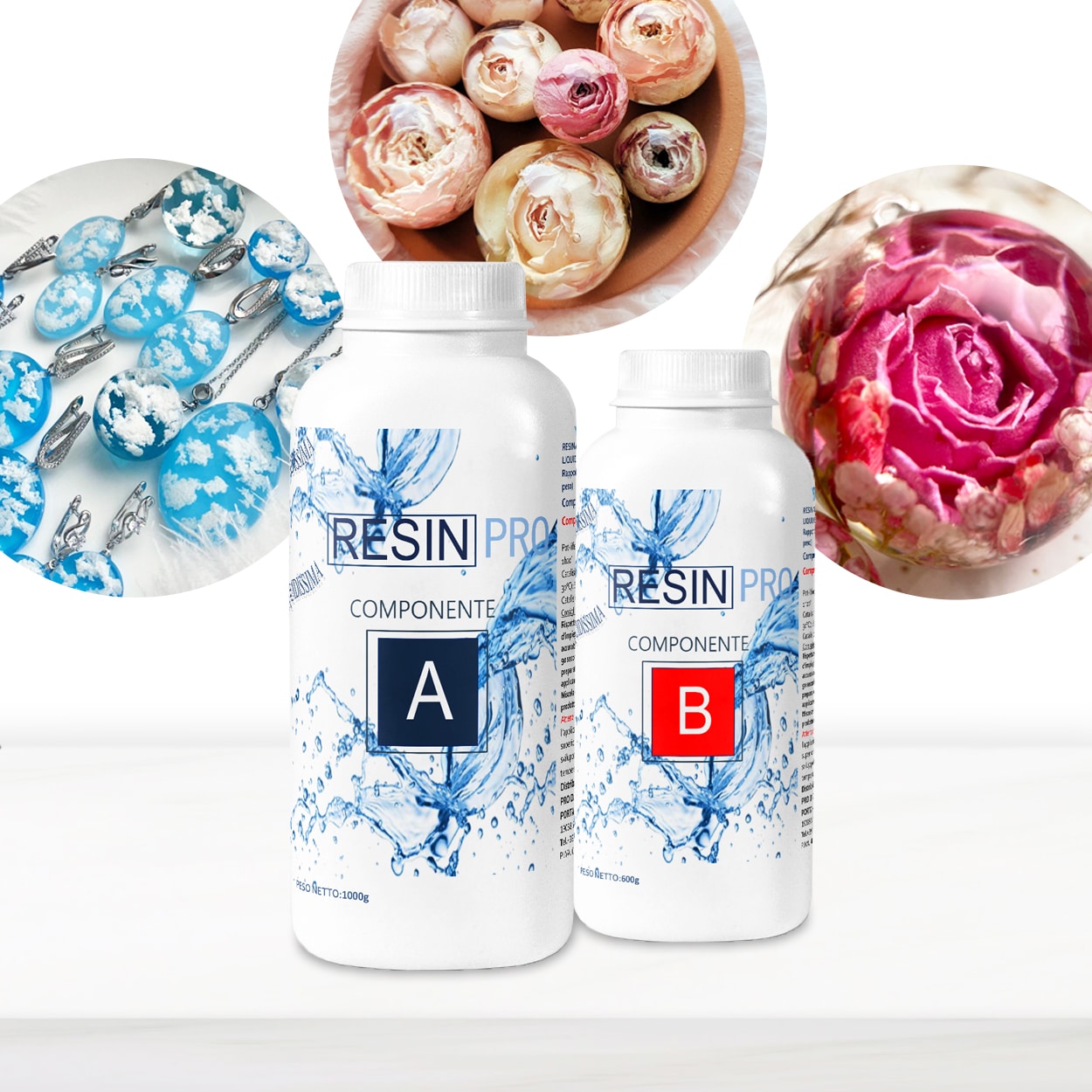

Learning to prepare resin correctly is the key to creating beautiful, professional-quality jewellery. Whether you’re a beginner or an experienced crafter, understanding the resin preparation process helps you avoid common mistakes and ensures that each piece you make is clear, durable and full of creative potential.
What You’ll Need
- “Liquidissima” – Epoxy Resin For Creations & Jewellery: A transparent, low viscosity epoxy resin for detailed jewellery making.
- “Evershine Collection” – Artisan Jewellery Epoxy Resin Kit with 100+ Accessories: An all-in-one kit ideal for beginners or those who want added creative tools.
- “One-2-One” – Epoxy Resin for Handcraft, 1:1 Mixing Ratio: Easy to use for both beginners and experienced crafters.
- “UV–Creation” – Fast Acrylic Resin, 3 Minute UV Cure: Perfect for rapid projects with hassle-free, one-component curing.
- Protective gloves and apron
- Precision scales or mixing cups
- Mixing sticks/spatulas
- Silicone moulds or jewellery bezels
- Optional: pigments, glitters, or dried flowers for decoration
- UV lamp (if using UV resin)
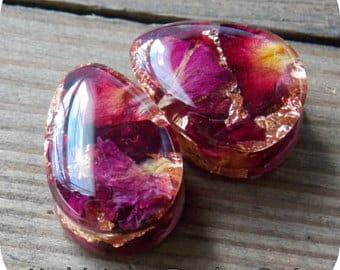
Essential Resin Jewellery Tools in Action
Watch how the right resin and accessories simplify the preparation process for jewellery making. Resins with easy mixing ratios and complete kits help streamline every project, from measuring to mould demoulding. Explore all resin for jewellery solutions to match your style and skill level.
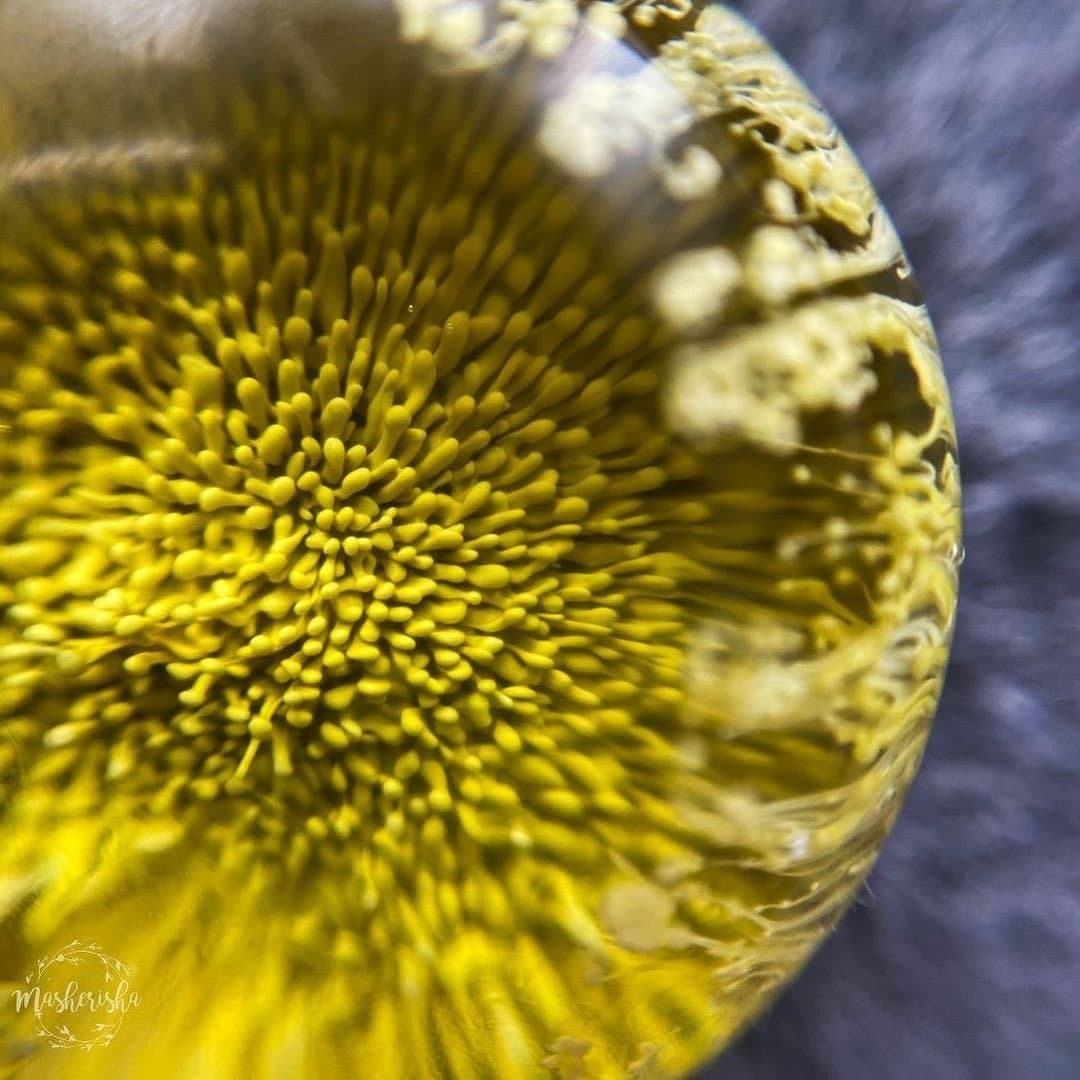
Step 1: Prepare Your Workspace and Materials
Before you begin, set up a clean, dust-free area with good ventilation. Cover your work surface with a silicone mat or disposable sheet to protect against spills. Make sure all your tools, mixing cups and moulds are dry and free of contaminants. Moisture and dirt can cause issues in the curing process. Always wear gloves and an apron to protect your skin and clothing. Proper workspace preparation helps you achieve a smooth finish on your resin jewellery and minimises errors during mixing and pouring.
Step 2: Measure and Mix Your Resin Accurately
Resin quality relies on precise measurements for success. Always measure your resin and hardener accurately, following the specific ratio indicated by your chosen product. For example, “Liquidissima” – Epoxy Resin For Creations & Jewellery uses a standard 2:1 ratio by weight, while “One-2-One” – Epoxy Resin for Handcraft, 1:1 Mixing Ratio offers a straightforward equal-parts solution by volume. Once measured, pour both components into a clean mixing cup and use a stick or spatula to blend them. Mix slowly and thoroughly to reduce bubbles, scraping the sides and bottom for at least 3–5 minutes until the mixture is clear and homogeneous.
Step 3: Add Pigments or Inclusions (Optional)
If you wish to colour your resin or add decorative elements like glitters and dried flowers, now is the time. Add only a small amount of pigment—usually up to 2% by weight is sufficient—so as not to negatively affect curing. For kit users, the “Evershine Collection” – Artisan Jewellery Epoxy Resin Kit with 100+ Accessories provides a selection of safe artisan pigments, dried flowers, and tools for easy inclusion. Stir gently to keep your resin mixture clear and free from excess bubbles.

Step 4: Pour and Cure Your Resin in Moulds
Carefully pour the mixed resin into your silicone mould or jewellery bezel. Avoid overfilling, as this can create overflow and uneven surfaces. Place the mould on a levelled surface to ensure an even cure. Work in a dust-free, well-ventilated environment to avoid surface imperfections and protect your health. If you notice bubbles on the surface, use a heat gun or torch to carefully remove surface bubbles by passing it briefly over the resin. Follow the curing time as recommended by the product—UV resins such as “UV–Creation” – Fast Acrylic Resin, 3 Minute UV Cure are ready within minutes under a UV lamp, while two-part systems require several hours.
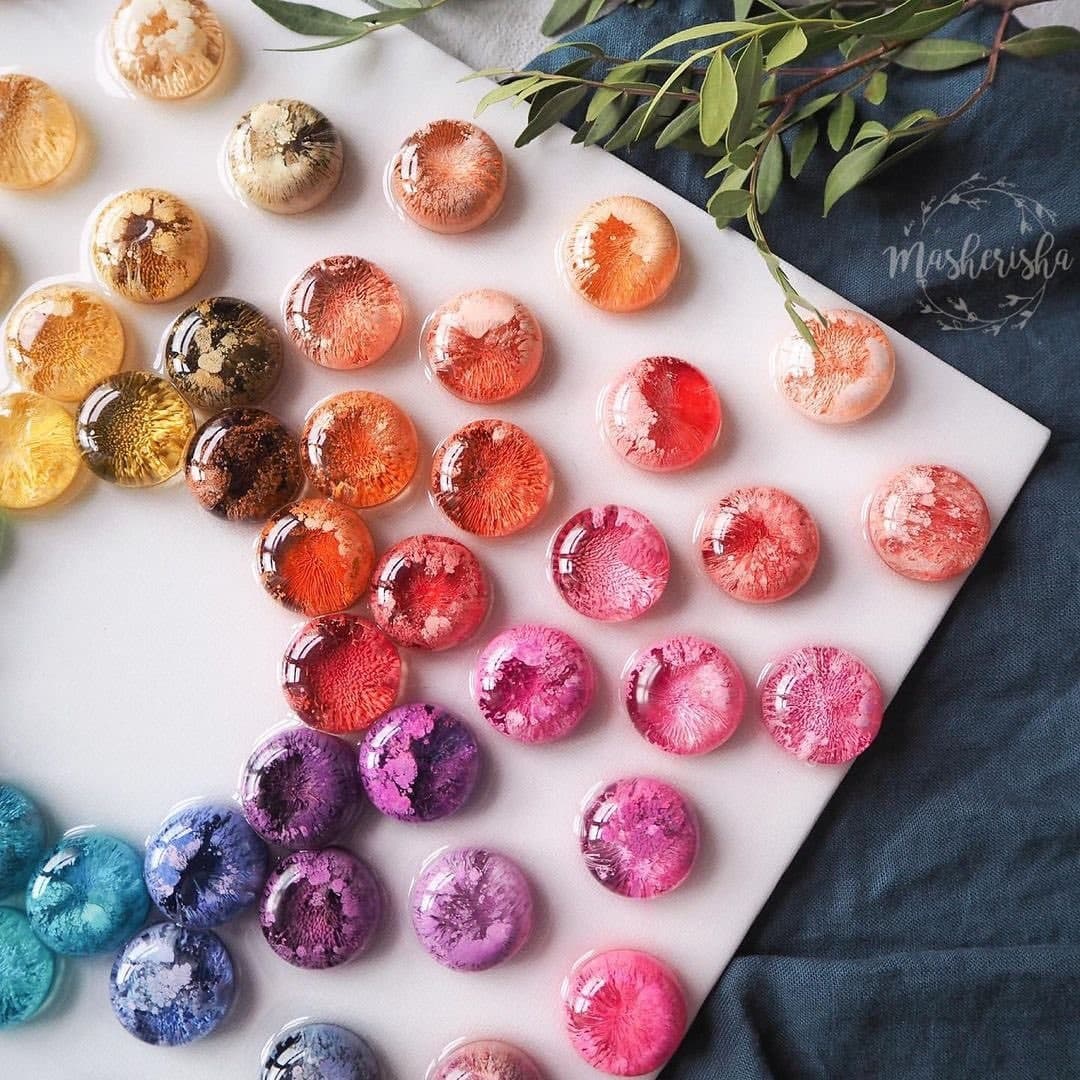
Tips, Common Mistakes & Troubleshooting
Patience and precision are vital for flawless resin jewellery. Avoid the temptation to mix too quickly, as this traps air. Never add more hardener in an attempt to speed up curing—it will cause stickiness and improper setting. Ensure resin and hardener are both at room temperature for the best results. If sticky or uncured spots appear, it usually means an incorrect mixing ratio or poor mixing. Remove any dust particles with a soft brush once the piece is fully cured, or polish lightly for a glossy finish. Practice and preparation are the foundation of beautiful resin jewellery pieces.
Expert Tips for Flawless Resin Jewellery
Minimise imperfections by working in a stable, clean environment. Curious about advanced finishes or troubleshooting? Discover complete kits and guides for creative inspiration or enhanced results. Keep learning and experimenting for the best handcrafted pieces!
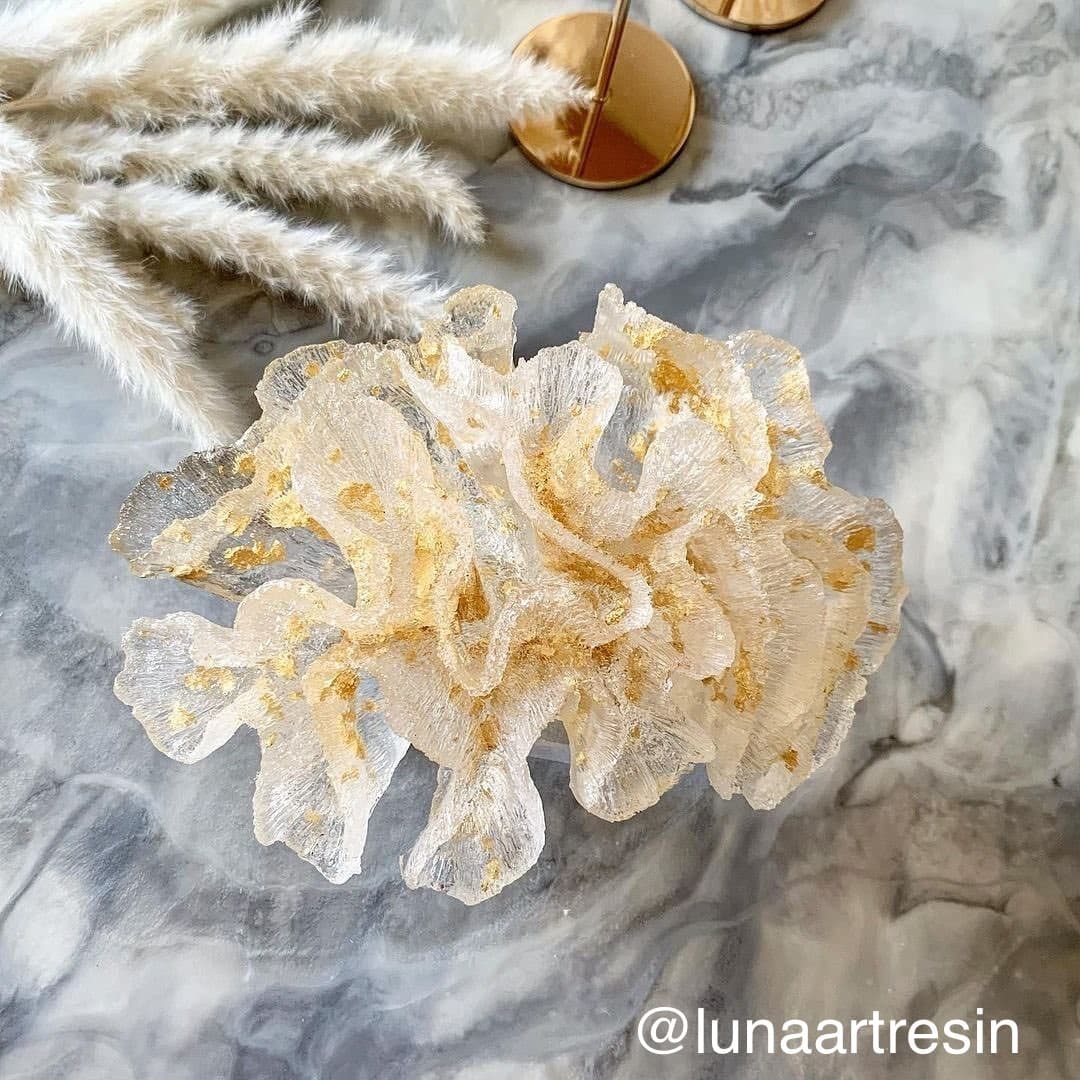
- "Liquidissima" – Epoxy Resin For Creations & JewelleryPrice range: £12.85 through £31.85LIQUIDISSIMA epoxy resin offers clear results and longer working time, suitable for intricate moulds in creative jewellery making.
- "Evershine Collection" – Artisan Jewellery Epoxy Resin Kit with 100+ Accessories£21.95Complete resin kit designed for jewellery makers, including 500g crystal-clear resin and 100+ accessories suited to resin jewellery crafting.
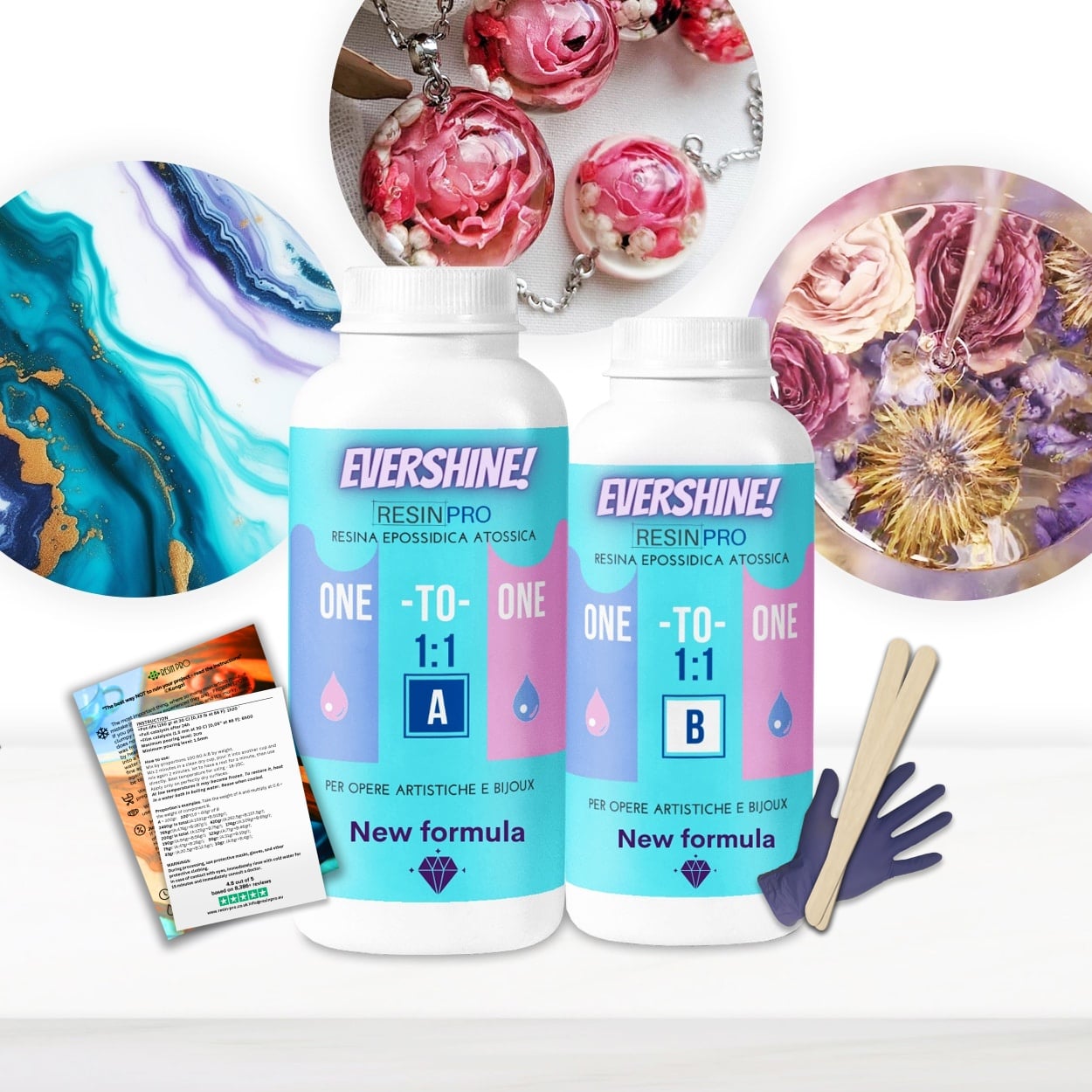 "One-2-One" – Epoxy Resin for Handcraft, 1:1 Mixing RatioPrice range: £15.95 through £59.95"One-2-One" epoxy resin offers a clear, glossy finish with a simple 1:1 mixing ratio, suitable for beginners and experienced crafters working on…
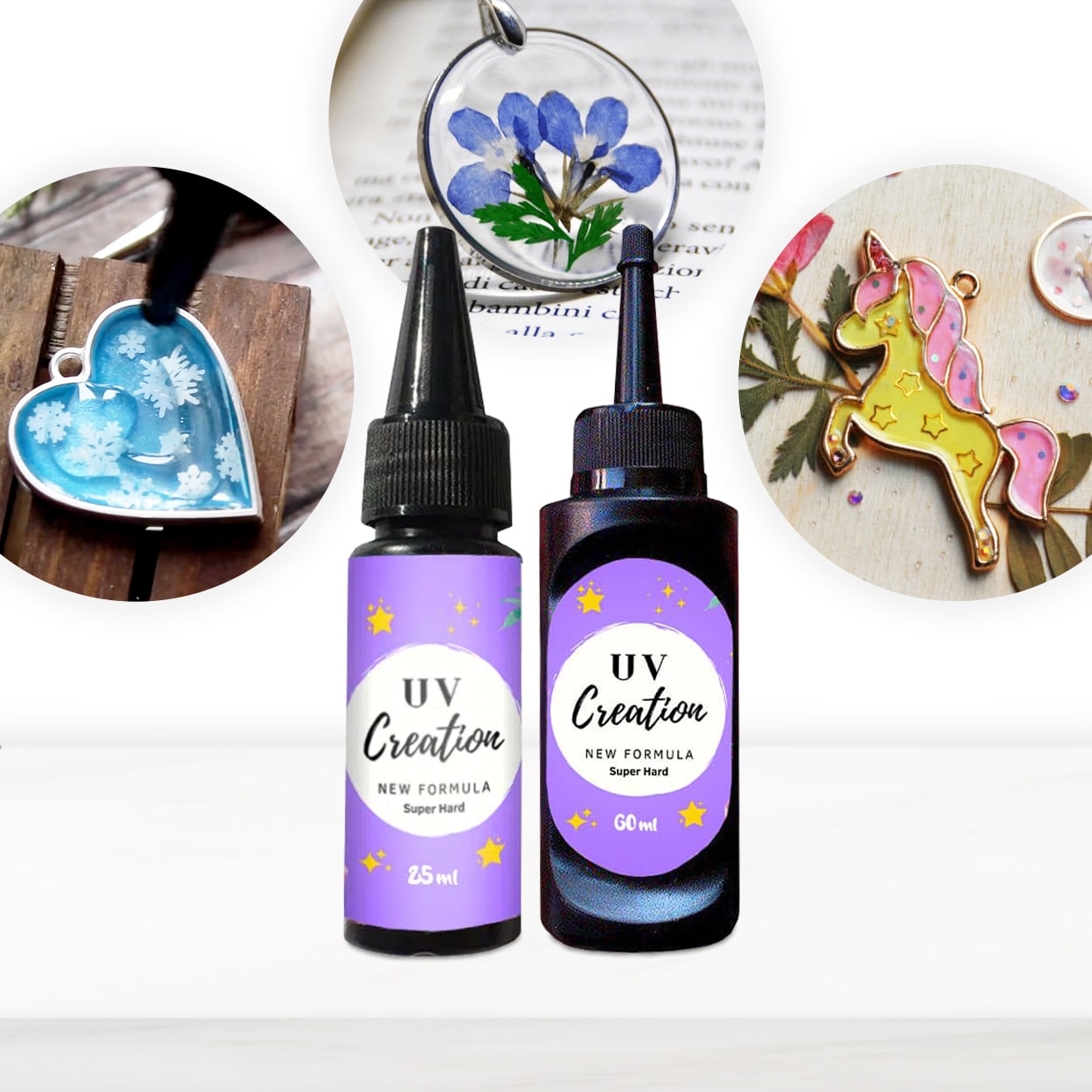 "UV–Creation" – Fast Acrylic Resin, 3 Minute UV CurePrice range: £8.45 through £62.95UV–Creation Fast Acrylic Resin cures rapidly under UV light, suitable for jewellery makers seeking clear, glossy, and easy-to-use resin.
Frequently Asked Questions
What is the correct resin mixing ratio for jewellery?
Mixing ratios depend on your chosen resin product. Always follow package instructions—commonly 1:1 by volume or 2:1 by weight for jewellery epoxy.
Can jewellery resin cure under UV light?
Yes, UV-curable resin hardens within minutes under a UV lamp, making it ideal for quick jewellery projects.
Can I add colour to resin for jewellery making?
Yes, you can mix pigments, dyes or glitter into resin. Use only small amounts to maintain curing quality and transparency.
How do I prevent bubbles in resin jewellery?
Mix slowly and thoroughly. If bubbles rise to the surface, use a heat gun or torch briefly to release them before curing.
Why is my resin jewellery sticky or soft?
Sticky resin often results from incorrect proportions or inadequate mixing. Always follow manufacturer instructions for ratios and mixing times.
Which resin is best for beginners in jewellery making?
Choose a resin with a simple 1:1 mixing ratio and clear instructions, such as a starter kit or easy-mix product.