 Free shipping on orders over £29,85
  Shipping Tracking!


 Google
 Facebook
How do you prepare the base for resin flooring?
Achieve durable resin floors by getting the subfloor right
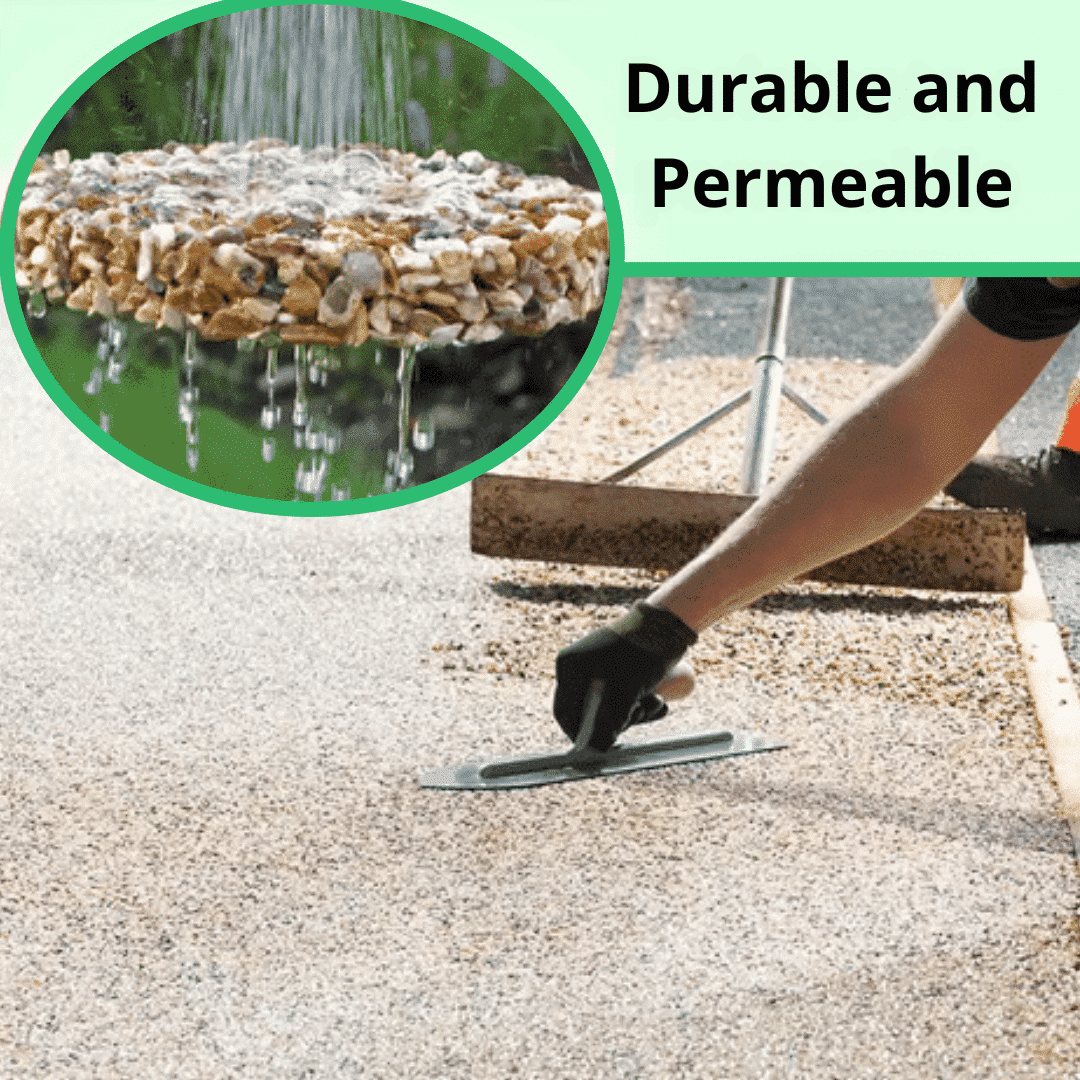
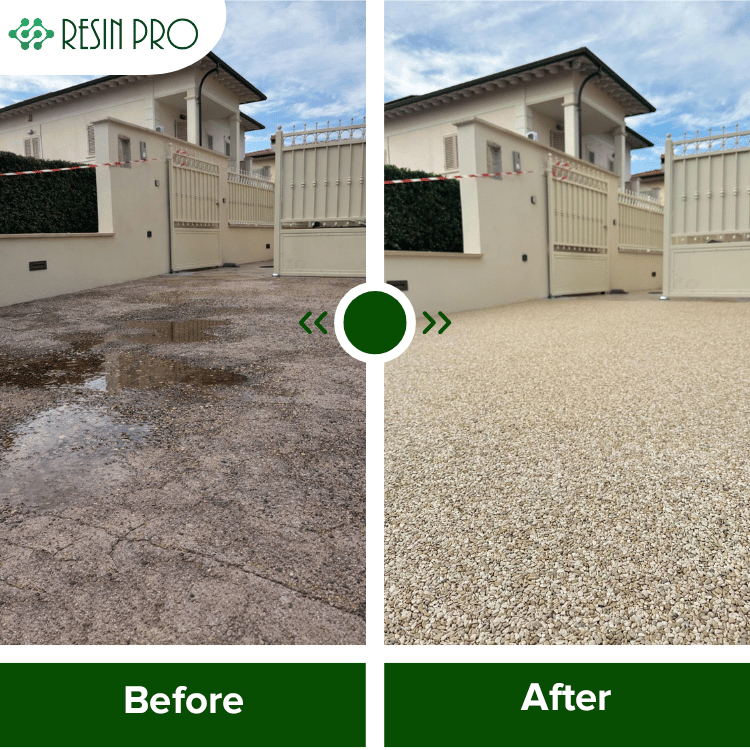
Preparing the base is the foundation for a successful resin flooring project. This step ensures your surface achieves both maximum bond and a flawless final appearance, whether you’re refurbishing a garage, renovating an industrial space or crafting a stylish patio. This guide will walk you through each stage of base preparation for resin floors on new or existing surfaces.
What You’ll Need
- “Epoxyprimer” – Universal Water-Based Two-Component Epoxy Floor Primer – for priming concrete, timber, tiles, and screeds
- “Resinstone” – One-Component Methacrylic Resin for Concrete Floors and Driveways – for sealing and waterproofing porous concrete
- Cleaning supplies – broom, vacuum, degreaser, and cotton rags
- Patching compound – to repair holes or cracks in concrete or screed
- Personal protective equipment – gloves, goggles, and mask

Visual Guide: Seamless Floor Preparation
Step-by-step visuals help you spot cracks, surface dust, and poor preparation. A clean, level substrate is essential—the right repair compounds and primers give resin flooring its renowned durability. Zoom into each stage to see what to look for before mixing and applying your selected resin system.
Step 1: Inspect and Repair the Subfloor
Ensure the subfloor is clean and free of defects. Examine your surface—concrete, wood, tiles, or screed—for any cracks, holes, or uneven patches. All imperfections should be repaired with a suitable patching compound, as these could show through the final resin finish or compromise its integrity. Remove any loose material, and pay special attention to any damp spots—these may indicate ongoing moisture issues
If the floor is uneven, use a levelling product and allow it to dry according to manufacturer instructions before progressing. This is crucial for achieving a smooth resin coat.
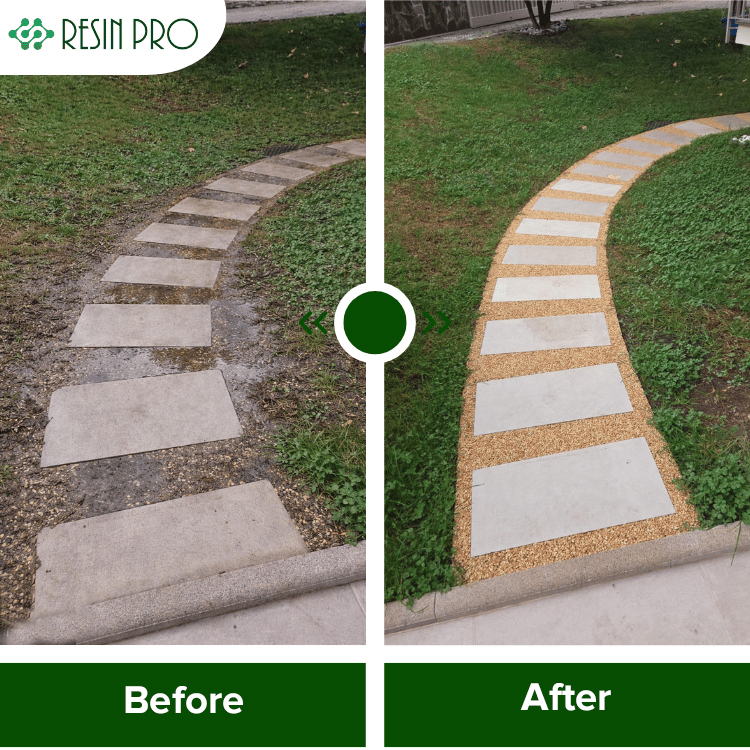
Step 2: Thoroughly Clean the Surface
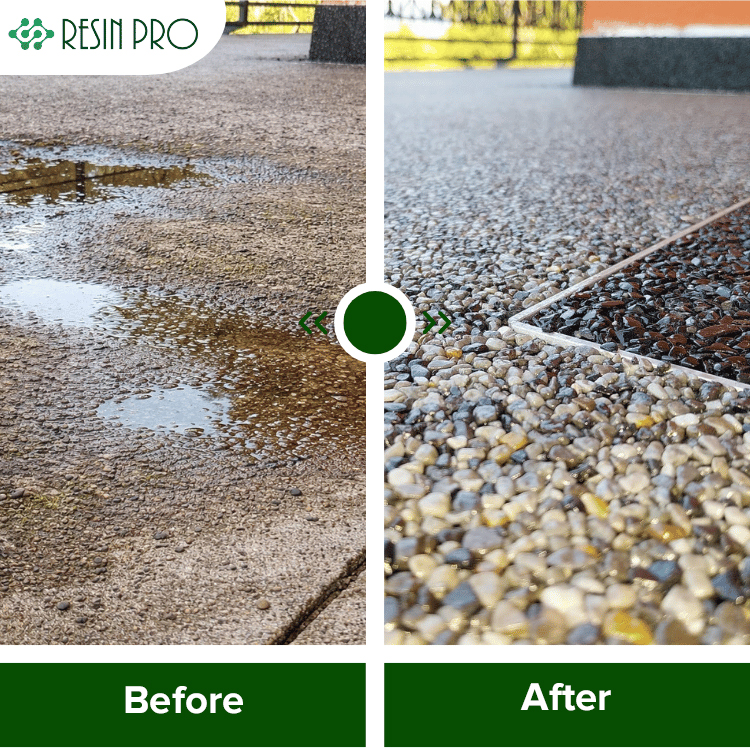
A spotless substrate is vital for optimal resin adhesion. Sweep, vacuum, and wash the surface to remove every trace of dust, grease, or oil. Check substrate moisture levels before applying primer; high residual moisture, especially in freshly poured concrete or screeds, may cause resin failure and blistering later.
Let the area dry completely after cleaning. Use a moisture meter if you’re unsure about the floor’s dryness.
Step 3: Prime with Suitable Resin Base Coat
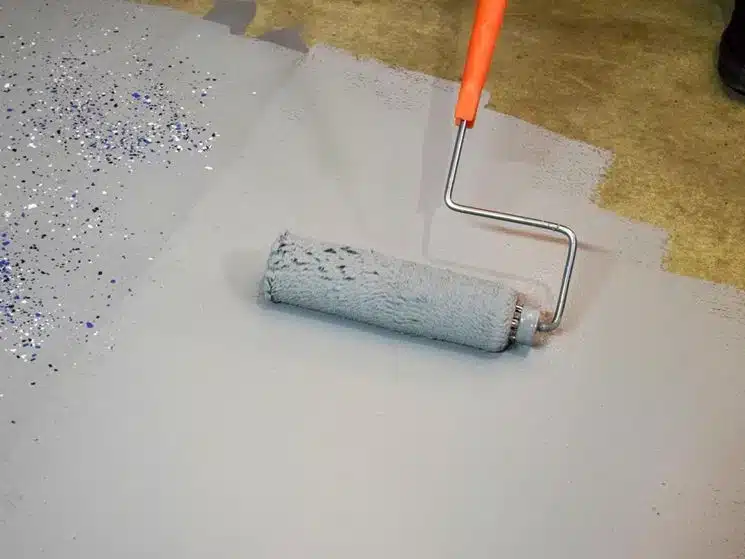
Once the subfloor is flat, clean, and dry, it’s time to lay a primer that promotes a strong bond between substrate and resin finish. Apply an epoxy or methacrylic primer to boost adhesion.
For most indoor concrete, screed, timber, or tiled floors, “Epoxyprimer” – Universal Water-Based Two-Component Epoxy Floor Primer is ideal. This water-based epoxy primer penetrates and seals the surface, maximising grip for the next resin layer. It can be applied by roller, brush, or spatula. On fresh concrete driveways and patios, “Resinstone” – One-Component Methacrylic Resin provides robust, breathable, and waterproof protection—apply by brush or airless sprayer.
Follow product instructions for mixing ratios and application thickness. Work in well-ventilated conditions, wearing gloves and goggles. Overlap strokes to ensure full coverage.
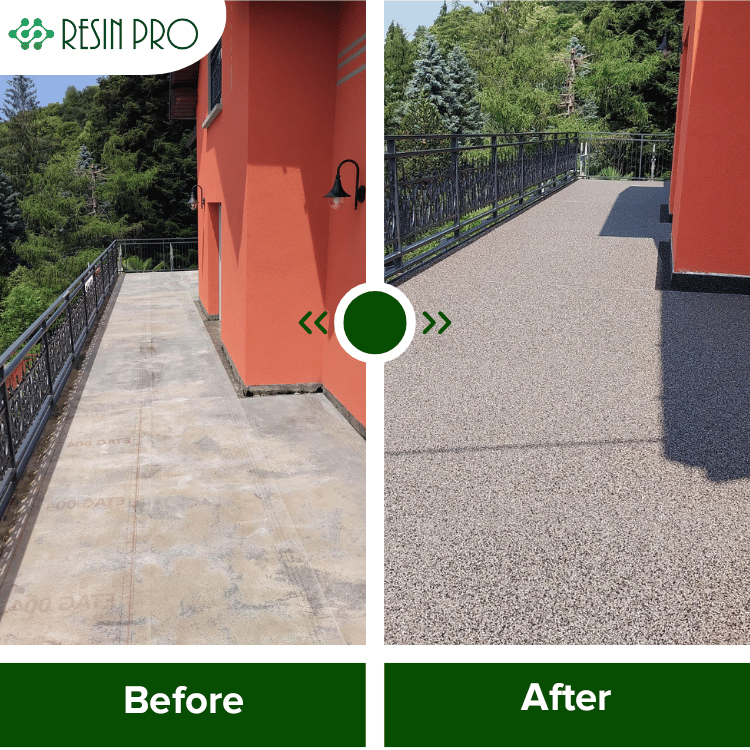

Step 4: Allow the Primer to Cure
Once the primer is applied, patience is crucial before applying any self-levelling, decorative, or permeable resin system. Wait for the primer to fully cure; typical curing takes 24-48 hours for epoxy primers, or less for methacrylic-based products.
Avoid walking on or disturbing the primed surface during this period as this can affect the integrity of the bond.
Tips, Common Mistakes, and Troubleshooting
Common errors in resin base preparation include rushing surface drying, ignoring cracks, or missing contamination like oils or salts. Always read curing times and verify subfloor compatibility before moving ahead with resin pouring.
If unsure about moisture content or product compatibility, consult technical data or seek expert advice to avoid adhesion or delamination issues.

Troubleshooting Base Preparation: What Good Looks Like
Spot the difference between a properly primed base and common preparation flaws. Examples of patch repairs, correct primer coverage, and what to avoid make it easier to check your own work. Remember: time spent on base prep means years of resilient flooring ahead.

- "Epoxyprimer" – Universal Water-Based Two-Component Epoxy Floor PrimerPrice range: £156.45 through £286.45Epoxyprimer is a water-based epoxy floor primer designed to provide adhesion for various substrates in resin flooring.
- "Flowstone" – Complete Permeable Floor Kit with Pebbles and ResinPrice range: £49.95 through £3,915.45"Flowstone" draining floor kit combines pebbles and resin for permeable, durable outdoor surfaces, suitable for driveways and patios in UK climate.
- "Trasparente" – Epoxy Binder for Coloured Pebbles and GritsPrice range: £33.45 through £397.95"Trasparente" transparent epoxy binder is designed for coloured pebbles and grits, providing a clear, UV-resistant finish suitable for permeable…
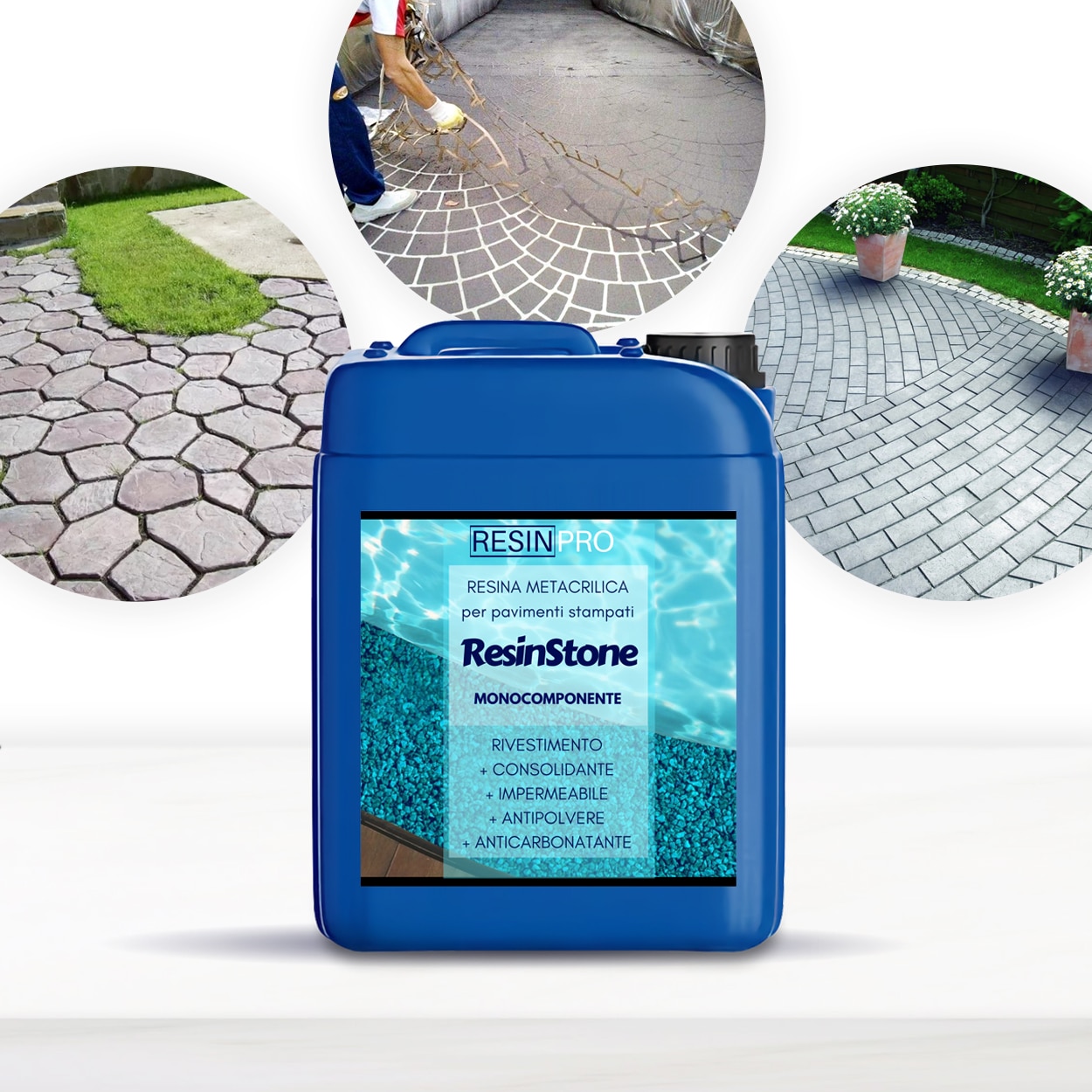 "Resinstone" – One-Component Methacrylic Resin for Concrete Floors and DrivewaysPrice range: £36.71 through £336.48"Resinstone" is a one-component methacrylic resin designed for sealing and protecting concrete floors and driveways.
Frequently Asked Questions
How should I clean my floor before applying resin primer?
Sweep, vacuum, and wash the floor with a degreasing agent. Ensure the surface is completely free of dust, grease, and oils.
Do I need to test for moisture before resin flooring?
Yes, especially with new concrete or screeds. Excess moisture can cause resin to fail or blister, so always use a moisture meter.
Can I use the same resin primer on all base surfaces?
For versatility, use an epoxy primer on concrete, tiles, screed, or timber. Methacrylic resin is ideal for fresh concrete.
How long should I wait after priming before applying resin flooring?
Typically, allow 24–48 hours for epoxy primers to fully cure. Follow product guidance for best results.
What are common mistakes when preparing the base for resin flooring?
Skipping repair of cracks, poor cleaning, and not waiting for full primer cure are frequent errors. Each can affect adhesion.
Is it possible to apply resin over existing tiles or wooden floors?
Yes, as long as they’re clean, sound, and primed with a compatible epoxy primer for secure adhesion.