 Free shipping on orders over £29,85
  Shipping Tracking!


 Google
 Facebook
How do you renew the floor with resin?
Step-by-step guide for durable resin floor transformation
Renewing a floor with resin is a powerful way to restore its appearance, improve durability, and create a seamless, modern finish. Whether you wish to revitalise a tired garage, upgrade a patio, or transform an indoor space, this guide will walk you through each stage of the resin floor renewal process for optimal results.
What You’ll Need
- “Epoxyprimer” – Universal Water-Based Two-Component Epoxy Floor Primer – Enhance adhesion, especially for concrete, tiles, or timber substrates.
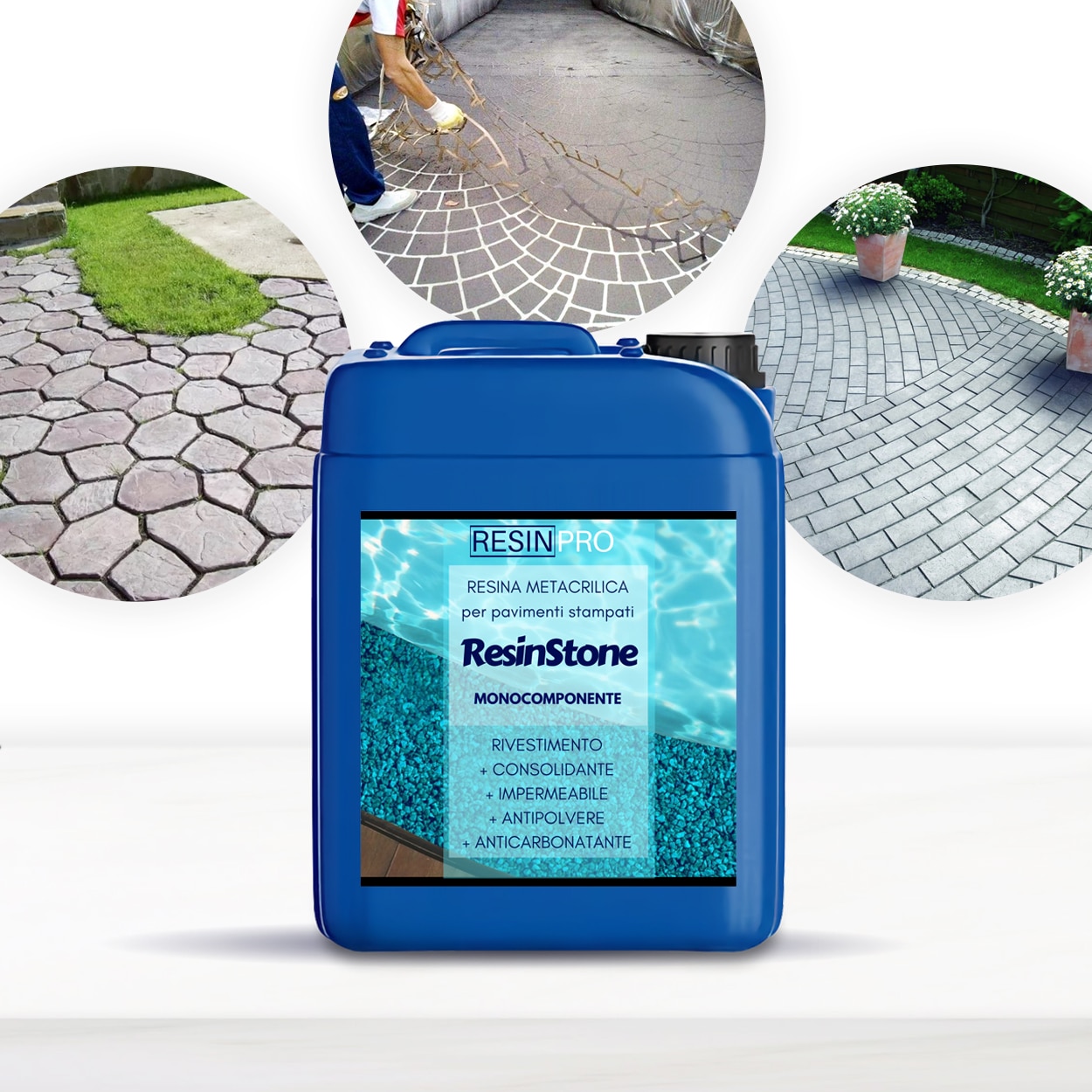
- “Resinstone” – One-Component Methacrylic Resin for Concrete Floors and Driveways – Suitable for sealing and protecting indoor and outdoor concrete floors.
- “Trasparente” – Epoxy Binder for Coloured Pebbles and Grits – Use with coloured pebble or grit surfaces for decorative finishes.
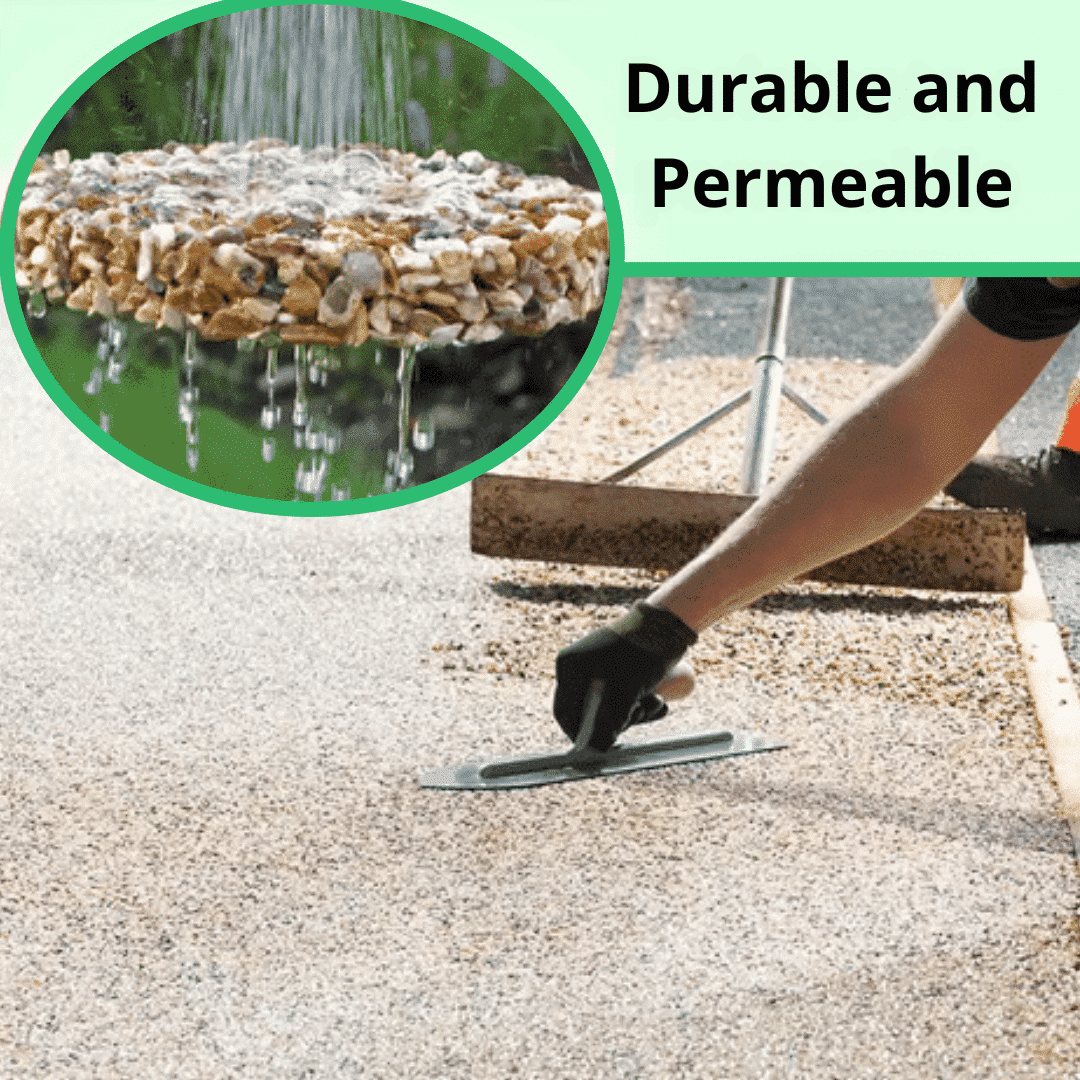
- “Flowstone” – Complete Permeable Floor Kit with Pebbles and Resin – Ideal for creating or renewing permeable, decorative outdoor surfaces.
- Safety gear (gloves, goggles, protective clothing)
- Rollers, brushes, or spatulas for application
- Mixing tools (buckets, mixer or drill attachment)
- Surface repair filler (if required for cracks or holes)

Visualise Your New Resin Floor
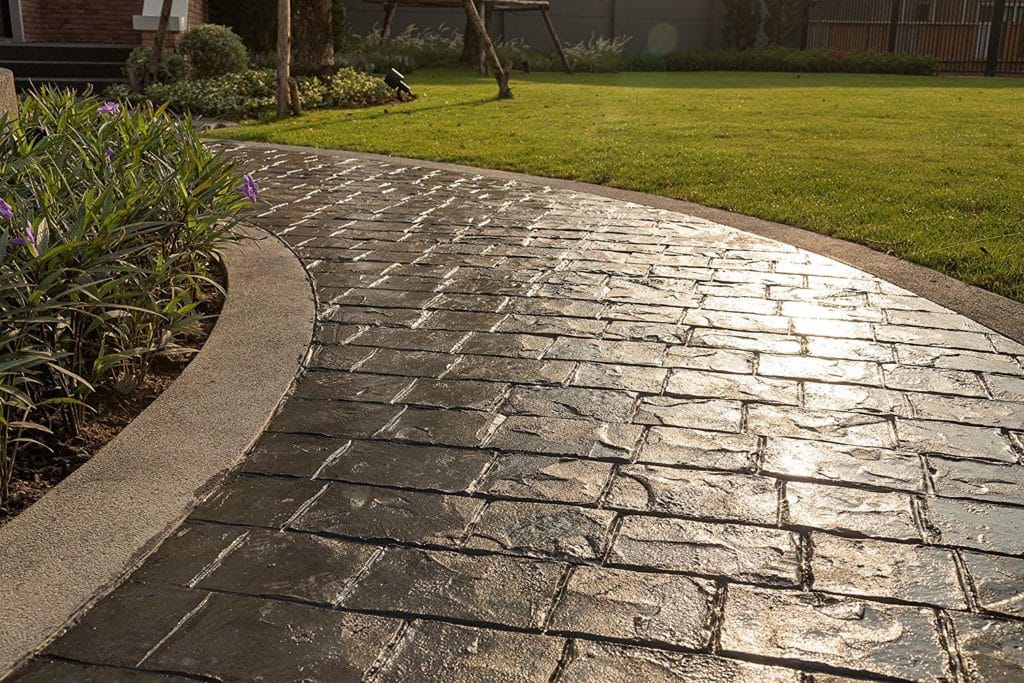
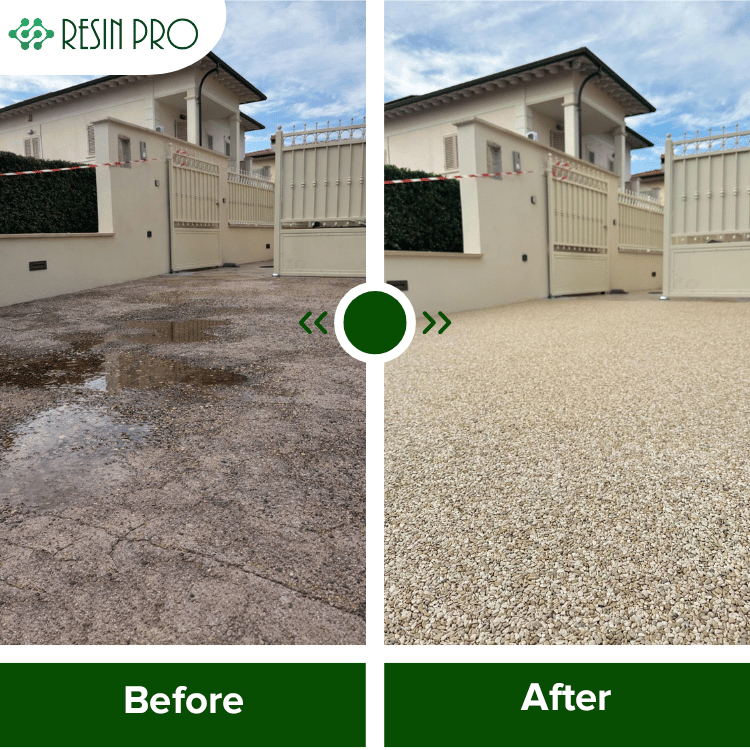
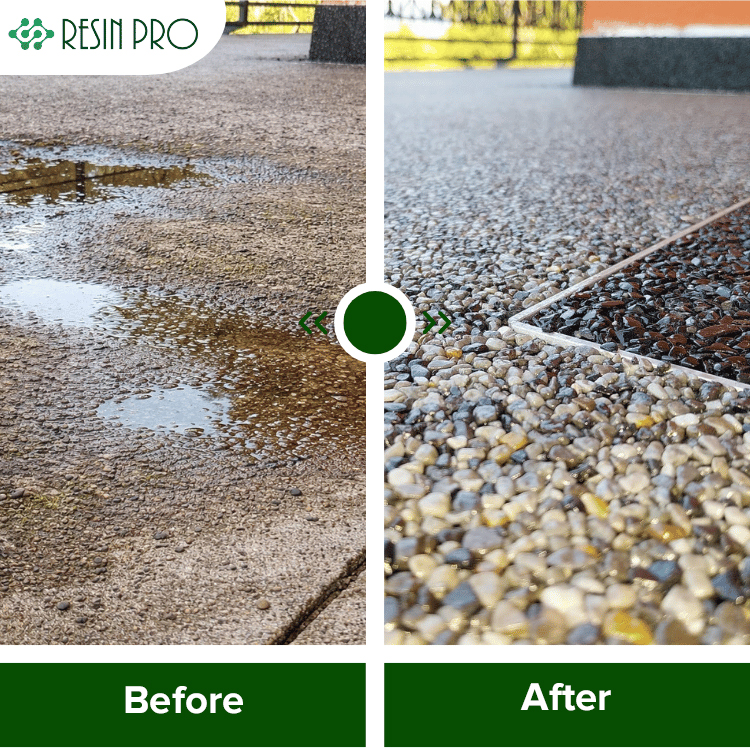
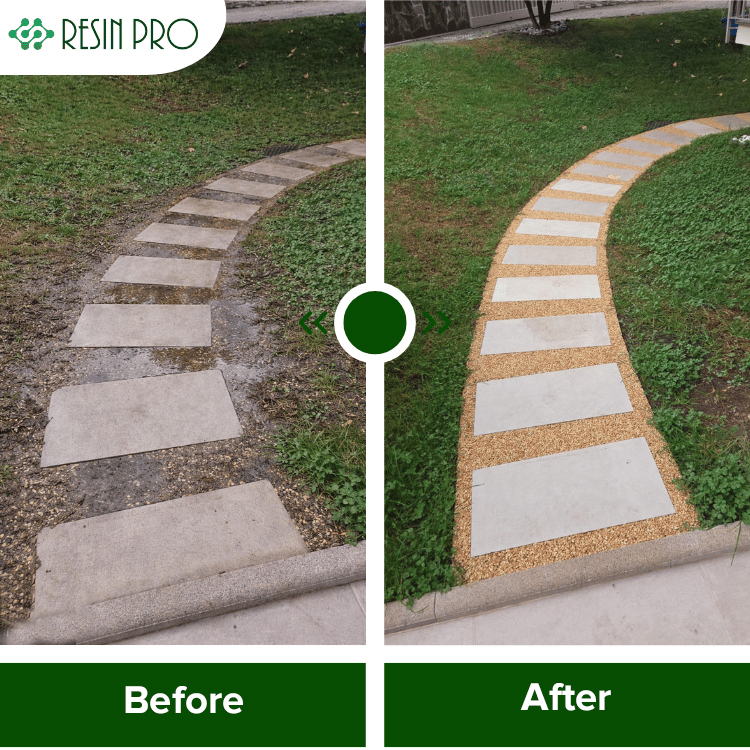
See the transformative effects of resin on a variety of floors—from plain domestic garages to colourful pebble patios. The visual change is immediate and long-lasting, with renewed surfaces that resist wear and weather. Before-and-after examples highlight how clean, contemporary, and durable resin flooring can look in real home settings.
Step 1: Thoroughly Prepare the Surface
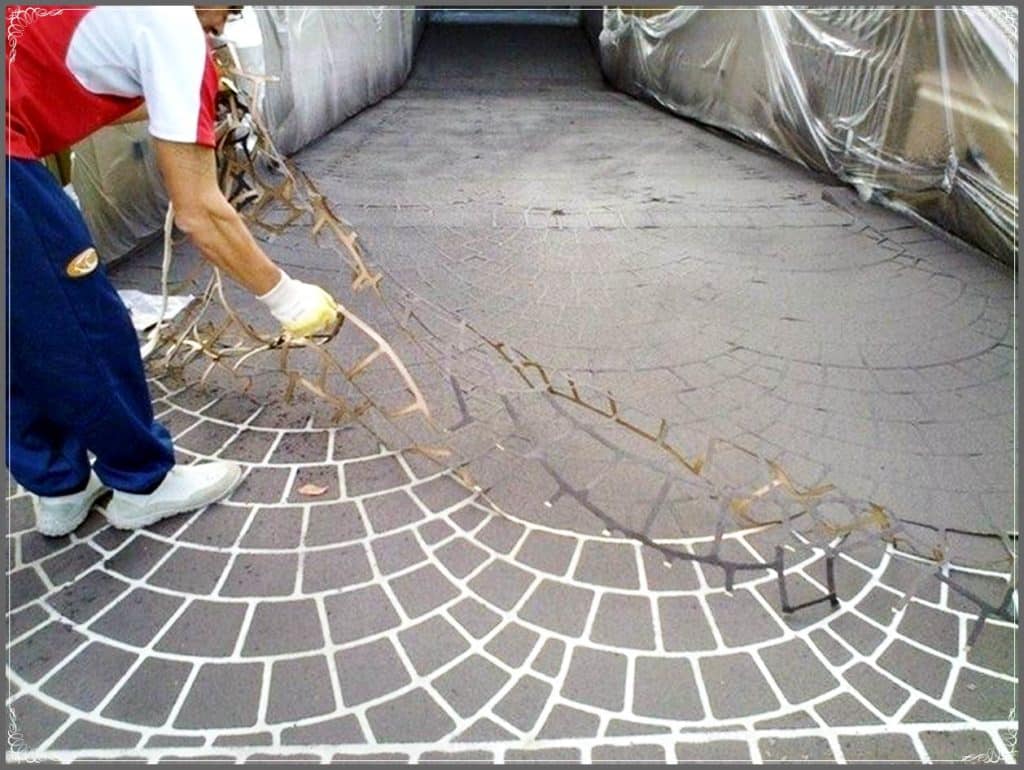
Thorough preparation is vital for a successful resin floor renewal. Begin by removing any dust, oil, grease, or loose materials with a stiff broom and vacuum. If there are cracks, holes, or major imperfections, repair these with a suitable filler and allow them to fully cure. For previously coated floors, sand or mechanically abrade the surface to create a textured profile so the resin can bond effectively.
Ensure the substrate is completely dry, especially for exterior surfaces. Moisture can seriously affect curing and long-term durability.
Step 2: Prime for Adhesion
Priming is essential to maximise the bond between the substrate and your resin system. “Epoxyprimer” – Universal Water-Based Two-Component Epoxy Floor Primer is ideal for concrete, tiles, and timber. Mix and apply as per the product guidelines, using a brush or roller for uniform coverage. Let the primer cure for 24–48 hours depending on site conditions and manufacturer’s advice.
Apply primer only to a clean, dry, and stable substrate to avoid adhesion issues later on. Skipping this step risks patchy or peeling results.
Step 3: Mix and Apply the Resin Layer
It’s time to apply your chosen resin system. For plain concrete surfaces seeking a robust yet breathable protection, a product such as “Resinstone” – One-Component Methacrylic Resin for Concrete Floors and Driveways offers durable sealing and quick drying. For decorative finishes involving pebbles or coloured grits, opt for a transparent binder like “Trasparente” – Epoxy Binder for Coloured Pebbles and Grits.
Correct mixing and timing are essential. Strictly follow the mixing ratios and working times provided by the manufacturer. Spread the resin smoothly with a brush, roller, or spatula. For pebble/grit floors, combine the aggregates and binder thoroughly before spreading.
Step 4: Ensure an Even Application and Curing
Work in manageable sections to maintain a wet edge and avoid overlap marks. For outdoor or driveable areas, consider a permeable system such as “Flowstone” – Complete Permeable Floor Kit with Pebbles and Resin—this not only refreshes the look but also resolves issues of poor drainage and puddling.
Let the resin cure as recommended (often between 12 and 48 hours depending on the product, ambient temperature, and humidity). Only return items or allow traffic once the floor is fully cured.
Tips, Common Mistakes, and Troubleshooting
- Avoid poor adhesion by ensuring the surface is dust-free and dry.
- Always follow recommended cure times before applying subsequent layers or returning items to the floor.
- Do not apply resin in extreme temperatures or high humidity—these conditions can affect curing and the final appearance.
- Ventilate interior spaces during application to reduce odour build-up.
- Protect your work from rain, moisture, and debris until fully cured.
- For large decorative surfaces, mix small batches to prevent premature setting.
Expert Application Showcase
Watch real resin floor installs in progress and admire the craftsmanship behind professional results. Step-by-step application galleries present each phase, from surface priming through to final curing. See how ResinPro products support precise, even coating—whether in residential interiors or outdoor driveways.
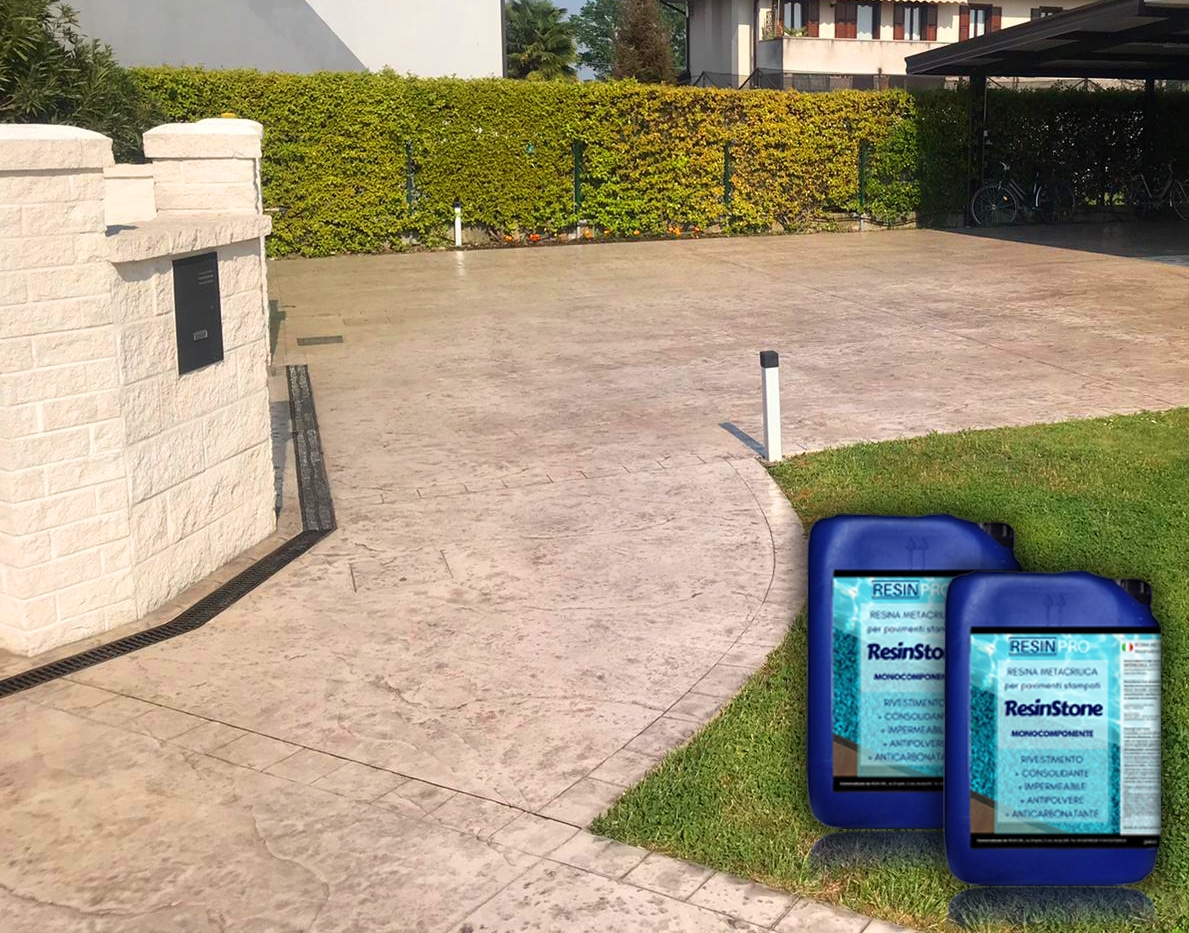
- "Resinstone" – One-Component Methacrylic Resin for Concrete Floors and DrivewaysPrice range: £36.71 through £336.48"Resinstone" is a one-component methacrylic resin designed for sealing and protecting concrete floors with durable, breathable, and quick drying…
- "Flowstone" – Complete Permeable Floor Kit with Pebbles and ResinPrice range: £49.95 through £3,915.45"Flowstone" offers a permeable, durable pebble and resin floor system designed for outdoor paths and patios with easy application and colour options.
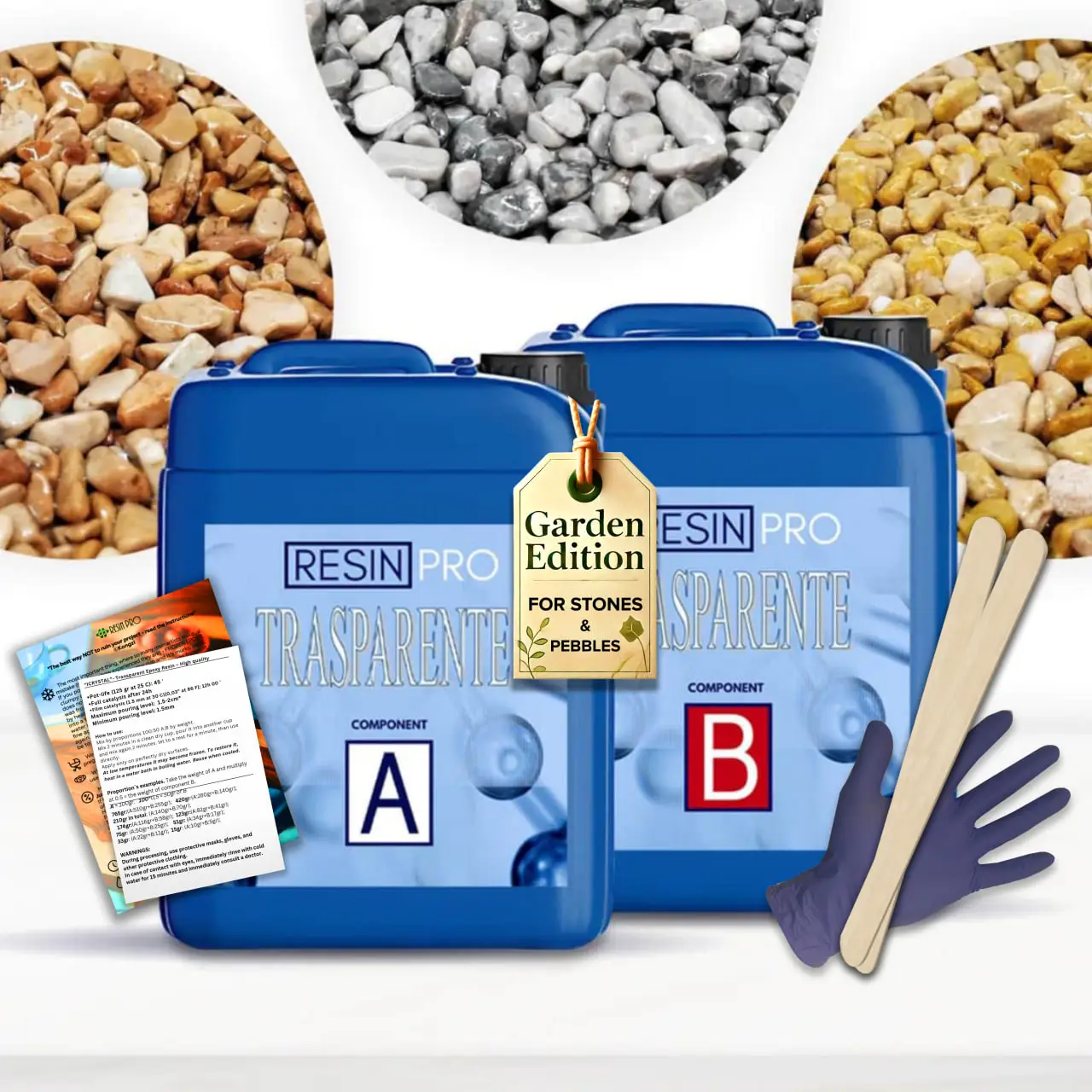 "Trasparente" – Epoxy Binder for Coloured Pebbles and GritsPrice range: £33.45 through £397.95"Trasparente" epoxy binder suited for clear, UV-stable binding of coloured pebbles and grits. Suitable for decorative floors in resin renewal…
 "Epoxyprimer" – Universal Water-Based Two-Component Epoxy Floor PrimerPrice range: £156.45 through £286.45"Epoxyprimer" is a water-based two-component epoxy floor primer suitable for preparing surfaces such as concrete and timber for resin flooring.
Frequently Asked Questions
Can I renew a tiled or wood floor with resin?
Yes, resin systems can be applied to properly prepared tiles or timber surfaces. Always use a compatible primer and follow preparation steps closely.
How long before I can walk on my resin floor?
Most resin floors are walkable within 24–48 hours. Heavier traffic and furnishing should wait until the resin is fully cured as per product instructions.
Does resin flooring work for outdoor spaces?
Yes, specific resin products are designed for outdoor use, providing weather resistance and permeability for driveways, patios, and paths.
How do I maintain a resin renewed floor?
Keep floors free of dirt and debris using gentle sweeping and mopping. Avoid harsh chemicals and use only recommended cleaners.
What if my resin floor has bubbles or marks?
Bubbles are usually due to poor mixing or moisture. Sand and recoat if necessary. Always mix thoroughly and apply to dry surfaces.
Are resin floors slip resistant?
Some resin floor systems allow for anti-slip additives. For outdoor or wet areas, choose a textured finish or add slip-resistant granules.
Can I DIY or should I hire a professional?
DIY is possible with preparation and basic tools, especially for smaller areas. Larger or technically demanding projects may require a professional.