 Free shipping on orders over £29,85
  Shipping Tracking!


 Google
 Facebook
How do you renew the resin grout of floors?
Step-by-step guidance for a long-lasting floor refresh
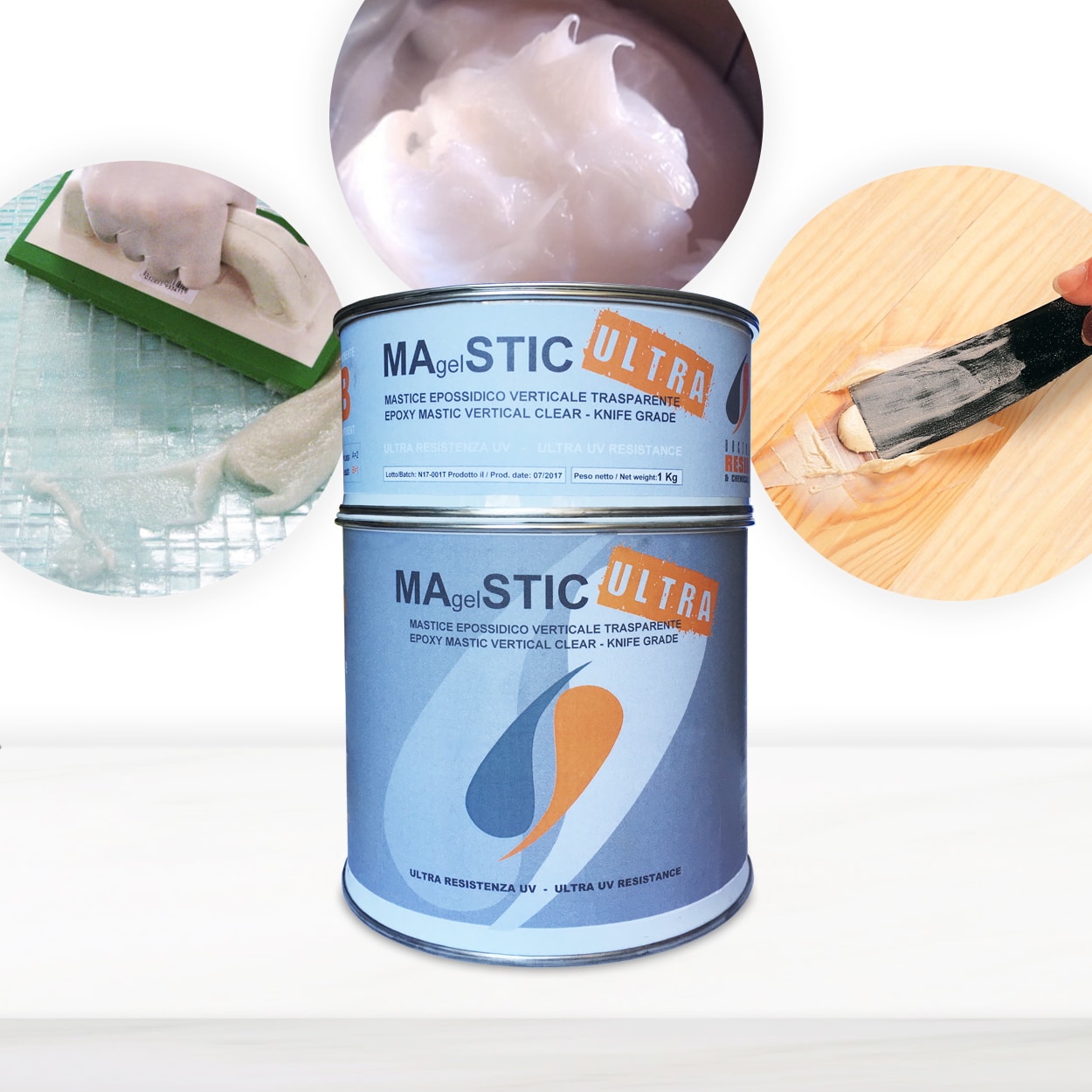
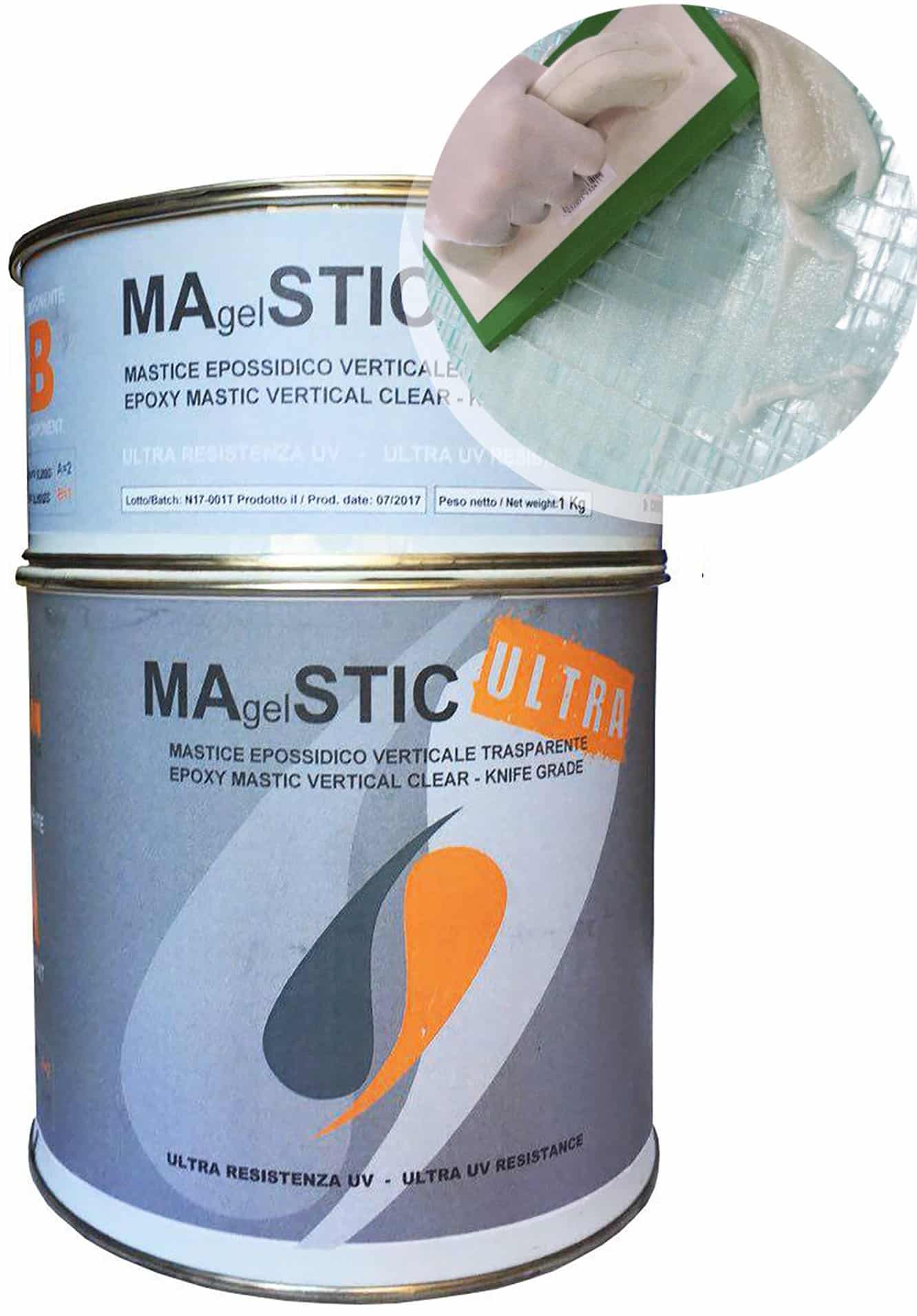
Renewing the resin grout in your floors is a highly effective way to restore both their aesthetic appeal and structural integrity. Over time, grout can become discoloured, loose, or cracked, especially in high-traffic areas or outdoor spaces. This guide walks you through the entire process so you can achieve a durable, clean, and professional result on stone, tiled, or pebble floors.
What You’ll Need
- “Magelstick” – Epoxy Mastic for Stone, Metal, and Cement Bonding and Grouting: A versatile option for filling and repairing joints in stone, tile, or cement floors.
- “Flowstone” – Complete Permeable Floor Kit with Pebbles and Resin: Ideal for outdoor and decorative stone or pebble-based floors where drainage and weather resistance matter.
- “Polirock” – Polyurethane Binder for White Stones, 2kg Two-Component Kit: Recommended for white stone aggregates in outdoor surfaces for clarity and longevity.
- “Trasparente” – Epoxy Binder for Coloured Pebbles and Grits: Perfect for coloured pebble or grit-based flooring to ensure a clear, non-yellowing finish.
- Basic cleaning tools (brush, vacuum, non-residual cleaner)
- Masking tape and safety gloves
- Mixing container and trowel or spatula
Before You Start: Choose the Right Resin System
Not all resin grouts are the same: Be sure to select a product formulated for your particular floor—whether it’s stone, pebbles, or ceramic tile. Always check manufacturer guidance and review product suitability to achieve the best outcome.
Step 1: Remove Old or Damaged Grout
Start by removing any loose, discoloured, or crumbling grout in the joints. Use a grout rake or suitable multi-tool to carefully clear away the old resin from between the tiles or stones. Take care not to damage surrounding surfaces—work patiently and methodically for the cleanest result.
Once the majority of the grout is removed, vacuum up all debris from the joints. For stubborn residues, a stiff brush can help. Ensuring a completely clean and dust-free gap will allow the new resin to adhere securely and perform as intended.
Step 2: Clean and Prepare the Floor Surface
A spotless, dry surface is key to a successful grout renewal. Wash the area using a non-residual cleaner and allow it to dry thoroughly. Moisture or dirt trapped in the joints will undermine the cure and long-term performance of the new resin grout.
Use masking tape to protect adjoining tiles or stones, especially when working with strong adhesives or when a crisp finish is essential.
Step 3: Mix and Apply the Resin Grout
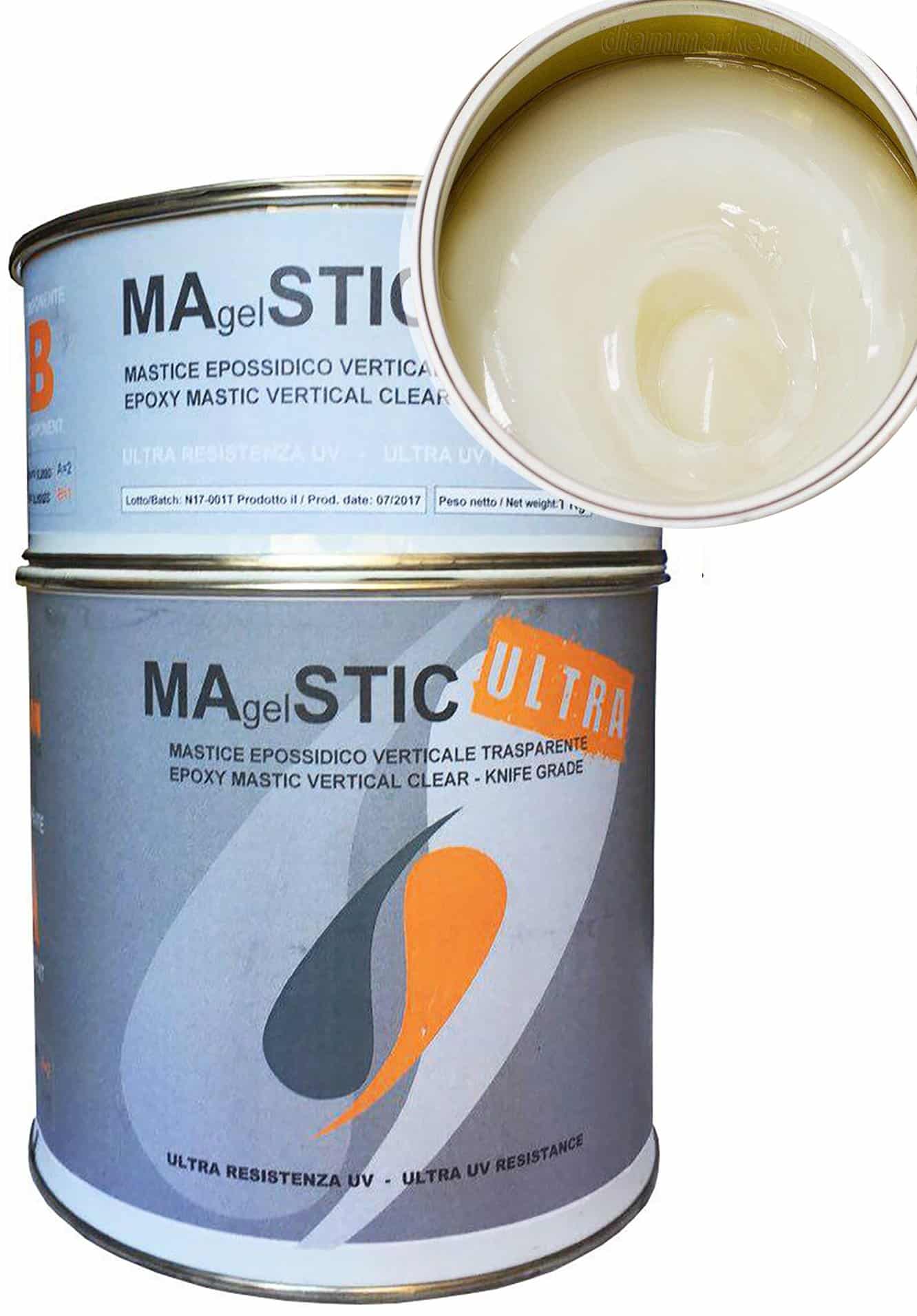
Select the appropriate resin based on your floor’s material. For most interior stone or cement tiles, “Magelstick” – Epoxy Mastic for Stone, Metal, and Cement Bonding and Grouting offers a strong, gap-filling solution suited for both horizontal and vertical applications.
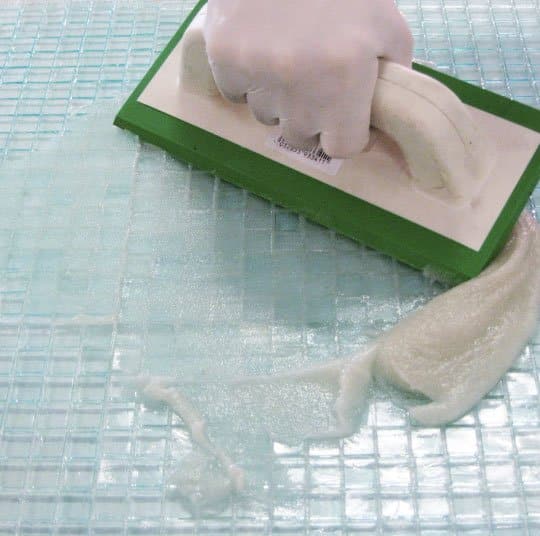
Mix the components according to the manufacturer’s instructions—precision is crucial for optimal curing. Using a trowel or spatula, press the mixed grout firmly into the floor joints, ensuring complete filling with no trapped air. Smooth the surface to match the existing floor finish.
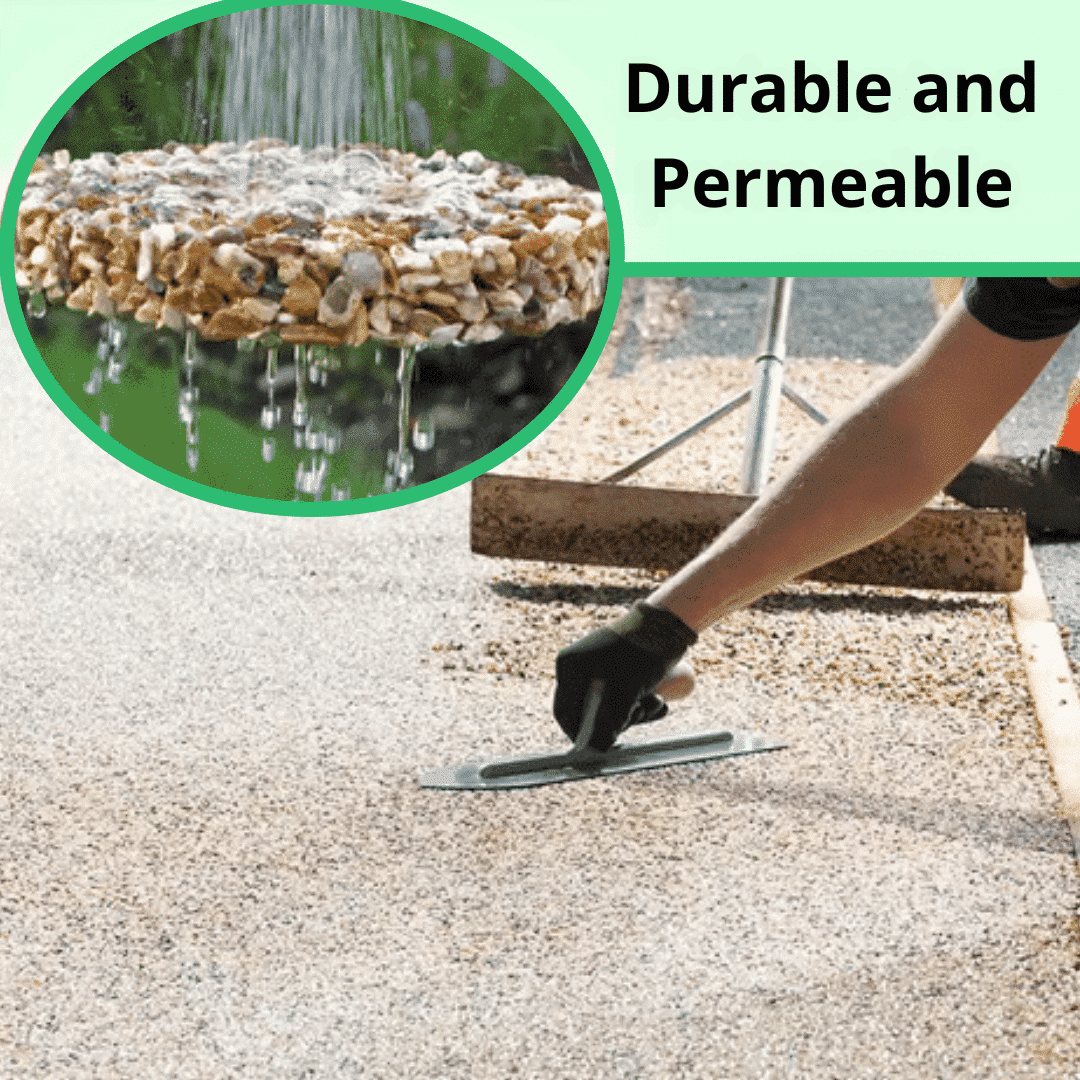
Step 4: Curing and Finishing Touches
Allow the newly applied resin grout to cure undisturbed for the period indicated by the product instructions. Good ventilation supports a consistent cure, and it is especially important to protect the area from water, traffic, and dust during this phase.
After the grout has set, carefully remove masking tape. Check for any imperfections or voids in the joints—these can be topped up with a small batch of resin if required. Once fully hardened, the floor can be cleaned and returned to regular use.
Tips and Common Mistakes to Avoid
- Clean the joints thoroughly before applying new resin grout: Residues and dust will weaken the bond.
- Always check compatibility between resin types and aggregate colour: Some binders are formulated for white or coloured stones specifically.
- Ensure the area is dry and free of dust for optimal adhesion: Moisture can cause bubbling or incomplete curing.
- Avoid working in temperatures below 10°C for proper curing: Most resins require a minimum temperature to set correctly.
- Work in small sections for best control and a tidier finish.
- Wear gloves and ensure proper ventilation whenever handling resin products.
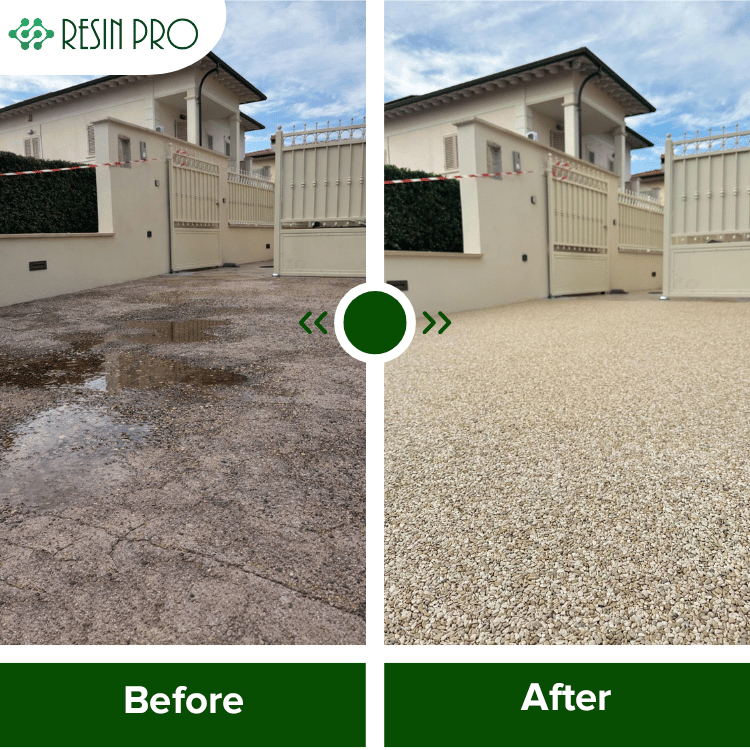
Visual Transformations: Renewed Resin Grout in Action
See the difference: Whether indoors or out, correctly renewed resin grout delivers a seamless finish and performance that can significantly improve both the appearance and functionality of your space.
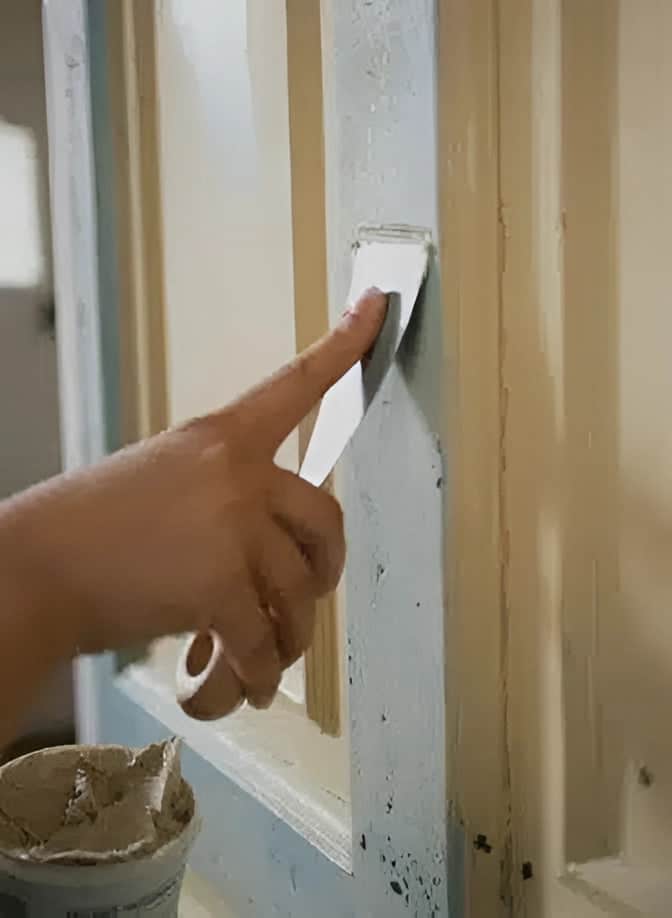
- "Magelstick" – Epoxy Mastic for Stone, Metal, and Cement Bonding and Grouting"Magelstick" Epoxy Mastic is designed for expert bonding and grouting of stone, metal, and cement, suitable for restoration and repair in various…
- "Flowstone" – Complete Permeable Floor Kit with Pebbles and ResinPrice range: £49.95 through £3,915.45"Flowstone" is a durable, permeable pebble and resin kit designed for renewing outdoor floors with solutions suited to UK weather.
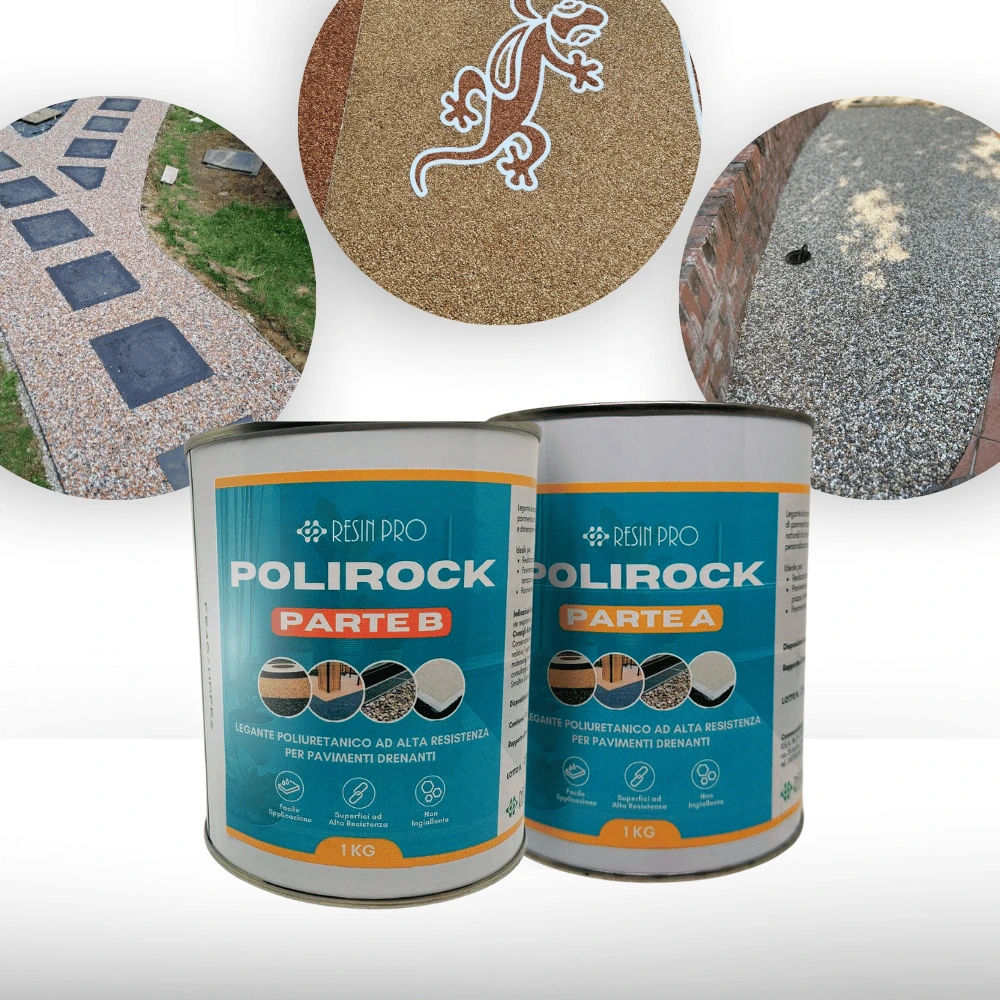 "Polirock" – Polyurethane Binder for White Stones, 2kg Two-Component Kit£61.95Polirock is suitable for creating decorative, permeable outdoor stone surfaces with good adhesion and durability.
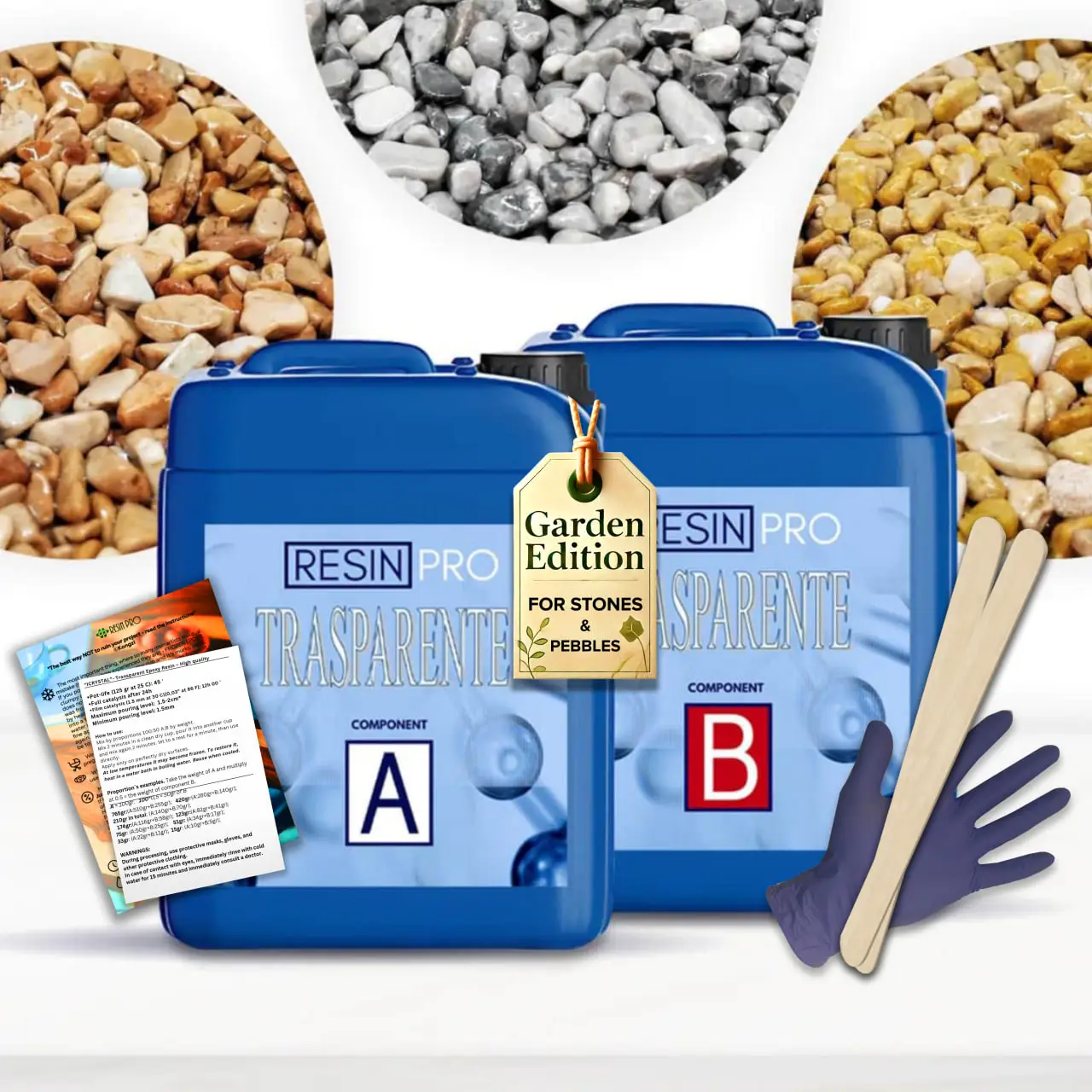 "Trasparente" – Epoxy Binder for Coloured Pebbles and GritsPrice range: £33.45 through £397.95Transparent epoxy binder designed for coloured pebbles and grits, suitable for decorative flooring projects with UV stability and low viscosity.
Frequently Asked Questions
What is the difference between epoxy and polyurethane binders?
Epoxy binders offer strong mechanical strength and low shrinkage, making them suitable for structural repairs. Polyurethane binders provide UV stability and flexibility, ideal for outdoor and white stone applications.
Is resin grout suitable for outdoor floors?
Yes, many resin grouts are weather and UV resistant, making them suitable for exterior surfaces like patios and paths.
How long does resin grout need to cure?
Cure times vary by product, but most resin grouts require 24–48 hours to fully harden under ideal conditions.
What temperature and humidity are best for resin grout application?
Apply resin grout when temperatures are above 10°C and avoid excessive humidity for best adhesion and curing.
What floors can be renewed with resin grout?
Resin grout can be used on natural stone, ceramic or cement-based tiles, and decorative pebble surfaces.
How do I clean up after renewing resin grout?
Remove all residues before the grout hardens using water and a non-residual cleaner. Dispose of unused resin responsibly.