 Free shipping on orders over £29,85
  Shipping Tracking!


 Google
 Facebook
How do you repair a glass object with epoxy resin?
Step-by-step guide for strong, invisible glass repairs


Broken or cracked glass objects can be saved with the right technique. Epoxy resin offers a reliable way to repair glass, delivering a bond that’s both strong and virtually invisible when done properly. This guide walks you through every step to restore your cherished glass items safely, so you can bring them back to life with clarity and confidence.

What You’ll Need
- “Klebfix” – Two-Component Fast Epoxy Glue 2K, 25g Syringe – For fast, strong repairs to glass
- “FixExpress” – Two-Component Epoxy Glue 500g – For larger or multiple repairs needing quick results
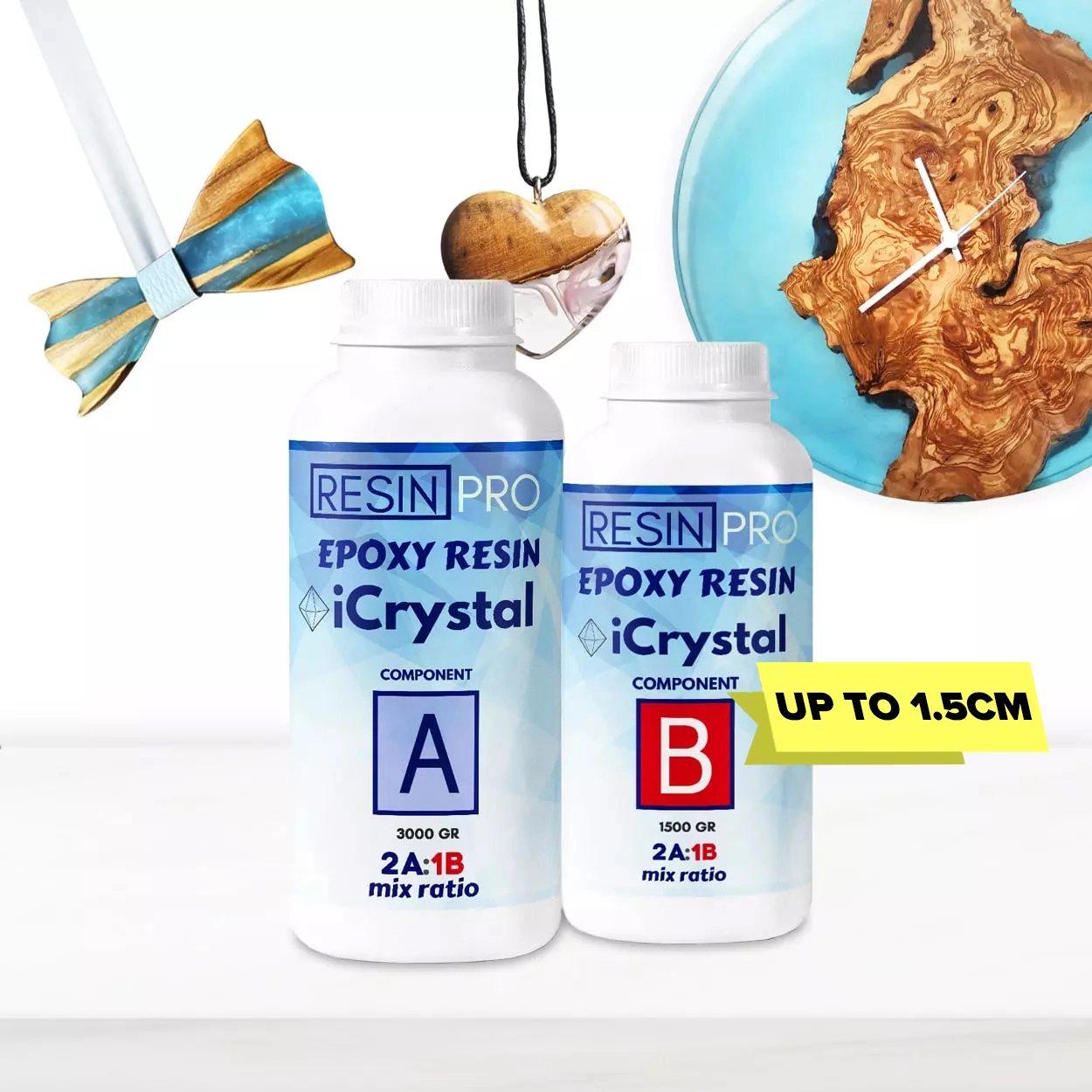
- “Icrystal” – Clear Epoxy Resin – Odourless Formula – Up to 1.5cm – If you need a clear, smooth finish over a larger area
- “One-2-One” – Epoxy Resin for Handcraft, 1:1 Mixing Ratio – Ideal for filling chips or small decorative glass pieces
- Isopropyl alcohol or glass cleaner
- Lint-free cloth or paper towels
- Mixing sticks and disposable mixing tray (if not provided with glue)
- Surgical or disposable gloves
- Masking tape (optional, for alignment)
- Clamps or rubber bands (if needed to hold parts)

See Epoxy Glass Repairs in Action
Gain confidence by watching glass repair demonstrations that showcase the proper use of epoxy resin adhesives. These visuals highlight correct mixing, safe handling, and the impressive clarity achieved with modern repair products, so you know what results to expect.
Step 1: Clean the glass thoroughly
Clean the glass thoroughly before attempting any repair. Residues from dust, grease, or fingerprints can prevent epoxy resin from adhering effectively. Use isopropyl alcohol or a specialist glass cleaner, followed by a lint-free cloth to dry the surfaces. Make sure every fragment or surface that will bond is completely clean and dry.
Take special care with edges and cracks, as debris can hide within tiny crevices. Allow time for all parts to air dry, ensuring no moisture remains before proceeding to the next step.

Step 2: Prepare the epoxy resin
Prepare the epoxy resin according to the manufacturer’s instructions. Most two-component epoxy resins require equal measures of resin and hardener for optimal performance. Mix thoroughly in a disposable tray using a stick, ensuring the solution turns uniform and free of streaks.
If using a specially formulated glass adhesive such as “Klebfix” – Two-Component Fast Epoxy Glue 2K, 25g Syringe, the syringe system allows for direct and easy 1:1 dosing. This ensures precision and avoids waste.
Only mix as much as you can use within the working time (usually 2-5 minutes), as epoxy can begin curing rapidly once components are combined.
Step 3: Apply the epoxy
Apply the epoxy to one side of the break or crack. Spread it thinly and evenly, avoiding excessive application which could create visible lines or oozing. Bring the glass pieces together carefully, adjusting alignment as needed. Masking tape can help hold parts steady while the epoxy sets.
For larger or multiple repairs, “FixExpress” – Two-Component Epoxy Glue 500g offers generous working volume and fast setting for prompt, strong bonds. For chips or small filling, “Icrystal” – Clear Epoxy Resin or “One-2-One” – Epoxy Resin for Handcraft can be used to restore transparency and fill shallow damage.
Keep the repaired object clamped or undisturbed for the full curing time recommended by the product. Avoid moving or applying pressure, as even minor shifts can weaken the bond.


Step 4: Finishing and curing
Once the epoxy has visibly set, wait for the full cure as specified in the product guide, usually several hours to overnight. Only handle the repaired object once cured thoroughly to ensure maximum strength.
If there are small excesses of cured epoxy, these can be carefully trimmed or sanded with fine grit, taking care not to scratch the surrounding glass. Transparent epoxy products like “Icrystal” are especially suited for minimal visual impact on clear glass.
Tips and Common Mistakes
Always measure and mix your epoxy carefully—uneven ratios can result in soft or brittle cures. Cleanliness is crucial: even small residues can compromise adhesion or leave opaque spots. Work quickly but neatly, as most fast-cure formulas give only a few minutes of working time. For best results, perform repairs at room temperature (18–24°C) and avoid humid environments.
If the broken object holds liquids or bears weight, ensure a complete seal and adequate overlapping for optimal strength. Replacing glass may be preferable if the damage is extensive or structural safety is a concern.

Gallery of Restored Glass Objects
Explore before-and-after images of repaired glassware—vases, wine glasses, ornaments, and more. Notice the seamless joins and restored clarity made possible with the right epoxy resin techniques, as well as creative solutions to challenging breaks.

- "Klebfix" – Two-Component Fast Epoxy Glue 2K, 25g Syringe£24.00"Klebfix" is a two-component fast epoxy glue designed for strong bonding of glass and other materials. It suits demanding repairs requiring a clean,…
- "FixExpress" – Two-Component Epoxy Glue 500g£26.95"FixExpress" is a two-component epoxy glue suitable for rapid repairs and strong bonds on diverse materials including glass.
- "Icrystal" – Clear Epoxy Resin – Odourless Formula – Up to 1.5cmPrice range: £12.45 through £341.45"Icrystal" is a clear epoxy resin known for its transparency and scratch resistance, commonly used for coatings and artistic projects.
 "One-2-One" – Epoxy Resin for Handcraft, 1:1 Mixing RatioPrice range: £15.95 through £59.95This medium viscosity epoxy resin features a simple 1:1 mixing ratio and is suitable for handcraft and decorative projects.
Frequently Asked Questions
Can you repair cracked glass with epoxy resin?
Yes, epoxy resin can bond cracked glass, producing a transparent and strong repair if performed carefully.
How long does epoxy take to set on glass?
Most two-component epoxies set within 5 minutes, though full curing may require several hours or overnight.
Is epoxy repair on glass waterproof?
Once fully cured, epoxy resin repairs on glass are waterproof and suitable for most indoor and outdoor use.
Can epoxy be used on all types of glass?
Epoxy adheres well to most glass, but tempered or heat-treated glass may require special consideration.
Does epoxy resin dry clear on glass repairs?
Quality clear epoxy resin cures with excellent transparency, making repaired glass nearly invisible.
What if the glass will hold liquid again?
Ensure the repaired join is fully sealed and use a waterproof epoxy resin for best performance.
Can you sand off excess epoxy from glass?
Yes, carefully sand cured excess epoxy with fine-grit paper, but avoid scratching the glass surface.