 Free shipping on orders over £29,85
  Shipping Tracking!


 Google
 Facebook
How do you resin a floor?
Step-by-step guide for durable, professional-quality resin flooring
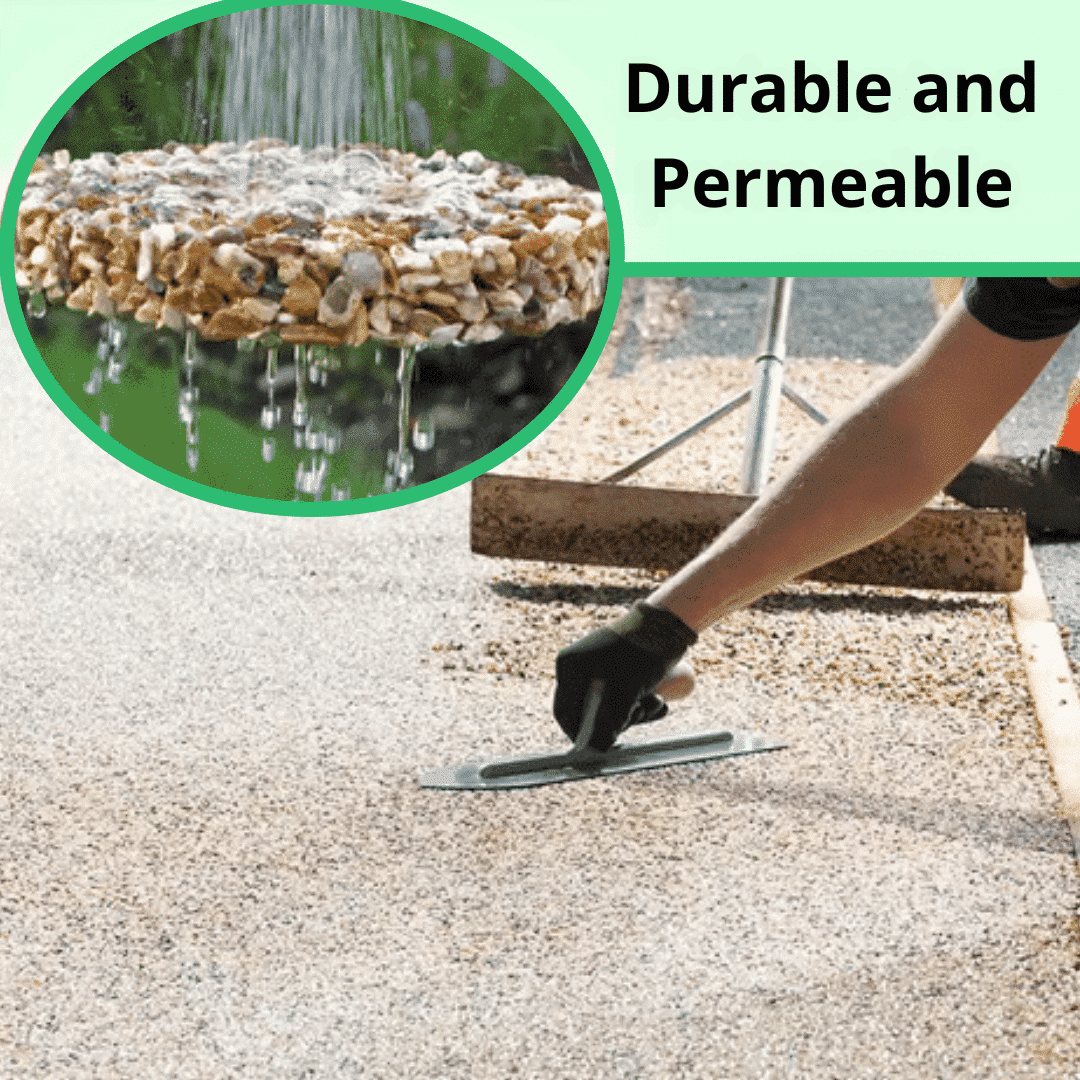
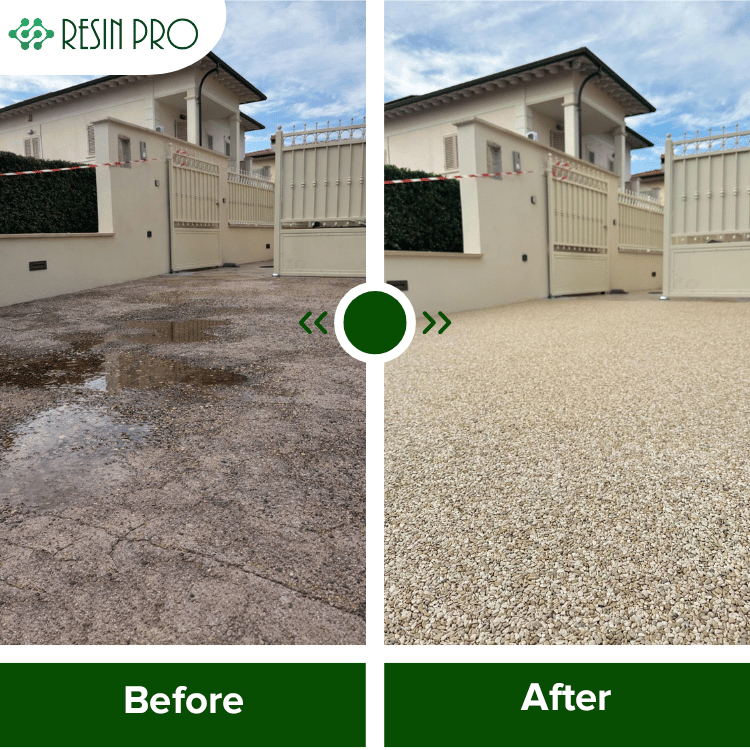
If you are aiming for a hard-wearing, attractive, and easy-to-clean surface on concrete, tiles, or even outdoor pathways, applying resin is an excellent solution. This guide walks you through every stage, from surface preparation to achieving a durable, professional finish—whether for garages, patios, footpaths, or decorative indoor spaces. Read on for practical insights and what to avoid, ensuring your resin flooring delivers long-term satisfaction.
What You’ll Need
- “Flowstone” – Complete Permeable Floor Kit with Pebbles and Resin: For outdoor, draining pebble finishes on footpaths, patios, and driveways.
- “Epoxyprimer” – Universal Water-Based Two-Component Epoxy Floor Primer: Ideal primer for concrete, screed, tile, and timber floors.
- “Resinstone” – One-Component Methacrylic Resin for Concrete Floors and Driveways: Best for sealing and protecting concrete floor areas.
- “Trasparente” – Epoxy Binder for Coloured Pebbles and Grits: For decorative and coloured grits or pebble flooring.
- Protective gloves, safety glasses, and old clothing
- Quality roller, brushes, mixing paddle, and mixing containers
- Masonry tape, trowels, and dustpans as needed
Preparing Your Resin Flooring Workspace
Set up your work area in advance to avoid contamination during application. Cover nearby surfaces, assemble all necessary tools, and ensure good ventilation—especially for indoor projects. Laying out your materials will streamline each step and limit interruptions for a smoother application.
Step 1: Prepare the Floor Surface Thoroughly
Start by removing all dust, dirt, oil, and any previous coatings from the floor. Scrape away residues with a stiff brush, and wash the area to eliminate contamination. Allow it to dry completely, as residual moisture can affect both adhesion and curing of the resin. Fill holes and repair cracks with a suitable filler or patch, smoothing these for a uniform, level surface. For best adhesion, concrete floors may require light sanding or shot blasting.
Thoroughly clean and repair the floor surface before you move on. This foundation will ensure the resin bonds strongly and provides even coverage, especially on outdoor applications where weather resistance is crucial.


Step 2: Prime the Substrate for Adhesion
Priming is essential to strengthen the bond between your existing floor and the resin coating. For most surfaces—including concrete, screed, ceramic tiles, and timber—a high-quality water-based epoxy primer is ideal. Apply an even coat using a roller or brush, working systematically to ensure complete and uniform coverage.
Allow the primer to cure for at least 24 hours, or as directed on the product instructions. This step locks down dust and creates a receptive base for the subsequent resin layer. “Epoxyprimer” – Universal Water-Based Two-Component Epoxy Floor Primer is a practical choice for nearly all common substrates.
Ensure the primer is applied evenly and allowed to cure fully. Skipping this stage or rushing curing time can result in future delamination or uneven coating.
Step 3: Mix and Apply the Resin System
Choosing the appropriate resin system depends on your intended finish. For permeable outdoor floors, mix aggregate (such as pebbles or coloured grits) thoroughly with the recommended type of resin in a clean container. Always follow the specified mixing ratios and stir patiently to achieve a consistent blend, which prevents streaks and bubbles. When ready, spread the mixture evenly over your primed floor using a trowel. Press and smooth to the desired depth and pattern.
For decorative or protective top coats on concrete, use a methacrylic resin formulated for capillary penetration—such as “Resinstone” – One-Component Methacrylic Resin for Concrete Floors and Driveways. Work in well-ventilated conditions and follow drying times closely.
Mix resin and aggregate carefully to prevent bubbles, and always pour promptly after preparation for best results.

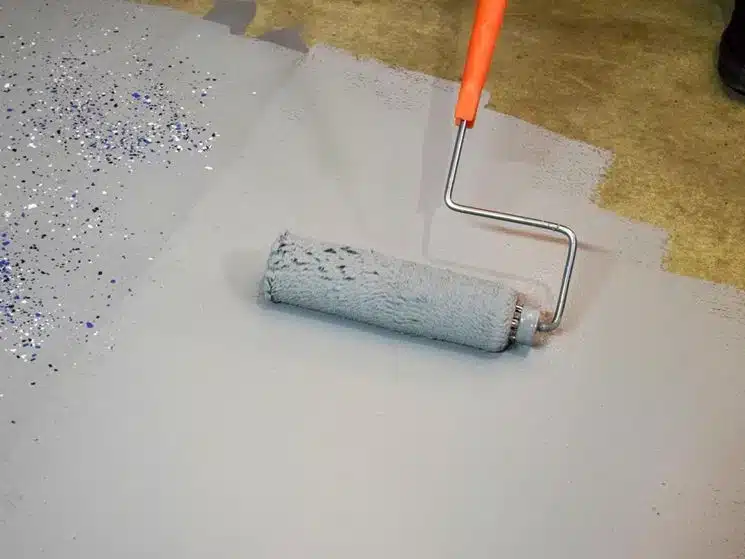
Step 4: Finish, Cure, and Protect for Long-Term Success
Once the resin or resin-aggregate mixture has been spread, use a steel or plastic trowel to smooth the surface and achieve an even profile. Pay particular attention to the edges and joins for a seamless look. If you are applying a transparent topcoat for extra protection or visual clarity—as with “Trasparente” – Epoxy Binder for Coloured Pebbles and Grits—allow the base to set partially before overlaying.
Shield the area from dust, rain, and temperature extremes during the full curing period (typically 24–48 hours, depending on product and weather). Only open to light foot traffic or use when the coating is fully hardened. Avoid application during high humidity or temperature extremes to maintain finish quality and prevent issues during curing.
Tips, Pitfalls, and Aftercare for Resin Flooring
The success of a resin floor often comes down to preparation and environmental control. Use the correct resin type for your chosen aggregate—for example, use non-yellowing polyurethane for white stones and a low-yellowing epoxy for most coloured options. Carefully measure and mix components to manufacturer guidance, and protect your work site from contaminants during curing.
Allow full curing before putting the floor into heavy use, and clean regularly with gentle detergents to preserve the finish. Spot-repair minor wear promptly to maintain a seamless, protective surface year-round.
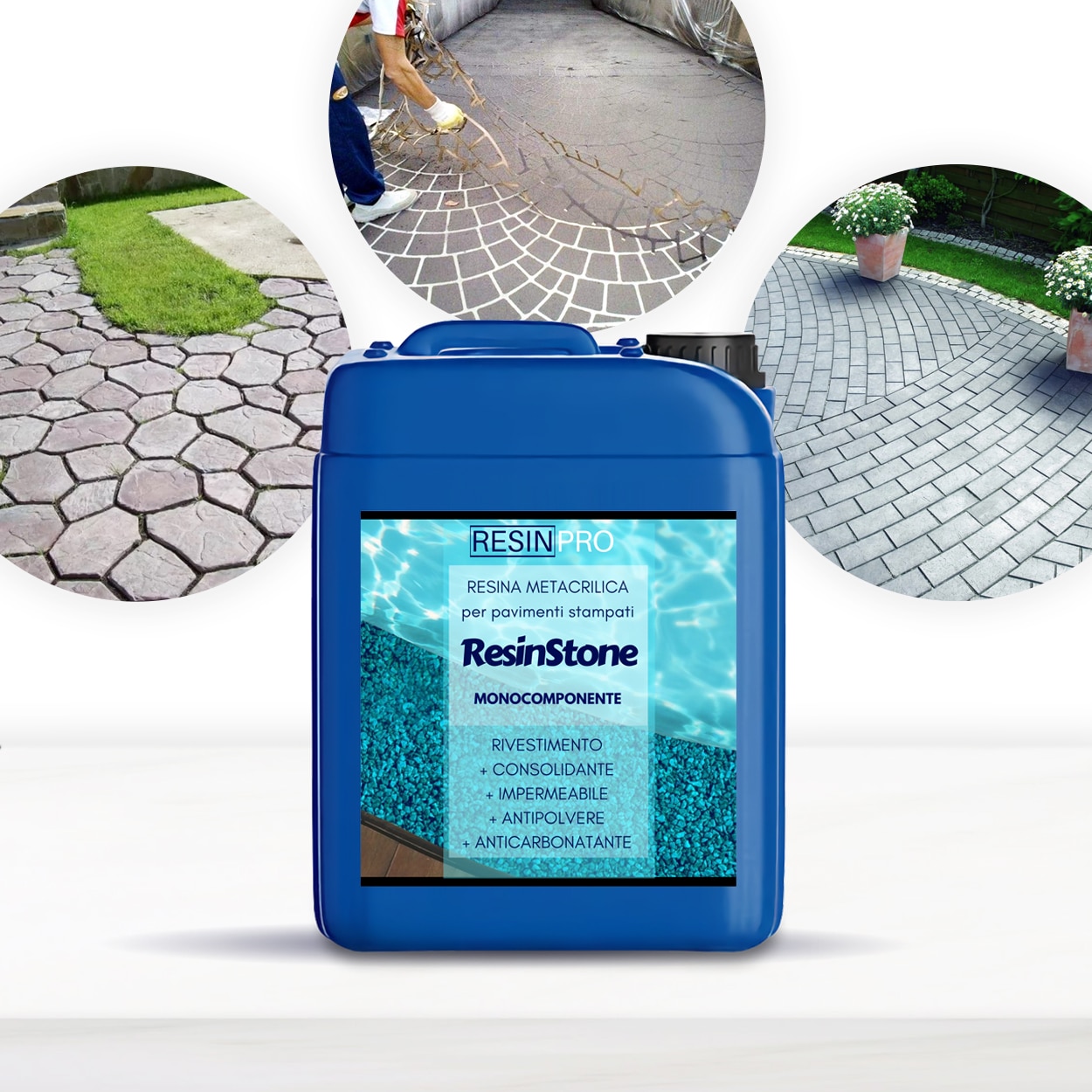
Visual Inspiration: Resin Floors in Real Settings
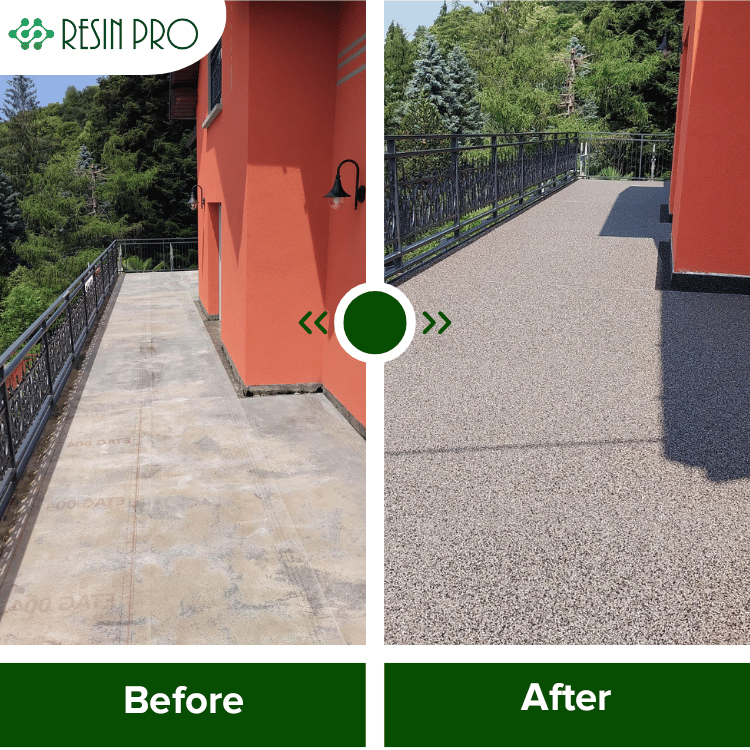
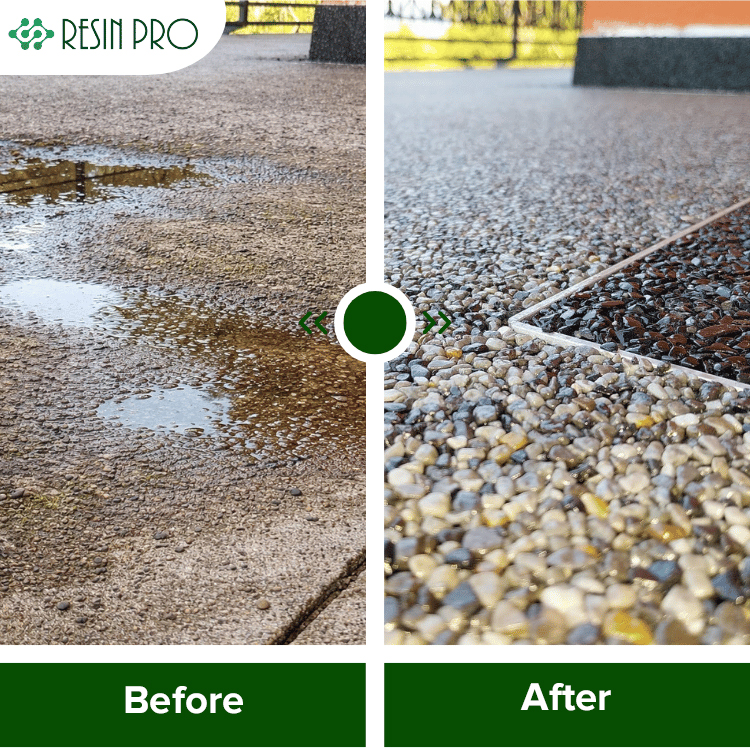
See how expertly applied resin flooring transforms patios, driveways, garages, and interior spaces with sleek, durable finishes. Notice the seamless blending, vibrant colours, and the absence of puddles in permeable designs—ideal inspiration for planning your own project.
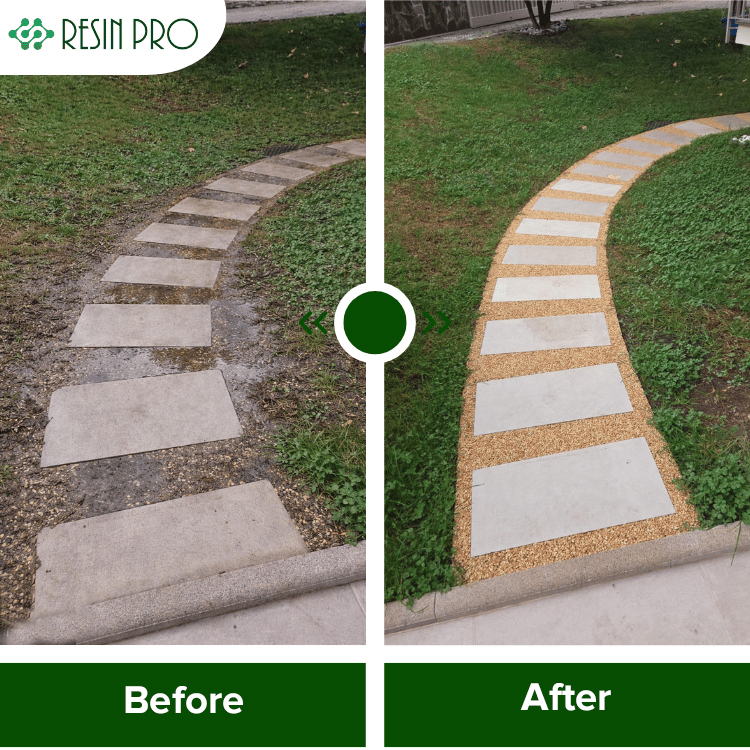
- "Flowstone" – Complete Permeable Floor Kit with Pebbles and ResinPrice range: £49.95 through £3,915.45"Flowstone" kit provides a durable, draining pebble and resin floor system for outdoor spaces in the UK, with guidance for appropriate resin use.
- "Epoxyprimer" – Universal Water-Based Two-Component Epoxy Floor PrimerPrice range: £156.45 through £286.45Epoxyprimer is a water-based two-component floor primer designed for reliable adhesion and durability in resin flooring applications.
- "Resinstone" – One-Component Methacrylic Resin for Concrete Floors and DrivewaysPrice range: £36.71 through £336.48"Resinstone" is a one-component methacrylic resin designed for sealing and protecting concrete floors and driveways with durable and breathable…
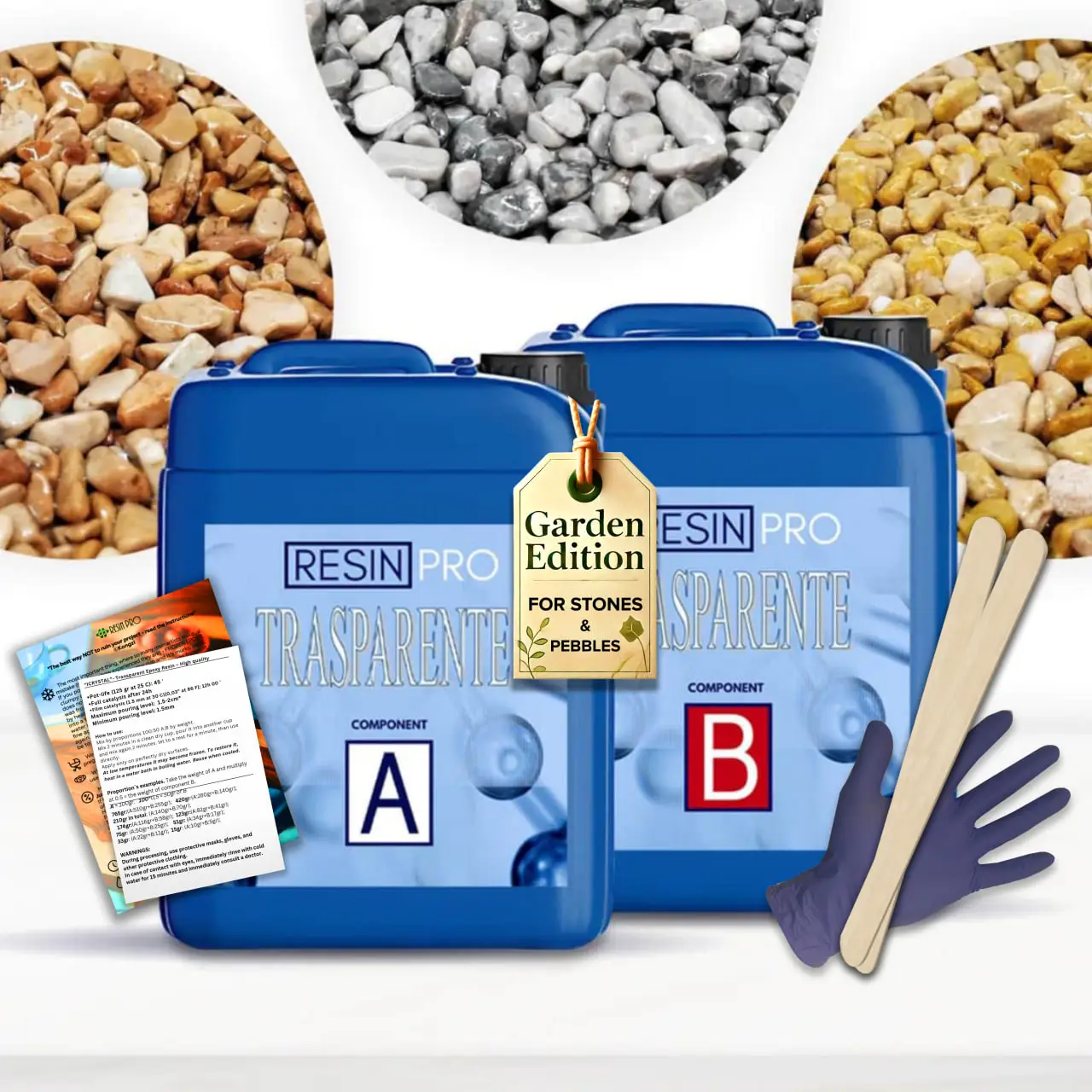 "Trasparente" – Epoxy Binder for Coloured Pebbles and GritsPrice range: £33.45 through £397.95This transparent epoxy binder is designed for coloured pebbles and grits to produce durable, clear flooring with good UV stability.
Frequently Asked Questions
Do I need to prime before applying resin flooring?
Yes, priming ensures the resin adheres properly and prevents issues like peeling or delamination, especially on porous or variable surfaces.
Can resin floors be used outdoors?
Absolutely. With the right formulation and aggregate, resin floors are weather-resistant, durable, and suitable for driveways, paths, and patios.
How long does resin flooring take to cure?
Most resin flooring needs at least 24–48 hours for full cure. Factors like temperature and humidity can affect this—always check the product guidance.
What if my surface has cracks or holes?
Fill and repair all cracks or holes before starting. A smooth, intact base helps the resin bond and extends the life of your finished floor.
Which resin should I use for white vs coloured aggregates?
Use non-yellowing polyurethane for white stones and low-yellowing epoxy for coloured aggregates, ensuring colour integrity and a lasting finish.
Can I DIY a resin floor or should I hire a pro?
Many resin floors are approachable for DIYers, especially with complete kits. For larger surfaces or complex jobs, experienced help may be beneficial.