 Free shipping on orders over £29,85
  Shipping Tracking!


 Google
 Facebook
How do you spread resin on concrete with a roller?
Your step-by-step guide to even, professional resin floors


Achieving a smooth, uniform resin finish on concrete is straightforward with the right materials and method. This guide details every step of spreading resin on concrete using a roller, ensuring your flooring or resurfacing project yields professional and lasting results. Whether updating a garage, patio, or workshop floor, this process helps you create a resilient surface with perfect clarity and adherence.

What You’ll Need
- Resin & Paint Application Rollers – Short-Pile, Large, and Sponge Types: For precise, even distribution of resin
- “Epoxyprimer” – Universal Water-Based Two-Component Epoxy Floor Primer: To maximise resin bonding and seal porous concrete
- Epoxy or polyurethane resin suited to your application
- Mixing tools, buckets, and protective gloves
- Masking tape and plastic sheeting to protect trims and edges

Essential Tools for Rolling Resin on Concrete
Using the right rollers and primers is vital for even, flawless resin application. Choose rollers made for resins to minimise bubbles and achieve the smoothest results. Pair them with a reliable floor primer to ensure maximum bonding and a professional finish.
Step 1: Clean and prepare your concrete surface
Start by thoroughly cleaning the concrete to remove dust, grease, oil stains, and debris. An unclean surface will impede resin adhesion and cause defects. Sweep and vacuum, then remove any persistent contaminants with a degreaser or a mild detergent solution. Let the floor dry completely before moving on. Repair cracks or chips using appropriate fillers, ensuring the surface is dry, flat, and sound for the next stage.
Step 2: Prime the concrete
Priming is crucial, particularly for porous or new concrete. Apply a thin, even layer of primer—such as the “Epoxyprimer” – Universal Water-Based Two-Component Epoxy Floor Primer—across the surface. Use a roller for broad areas and a brush for detailed edges. This seals the pores, increases adhesion, and helps stop bubbles from forming in the finished resin layer. Allow the primer to cure fully, following the manufacturer’s recommended drying time.
Step 3: Mix and pour your resin correctly
Once the primer is dry, carefully prepare your chosen resin according to its specific ratios and instructions. Stir thoroughly in a clean bucket, ensuring both parts are fully blended. Pour the resin in manageable sections to avoid premature setting. Take care to protect surrounding areas using masking tape or sheeting, as resin can be difficult to clean once cured.
Step 4: Spread resin evenly with the roller
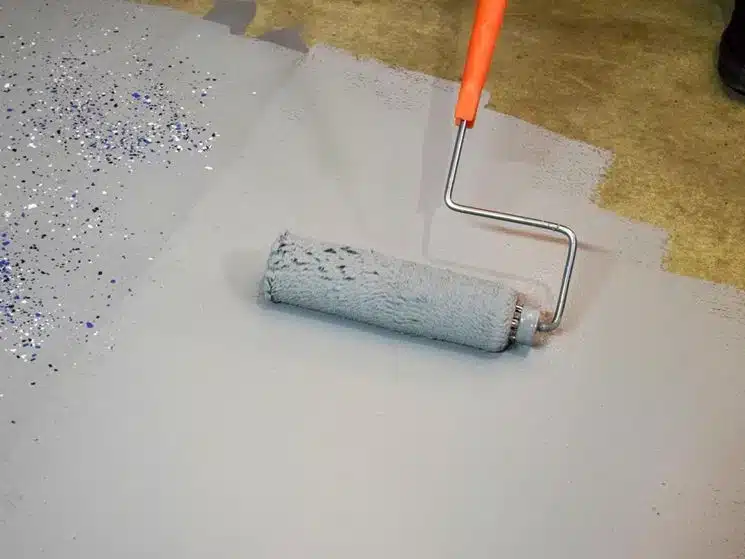
Choose a suitable roller for your surface—short-pile for detailed sections or a large roller for rapid coverage. Pour or distribute resin onto the concrete, then roll it smoothly and consistently in one direction, overlapping each pass slightly. Resin & Paint Application Rollers – Short-Pile, Large, and Sponge Types are designed for this task, reducing marks and helping achieve a bubble-free, level finish. Work methodically and do not overload the roller to avoid uneven spots or streaks.
Step 5: Allow for proper curing time
After rolling, allow the resin to self-level and settle for the recommended curing time before walking or placing objects on the surface. Adequate ventilation and the right ambient temperature will support the resin setting evenly and strongly. Avoid disturbing or covering the floor during this phase to prevent marks or imperfections.
Common mistakes when rolling resin
Skipping primer application can lead to peeling or poor adhesion. Always use a recommended primer when working on concrete. Overloading the roller may cause puddles or drips—apply resin in thin, controlled layers. Watch for bubbles; rolling too quickly can trap air, so use steady, moderate strokes. If bubbles appear, gently pass the roller back over the spot or use a spike roller if suitable for your resin type. Finally, inadequate curing time risks damaging your hard work, so resist the urge to step on the surface prematurely.
Expert Advice for a Flawless Resin Finish
Work in small sections to maintain a wet edge and avoid lap marks. Always check the surface for contaminants and maintain room temperature to help the resin cure evenly. Proper planning and patience are key to professional, resilient results.

- Resin & Paint Application Rollers – Short-Pile, Large, and Sponge TypesPrice range: £3.62 through £5.09Rollers designed for epoxy resin application provide precision and uniform coverage on resin surfaces for hobbyists and professionals.
- "Epoxyprimer" – Universal Water-Based Two-Component Epoxy Floor PrimerPrice range: £156.45 through £286.45Epoxyprimer is a water-based floor primer designed for reliable adhesion on concrete and other surfaces, suited to roller application.
- "Flowstone" – Complete Permeable Floor Kit with Pebbles and ResinPrice range: £49.95 through £3,915.45The Flowstone kit offers a durable, permeable pebble and resin solution for driveways and patios, with guidance for resin use to maintain colour.
 "Trasparente" – Epoxy Binder for Coloured Pebbles and GritsPrice range: £33.45 through £397.95"Trasparente" is a transparent epoxy binder designed for coloured pebbles and grits, offering clear, UV-resistant finishes suitable for paths and…
Frequently Asked Questions
What roller works best for resin application on concrete?
Short-pile or specialised resin rollers give even coverage, reducing the risk of bubbles and marks.
Do I need to prime concrete before rolling resin?
Yes, priming seals the surface and ensures strong adhesion, so a primer is always recommended.
How long does resin take to cure after rolling?
Most floor resins need 24–48 hours to cure fully, but always follow the product’s specific instructions.
Can I roll a second layer of resin for extra thickness?
Yes, allow the first layer to cure fully before gently sanding and applying a second coat if needed.
How do I avoid bubbles when using a roller for resin?
Use slow, even motions and avoid overworking the resin. Specialised resin rollers help reduce bubbles.
What causes roller marks in a resin floor?
Using an overloaded roller or applying uneven pressure can create marks. Apply thin, even layers for best results.