 Free shipping on orders over £29,85
  Shipping Tracking!


 Google
 Facebook
How do you thin epoxy paint?
Thinning epoxy paint can be essential for achieving the right consistency, especially when you need improved flow, coverage, or when using certain application methods. Whether you’re a professional tackling a large floor or a DIY enthusiast aiming for a professional-looking finish, understanding how to properly thin epoxy paint ensures better adhesion and a smoother final result—without compromising the product’s integrity.
Master techniques for thinning epoxy paint for smoother finishes


What You’ll Need
- “Epoxyprimer” – Universal Water-Based Two-Component Epoxy Floor Primer: A reliable primer for preparing surfaces before painting, ensuring excellent adhesion of the epoxy paint to substrates such as concrete, timber, screeds, and ceramic tiles.
- Appropriate solvent (if manufacturer recommends—always check product datasheets)
- Clean mixing container and stir stick
- Protective gloves, goggles, and mask (safety first)
- Roller, brush, or spray equipment (depending on application method)
- Measuring cup or scale for accuracy
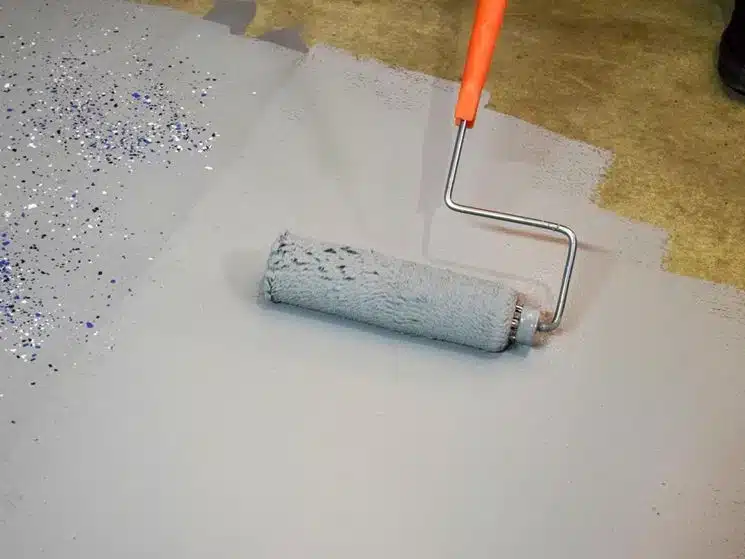
Essential Tools and Setup for Thinning Epoxy Paint
Set up your workspace in a well-ventilated area, lay down drop sheets, and collect all necessary tools before starting. Have protective gloves, masks, and containers ready. Precise measurements are key—use accurate scales or cups for mixing both resin and any additives. Safety and preparation save time and contribute to better results.
Step 1: Prepare the Surface Thoroughly
Properly preparing your surface is crucial to the success of your epoxy paint project. Ensure all dust, grease, oil, and previous coatings are removed. On porous or unstable substrates such as concrete, timber, screed, or tiles, use a dedicated primer to maximise adhesion and create a stable base. A product like “Epoxyprimer” – Universal Water-Based Two-Component Epoxy Floor Primer can be invaluable here, offering strong bonding and compatibility with a range of surfaces. Allow the surface to dry completely after cleaning and priming.
Step 2: Assess the Need for Thinning
Most epoxy paints are formulated to be ready for use and only require thinning in specific situations—such as when using a spray gun or trying to extend working time in hot weather. Always review the manufacturer’s technical data sheet before deciding to thin your epoxy paint. Adding too much solvent can reduce the bonding strength, compromise durability, and affect the chemical resistance of the finished surface.
Step 3: Mix and Thin Epoxy Paint Carefully
Start by combining the epoxy resin and hardener components according to the precise mixing ratio specified by the manufacturer. Always stir the epoxy paint thoroughly to ensure a homogeneous blend. If thinning is permitted, add the recommended type and amount of solvent very gradually—often no more than 5–10% by volume. Avoid using large amounts of solvent as this may negatively impact the integrity of the epoxy coating. Continue to mix until the paint reaches the desired consistency suitable for your application method.
Step 4: Test and Apply Thinned Epoxy Paint
Before covering your entire surface, test your thinned mixture first on a small, inconspicuous area. This ensures it levels well, dries properly, and adheres firmly. Watch for runs, drips, or weak spots, which may indicate excess thinning. Apply using a brush, roller, or spray equipment as appropriate, obeying the recommended coverage rate. Always maintain proper ventilation and use personal protective equipment during application.
Tips and Common Mistakes to Avoid
Only thin your epoxy paint if absolutely necessary and always use the solvent type specified by your product’s manufacturer. Avoid adding water to solvent-based epoxies, as this can cause separation and curing failure. Work in small batches to prevent premature curing. Ensure all tools are clean to avoid introducing contaminants that could affect the finish. Take your time with preparation for the best results.
Frequently Asked Questions
Can you thin epoxy paint with water or just solvent?
Only water-based epoxy paints can be thinned with water; otherwise, use the solvent recommended by the manufacturer.
How much solvent should I add to thin epoxy paint?
Typically, no more than 5–10% by volume of the total paint mixture. Always check the product's technical datasheet.
Will thinning epoxy paint affect its durability?
Excessive thinning can lower adhesion and durability. Use only the minimum amount necessary.
Do I need to prime my surface before using epoxy paint?
Priming is recommended for most surfaces to enhance adhesion and prevent coating failures.
What's the best primer to use before applying epoxy paint on floors?
A water-based two-component primer like "Epoxyprimer" is ideal for concrete, timber, screed, or tiles.
Can I spray thinned epoxy paint?
Yes, thinned epoxy paint can often be sprayed, but confirm this with your product's instructions first.