 Free shipping on orders over £29,85
  Shipping Tracking!


 Google
 Facebook
How do you treat wood before covering it with epoxy resin?
Prepare timber for lasting, flawless epoxy adhesion and finish


Preparing wood correctly before applying epoxy resin is crucial for a beautiful, durable finish. Whether crafting a river table, coating a countertop or restoring timber, treating the wood ensures the epoxy bonds well, prevents moisture issues, and results in a flawless, long-lasting surface. This guide walks you through each essential step for best practice wood preparation prior to resin coating.
What You’ll Need
- “EpoxyWood” – Wood Restoration Epoxy Resin for Deep Penetration and Waterproofing: For deeply sealing porous wood or repairing damaged fibres.
- “Epoxyprimer” – Universal Water-Based Two-Component Epoxy Floor Primer: To prime and enhance adhesion on timber surfaces.
- Sandpaper (various grits, from 80 to 240)
- Brushes or foam rollers
- Lint-free cloths
- Vacuum cleaner or compressed air
- Protective gloves and mask
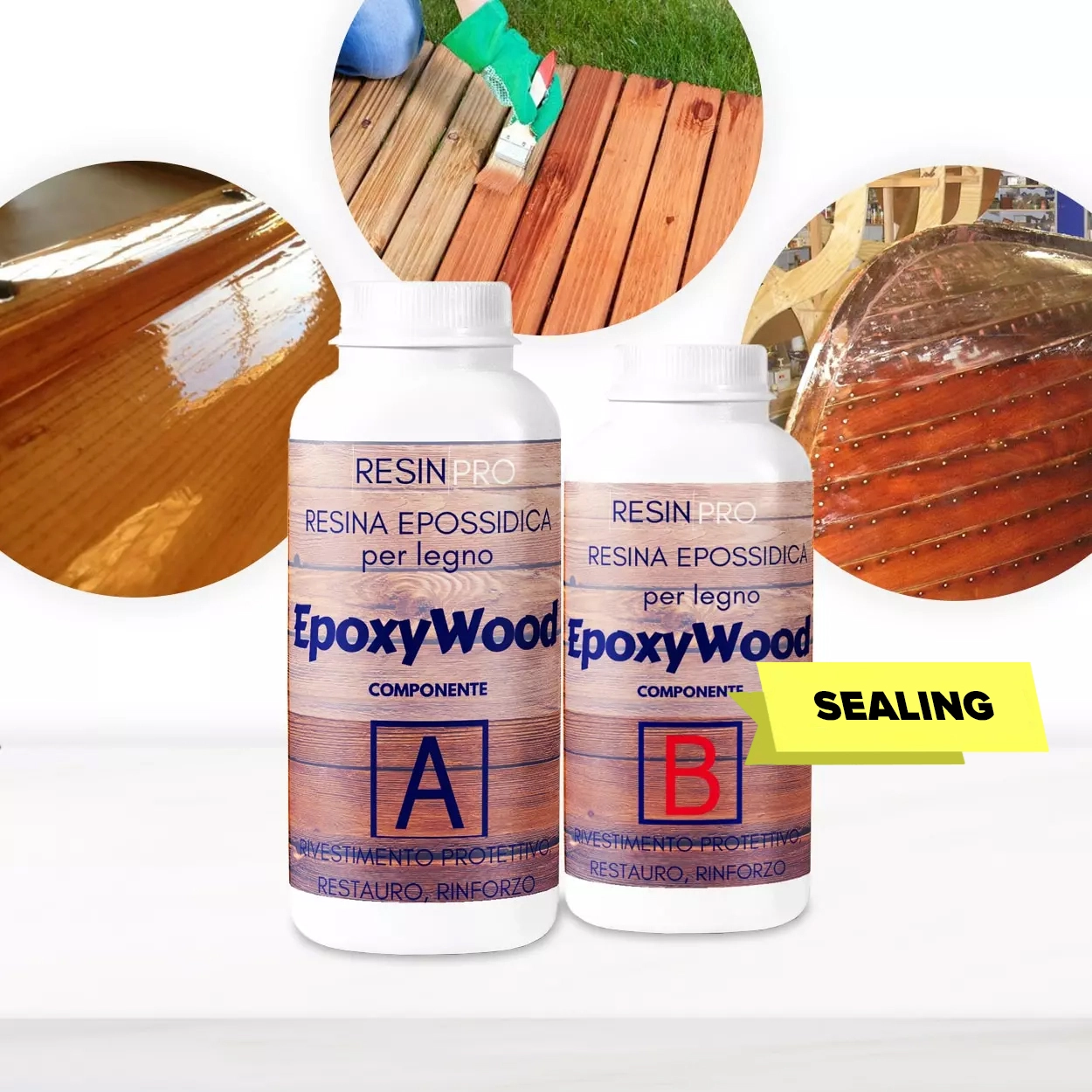
Visual Guide: Wood Preparation for Epoxy Resin
Explore images of step-by-step wood treatments—from drying and sanding to sealing and priming. See the difference proper preparation makes for flawless resin application. Visual progressions help you master every stage before applying epoxy to your next timber project.

Step 1: Ensure the Wood is Fully Dry
The first priority is to work with thoroughly seasoned and dry wood. Any residual moisture trapped within timber can lead to poor adhesion, bubbles, or even future delamination after your epoxy coating cures. Use a moisture meter if available, and only proceed with wood below 12% moisture content. Stack and acclimatise boards in your workspace for several days if needed, away from damp environments.
Ensure the wood is fully dry and avoid rushing this process for the most reliable results.
Step 2: Sand the Surface Thoroughly
Sanding opens the wood grain and removes any surface debris or unevenness that could compromise epoxy bonding. Begin with coarser sandpaper (around 80–120 grit) and work up to a finer finish (180–240 grit). Always sand in the direction of the wood grain to minimise scratches. Wipe away fine dust using a lint-free cloth and, if possible, vacuum or blow off remaining particles with compressed air.
Sand the surface thoroughly to maximise adhesive strength and prevent imperfections.

Step 3: Seal and Stabilise the Wood
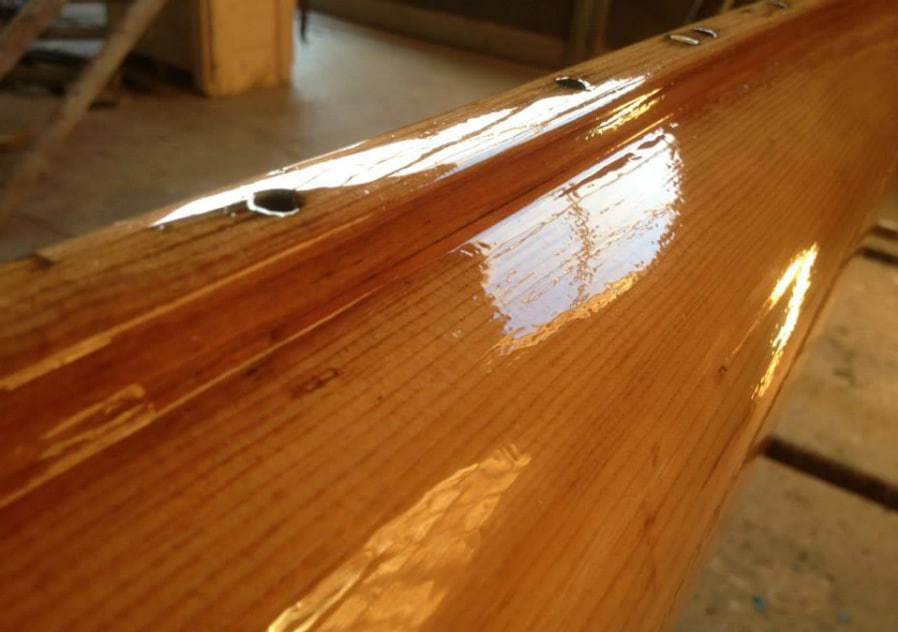
For especially porous, knotty, or damaged timber, pre-sealing is essential to reduce air bubbles and prevent unwanted resin absorption. Using a dedicated wood sealer like “EpoxyWood” is highly effective for deep penetration and structural reinforcement. With its ultra-low viscosity, EpoxyWood saturates wood fibres, locking out moisture and stabilising the substrate before your main resin pour or coat.
Apply a thin coat using a brush, ensuring even distribution. Allow the sealer to fully cure as directed before proceeding.
Seal and stabilise the wood where deep cracks or high porosity exist for optimal outcomes.
Step 4: Use a Dedicated Primer or Sealer
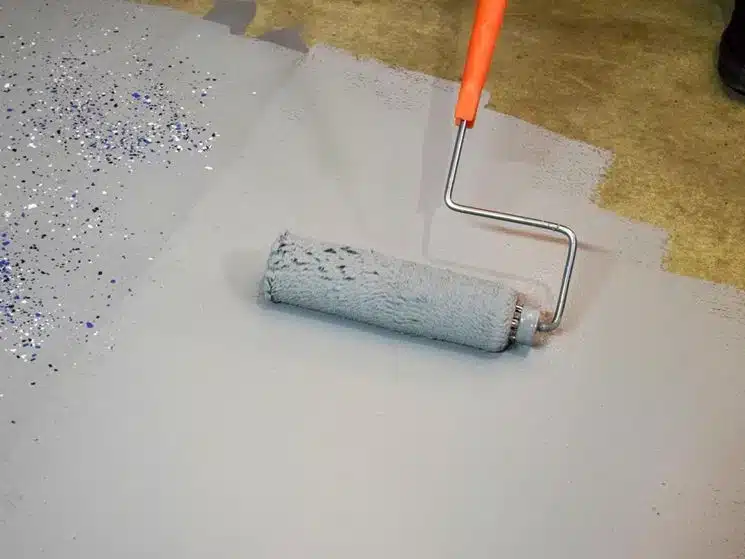
For most furniture, decorative or flooring projects, priming the prepared surface is a critical extra step. A specialist primer such as “Epoxyprimer” is designed to enhance the bond between timber and your chosen epoxy resin. Applied with a roller or brush in a thin, even layer, it prevents outgassing and virtually eliminates lifting, peeling or poor adhesion after curing.
Use a dedicated primer or sealer to create the most durable foundation for your epoxy project.

Step 5: Final Clean and Environmental Check
Right before you pour or coat with resin, double-check the workspace and wood surface. Wipe everything down with a lint-free cloth. Ensure the area is dust-free and has stable room temperature (ideally between 18–24°C). Avoid damp conditions, as humidity can affect both the wood and uncured epoxy. Lay your project flat and secure it safely to prevent any movement during curing.
Cleanliness is vital and mind the environment to prevent last-minute problems and dust in your epoxy finish.
Tips, Common Mistakes, and Troubleshooting
Take your time with each preparation stage—shortcuts may lead to bubbling, poor adhesion, or trapped moisture. Be mindful of over-sanding softwoods, which can close the pores and reduce resin absorption. Always mix sealer or primer precisely as directed, and allow each layer to cure before proceeding. Address cracks and knots early on with a sealing coat to prevent bubble formation. If in doubt, test your approach on offcuts before committing to your final wood piece.
Real-World Results: Before and After Epoxy Application
See transformed timber projects, from rustic boards to finished resin river tables. Compare untreated, raw surfaces with wood sealed and primed prior to epoxy coating, highlighting clarity and adhesion improvements.
- "EpoxyWood" – Wood Restoration Epoxy Resin for Deep Penetration and WaterproofingPrice range: £27.95 through £41.95EpoxyWood is designed to deeply penetrate and waterproof wooden surfaces, providing reinforcement with a warm straw-yellow finish.
- "Epoxyprimer" – Universal Water-Based Two-Component Epoxy Floor PrimerPrice range: £156.45 through £286.45Epoxyprimer is a universal water-based epoxy primer designed for reliable adhesion on timber and other surfaces.
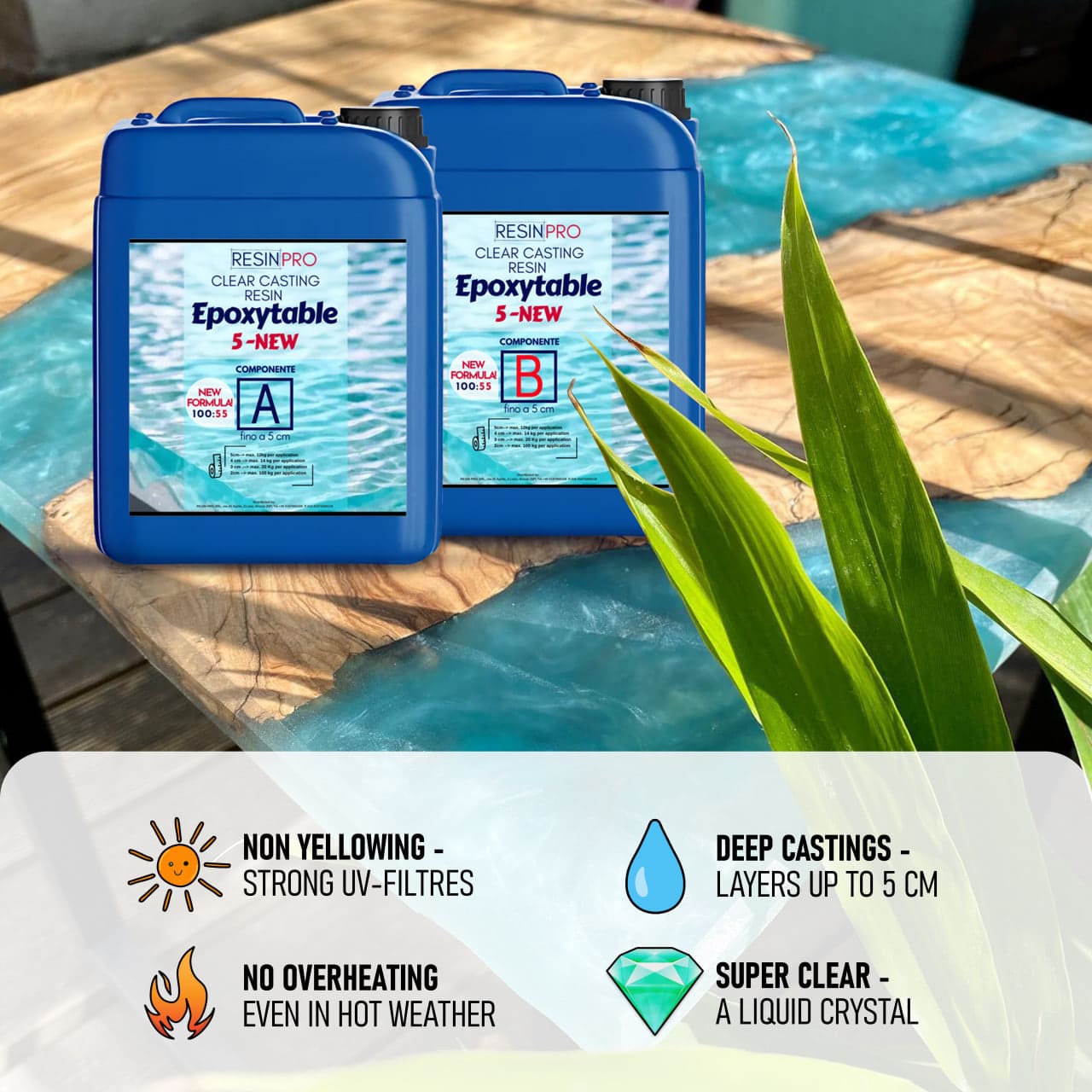
- "EpoxyTable 5-Five" – Deep Pour Epoxy Resin for Tables and Large Projects – Up to 5cmPrice range: £17.95 through £1,154.95"EpoxyTable 5-Five" is suitable for deep pour projects like tables, offering features like UV resistance and a scratchproof surface.
 "Art Pro" – Clear Epoxy Resin for Artists and Surface CoatingPrice range: £19.95 through £267.95Art Pro clear epoxy resin offers durable, high-gloss finishes suitable for artists and crafters seeking glass-like coatings on surfaces.
Frequently Asked Questions
What are the best sealers or primers to use on wood before epoxy?
Dedicated epoxy sealers like EpoxyWood and water-based primers such as Epoxyprimer offer excellent results for different wood types.
Is it necessary to sand wood before applying epoxy resin?
Yes, sanding prepares the surface for strong adhesion and reduces the risk of bubbles or defects in the epoxy finish.
How dry should the wood be before coating with epoxy?
Wood should be below 12% moisture content for optimal epoxy bonding and to prevent future moisture-related issues.
How do you prevent bubbles when using epoxy resin on wood?
Sealing and priming porous wood before pouring resin greatly reduces the risk of bubbles forming during curing.
Can I use a primer on all wood types before epoxy?
Yes, primers enhance adhesion on most common timber species when applied as directed and after the wood is dry and clean.
Do I need a special epoxy or sealer for softwoods like pine?
A deep-penetrating sealer such as EpoxyWood is beneficial for softwoods to reinforce fibres and reduce resin absorption.